Weekly Spaceflight Update: June 8th - June 15
It was yet another great week for spaceflight. In addition to the many launches, we were also treated to the announcement of the four astronauts selected to fly on the next Artemis mission.
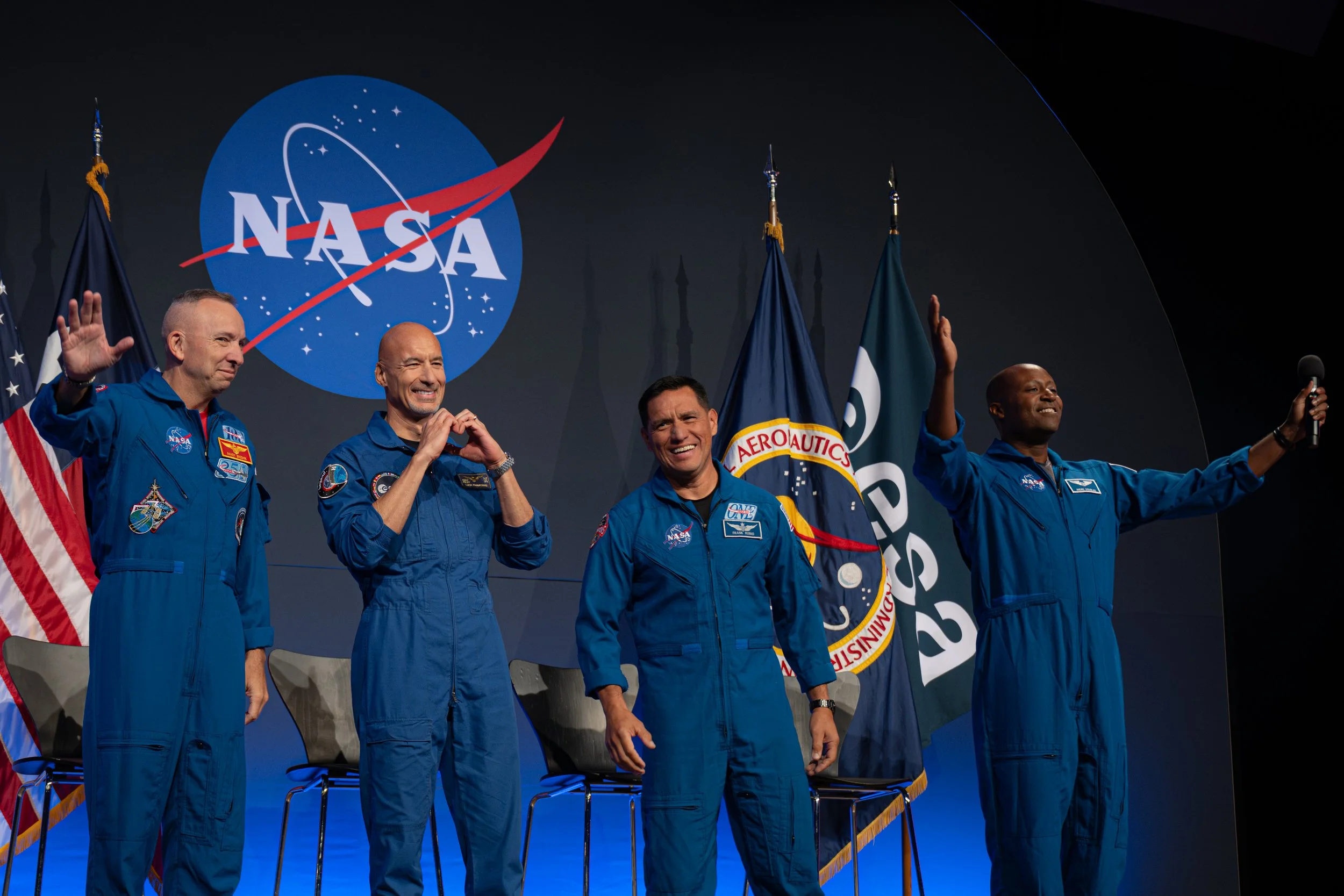
On June 9th, NASA held a press conference at the Johnson Space Center in Houston, Texas, to announce the crew for the Artemis III mission. Scheduled to launch in 2027, Artemis III will serve as a test flight in low-Earth orbit to demonstrate rendezvous and docking with privately developed lunar landers from SpaceX and Blue Origin. This mission comes ahead of Artemis IV, which is planned to return humans to the lunar surface for the first time since the Apollo program more than 50 years ago.
The four astronauts selected for Artemis III are:
NASA astronaut Randy Bresnik, Commander
ESA astronaut Luca Parmitano, Pilot
NASA astronaut Andre Douglas, Mission Specialist
NASA astronaut Frank Rubio, Mission Specialist
Additionally, NASA astronaut Bob Hines was named as the backup crew member.
Photo: NASA - John Kraus
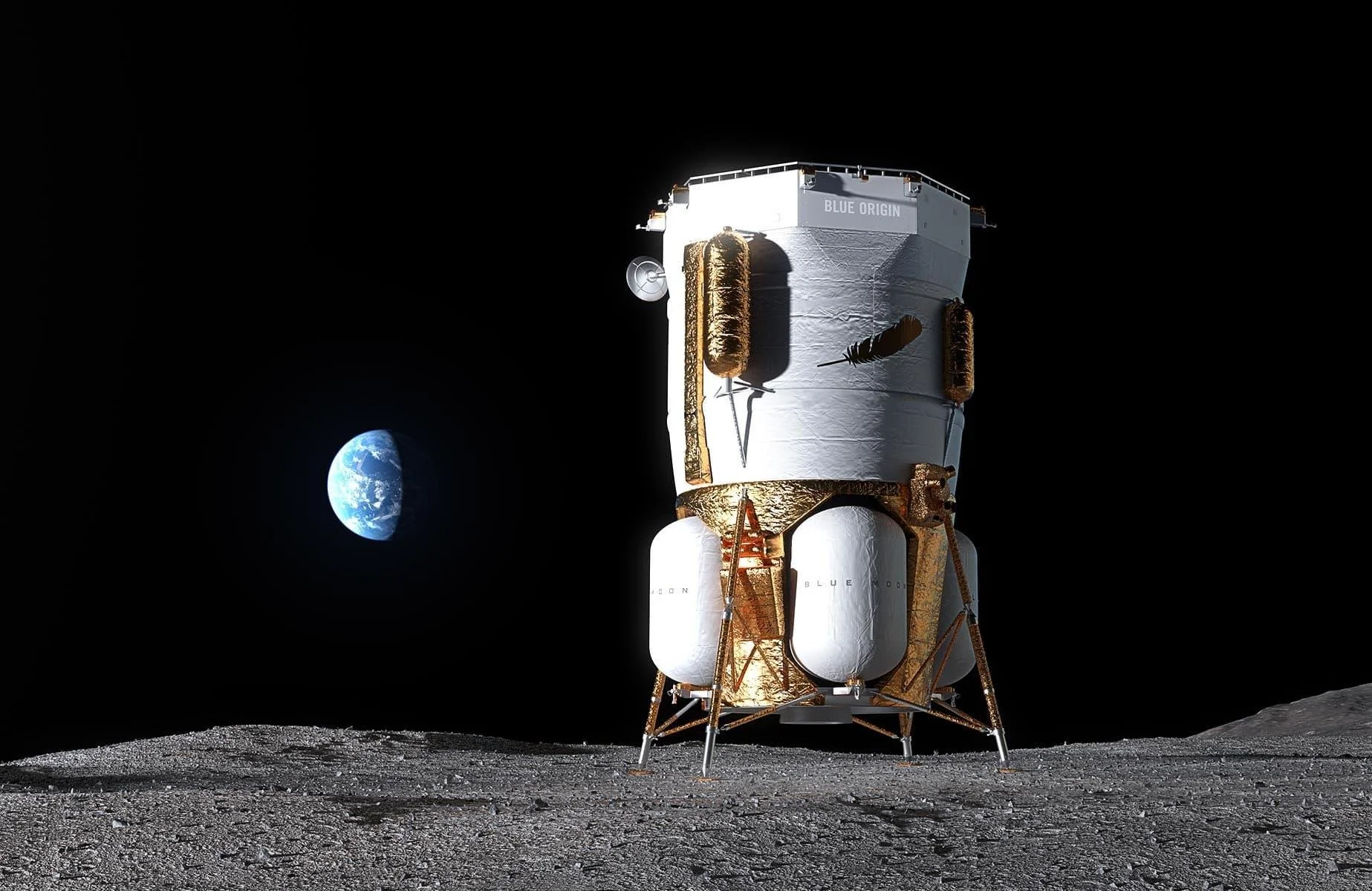
Shortly before the crew announcement, representatives from SpaceX and Blue Origin provided updates on their lunar lander development.
Blue Origin’s John Couluris noted significant progress on the investigation into the recent New Glenn anomaly. He added that cleanup of the LC-36A pad is well underway, with parallel construction of the new LC-36B pad. Regarding the MK-1 lunar lander, Couluris stated that the first lander is expected to complete testing and be ready for launch later this year, with additional units in production which includes the one planned for Artemis III, which remains on track for the 2027 target.
SpaceX’s Jessica Jensen highlighted the success of Starship Flight 12 last month, which debuted the V3 version of Starship. She noted that multiple boosters and ships are in production, along with three additional launch pads under construction in Florida and Texas. Jensen explained that the docking hardware on the company’s Human Landing System (HLS) is nearly identical to the system used on Dragon, and that many of the sensors for rendezvous, proximity operations, and propellant transfer have already been proven on previous missions. She added that teams are building a flight-fidelity Starship cabin at Starbase in preparation for system integration. SpaceX is targeting later this year for a ship-to-ship propellant transfer demonstration, which will enable in-space refueling and allow HLS to reach the Moon. For Artemis III, the company plans to use a V3 Starship equipped with a docking adapter to rendezvous with Orion. For Artemis IV, NASA and SpaceX have adopted a revised plan in which the two vehicles will dock in low-Earth orbit rather than near-rectilinear halo orbit (NRHO) to reduce risk, after which HLS will propel the combined stack into lunar orbit.
Photo: Blue Origin (Render)
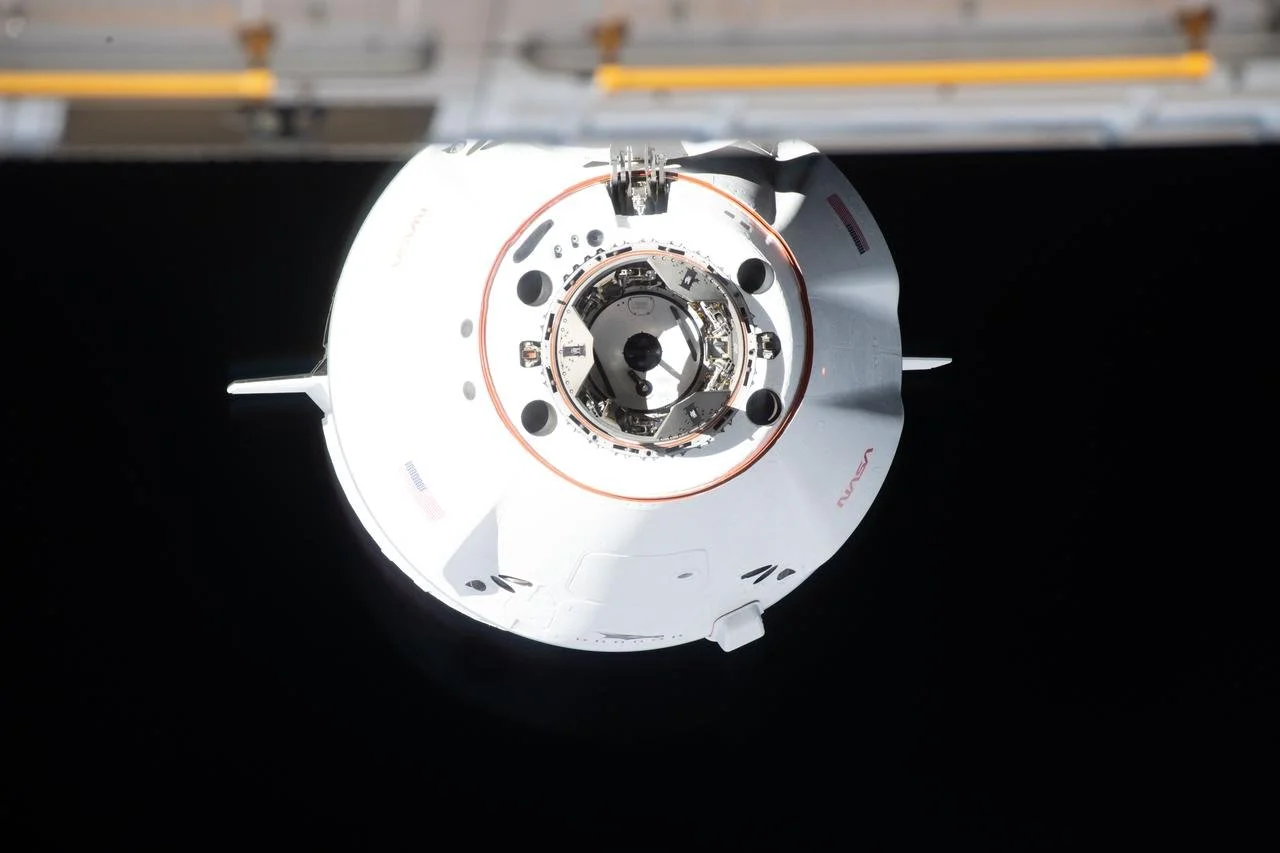
Photo: ESA/Sophie Adenot
NASA, SpaceX CRS-34 Coming Home
SpaceX’s CRS-34 Dragon capsule, after spending a month on station, is returning home no earlier than June 17th with teams targeting undocking to occur on June 16th. It will carry back thousands of pounds of time-sensitive scientific research samples and hardware, including:
Bioprinted organ and cartilage tissue samples Data and materials from experiments on improving cryogenic fuel storage DNA-inspired materials for potential new cancer treatments
An ocular imaging device used to monitor crew eye health
A sorbent bed that filters trace contaminants from cabin air
A separator pump from the waste and hygiene compartment The Advanced Plant Habitat
Launches This Week:
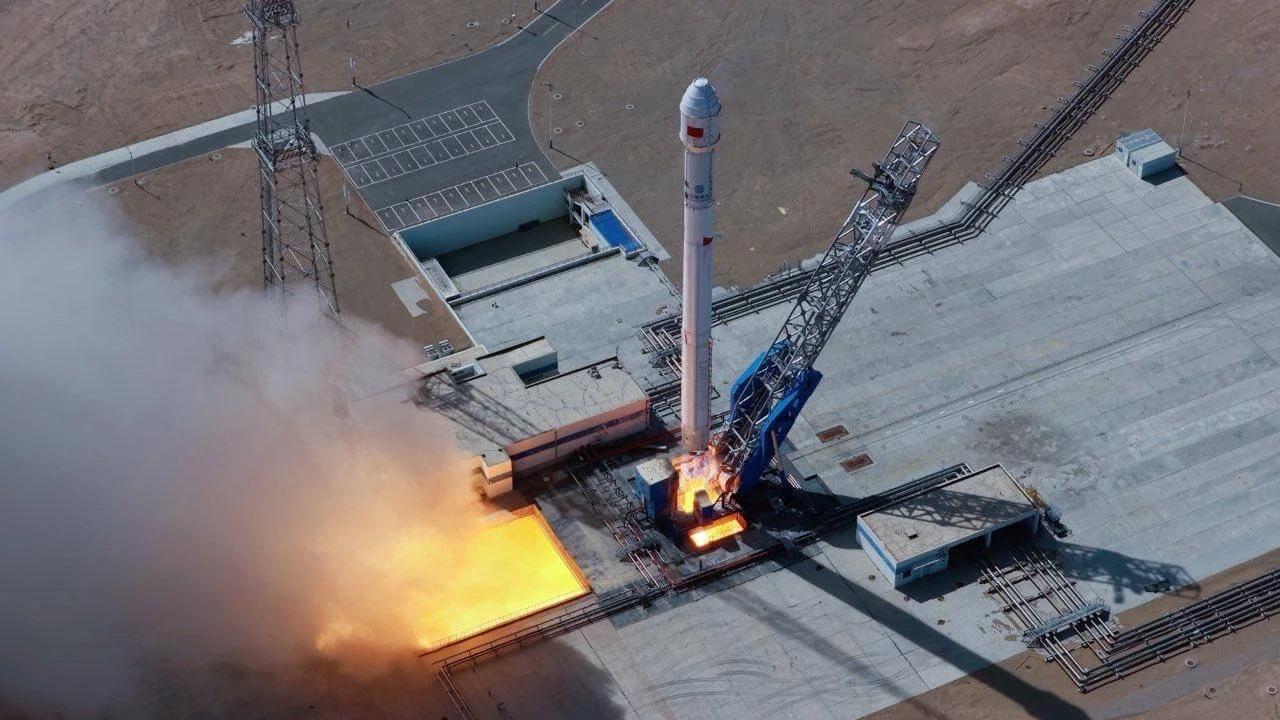
Zhuque-2E Y6 (Block 2) – LandSpace
On June 9 at 4:23 p.m. Beijing Time, LandSpace launched its Zhuque-2E Block 2 rocket from Site 96 at the Jiuquan Satellite Launch Center. The rocket carried two test satellites demonstrating direct-to-cell capabilities for SpaceSail and China Mobile.
Photo: (Unknown)
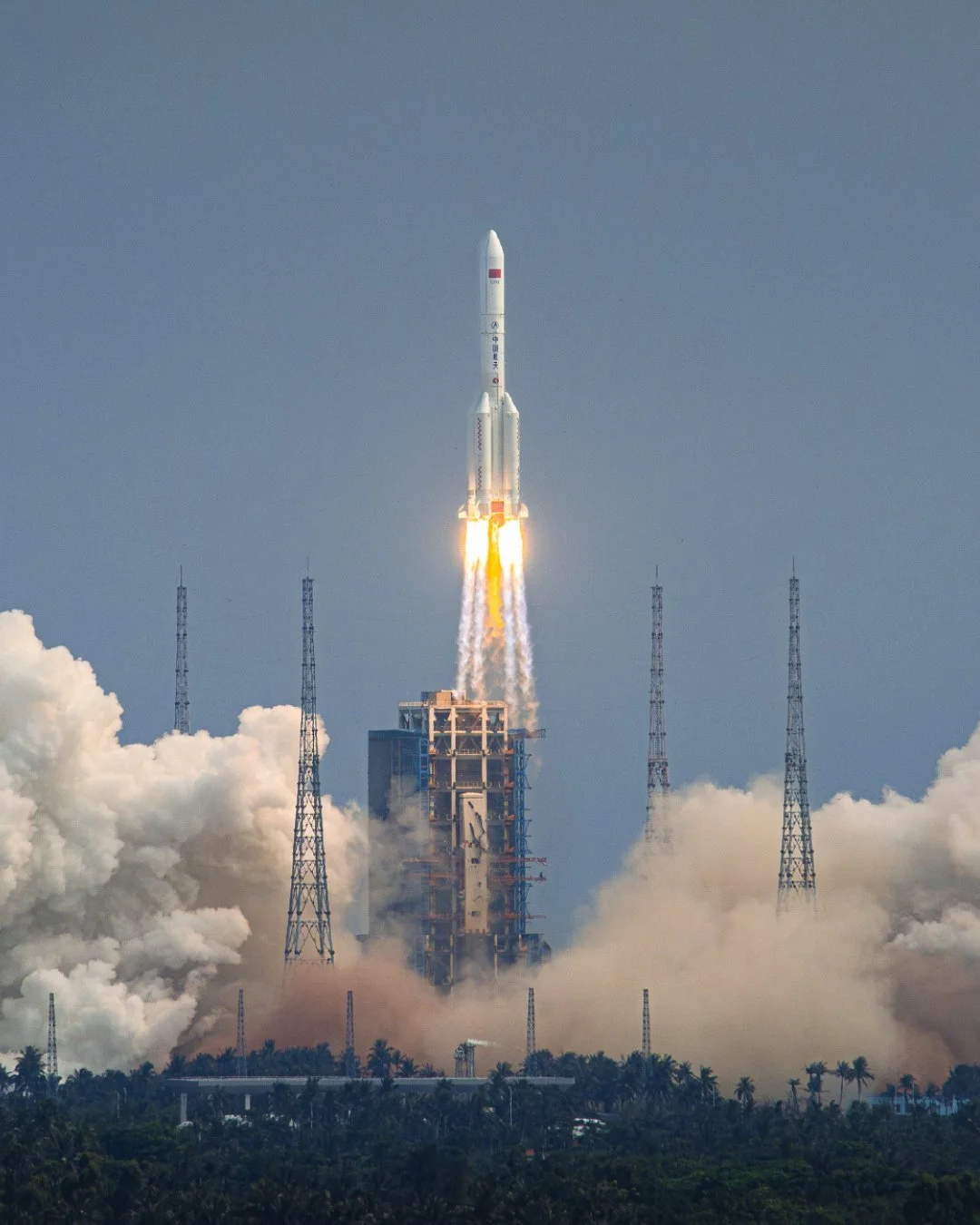
TJSW-25 – CASC
On June 11 at 3:30 p.m. Beijing Time, CASC launched a Long March 5 rocket from LC-101 at the Wenchang Space Launch Site in China. The payload was the classified TJSW-25 (Communication Technology Experimental Satellite-25).
Photo: (Unknown)
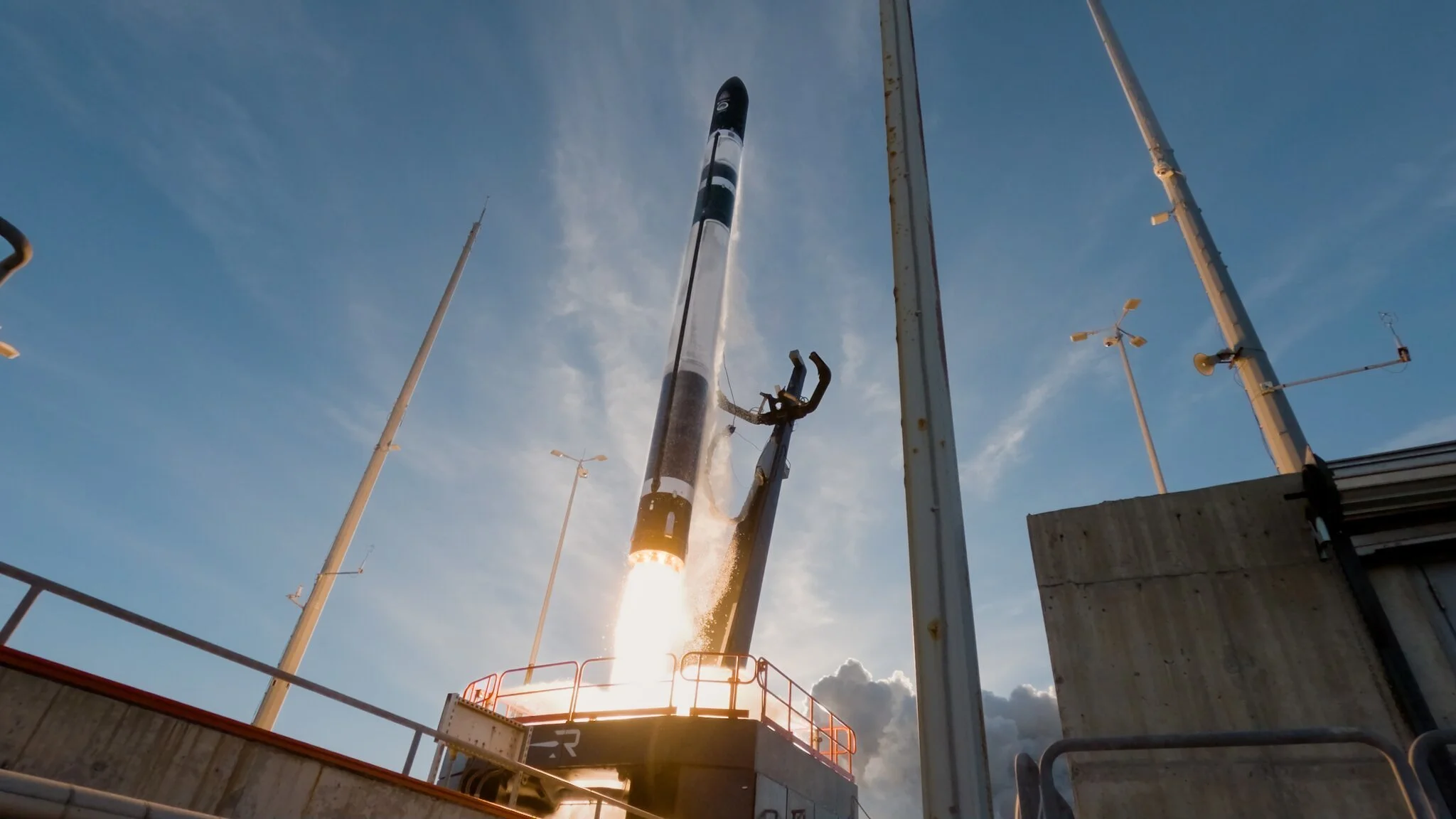
Curveball – Rocket Lab
On June 11th at 4:00 a.m. EDT, Rocket Lab launched its HASTE vehicle carrying the Curveball mission. While past HASTE missions followed suborbital trajectories, the payload from this mission was tracked into orbit according to the catalog released by the United States Space Force.
Photo: RocketLab (Old image)
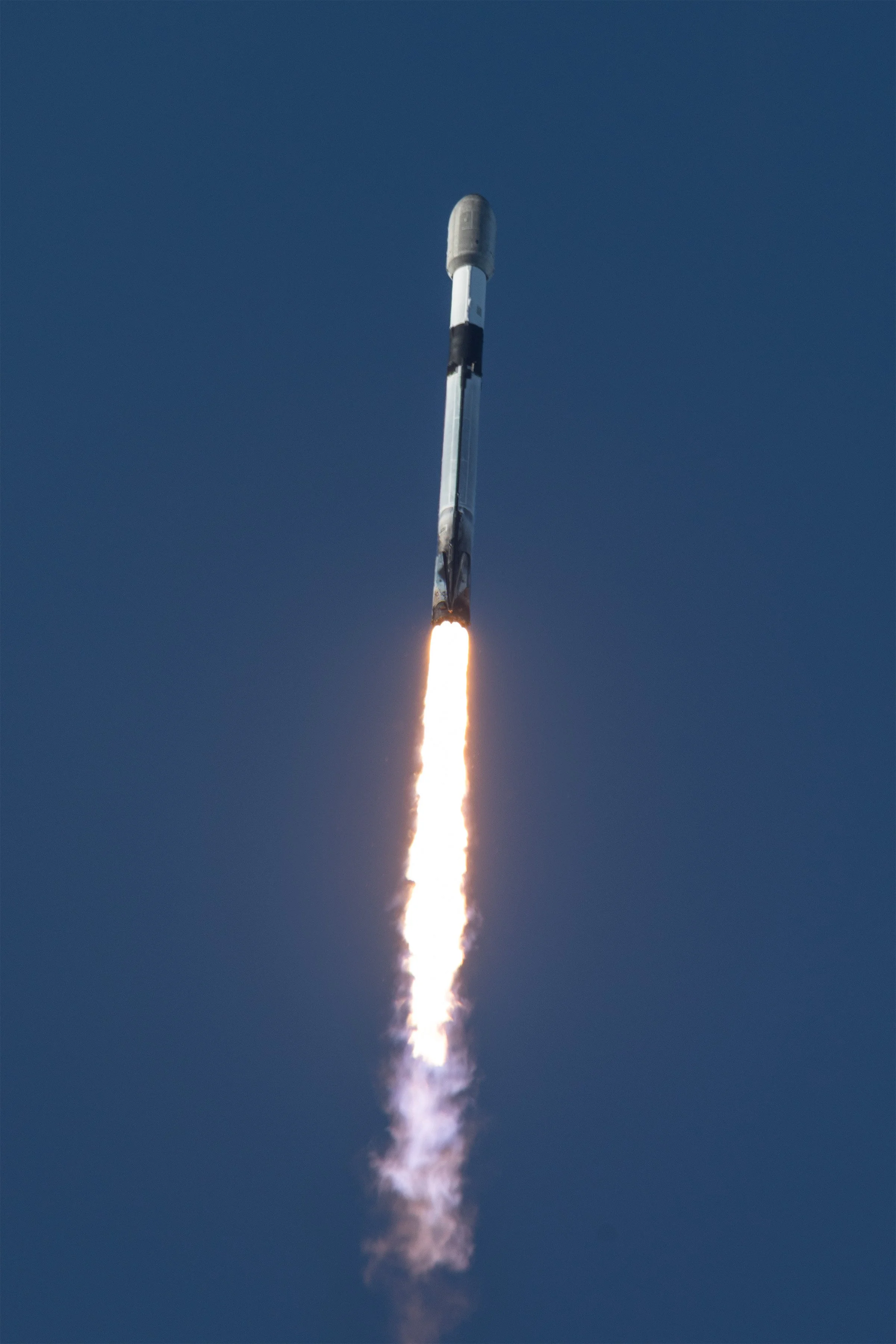
Starlink Group 17-44 – SpaceX
On June 11 at 8:05 a.m. PDT, SpaceX launched a Falcon 9 from Vandenberg Space Force Base carrying 24 Starlink satellites to orbit. The first stage booster, B1071, flew for the 34th time and successfully landed on the Of Course I Still Love You droneship placed several hundred miles downrange in the Pacific Ocean. This booster is currently the second most-flown in the fleet, just one flight behind the fleet leader, B1067 which recently completed its 35th flight a short while ago.
Photo: SpaceX
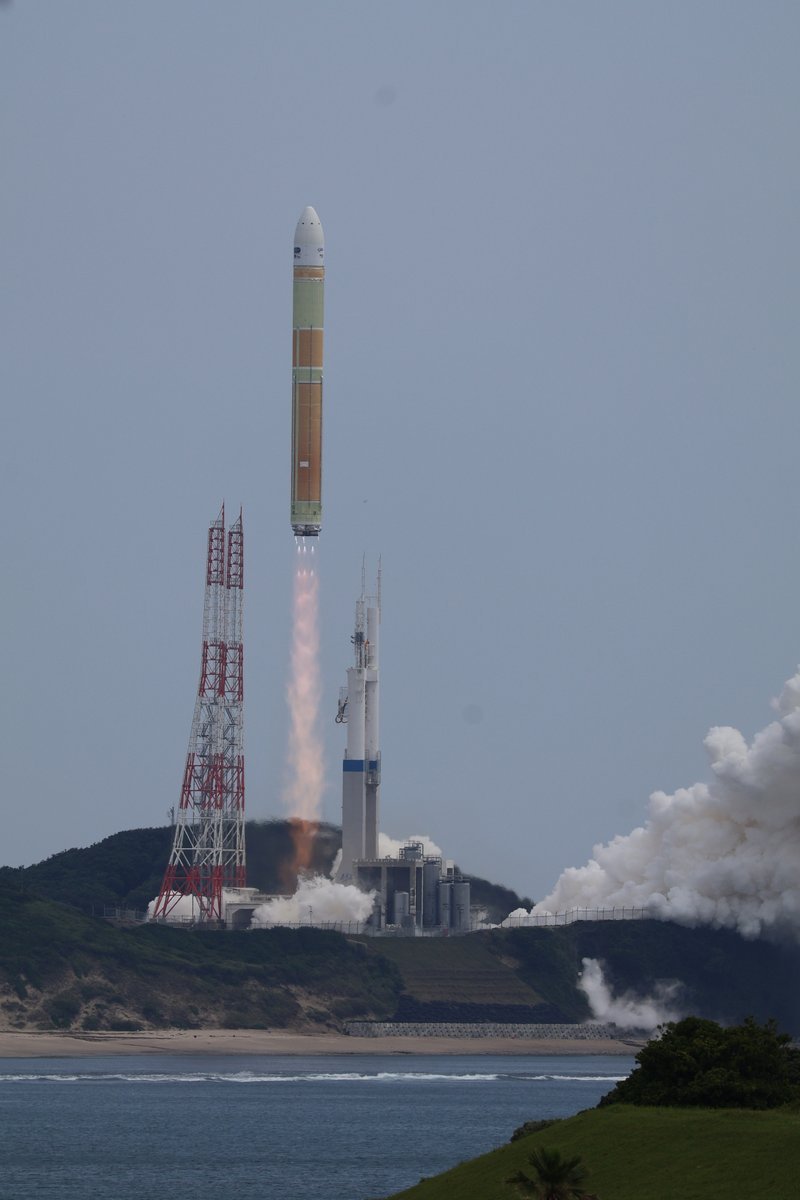
H3-30 Test Flight – MHI/JAXA
On June 12 at 9:54 a.m. JST, Japan conducted the first flight of the H3 rocket in the H3-30 configuration from Tanegashima Space Center in Japan. The mission carried the following payloads:
VEP-5: A mass simulator.
STARS-X: A pair of satellites developed by Shizuoka University to demonstrate space debris capture via a tethered connection.
VERTECS: A CubeSat from Kyushu Institute of Technology designed to study star formation history by observing extragalactic background light.
HORN-L/R: A pair of satellites demonstrating atmospheric drag-based disposal using drag sails.
BRO-22: The first satellite in UnseenLabs’ planned constellation for maritime and air traffic surveillance.
PETREL: A technology demonstrator from the Tokyo Institute of Technology for multispectral Earth remote sensing and high-precision attitude control.
Photo: MHI
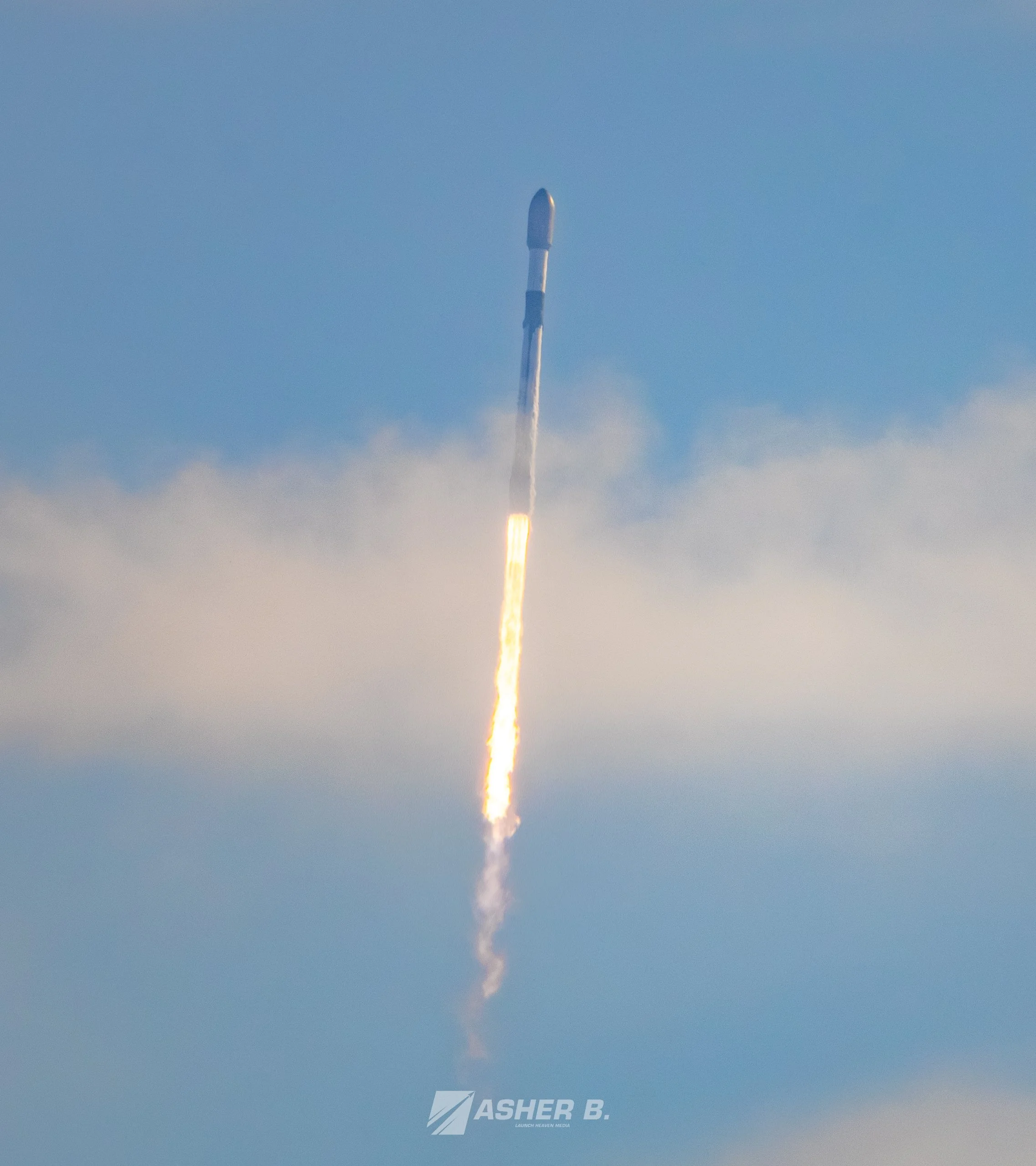
Starlink Group 10-54 – SpaceX
On June 12 at 8:37 a.m. EDT, SpaceX launched another batch of Starlink satellites from Florida aboard a Falcon 9 rocket. The first stage booster, B1080, flew for the 27th time and landed on the A Shortfall of Gravitas droneship.
Photo: Asher B.
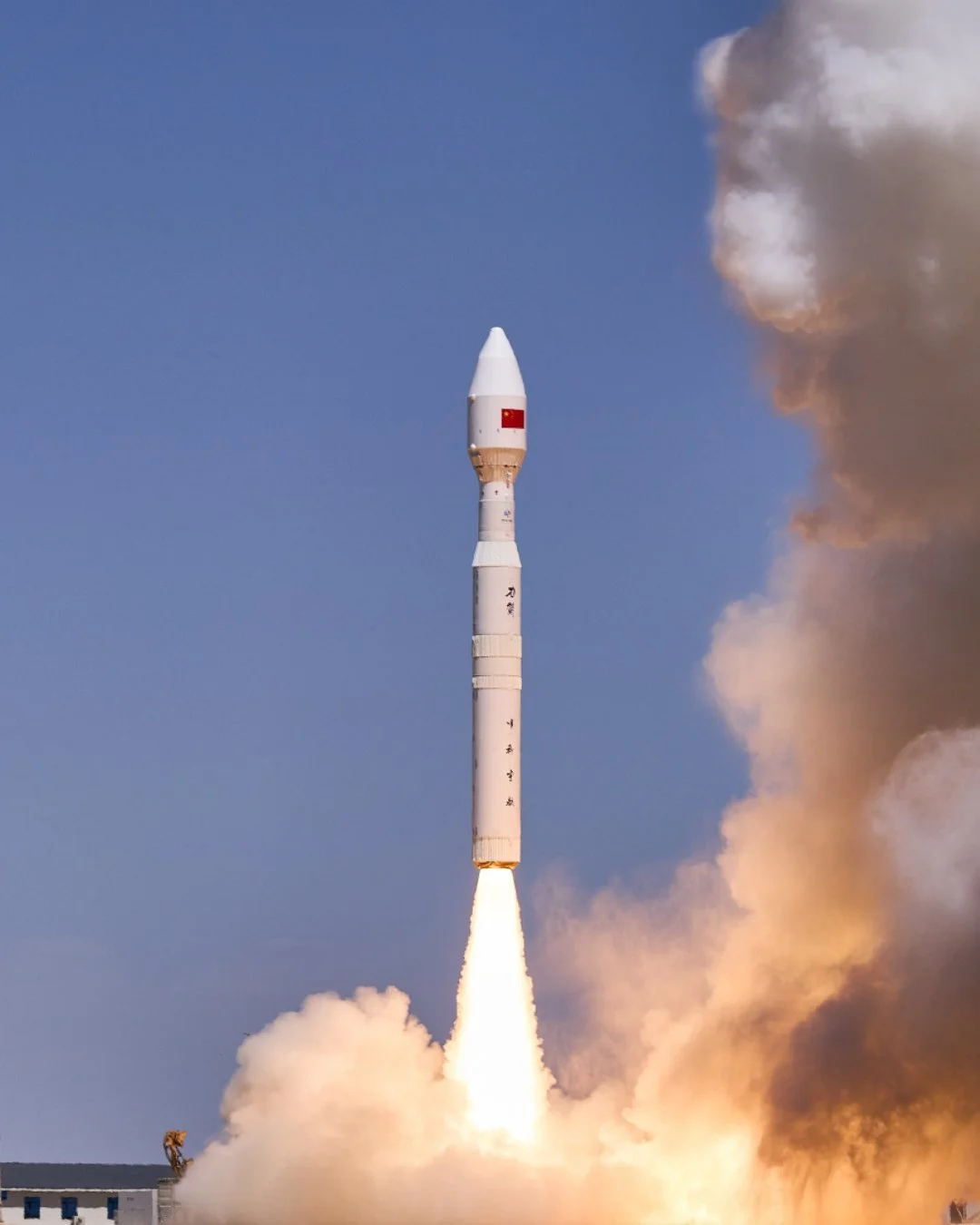
Kinetica 1 – CAS Space
On June 15 at 11:44 a.m. Beijing Time, CAS Space launched its Kinetica 1 rocket from Launch Site 130 at the Jiuquan Satellite Launch Center in China. The rocket carried eight satellites into a sun-synchronous orbit.
Photo: (Unknown)
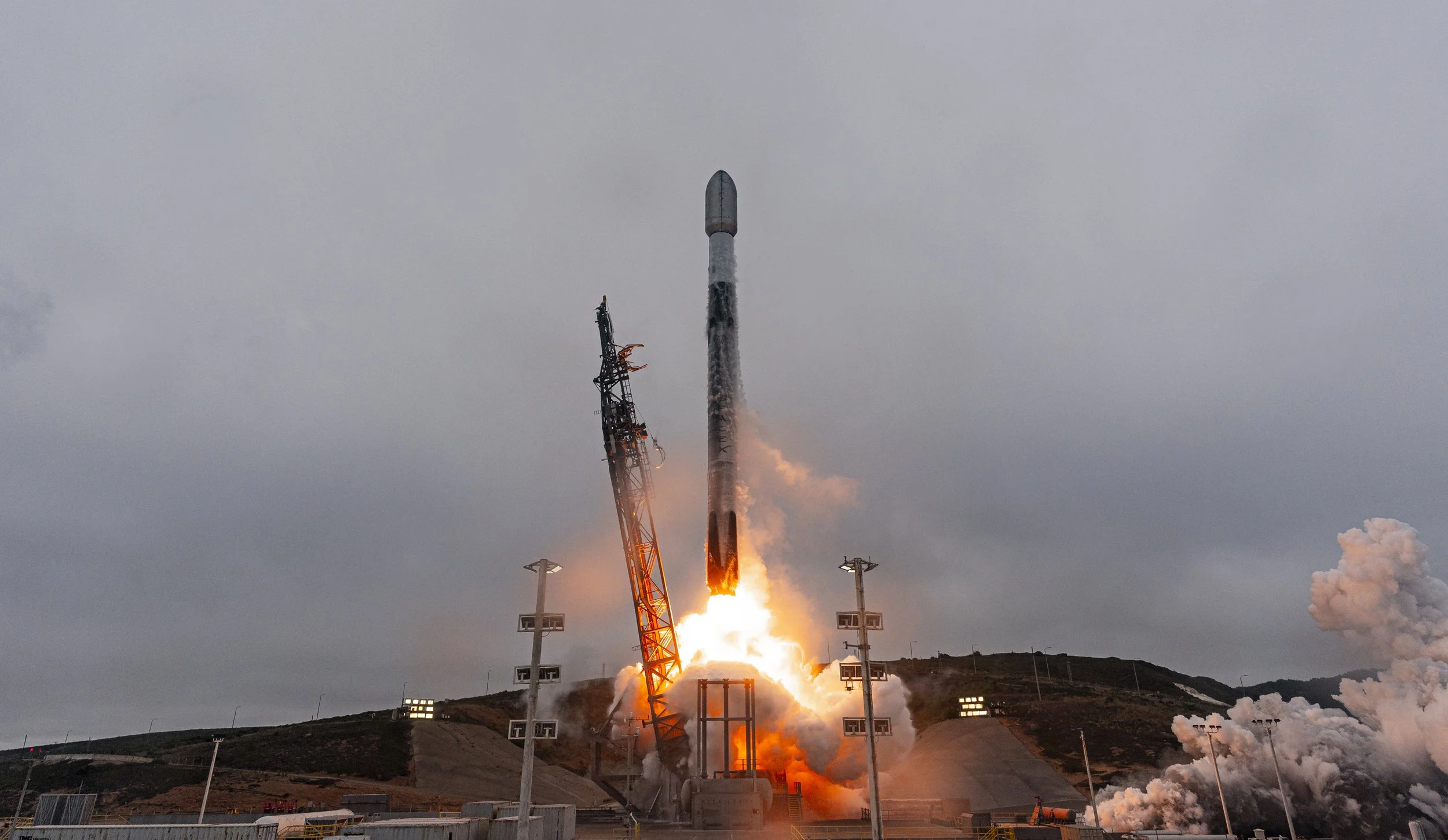
Starlink Group 17-54 - SpaceX
On June 15th, at 8:34 a.m. PDT, SpaceX launched yet another mission from their California based pad carrying another batch of Starlink satellites to orbit. Falcon 9 first stage B1093 made its 14th flight to space and back, landing on the Of Course I Still Love You droneship placed a few hundred miles downrange.
Photo: SpaceX