Weekly Spaceflight Update: May 17-24th
It was nothing short of a busy week for spaceflight. View the full rundown below:
Avio - SMILE
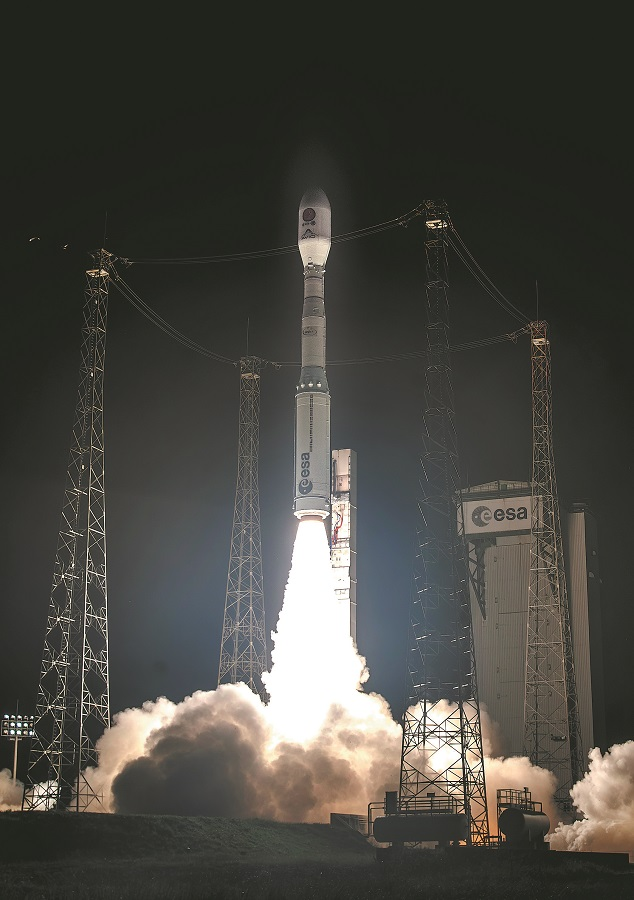
On May 19, at 12:52 a.m. local time, Arianespace’s Vega-C rocket lifted off with the SMILE (Solar wind Magnetosphere Ionosphere Link Explorer) spacecraft from Europe’s Spaceport in Kourou, French Guiana. SMILE will image Earth’s magnetosphere to study how solar wind interacts with it.
Image Credit: ESA (European Space Agency)
SpaceX - Starlink 17-42
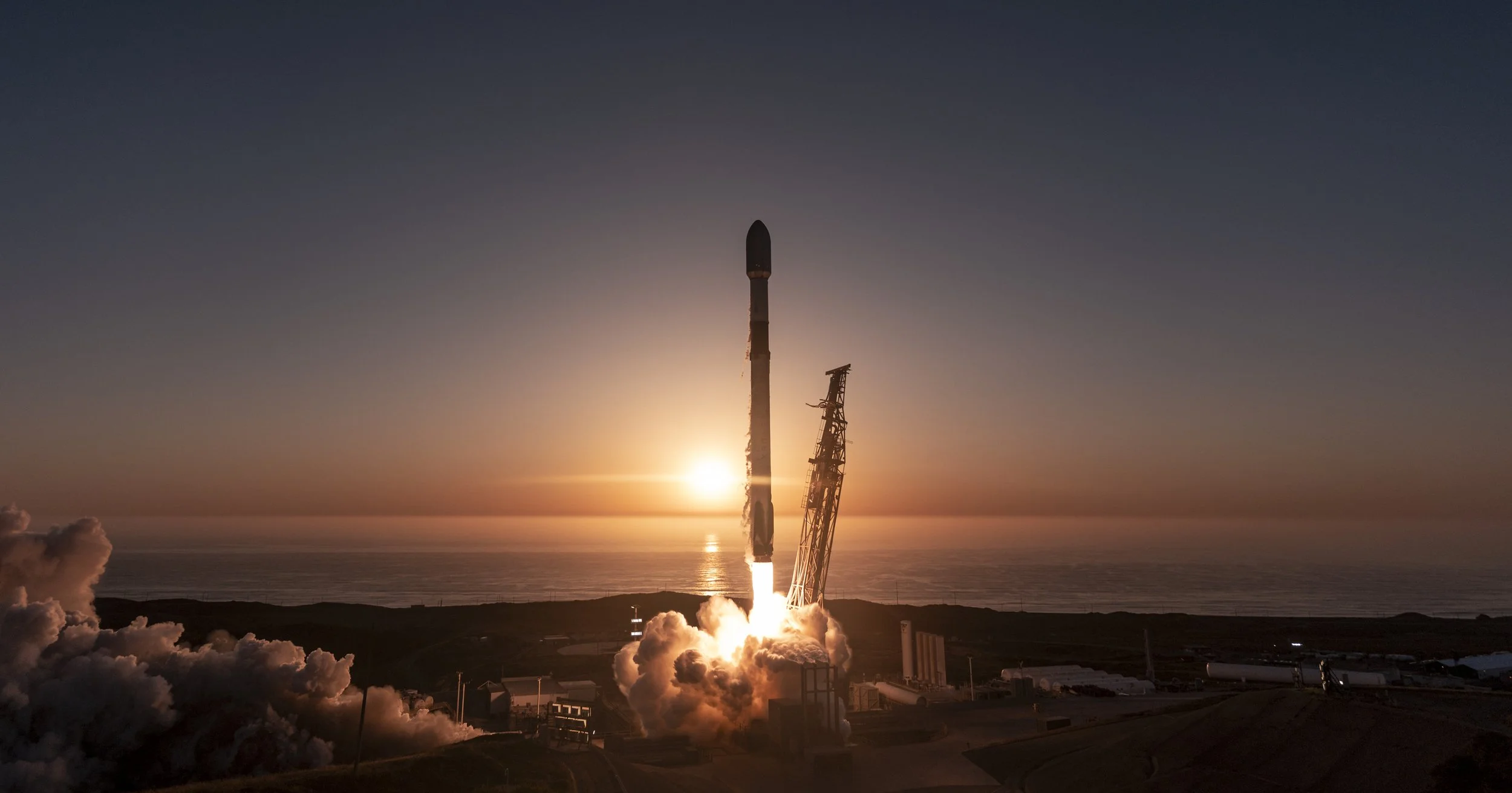
On May 19, at 7:46 p.m. PDT, SpaceX launched a batch of Starlink satellites to low-Earth orbit from SLC-4E at Vandenberg Space Force Base in California. This was booster B1103’s 2nd flight.
Image Credit: SpaceX
SpaceX - Starlink 10-31
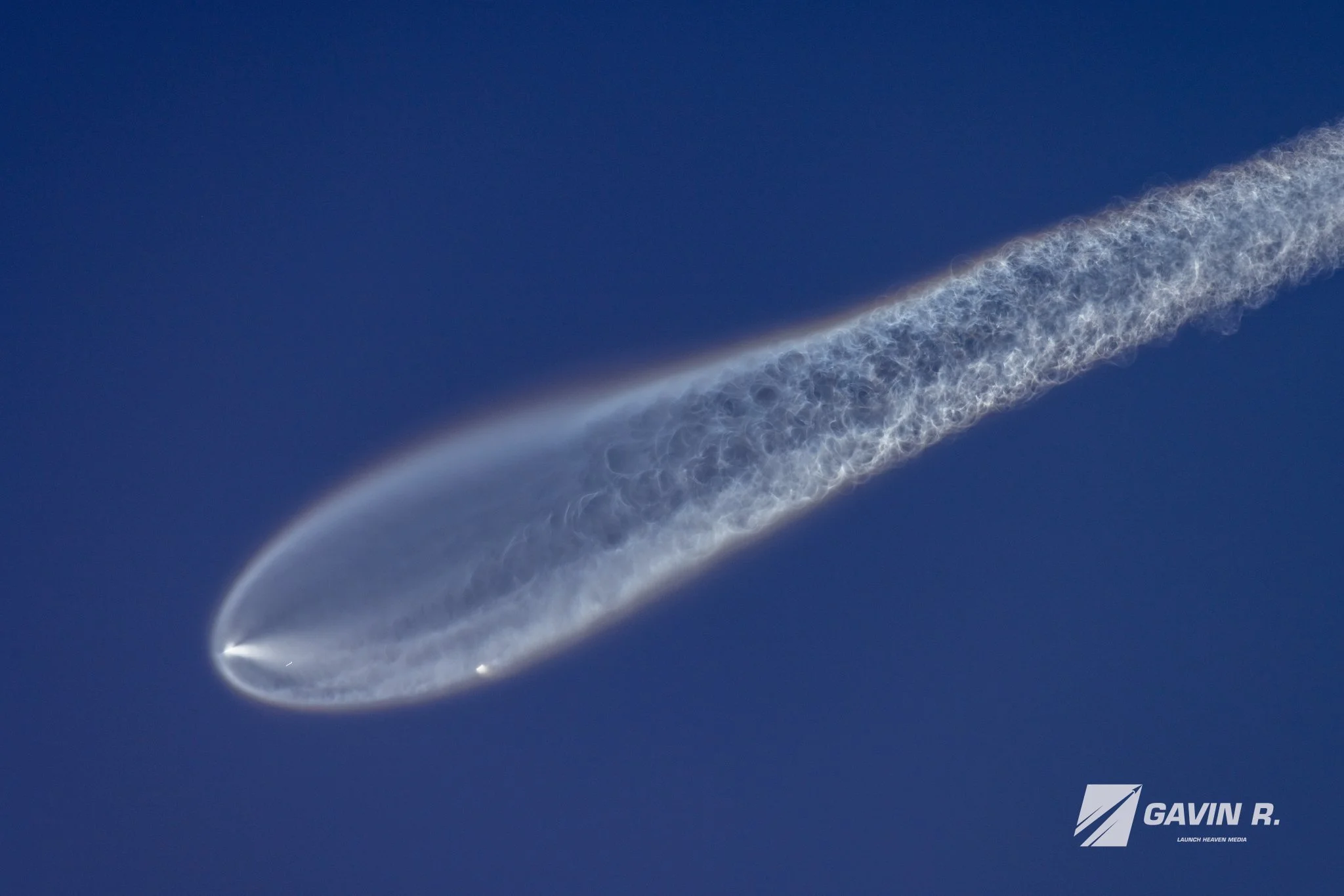
On May 21 at 6:04 a.m. EDT, SpaceX launched another batch of Starlink satellites from SLC-40 in Cape Canaveral, Florida. This was booster B1077’s 28th flight.
Image Credit: Gavin R.
Rocket Lab - Viva La StriX
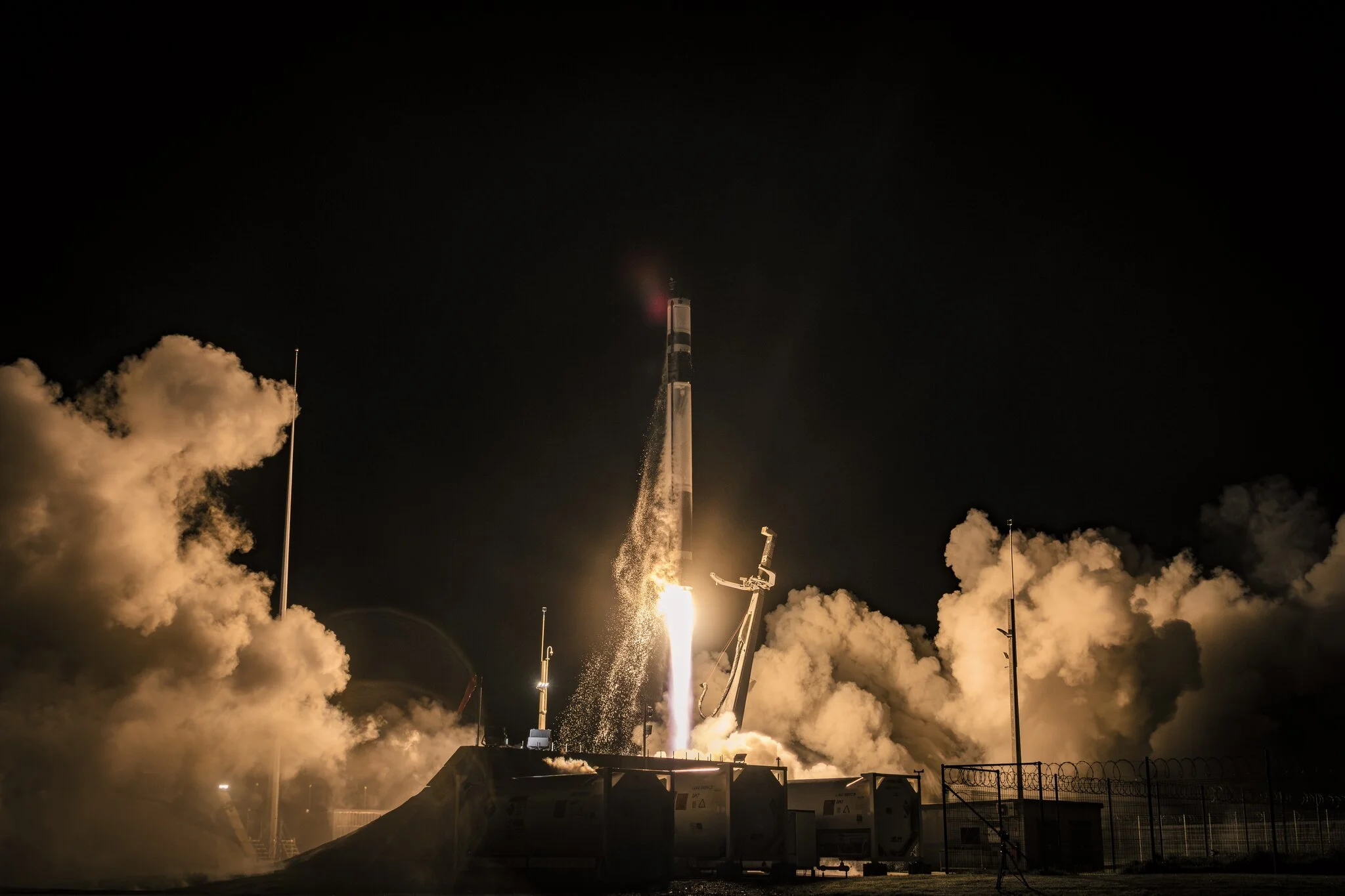
On May 22 at 9:33 p.m. local time, Rocket Lab’s Electron rocket took to the skies from Launch Complex 1 on New Zealand’s Mahia Peninsula, carrying a Strix Earth-observation satellite for Synspective.
Image Credit: RocketLab
SpaceX - Starship Flight 12
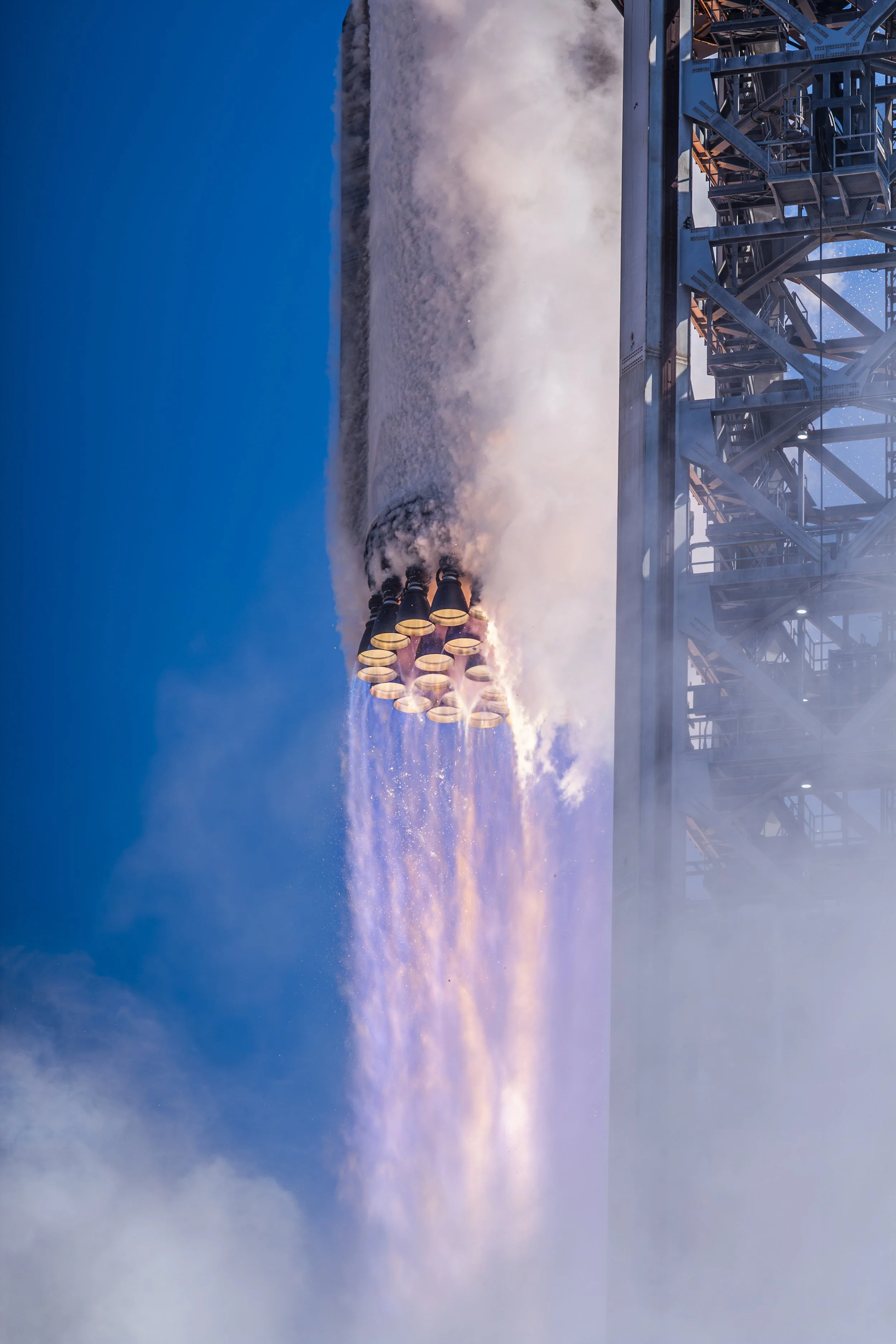
On May 22 at 5:30 p.m. local time (CDT), Starship lifted off for the first time from SpaceX’s newly built Pad 2 in Starbase, Texas, and also marked the first flight of the heavily redesigned V3 version. The rocket followed a nominal liftoff and ascent up to hot-staging, but we saw anomalous behavior on the booster when it attempted to relight engines for the boostback burn. After this was observed, the burn was aborted, and the booster fell back into the Gulf. The ship, however, continued onward. Even after losing one of its three Raptor Vacuum engines, it still reached the desired trajectory. This event prevented the planned in-space Raptor relight demo. On the other hand we did get to see a successful deployment of all 22 Starlink demo satellites (20 simulators plus two modified “Dodger Dogs” technology demonstrators) from Starship’s PEZ dispenser, along with some incredible footage from one of the two Dodger Dogs (as SpaceX calls them). These two satellites were used to test upcoming tech for future Starlink satellites and to capture views of how the heat shield held up. Later in the flight, Ship 39 made a successful splashdown in the Indian Ocean, concluding this exciting test flight.
Image Credit: Matthew T.
CASC - Shenzhou 23
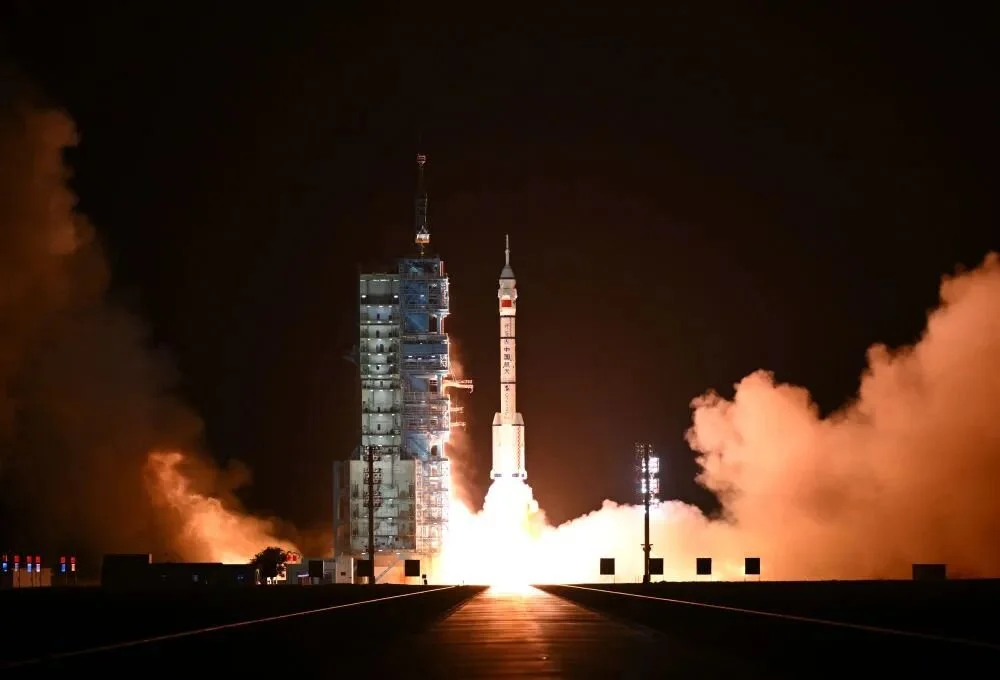
On May 24 at 11:08 p.m. Beijing Time, CASC launched their Long March 2F rocket from the Jiuquan Satellite Launch Center, carrying crewmembers Zhu Yangzhu (commander), Zhang Zhiyuan, and Lai Ka-ying (Hong Kong’s first taikonaut) to the Chinese Tiangong space station.
Image Credit: @zhu_jingyang on X/Twitter
That is all in this week’s recap.