The Sea God Surveys | Rocket Lab
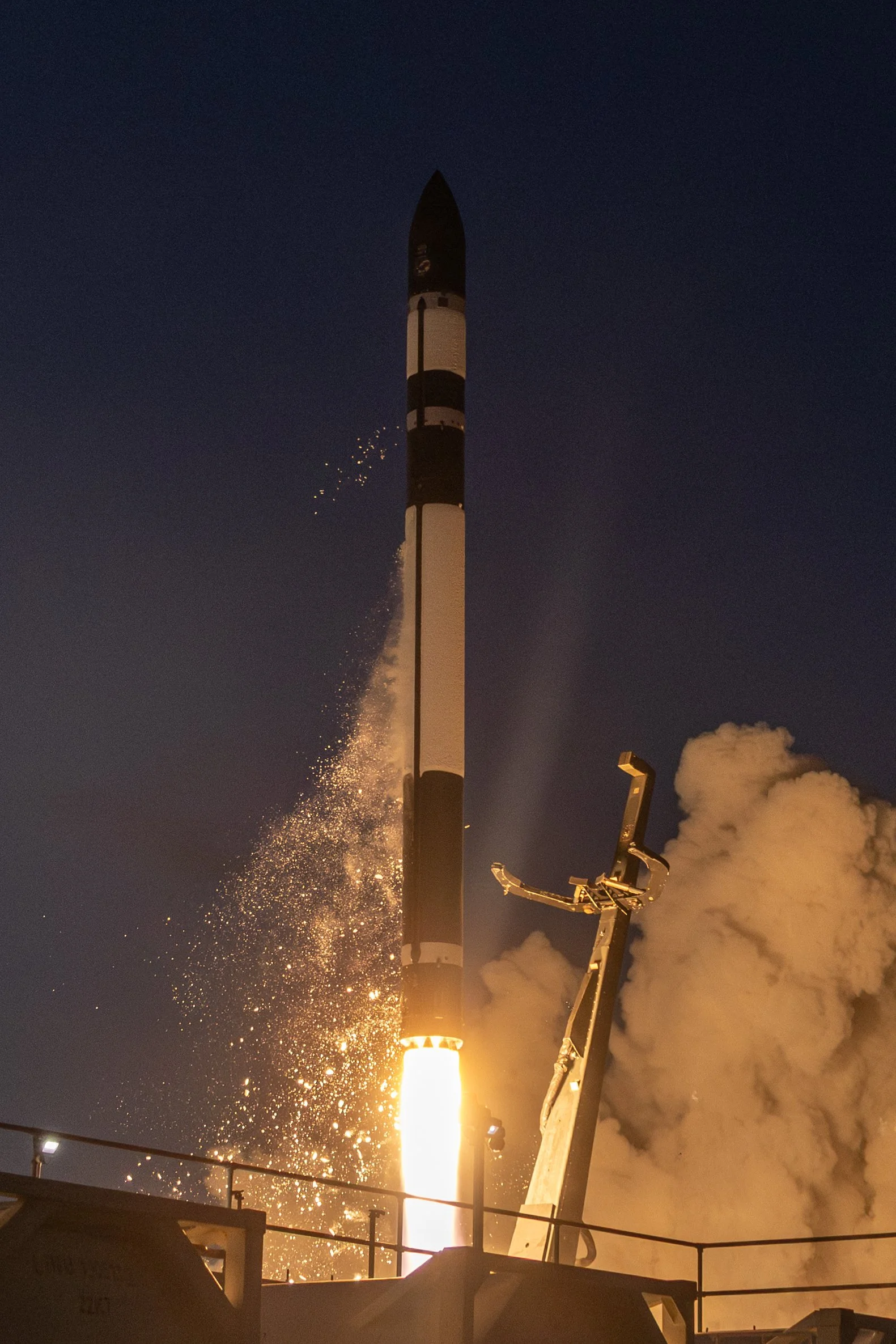
On November 3rd, at 5:41 a.m. New Zealand Daylight Time, Rocket Lab launched an Electron rocket from Launch Complex 1 on the Mahia Peninsula in New Zealand, carrying the QPS-SAR-20 radar satellite for Japanese company iQPS to low Earth orbit. The spacecraft will provide high-resolution radar imagery of Earth's surface, including observations at night and through cloud cover. The successful mission marked Rocket Lab's 99th Electron launch.
Photo: RocketLab
SpaceSail Polar Group 17 | CAS Space
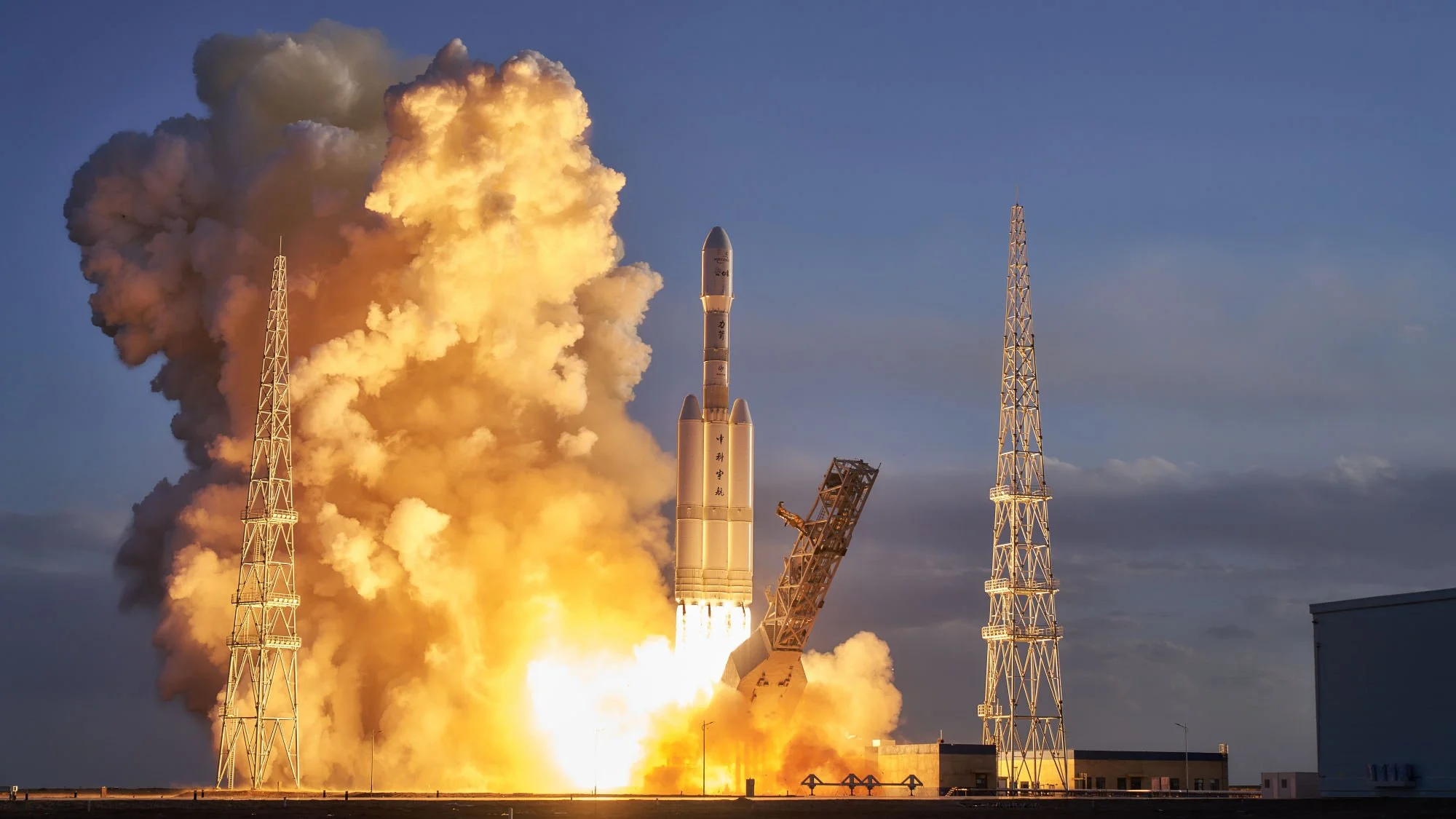
On November 3rd, at 8:15 a.m. China Standard Time, CAS Space launched a Kinetica 2 rocket from Jiuquan Satellite Launch Center in China, carrying 18 SpaceSail communications satellites into polar orbit. The satellites will join China's growing G60 broadband constellation, which is designed to provide satellite internet coverage through a large network of low Earth orbit spacecraft.
Photo: CAS Space (中科宇航)
Swift Observatory Reentry | NASA
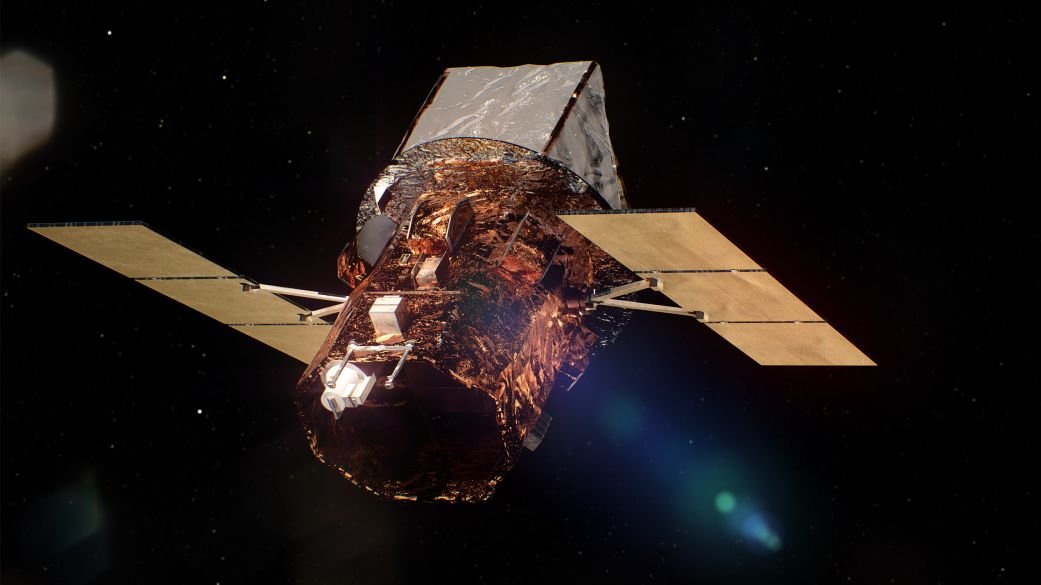
On November 4th, at 7:39 a.m. EST, NASA's Neil Gehrels Swift Observatory reentered Earth's atmosphere over North Sumatra, Indonesia, ending nearly 22 years in orbit. Launched in 2004, the spacecraft was originally designed for a two-year mission studying gamma-ray bursts and other energetic cosmic events. The observatory significantly exceeded its planned lifespan, contributing to decades of astronomical discoveries before its orbital decay led to reentry.
RENDER: NASA
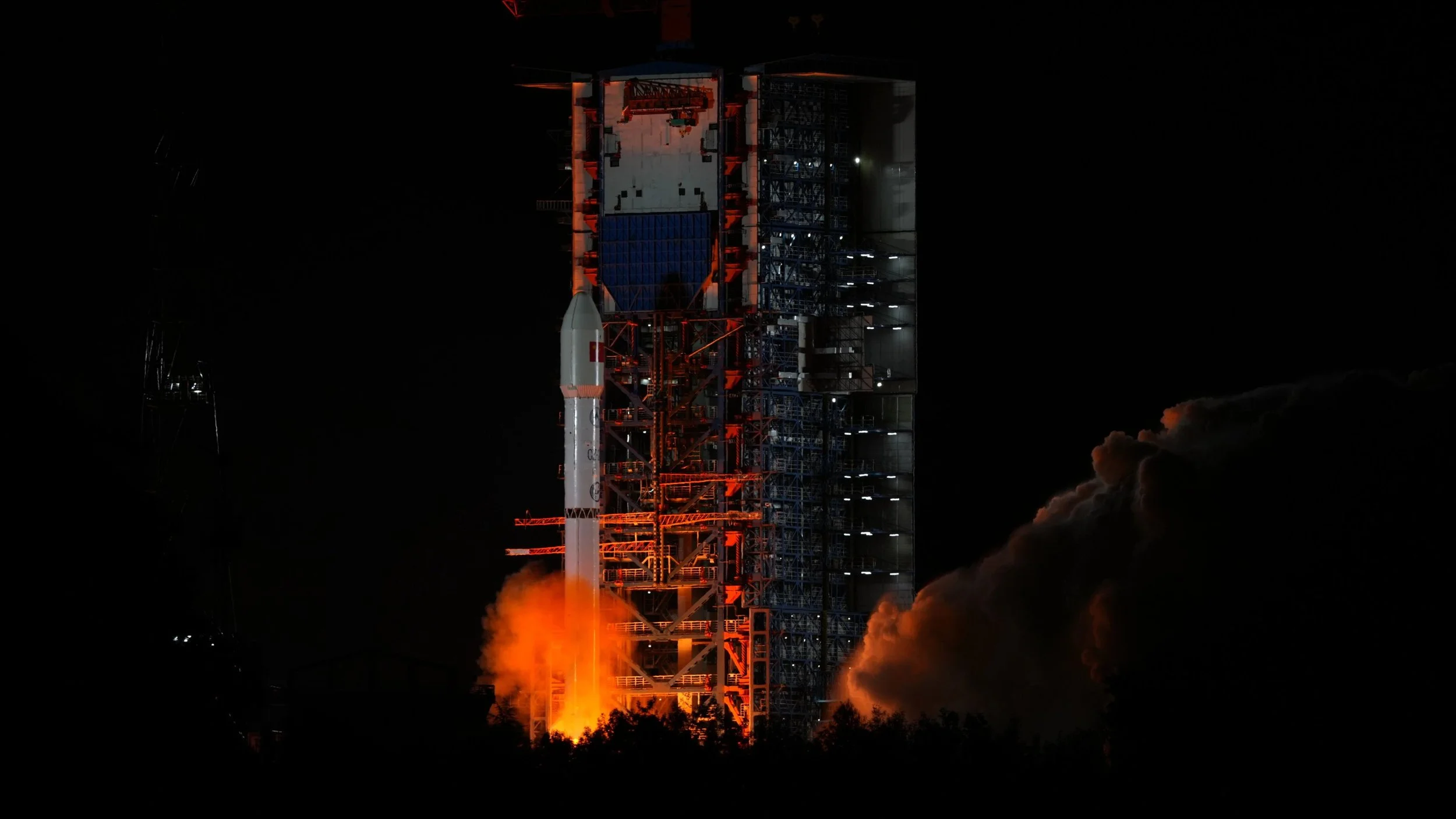
Yaogan 51 Group 07–09 | CASC
On November 5th, at 11:58 p.m. China Standard Time, China launched a Long March 2C rocket from Xichang Satellite Launch Center, carrying three Yaogan 51 remote-sensing satellites to low Earth orbit. The spacecraft will support China's expanding remote-sensing satellite network, which is used for Earth observation and other government applications.
Photo: @ChinaScience on X
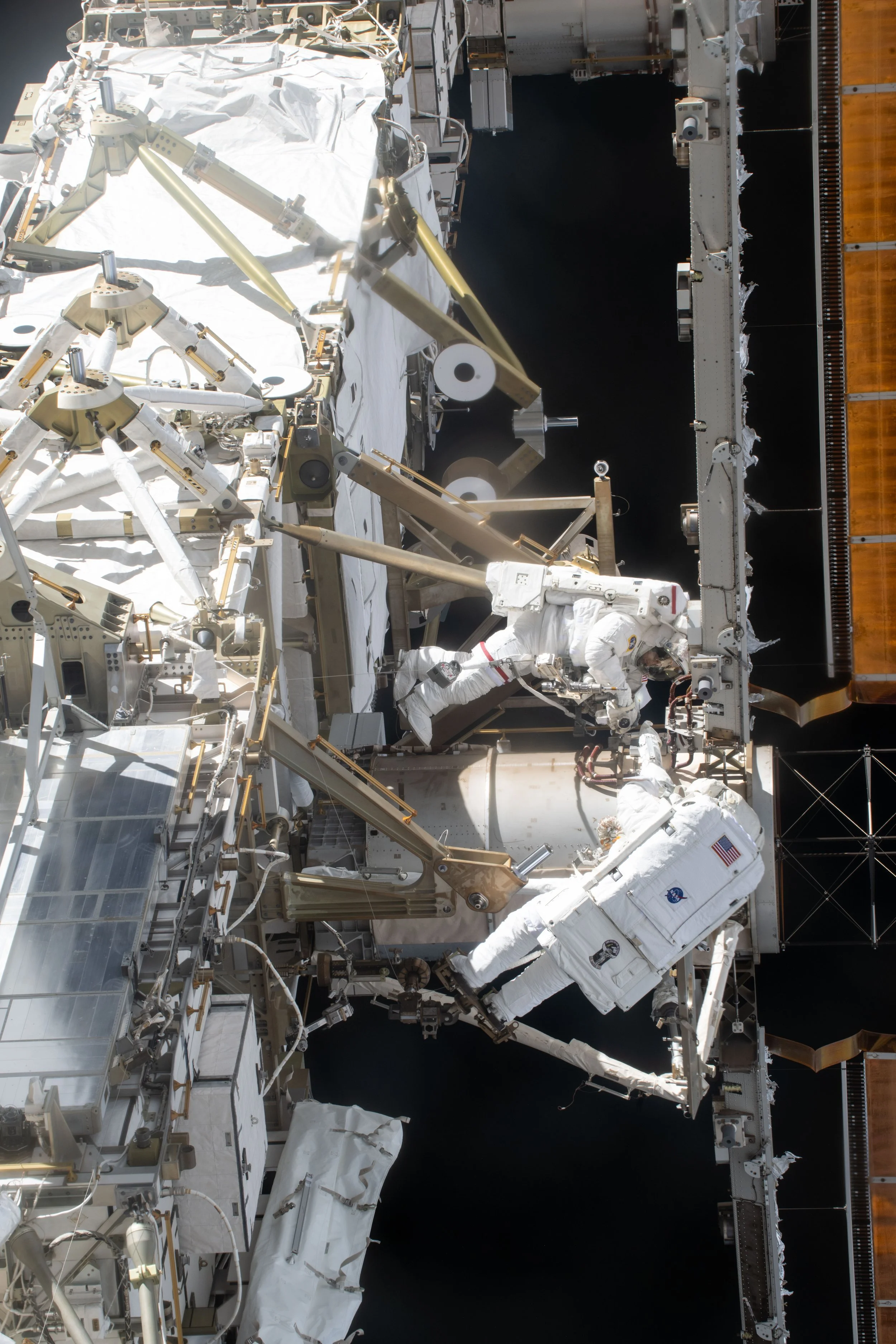
International Space Station Spacewalk | NASA / CSA
On November 5th, NASA astronaut Anil Menon and Canadian Space Agency astronaut Joshua Kutryk completed a six-hour, 59-minute spacewalk outside the International Space Station. The astronauts successfully installed and deployed the eighth and final Roll-Out Solar Array, completing a five-year effort to upgrade the station's power generation system. The additional arrays increase the station's generating capacity from approximately 160 to 215 kilowatts.
Photo: NASA
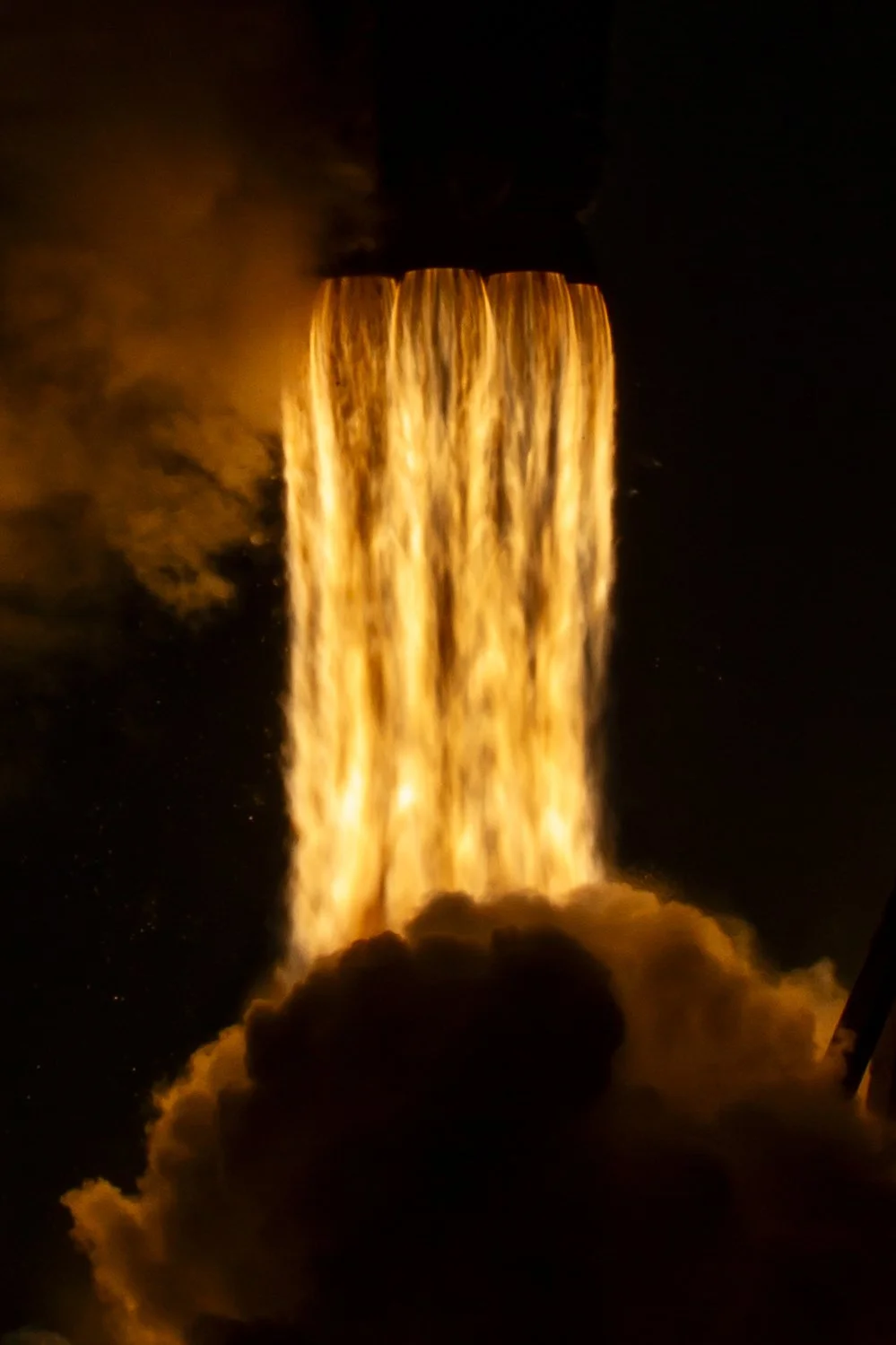
USSF-432 | SpaceX
On November 6th, at 4:48 p.m. PST, SpaceX launched a Falcon 9 from SLC-4E at Vandenberg Space Force Base in California, carrying a classified payload for the United States Space Force to low Earth orbit. Booster B1095, on its eighth flight, successfully landed on the droneship Of Course I Still Love You in the Pacific Ocean shortly after launch. The mission marked another successful national security launch for SpaceX.
Photo: SpaceX
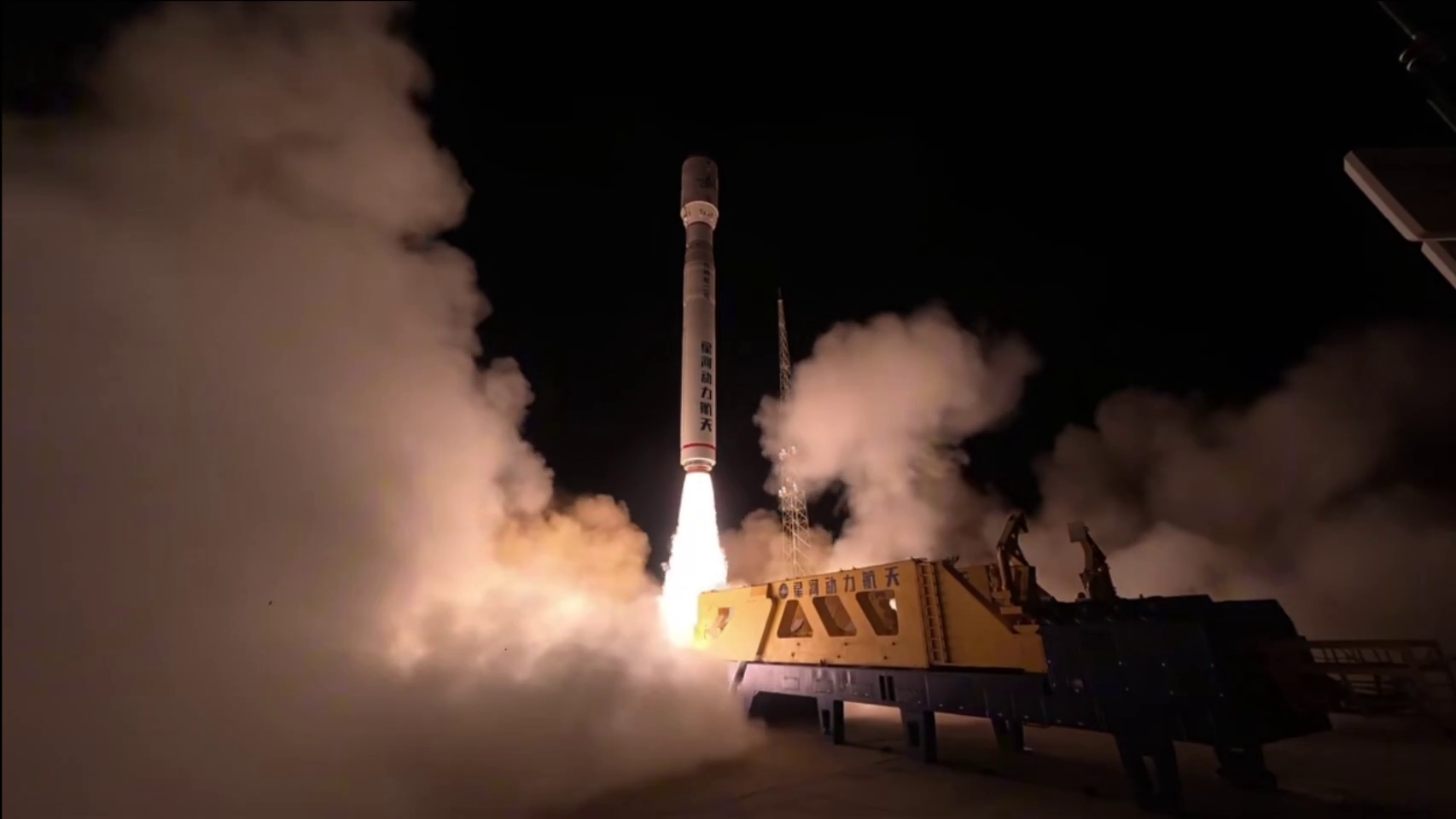
Ceres-2 | Galactic Energy
On November 7th, at 7:37 a.m. China Standard Time, Chinese commercial launch company Galactic Energy launched a Ceres-2 rocket from Jiuquan Satellite Launch Center, carrying four commercial satellites into sun-synchronous orbit. The payloads included Earth observation and technology demonstration spacecraft, continuing the company's expansion into China's commercial satellite launch market.
Photo: Galactic Energy
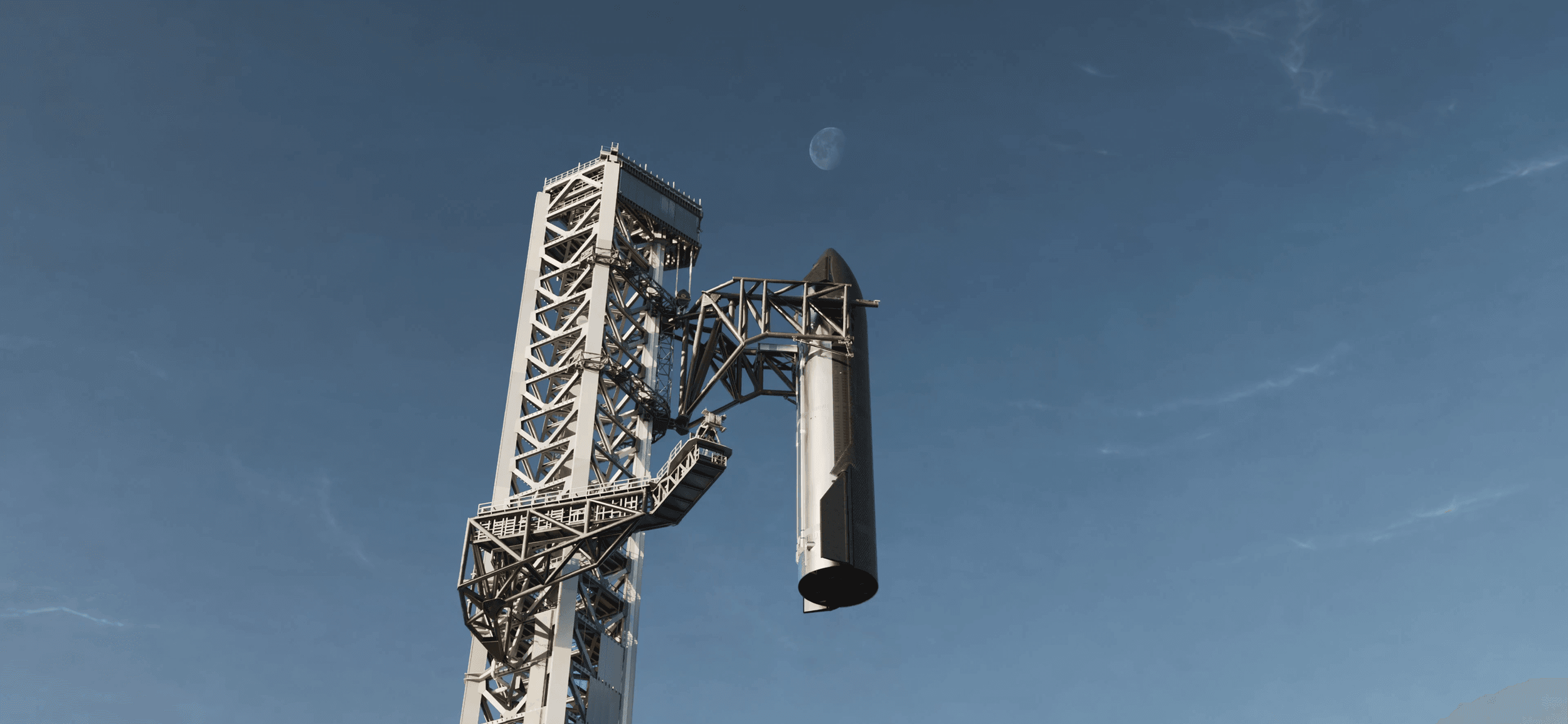
Starship Flight 15 Preparations | SpaceX
On November 7th, SpaceX announced its target of November 13th for Starship Flight 15 from Pad 2 at Starbase, Texas. The mission is expected to feature the first attempted catch of a Starship upper stage and the first catch attempt involving a Version 3 Super Heavy booster. Ship 42 and Booster 22 have both completed their static fire campaigns, with additional launch preparations continuing ahead of the flight, pending regulatory approval.
RENDER: SpaceX