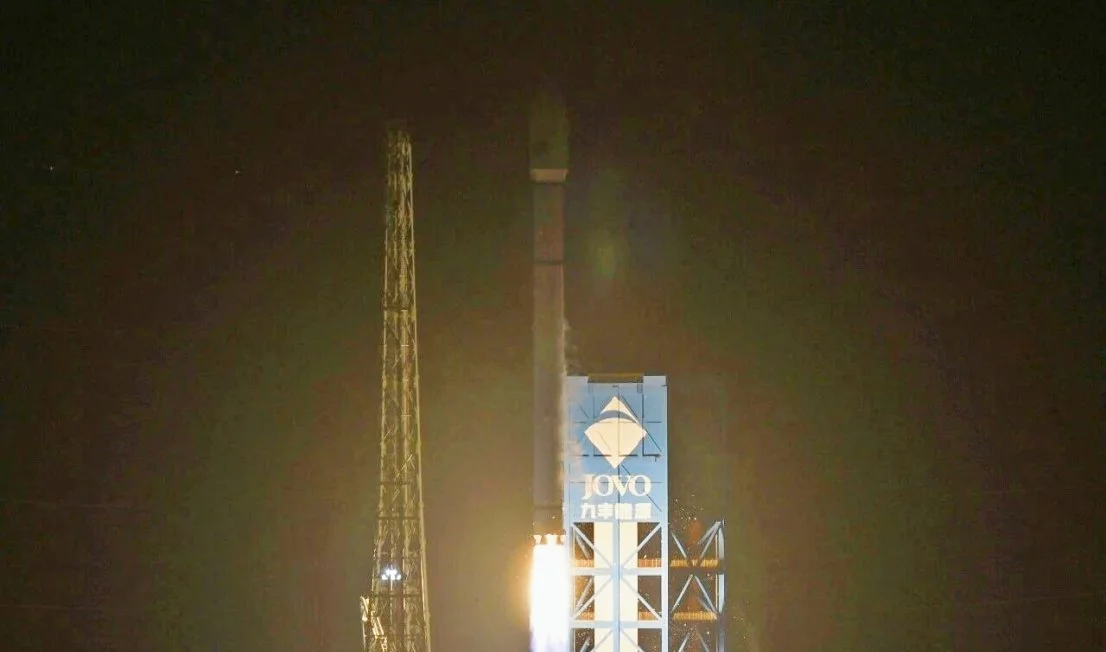
SatNet LEO Group 29 | CASC
On November 9th, at 4:24 a.m. China Standard Time, China launched a Long March 12 rocket from the Wenchang commercial launch site in Hainan, carrying another batch of Guowang broadband communications satellites to low Earth orbit. The mission continued China's expansion of its planned satellite internet constellation, which is intended to provide communications coverage through thousands of satellites.
PHOTO: Zhang Yang (张阳) - CASC
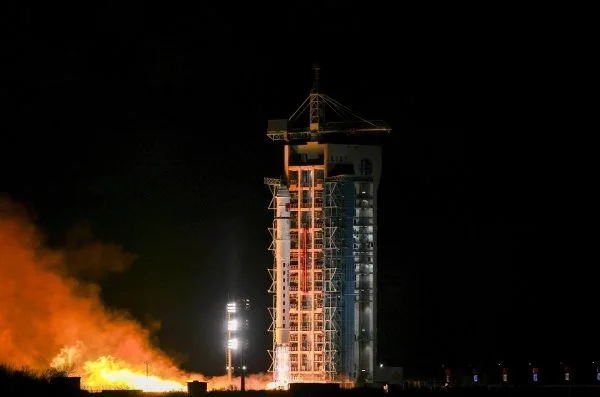
CAS Pathfinder-1 | CASC / Chinese Academy of Sciences
On November 11th, at 7:41 p.m. China Standard Time, China launched a Long March 2D rocket from Jiuquan Satellite Launch Center, carrying four experimental spacecraft for the Chinese Academy of Sciences into sun-synchronous orbit. The mission included a primary satellite and three smaller spacecraft designed to test formation flying and low-frequency radio astronomy technologies. The experiments will support China's upcoming Origins space science program.
PHOTO: Chinese Academy of Sciences / National Space Science Center
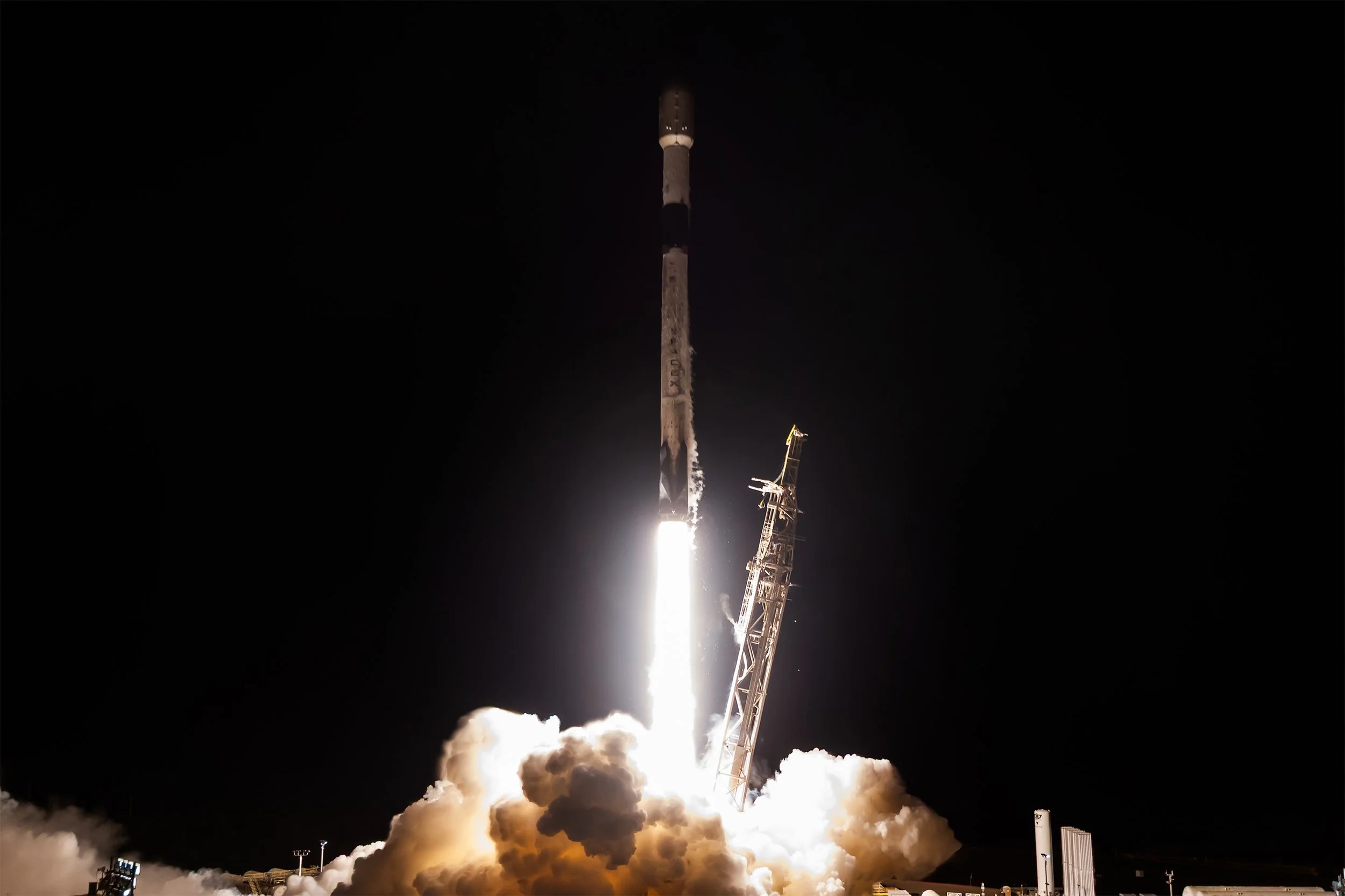
USSF-627 | SpaceX / U.S. Space Force
On November 11th, at 8:36 p.m. PST, SpaceX launched a Falcon 9 from SLC-4E at Vandenberg Space Force Base in California, carrying a classified payload for the United States Space Force to low Earth orbit. Booster B1103, on its seventh flight, successfully landed on the droneship Of Course I Still Love You in the Pacific Ocean approximately eight minutes after liftoff. The mission continued the deployment of military space systems supporting national security operations.
PHOTO: SpaceX
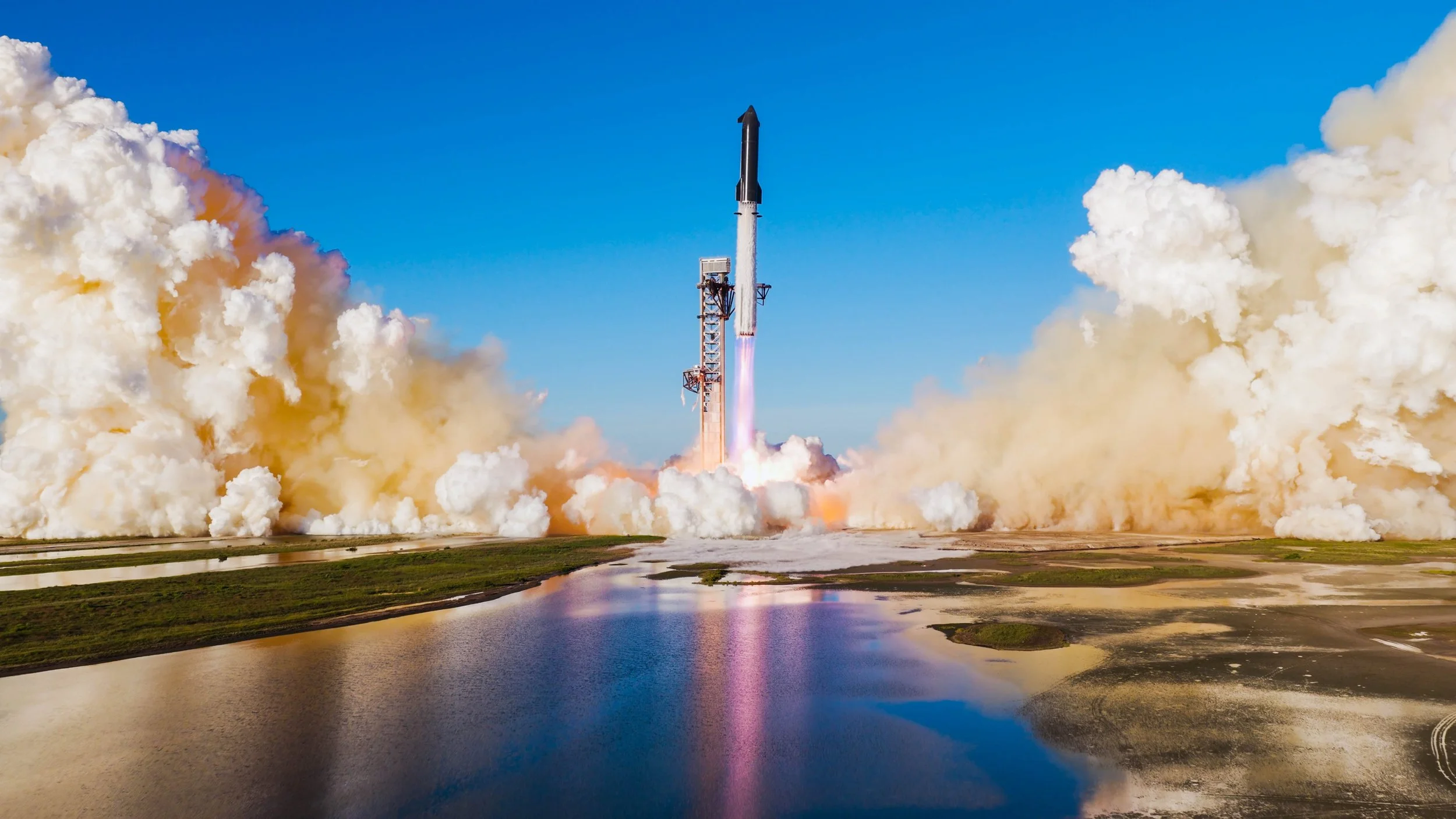
Starship Flight 15 | SpaceX
On November 13th, at 4:47 p.m. CST, SpaceX launched Starship Flight 15 from Pad 2 at Starbase, Texas, using Super Heavy Booster 22 and Starship Ship 42. The spacecraft successfully reached orbit and deployed 26 next-generation Starlink V3 satellites. Booster 22 attempted to return to the launch site but was diverted to an offshore splashdown after an automated catch abort. Following approximately 22 hours in orbit, Ship 42 successfully reentered Earth's atmosphere and returned to Starbase on November 14th, where it was caught by the launch tower's mechanical arms. The flight marked the first successful tower catch of a Starship upper stage returning from orbit, representing a major milestone toward full rocket reusability.
PHOTO: SpaceX
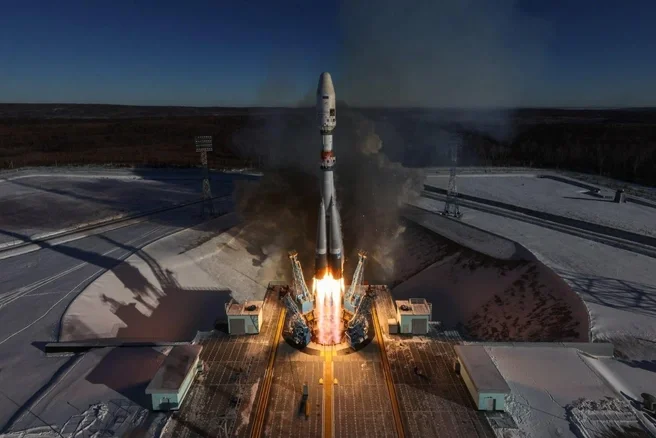
Russian Small Satellite Rideshare | Roscosmos
On November 14th, at 4:16 a.m. Moscow Standard Time, Russia launched a Soyuz 2.1b rocket with a Fregat upper stage from Vostochny Cosmodrome, carrying multiple small satellites into orbit. The payloads included Russian commercial and technology demonstration spacecraft, including Kinosputnik and KOEN satellites. The mission expanded Russia's deployment of small satellites for communications, Earth observation, and technology development.
PHOTO: Roscosmos
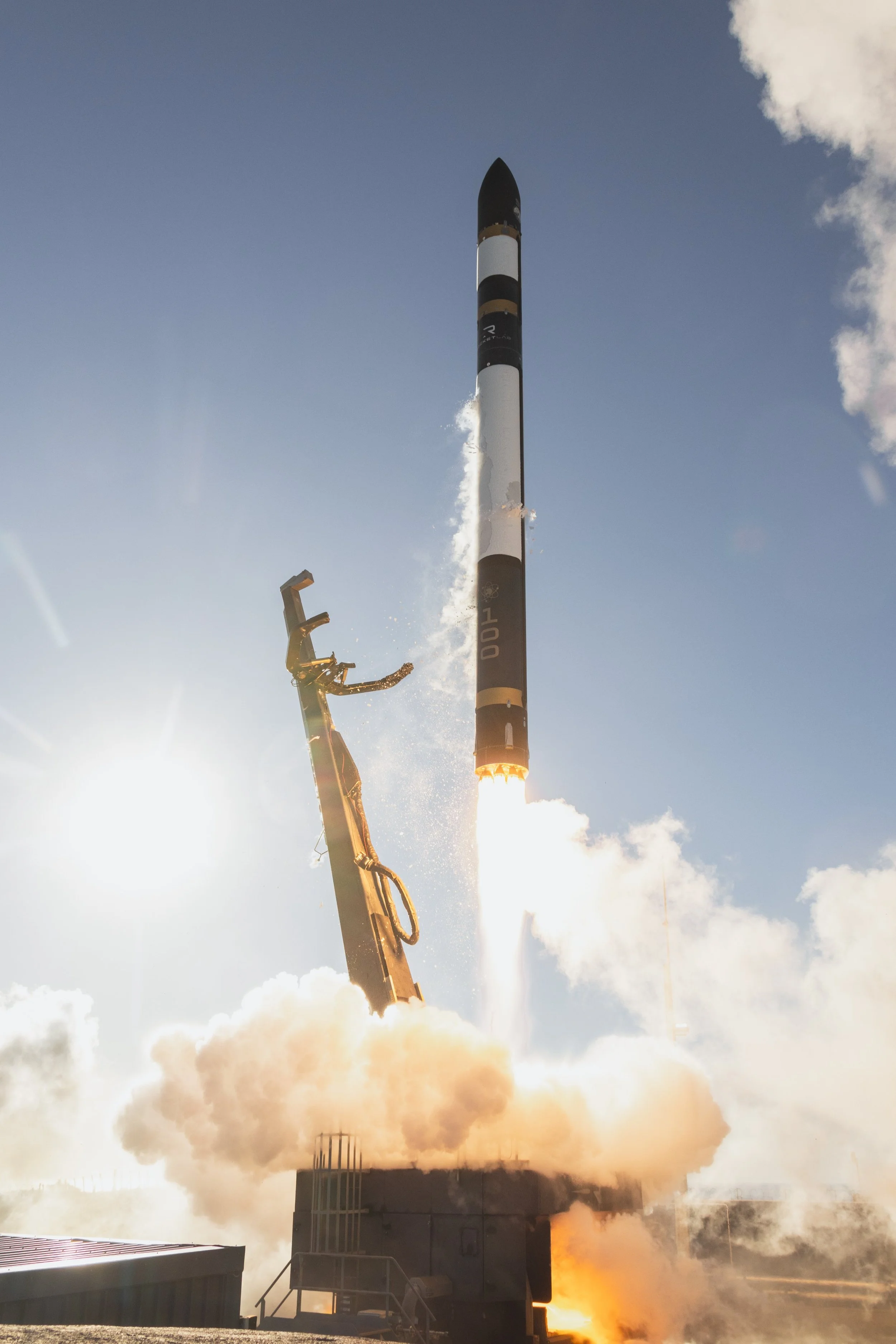
The Mountain God Rises | Rocket Lab
On November 14th, at 6:30 p.m. New Zealand Daylight Time, Rocket Lab successfully launched an Electron rocket from Launch Complex 1 on the Mahia Peninsula in New Zealand, carrying the QPS-SAR-19 radar satellite for Japanese company iQPS to low Earth orbit. The spacecraft will provide high-resolution radar imagery of Earth's surface, including observations through clouds and at night. The mission marked Rocket Lab's 100th Electron launch since the rocket's debut in 2017.
PHOTO: RocketLab
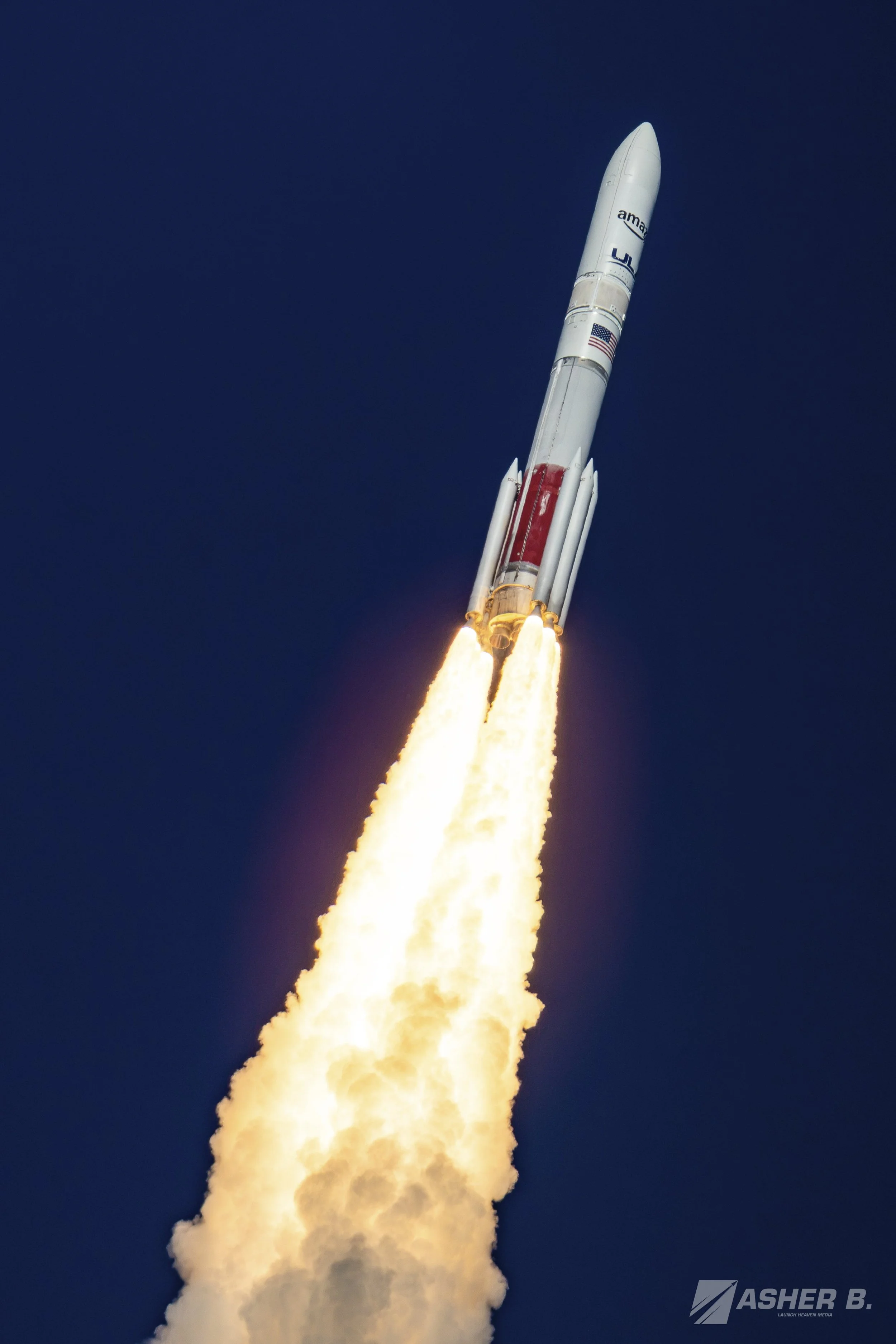
Amazon Leo LV-01 | United Launch Alliance
On November 15th, at 12:40 p.m. EST, United Launch Alliance launched a Vulcan Centaur rocket from SLC-41 at Cape Canaveral Space Force Station in Florida, carrying 40 Amazon Leo broadband satellites. Approximately 10 minutes into flight, the rocket suffered an anomaly and failed to deliver its payload to orbit. Preliminary investigations identified insufficient fuel delivery to the first-stage BE-4 engines as the likely cause of reduced booster performance. ULA and the Federal Aviation Administration are investigating the failure before the vehicle returns to flight.
PHOTO: Asher B. For Launch Heaven Media
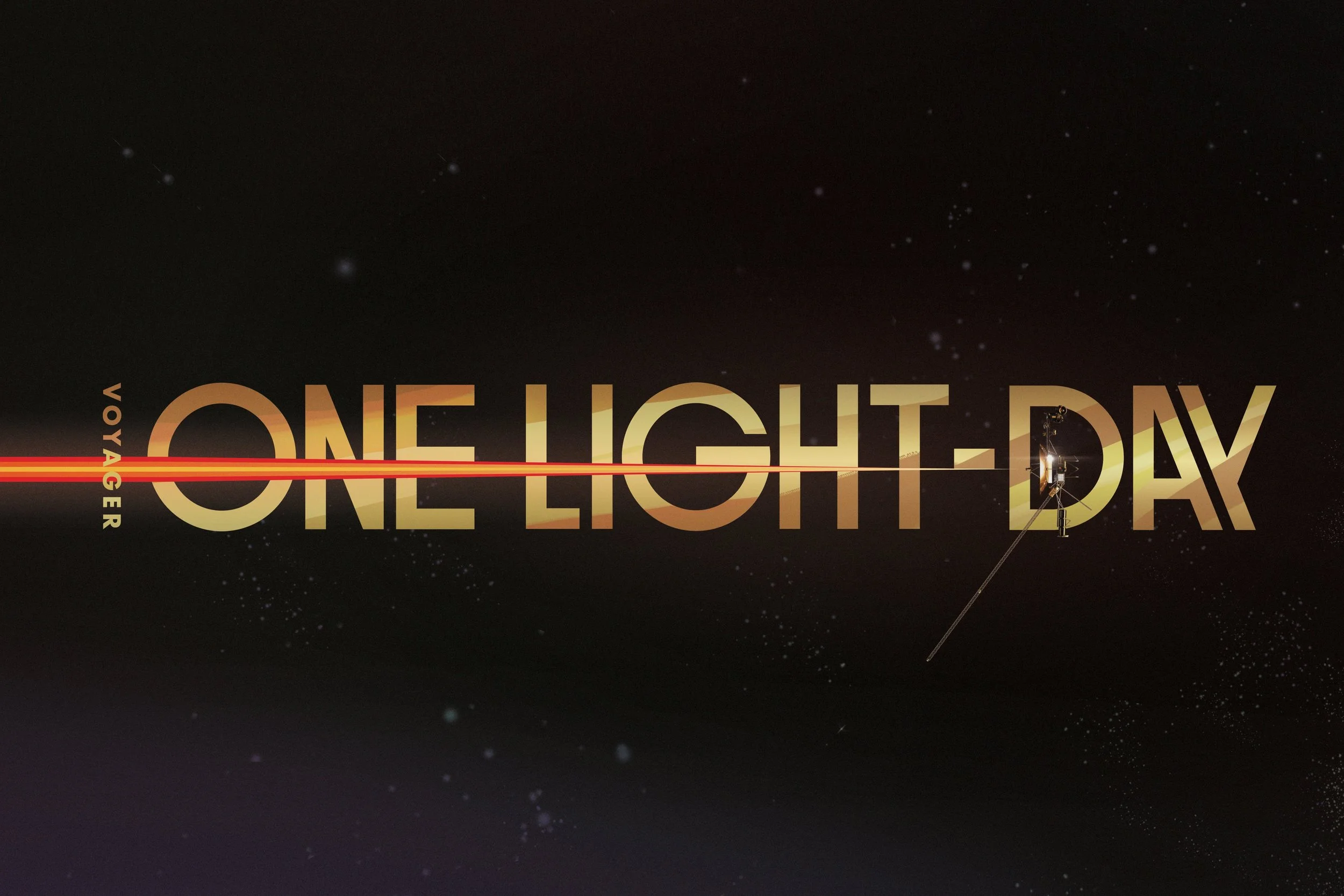
Voyager 1 Reaches One Light-Day | NASA
On November 18th, at approximately 2:16 a.m. PST, NASA's Voyager 1 spacecraft became the first human-made object to reach a distance of one light-day from Earth, approximately 16.1 billion miles or 25.9 billion kilometers away. Launched in September 1977, the spacecraft has traveled through interstellar space since 2012 and continues to hold the record as humanity's most distant spacecraft. At this distance, radio signals traveling at the speed of light take approximately 24 hours to reach Voyager 1 from Earth.
PHOTO: NASA
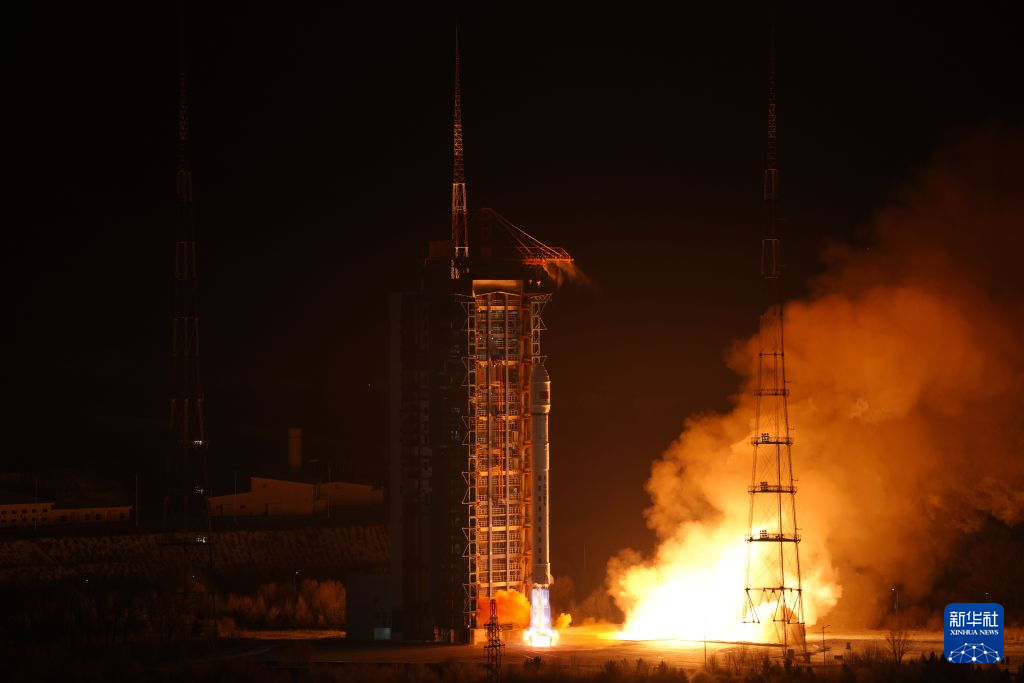
Shijian 24 | CASC
On November 19th, at 6:51 a.m. China Standard Time, China launched a Long March 2D rocket from Taiyuan Satellite Launch Center, carrying the Shijian 24 satellite into sun-synchronous orbit. The spacecraft is part of China's Shijian series of experimental satellites, which are used to demonstrate and validate new space technologies. Limited information has been released regarding the spacecraft's specific experiments and operational objectives.
PHOTO: Wang Yapeng / Xinhua News Agency
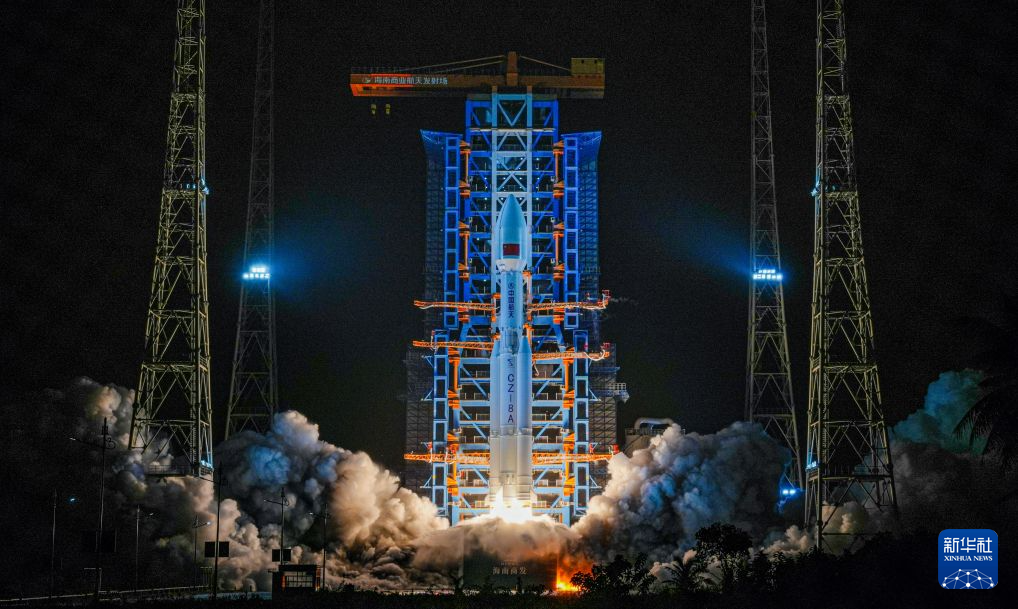
SatNet LEO Group 30 | CASC
On November 20th, at 7:59 p.m. China Standard Time, China successfully launched a Long March 8A rocket from the Wenchang commercial launch site in Hainan, carrying nine Guowang communications satellites to low Earth orbit. The satellites will join China's expanding state-operated broadband constellation, designed to provide global internet connectivity through thousands of spacecraft. The mission marked another successful deployment in China's satellite communications program.
PHOTO: Liu Jianqiu / Xinhua News Agency
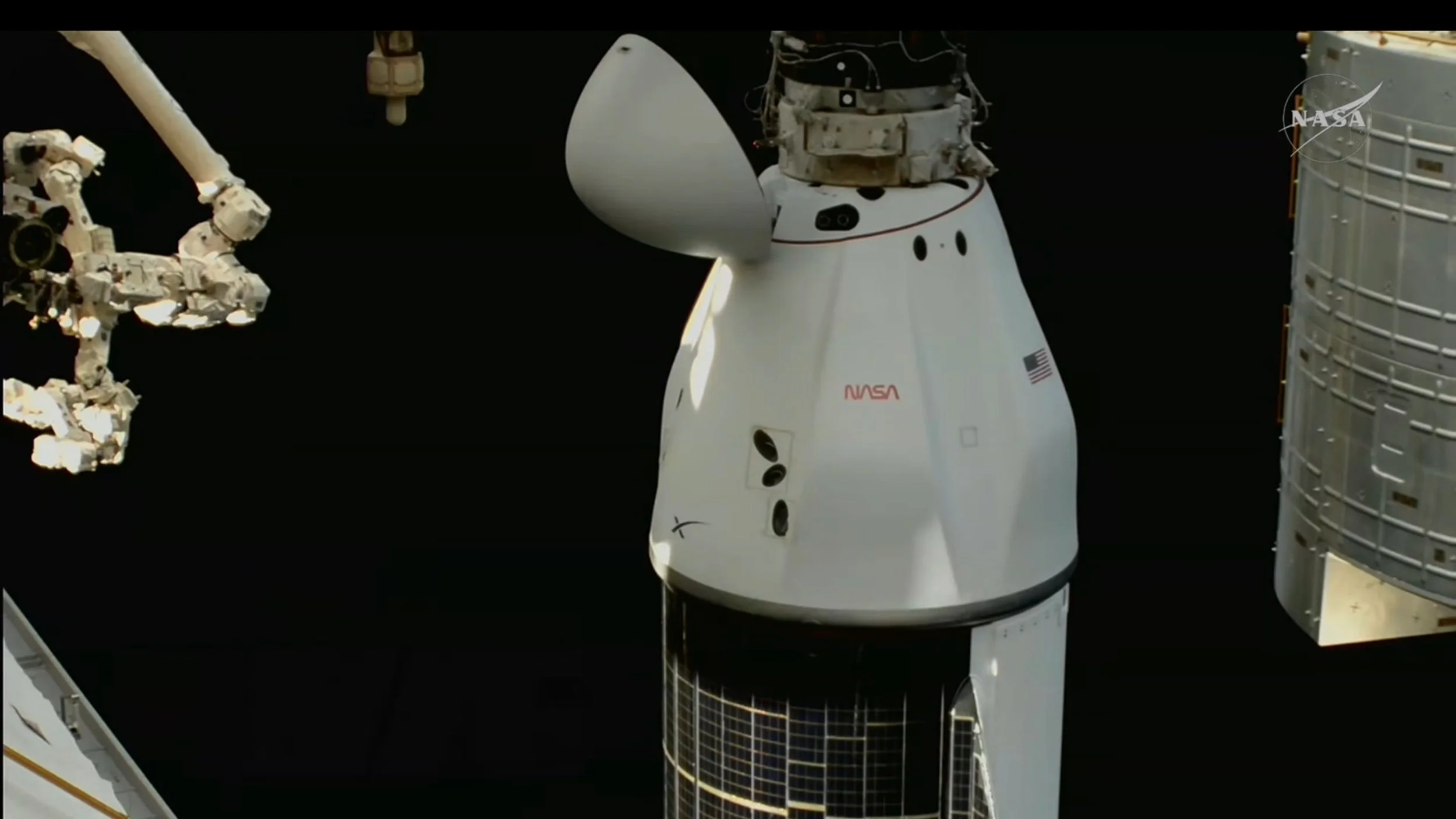
CRS-35 Dragon Departure | NASA / SpaceX
On November 20th, at 12:05 p.m. EST, SpaceX's Cargo Dragon spacecraft autonomously undocked from the space-facing port of the Harmony module aboard the International Space Station. The spacecraft departed after spending more than a month at the orbiting laboratory following its October 13th launch. Dragon carried scientific experiments and research samples back to Earth, including biological specimens, 3D-bioprinted blood vessel structures, and equipment used aboard the station.
PHOTO: NASA
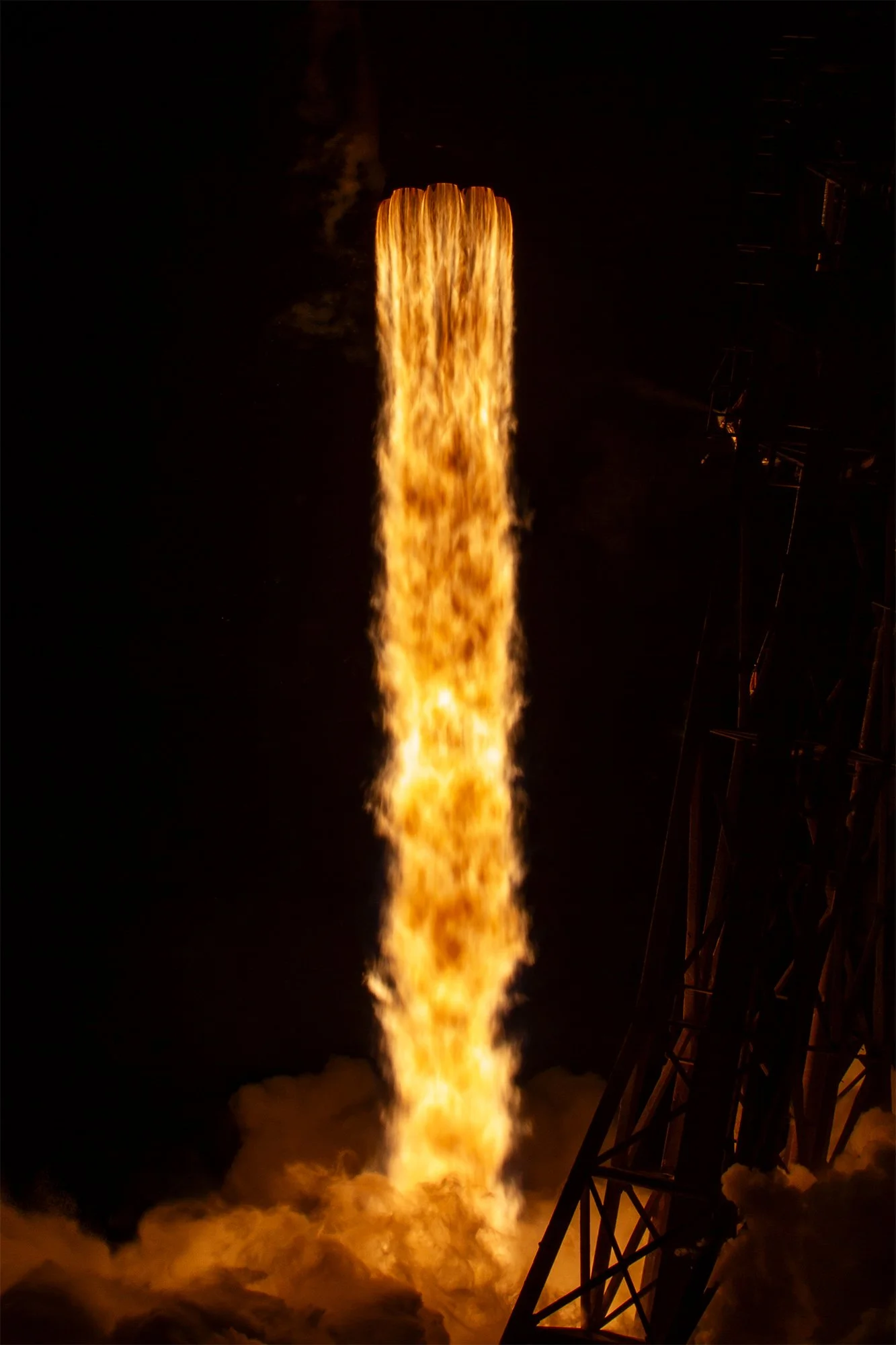
USSF-317 | SpaceX / U.S. Space Force
On November 20th, at 8:20 p.m. PST, SpaceX launched a Falcon 9 from SLC-4E at Vandenberg Space Force Base in California, carrying a classified payload for the United States Space Force to low Earth orbit. Booster B1100, on its 11th flight, successfully landed on the droneship Of Course I Still Love You in the Pacific Ocean shortly after launch. The mission continued SpaceX's support of U.S. military satellite deployments.
PHOTO: SpaceX
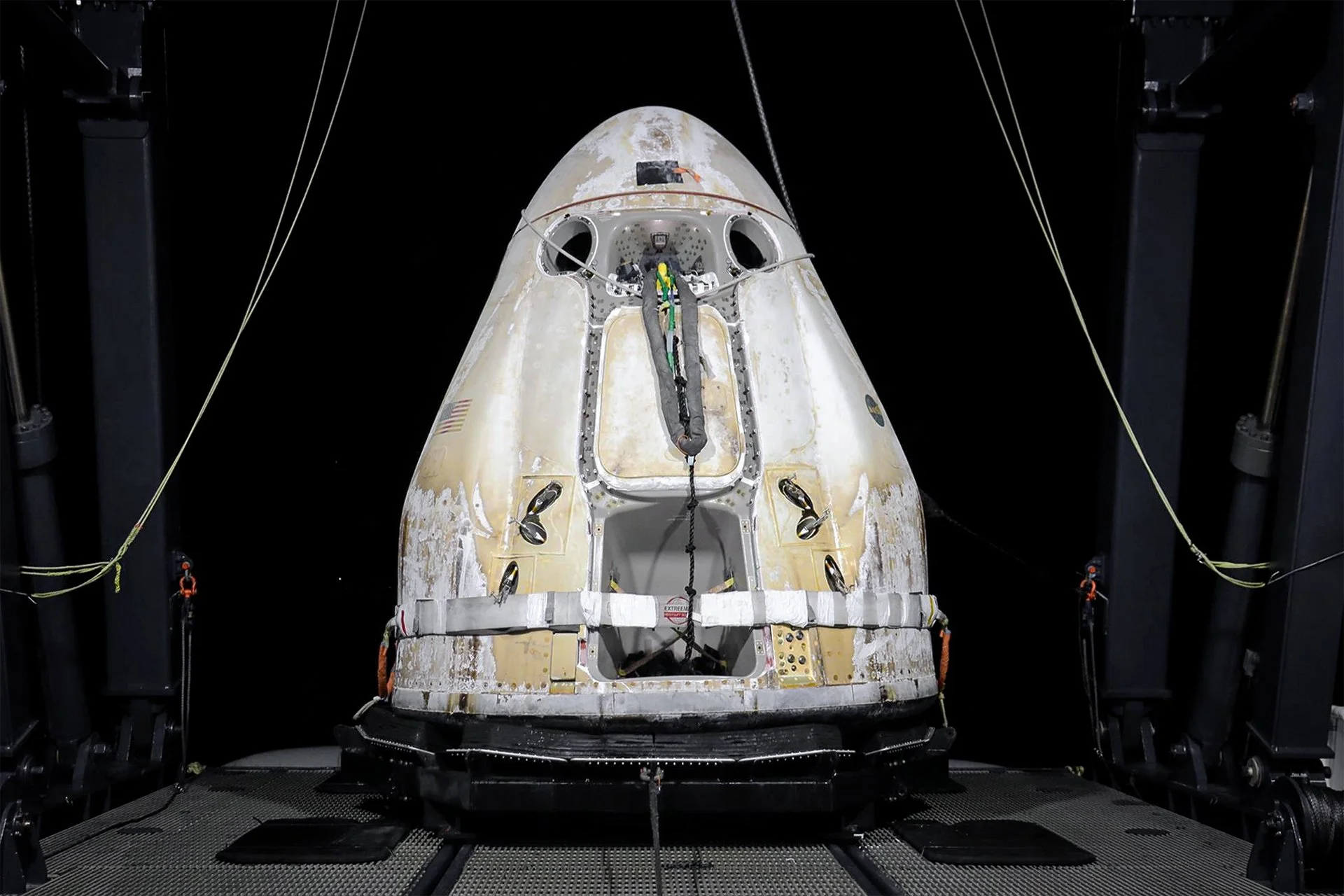
CRS-35 Dragon Splashdown | NASA / SpaceX
On November 21st, at 2:03 p.m. PST, SpaceX's Cargo Dragon spacecraft successfully splashed down in the Pacific Ocean off the coast of Los Angeles, California, completing NASA's 35th commercial resupply mission with SpaceX. The spacecraft returned important scientific samples from the International Space Station, including experiments involving cardiovascular research, antibiotic-resistant bacteria, and cancer studies. The returning materials will allow researchers to analyze the effects of microgravity and support future space exploration.
PHOTO: SpaceX (OLD IMAGE // CRS-21)
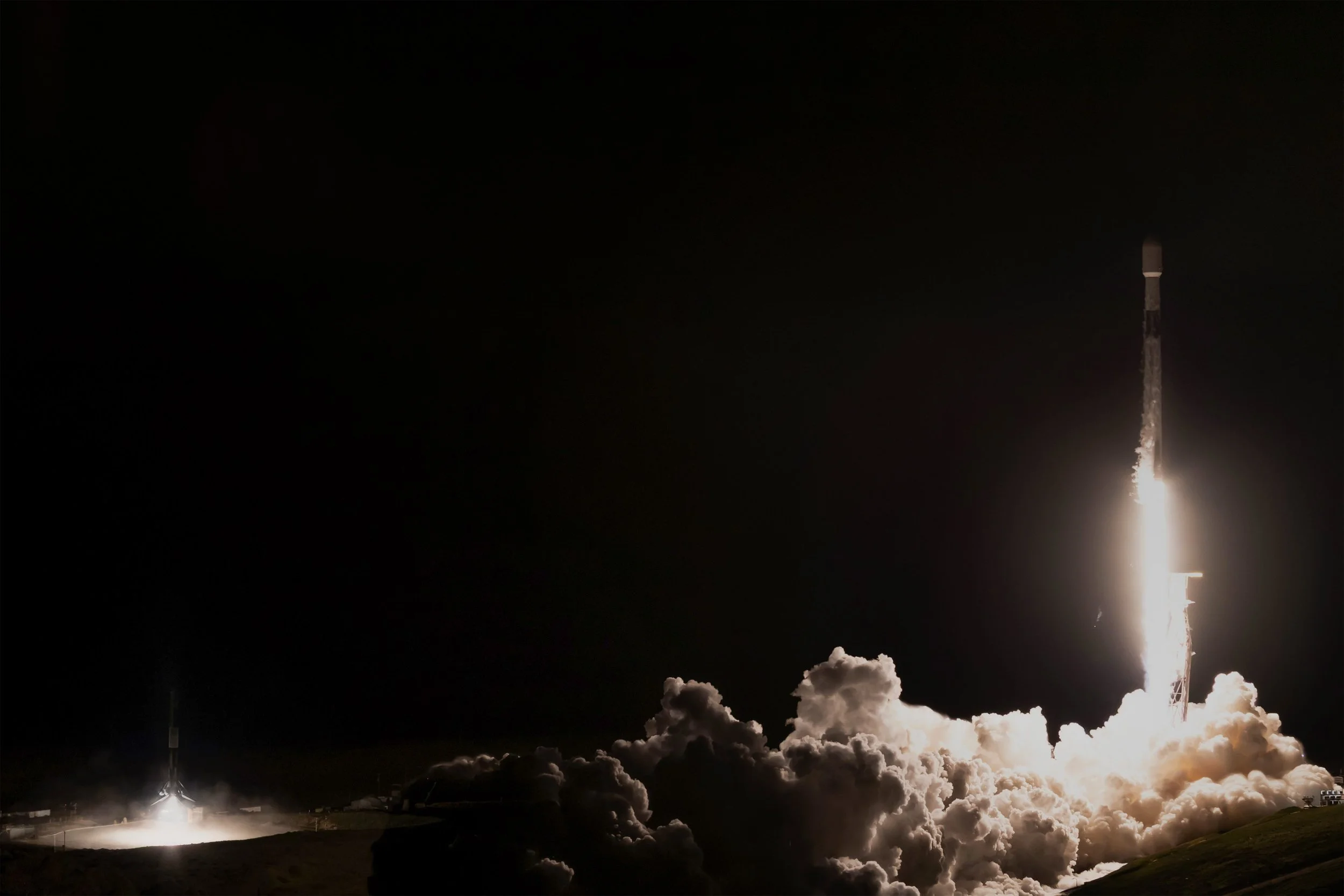
NROL-136 | SpaceX / National Reconnaissance Office
On November 22nd, at 4:23 a.m. PST, SpaceX launched a Falcon 9 from SLC-4E at Vandenberg Space Force Base in California, carrying a classified payload for the National Reconnaissance Office to low Earth orbit. Booster B1097, on its 14th flight, successfully landed at Landing Zone 4 approximately eight minutes after liftoff. The mission continued the deployment of the NRO's proliferated satellite architecture and marked SpaceX's fastest turnaround between launches from SLC-4E, with just over 32 hours separating liftoffs.
PHOTO: SpaceX