Weekly Spaceflight Update: October 11 - October 19th
Starlink 15-25 | SpaceX
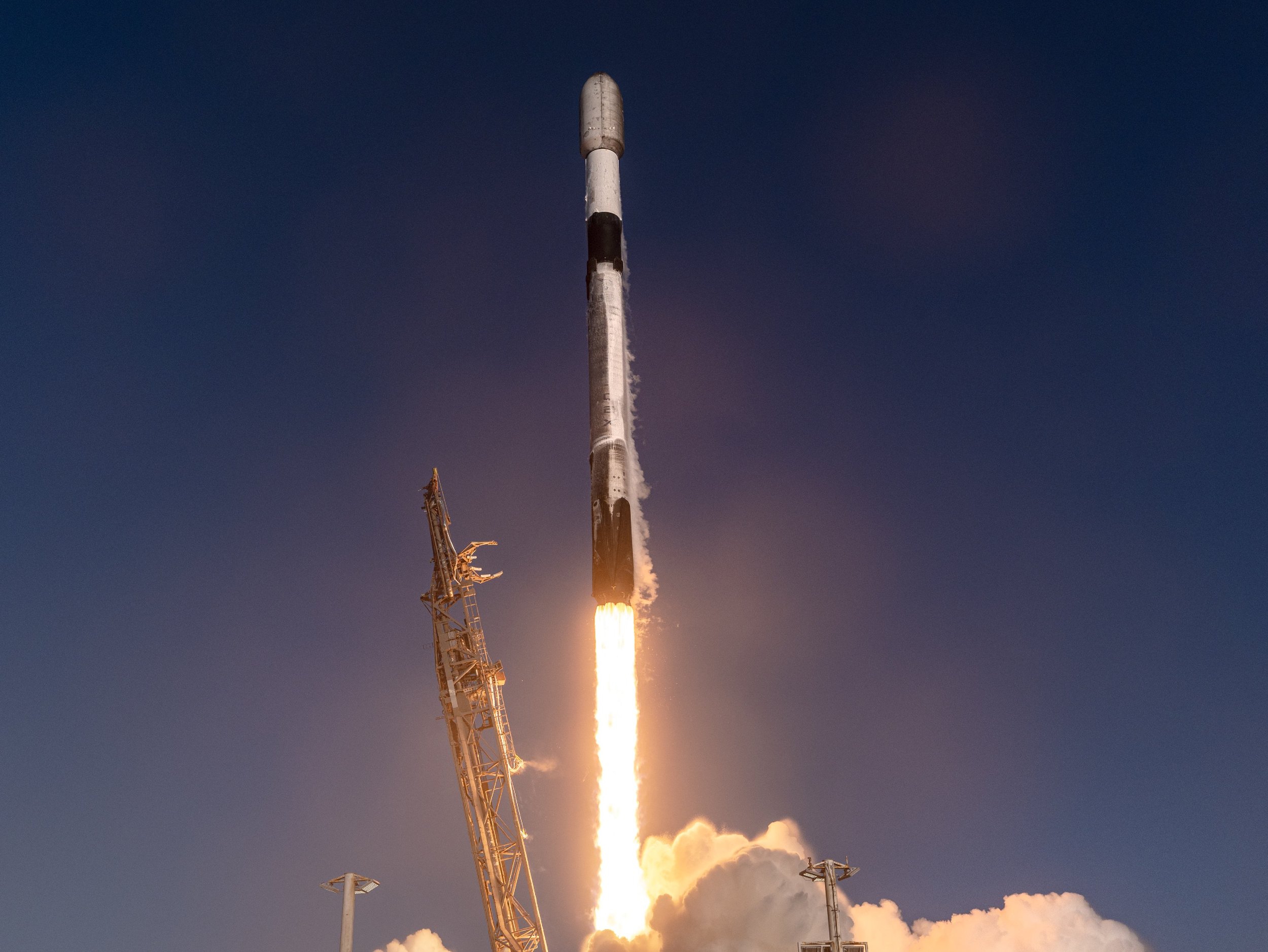
On October 12th, at 5:28 p.m. PDT, SpaceX launched a Falcon 9 from SLC-4E at Vandenberg Space Force Base in California, carrying 27 Starlink satellites to low Earth orbit. Booster B1088, on its 20th flight, successfully landed on the droneship Of Course I Still Love You in the Pacific Ocean shortly after launch. The mission marked SpaceX's first Falcon 9 Starlink launch in more than three weeks.
Photo: SpaceX
CRS-35 | NASA / SpaceX
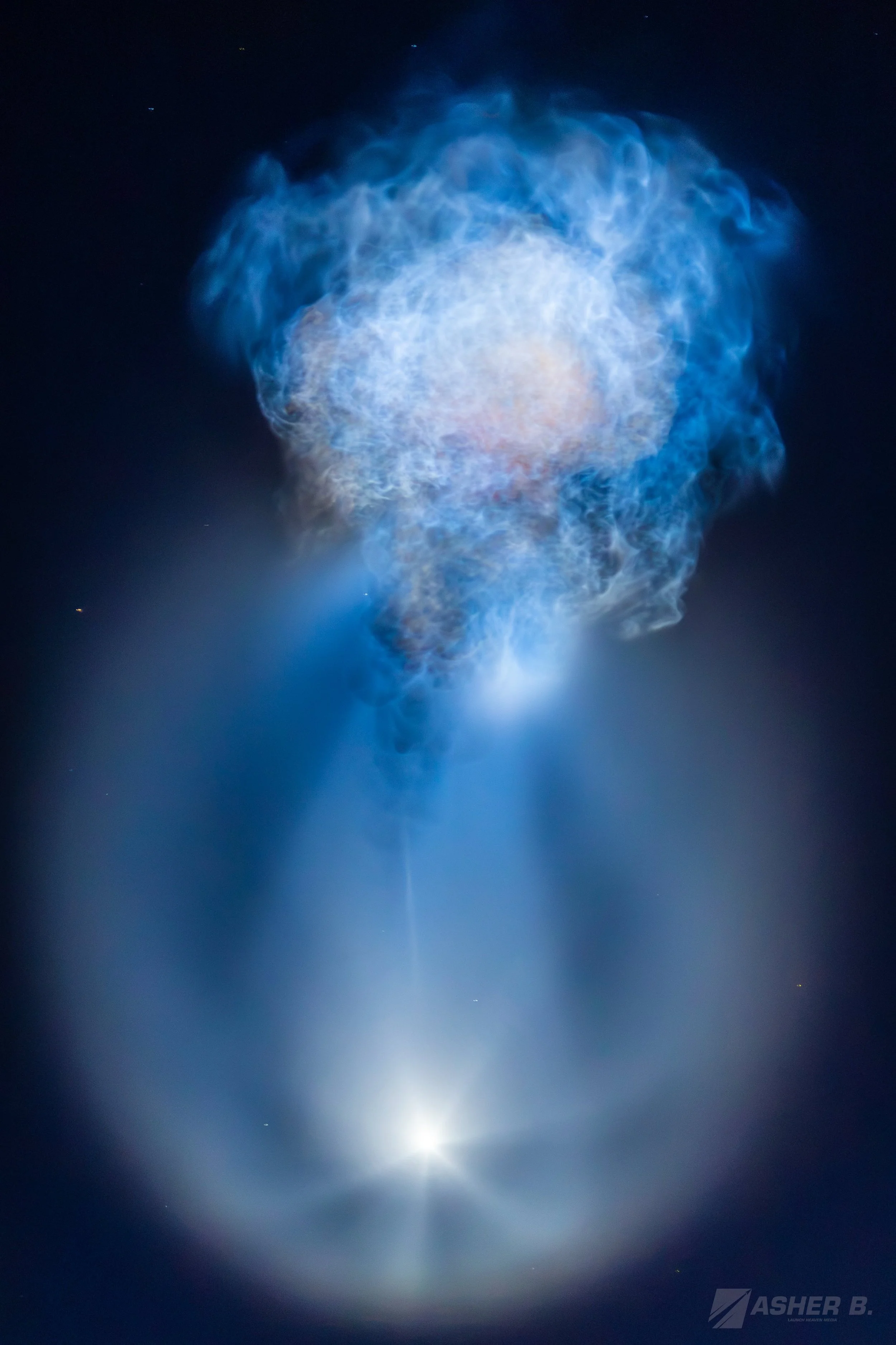
On October 13th, at 6:33 a.m. EDT, SpaceX launched a Falcon 9 from SLC-40 at Cape Canaveral Space Force Station in Florida, carrying a Cargo Dragon spacecraft to the International Space Station. The spacecraft was loaded with more than 6,300 pounds of scientific experiments, supplies, and equipment, including the final pair of upgraded solar arrays for the station. The early morning launch also produced an illuminated exhaust plume visible across portions of the eastern United States.
Photo: Asher B. For Launch Heaven Media
Zhuque-2E | LandSpace
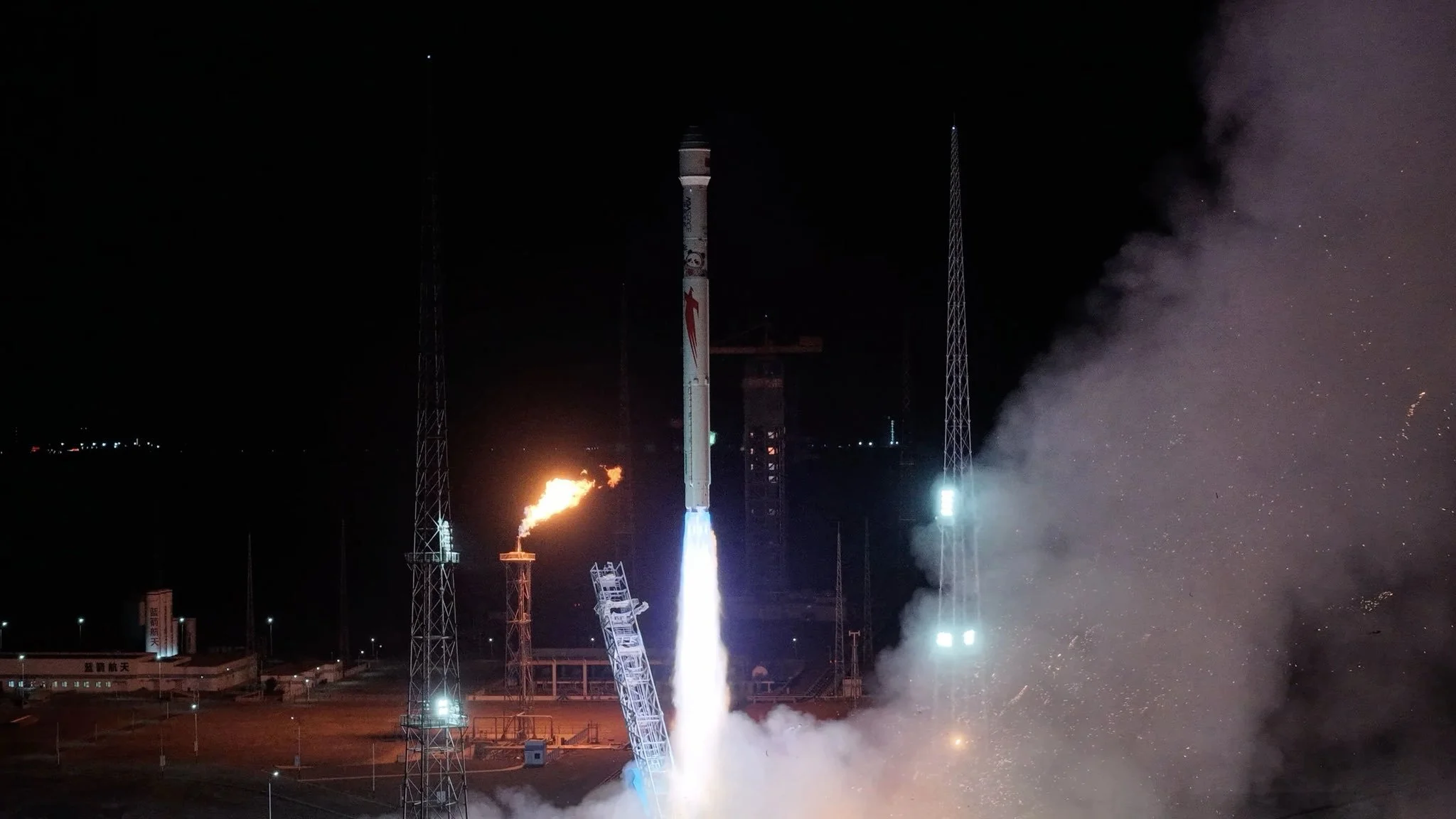
On October 14th, at 7:40 p.m. China Standard Time, Chinese commercial launch company LandSpace successfully launched a Zhuque-2E rocket from Jiuquan Satellite Launch Center in China, carrying 10 satellites to sun-synchronous orbit. The payloads included eight spacecraft for ADA Space and two Guangchuan technology demonstration satellites designed to test communications and other satellite systems in orbit.
Photo: LandSpace
CRS-35 Dragon Docking | NASA / SpaceX
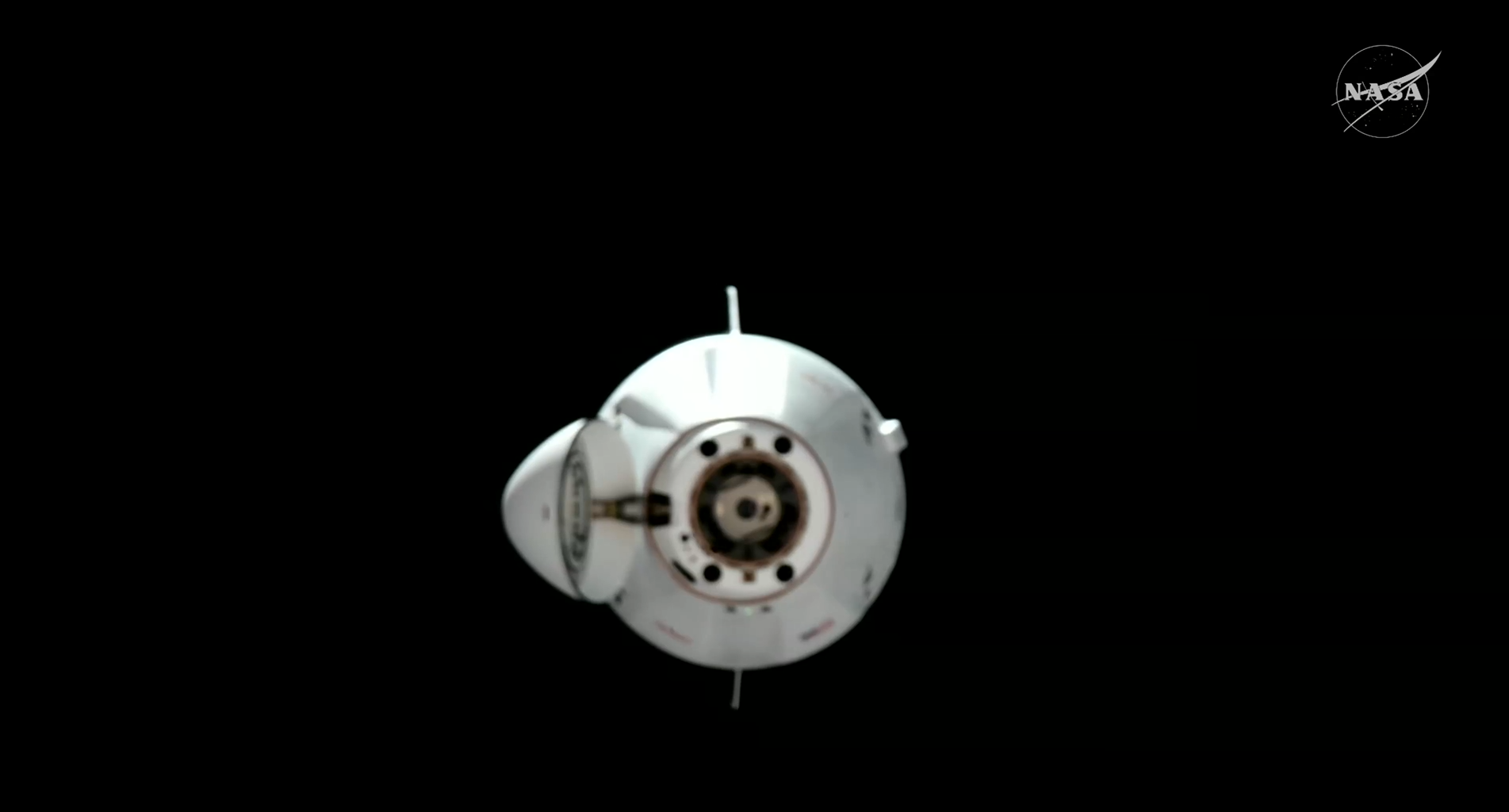
On October 15th, at 10:27 a.m. EDT, SpaceX's Cargo Dragon spacecraft successfully docked with the International Space Station after launching from Florida two days earlier. The spacecraft autonomously approached the Harmony module, delivering more than 6,300 pounds of cargo, including science experiments, station maintenance equipment, and the final pair of Roll-Out Solar Arrays. The new arrays will help increase the station's electrical power capacity once installed by astronauts during future spacewalks.
Photo: NASA/SpaceX
USSF-481 | SpaceX / U.S. Space Force
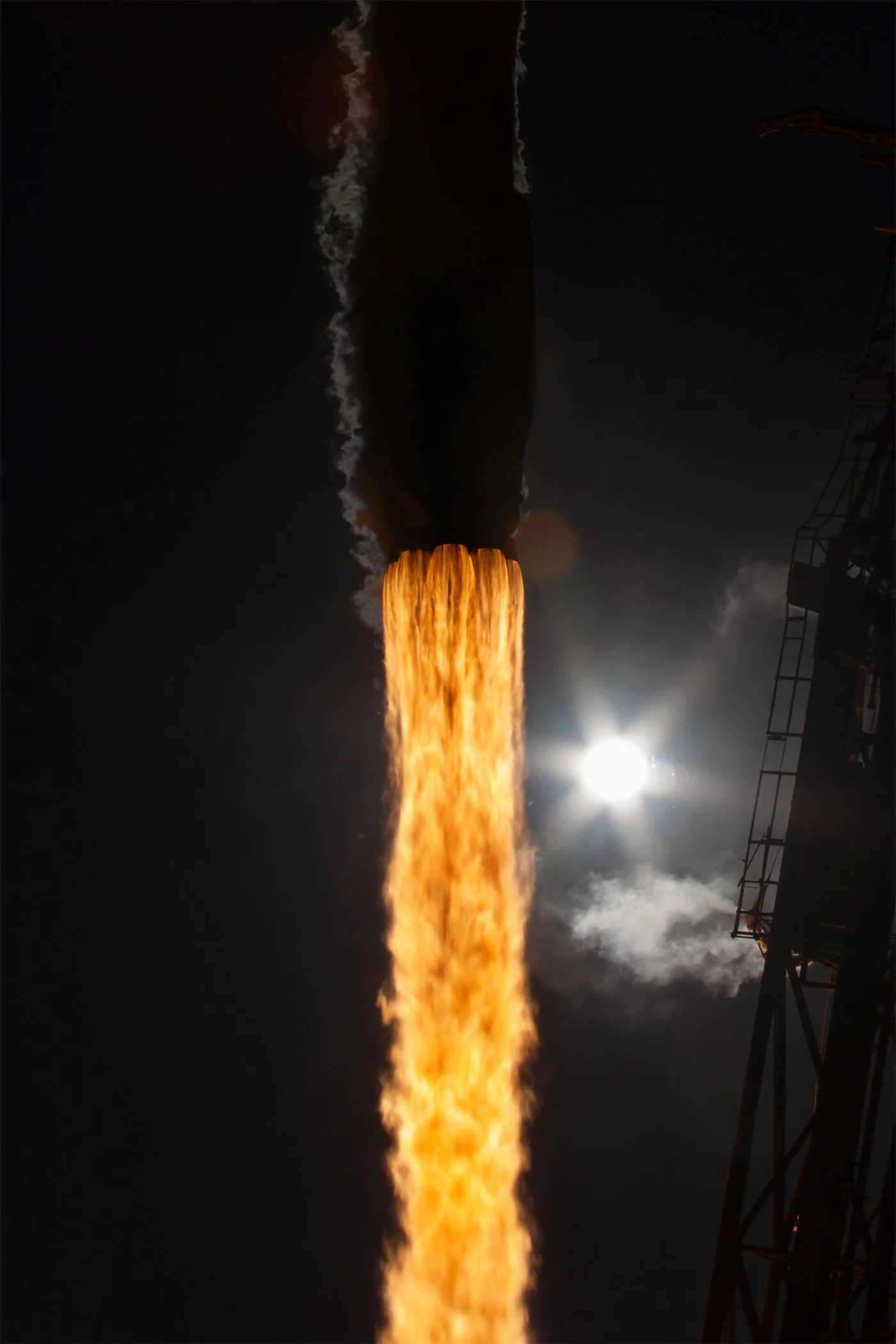
On October 15th, at 5:01 p.m. PDT, SpaceX launched a Falcon 9 from SLC-4E at Vandenberg Space Force Base in California, carrying a classified payload for the United States Space Force. Booster B1081, on its 28th flight, successfully landed on the droneship Of Course I Still Love You in the Pacific Ocean approximately eight minutes after liftoff. Details about the spacecraft and its mission remain classified.
Photo: SpaceX

New Glenn Production Expansion | Blue Origin
On October 16th, Blue Origin announced a major expansion of its rocket manufacturing infrastructure in Florida, including a $330 million investment in its Rocket Park facility near Kennedy Space Center. The new manufacturing capabilities are intended to support production of up to 150 New Glenn upper stages annually by the summer of 2027. Blue Origin says the expansion is part of a broader effort to support multiple launches per week by the end of the decade.
RENDER: Blue Origin
Starship Ship 40 Recovery Milestone | SpaceX
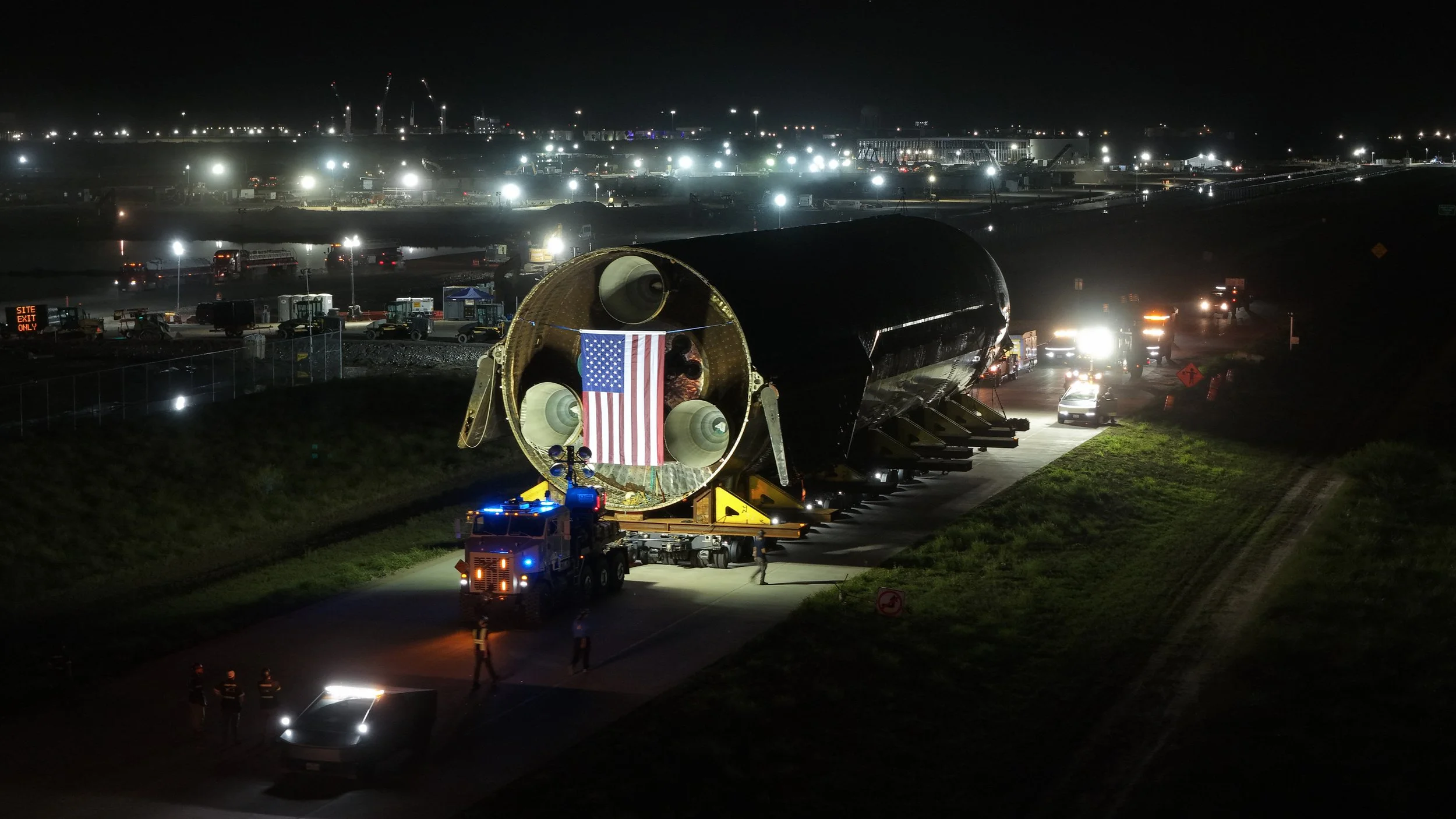
Following its return to Starbase in South Texas, Starship Ship 40 remains an important milestone in SpaceX's vehicle recovery efforts. Ship 40 survived its July Flight 13 mission and controlled Indian Ocean splashdown before being recovered and transported to the Port of Brownsville aboard the vessel Forte. The spacecraft is now back at Starbase, where engineers can examine its heat shield, Raptor engines, and other flight hardware to support future Starship development.
Photo: SpaceX
Martian Moons eXploration (MMX) | JAXA
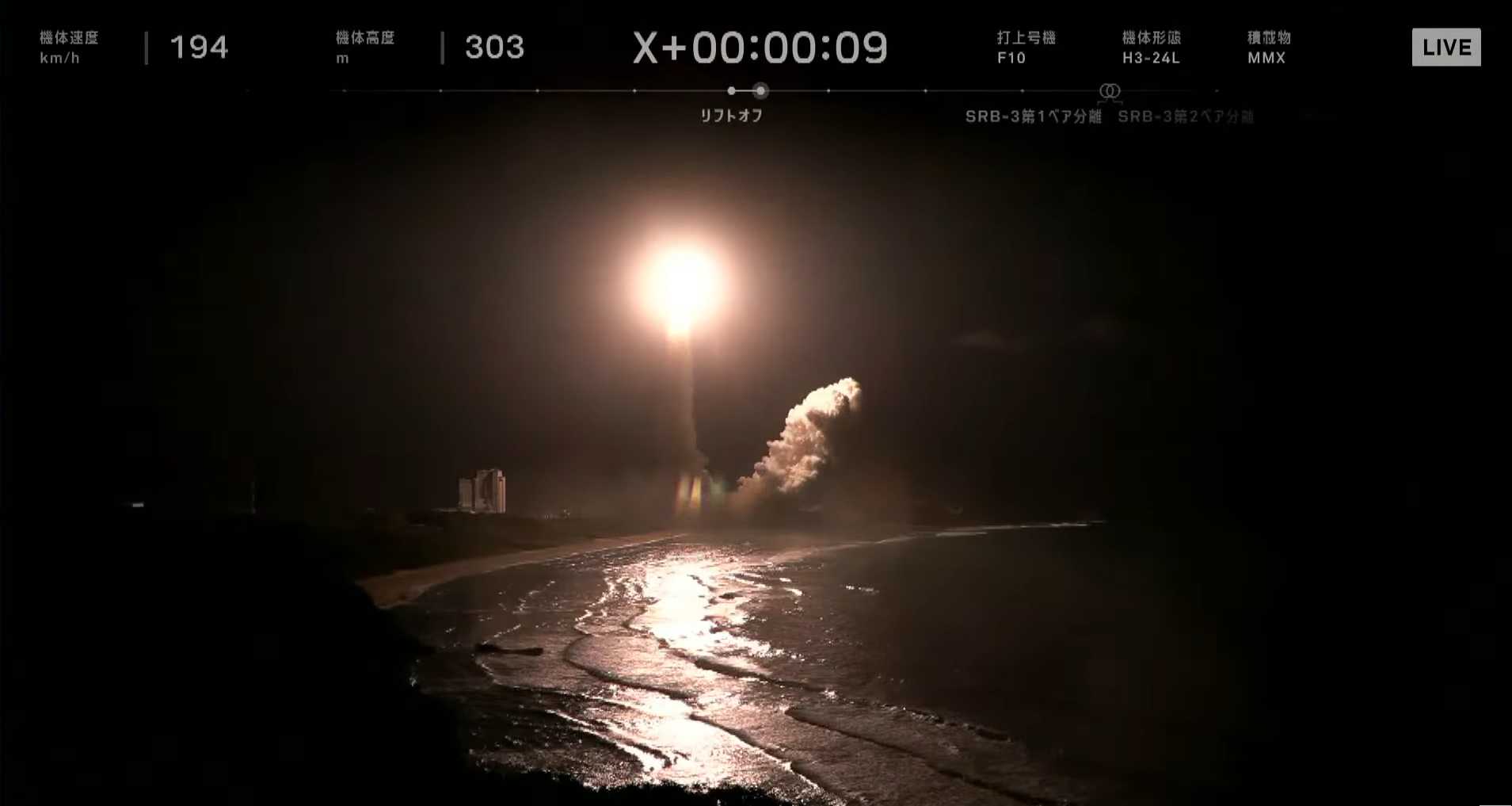
On October 20th, at 4:41 a.m. Japan Standard Time, Japan launched an H3 rocket from Tanegashima Space Center, carrying the Martian Moons eXploration spacecraft on a mission to study Mars' moons, Phobos and Deimos. The spacecraft is expected to arrive at Mars in 2027, deploy a small rover onto Phobos, and collect surface samples for return to Earth in 2031. The mission marked Japan's first interplanetary launch aboard the H3 rocket and aims to provide new insight into the origins of Mars' moons and the early solar system.
Photo: JAXA