Weekly Spaceflight Update: September 15 - September 20th
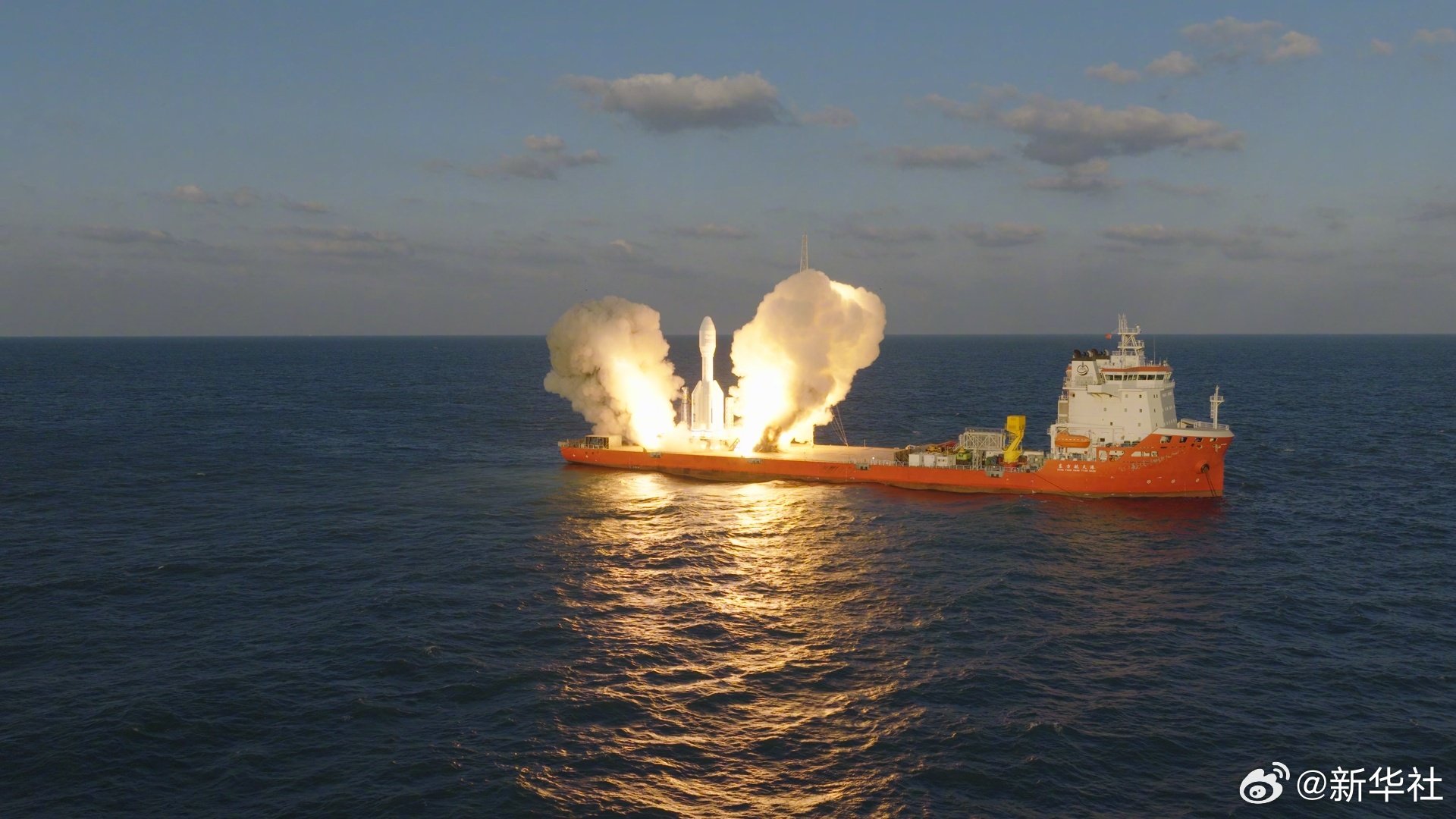
On September 16th, at 6:00 AM local time, an Orienspace Gravity-1 rocket lifted off from the Yellow Sea at the Haiyang Oriental Spaceport in China on its fourth flight. It carried the SpaceSail Polar Group #16 mission to polar orbit. The mission featured nine LEO satellites for China’s SpaceSail internet constellation.
The Gravity-1 rocket is OrienSpace’s first orbital launch vehicle, and is capable of carrying 6,500 kg to LEO. It has a 100% success rate and first launched in January of 2024. Orienspace plans to launch its Gravity-2 launch vehicle as soon as early next year, a liquid orbital rocket.
Image Credit: Xinhua News Agency
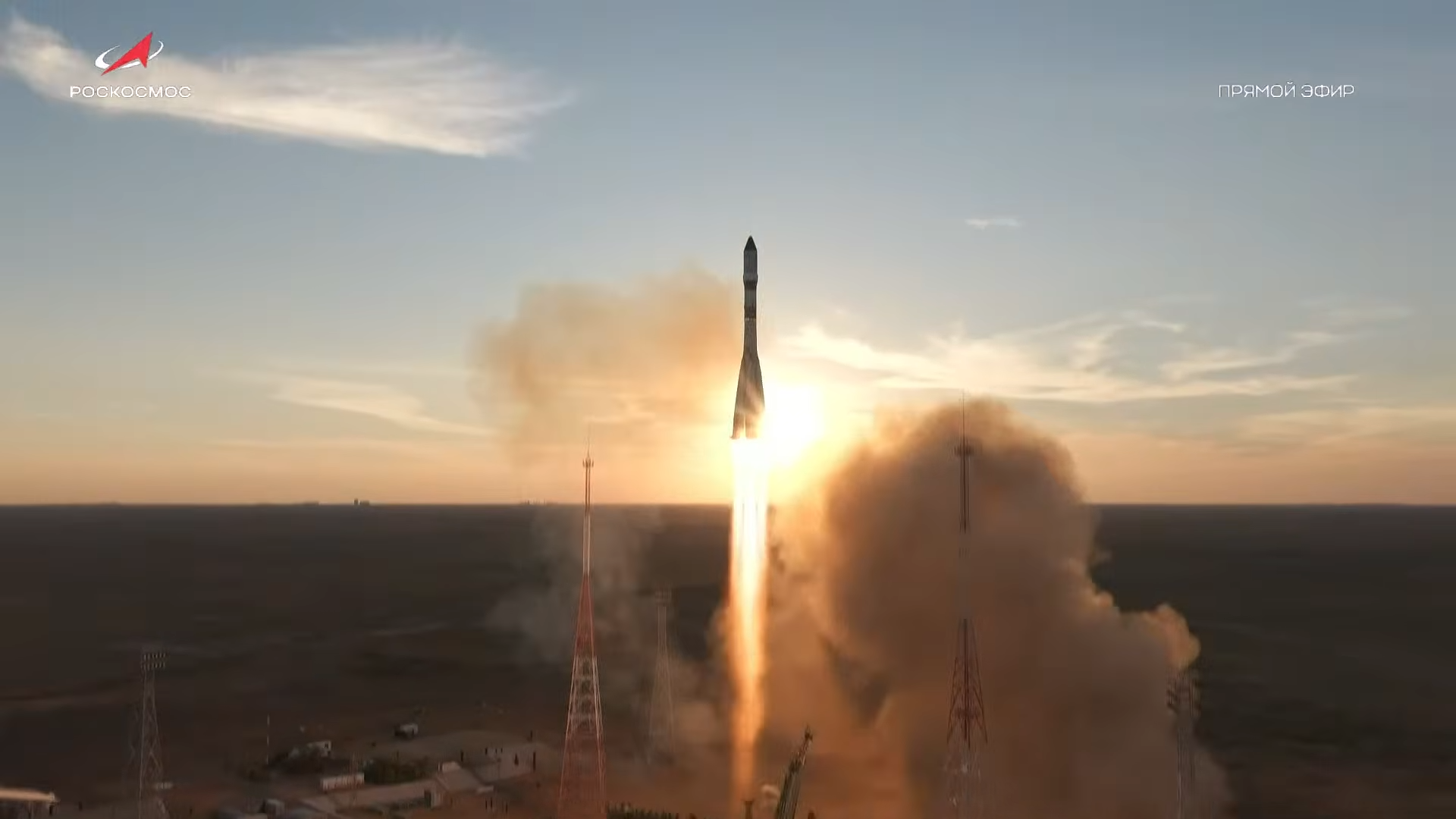
On September 16, at 6:33 PM local time, a Soyuz 2.1b launched the Progress MS-35 spacecraft to the International Space Station. It carried supplies to the ISS for the crew onboard as well as new science experiments. This was the third Progress launch of the year, and successfully docked on September 19th.
Image Credit: Roscosmos TV on YouTube
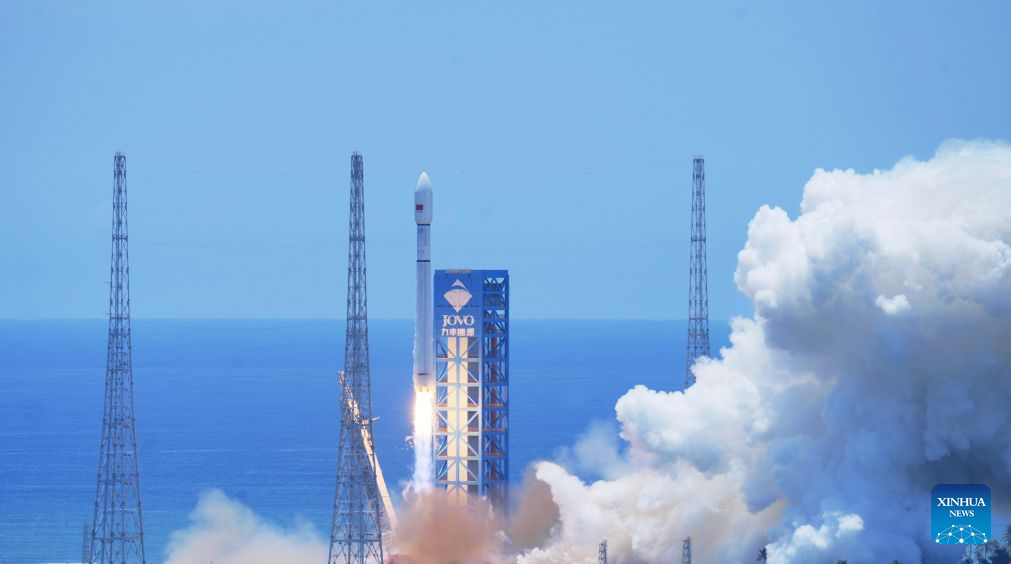
On September 17th, at 8:32 AM local time, a Long March 12 lifted off from LC-2 at the Wenchang Space Launch Site in China. It successfully carried nine satellites to orbit for China’s SatNet LEO constellation. This specifically was SatNet LEO Group 25, and the constellation will feature over 13000 satellites when complete.
Image Credit: Xinhua News Agency
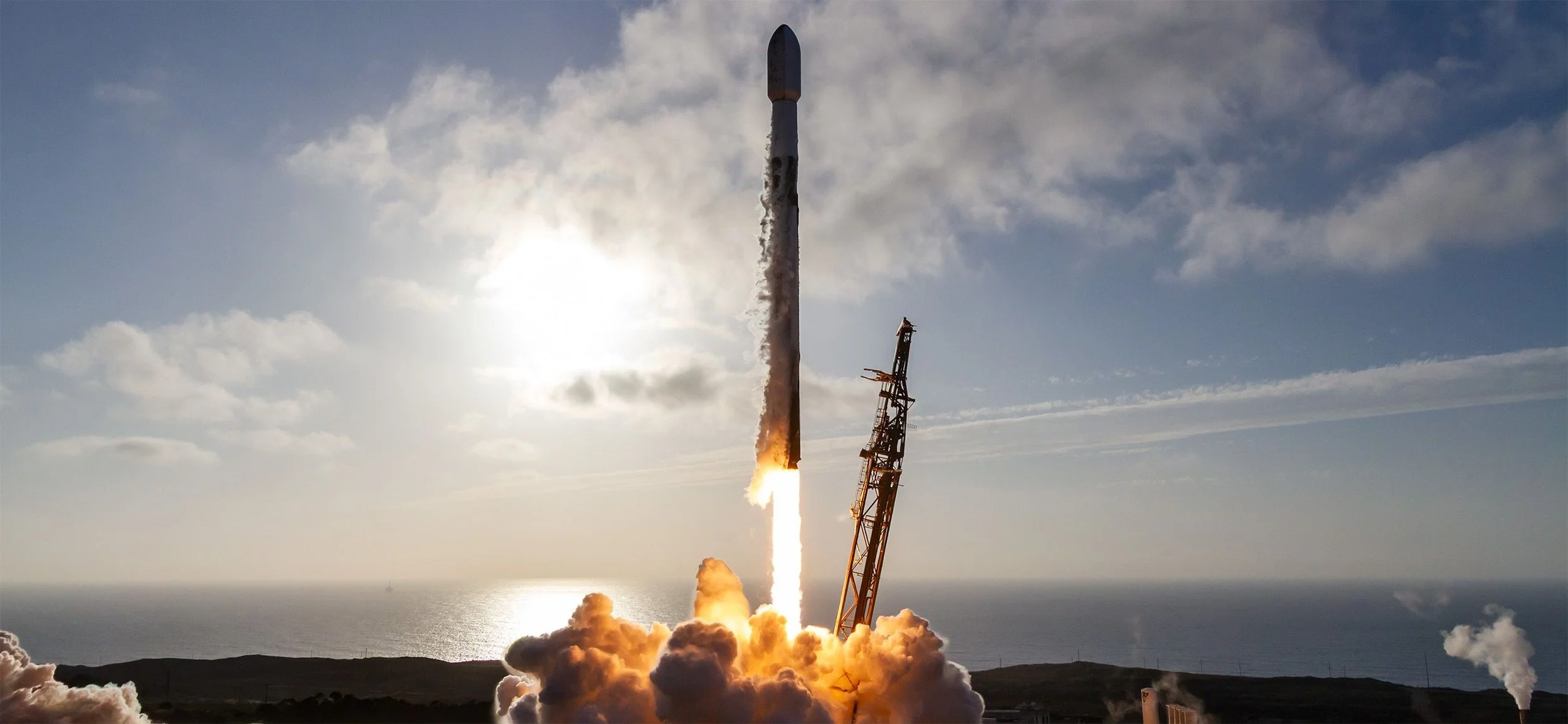
On September 16th, at 6:07 PM local time, a Falcon 9 lifted off from SLC-4E at Vandenberg Space Force Base in California. It successfully launched the classified USSF-259 mission for the United States Space Force. Given the classified nature of the launch, not much is known about the payload, but it is speculated to be 17 more Starshield satellites, which are SpaceX’s specialized version of their Starlink satellites designed for national security purposes. Following the launch, the first stage booster B1097 successfully descended and landed on the Of Course I Still Love You droneship stationed in the Pacific Ocean, completing its 13th flight.
Image Credit: SpaceX
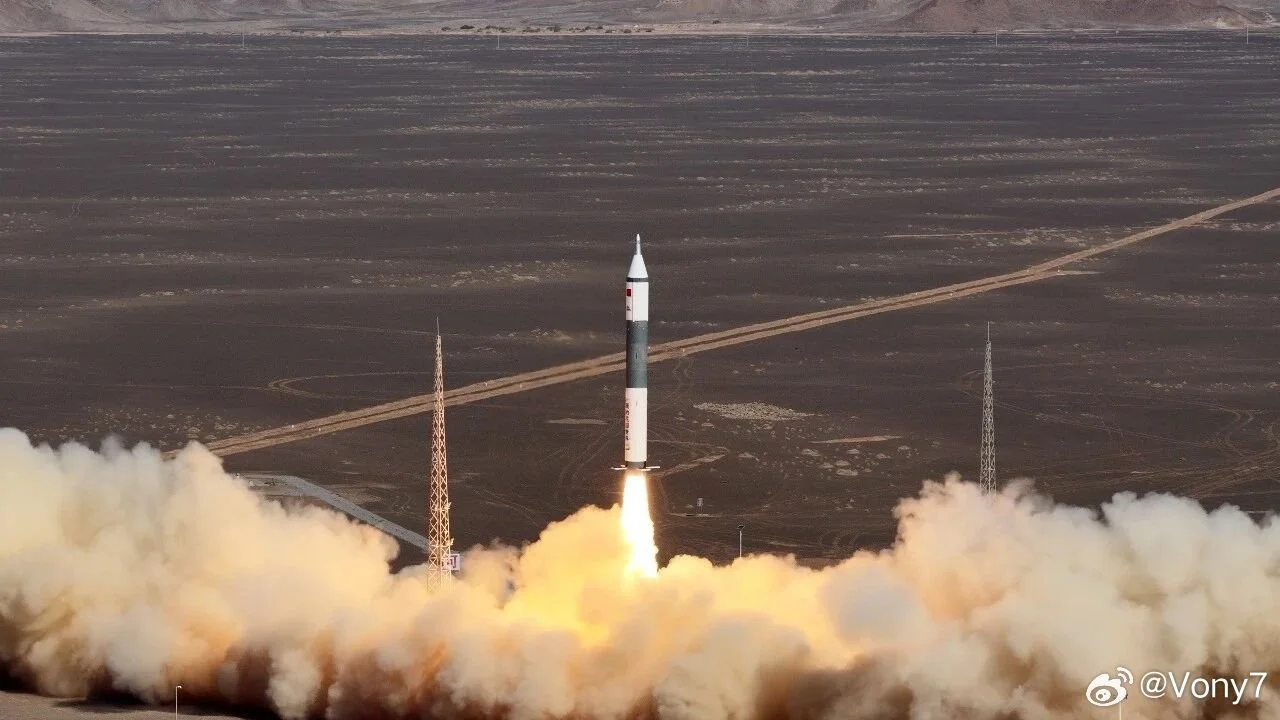
On September 17th, at 10:40 AM local time, an ExPace Kuaizhou 11 lifted off from Site 95A at the Jiuquan Satellite Launch Center in China. It successfully launched the SpaceTY-51 & 52 Earth observation satellites to Low Earth Orbit.
Image Credit: Weibo/@Vony7
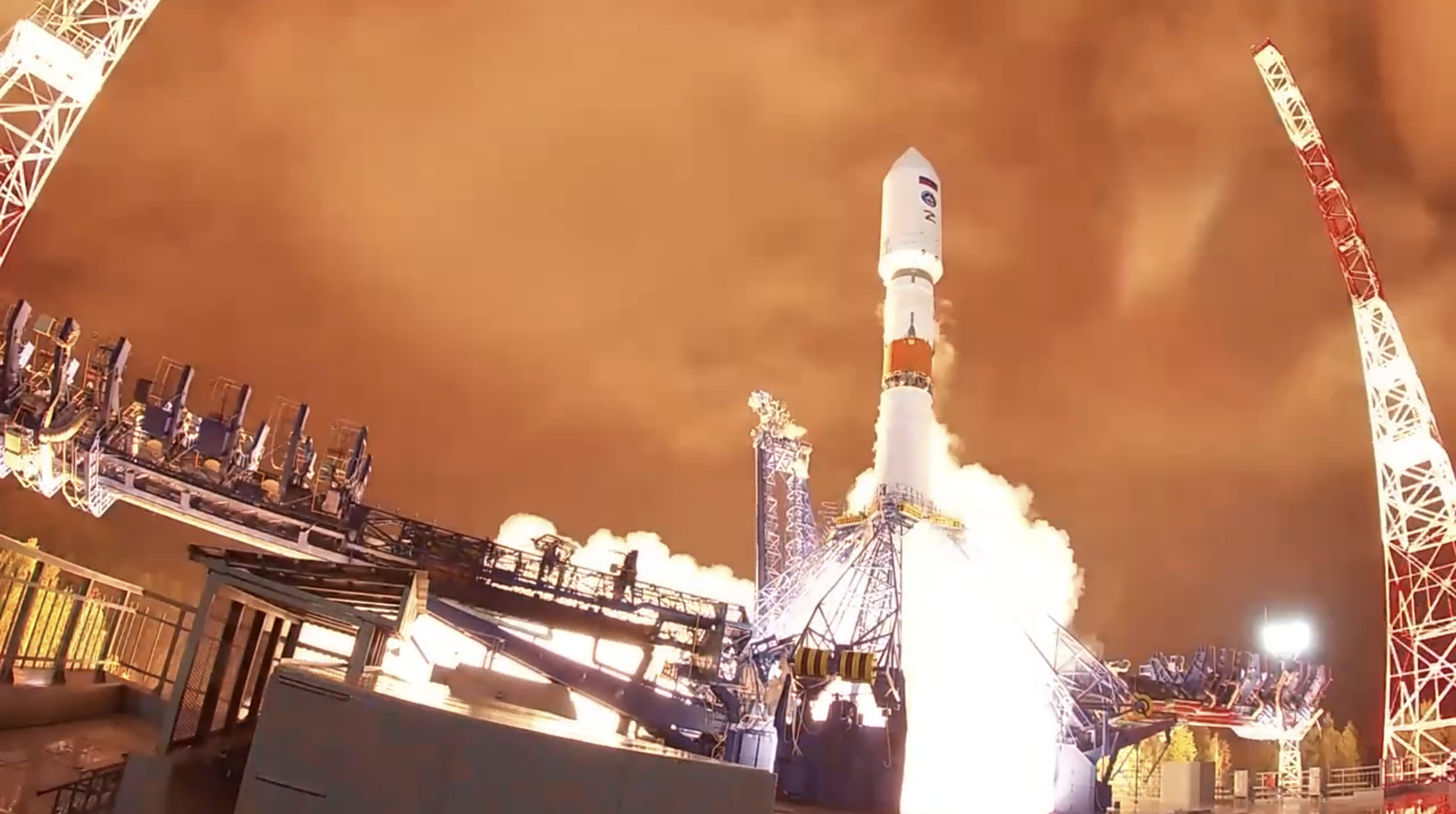
On September 17th, at 7:50 PM local time, a Soyuz 2.1b with a Fregat-M upper state launched from Site 43/3 at the Plesetsk Cosmodrome in Russia. Very little is known about this launch as a whole, but it is confirmed that it was the Glonass-K1
n°20L satellite as part of the Glonass radio-based satellite navigation system.
Image Credit: Roscosmos
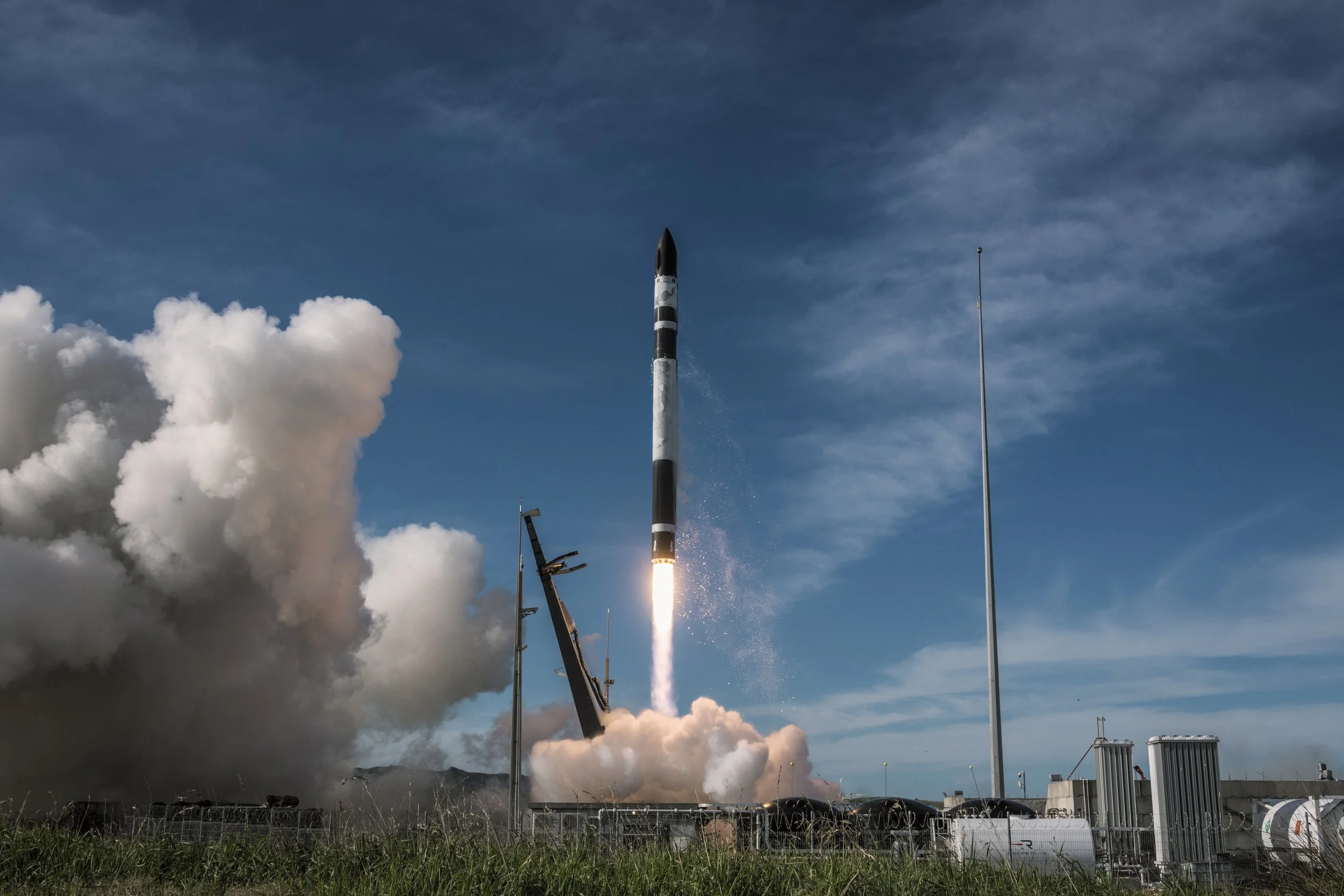
On September 19th at 3:22 PM local time, Rocket Lab’s Electron lifted off from LC-1B at the Māhia Peninsula in New Zealand. It carried the “Owl By The Dozen” mission, which was the StriX-10 satellite made by Synspective, designed for Earth observation.
Image Credit: Rocket Lab
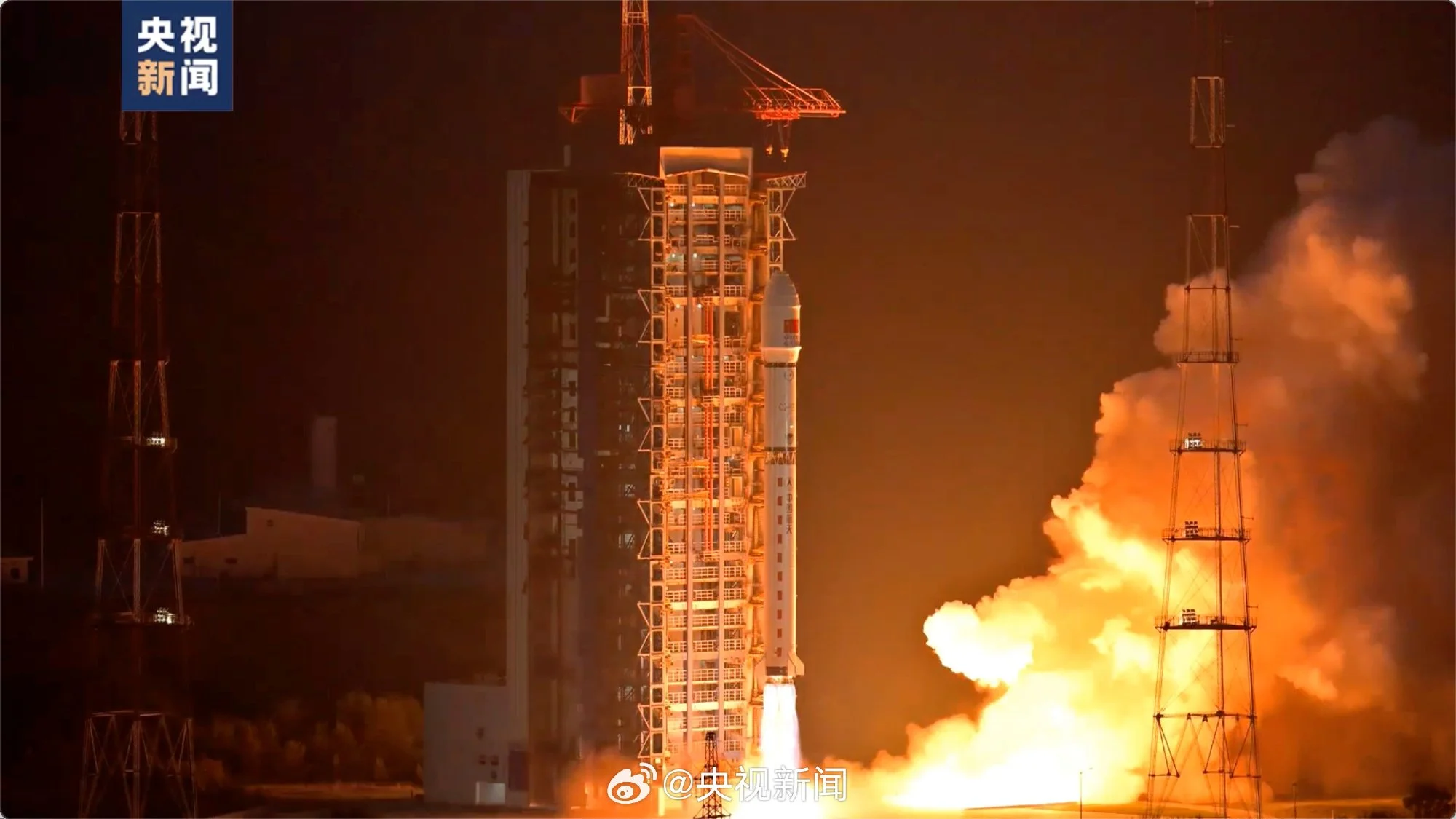
On September 19th, at 6:50 PM local time, a Long March 2D lifted off from LC-9 at the Taiyuan Satellite Launch Center in China. It successfully carried four PIESAT-2 satellites, specifically satellites 13-16, to Sun-Synchronous Orbit.
Image Credit: Xinhua / CCTV
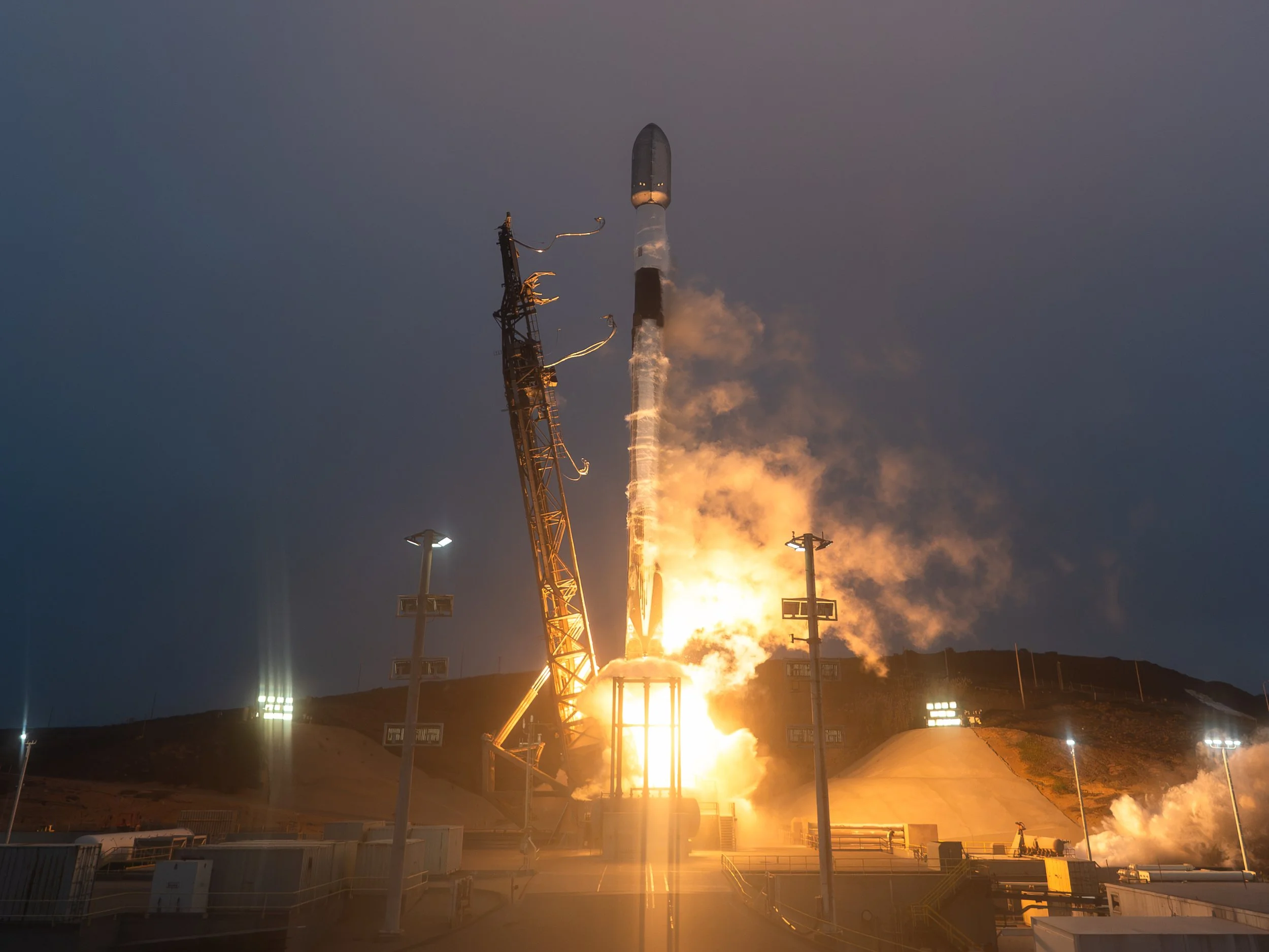
On September 19th, at 6:47 PM local time, SpaceX’s Falcon 9 lifted off from SLC-4E at Vandenberg Space Force Base in California. It successfully launched 27 more Starlink v2-mini satellites to Low Earth Orbit on the Starlink 15-27 mission. Following the launch, the first stage booster B1093 successfully descended and landed on the Of Course I Still Love You droneship stationed in the Pacific Ocean, completing its 17th flight.
Image Credit: SpaceX
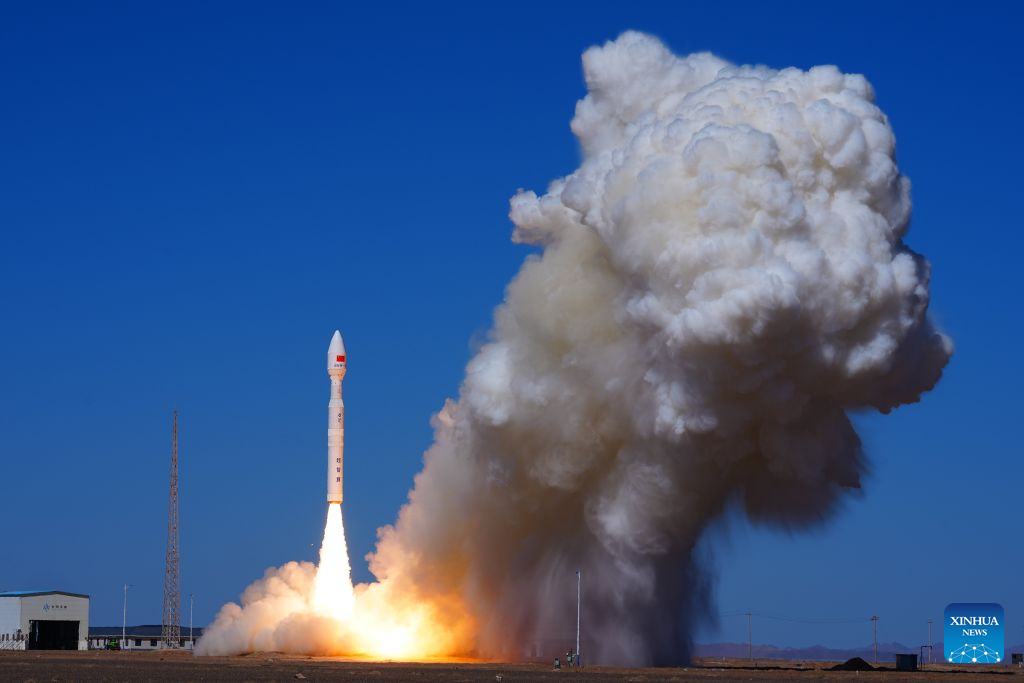
On September 20th at 12:03 PM local time, CAS Space’s Kinetica 1 lifted off from Site 130 at the Jiuquan Satellite Launch Center in China. It successfully carried 9 different satellites on a rideshare mission to Sun-Synchronous Orbit.
Image Creidt: Wang Jiangbo/Xinhua