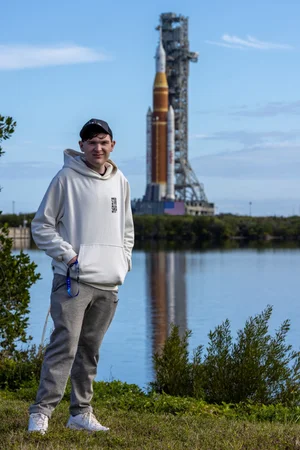
Weekly Spaceflight Update: September 7 - September 15th
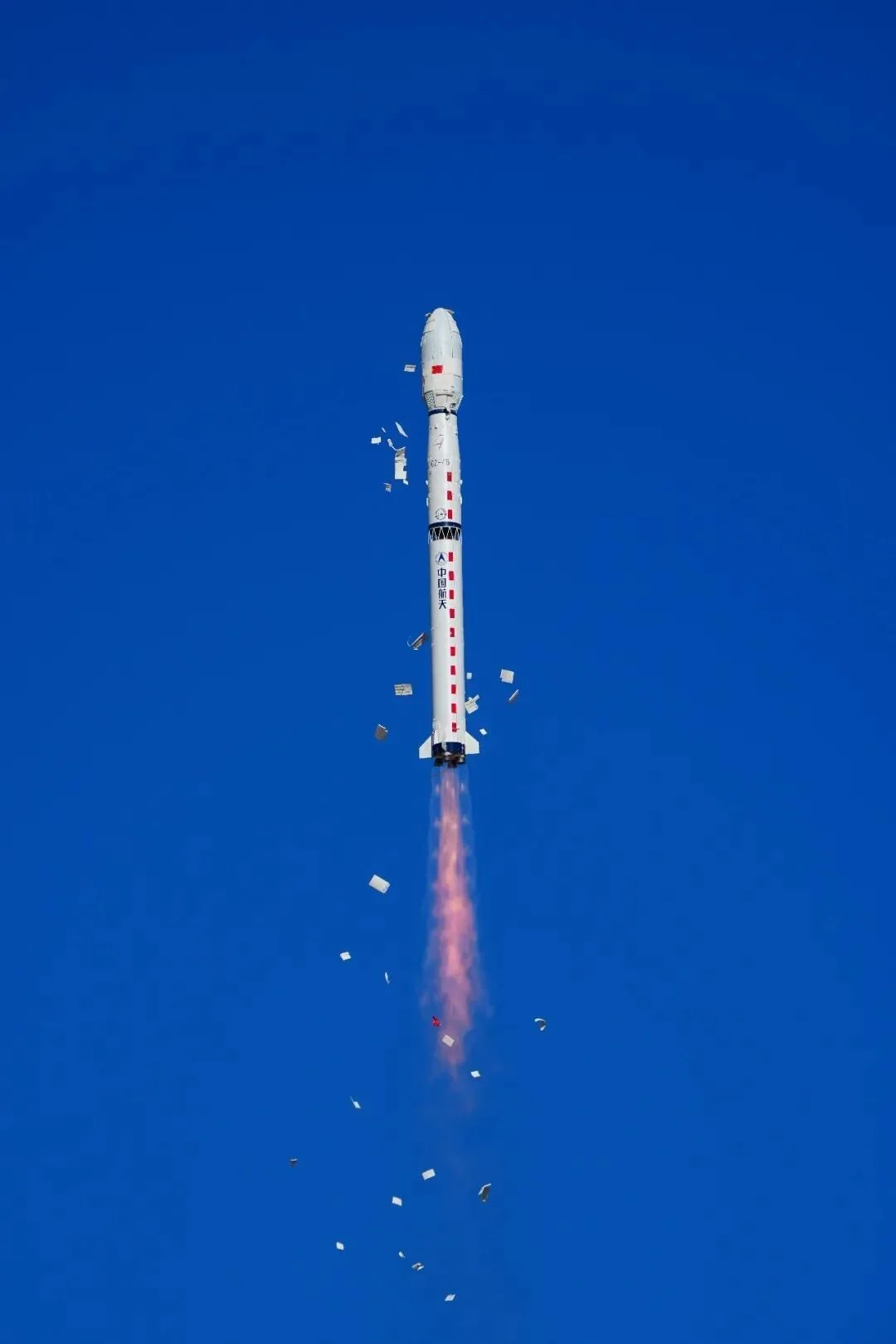
Yaogan 53-01 to 03 / Yaogan 56-01 to 03 - China
On Thursday, September 10th at 9:00 a.m. UTC, China launched a Long March 4B rocket from the Jiuquan Satellite Launch Center.
The mission successfully carried six Yaogan remote sensing satellites to Low Earth Orbit. Few details about the spacecraft or their missions have been publicly released.
Photo: CASC
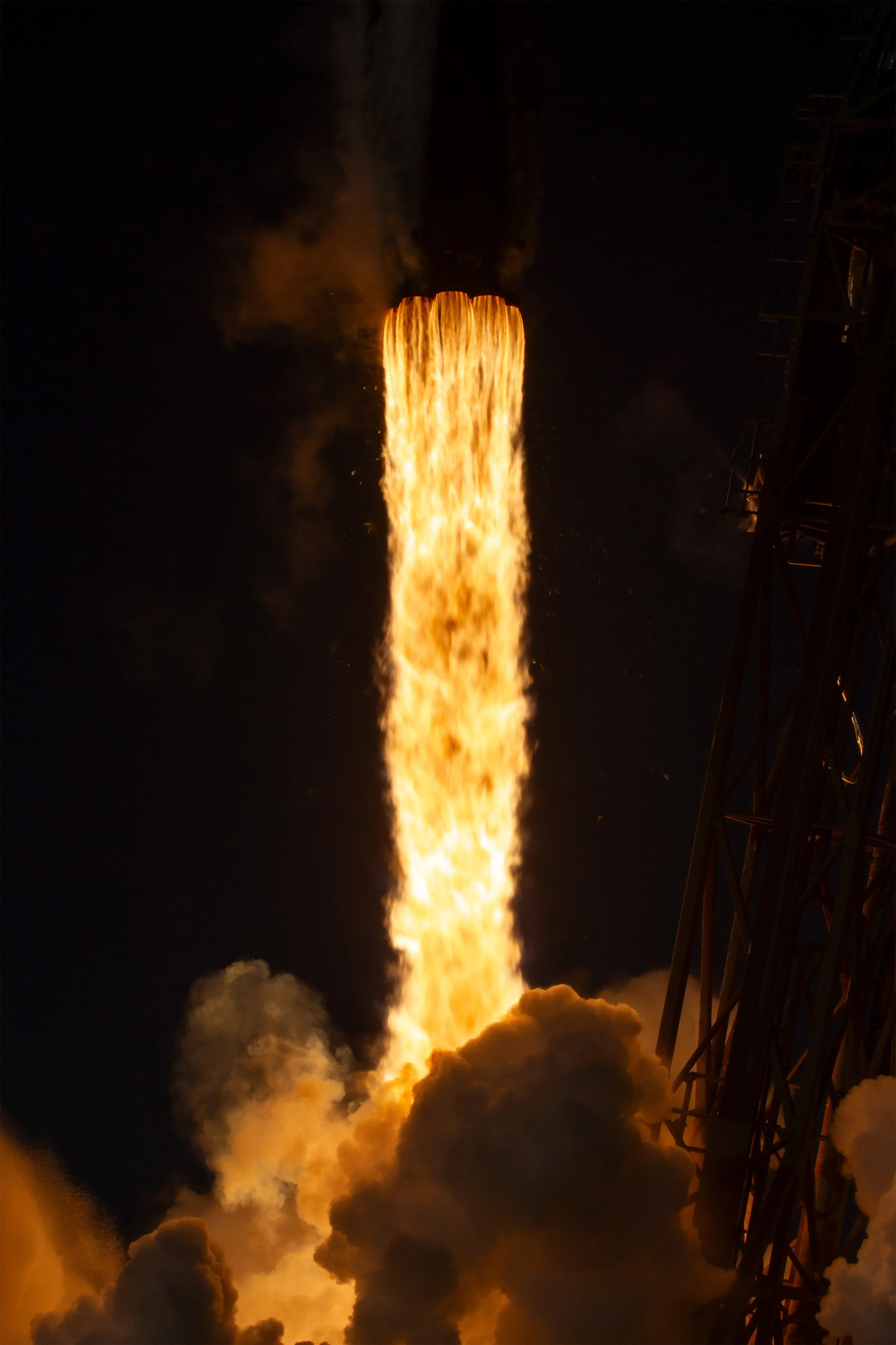
USSF-153 - SpaceX
Later on Thursday, September 10th at 8:42 a.m. PDT, SpaceX launched a Falcon 9 from SLC-4E at Vandenberg Space Force Base in California, carrying the classified USSF-153 mission for the United States Space Force.
Details about the payload remain classified. First-stage booster B1081 completed its 27th flight and successfully landed on the droneship Of Course I Still Love You in the Pacific Ocean.
Photo: SpaceX
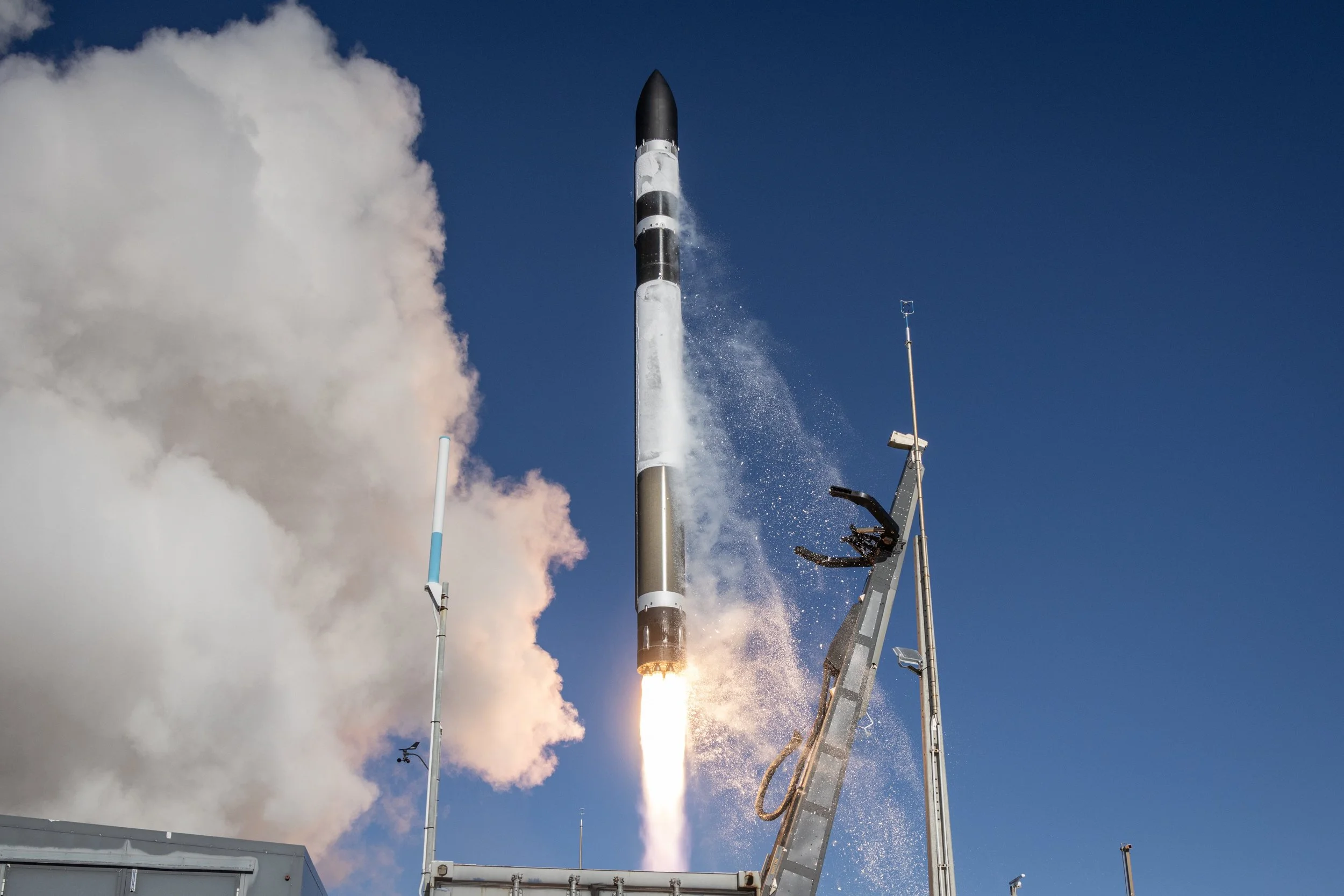
Happily Ever Faster - Rocket Lab
On Friday, September 11th at 3:28 a.m. UTC, Rocket Lab launched an Electron rocket from Launch Complex 1 in New Zealand on a mission named "Happily Ever Faster."
The mission carried a single Earth observation satellite for a confidential commercial customer to a 500-kilometer Low Earth Orbit. The launch marked Rocket Lab's 16th Electron mission of 2026 and its 95th Electron launch overall.
Photo: Rocket Lab
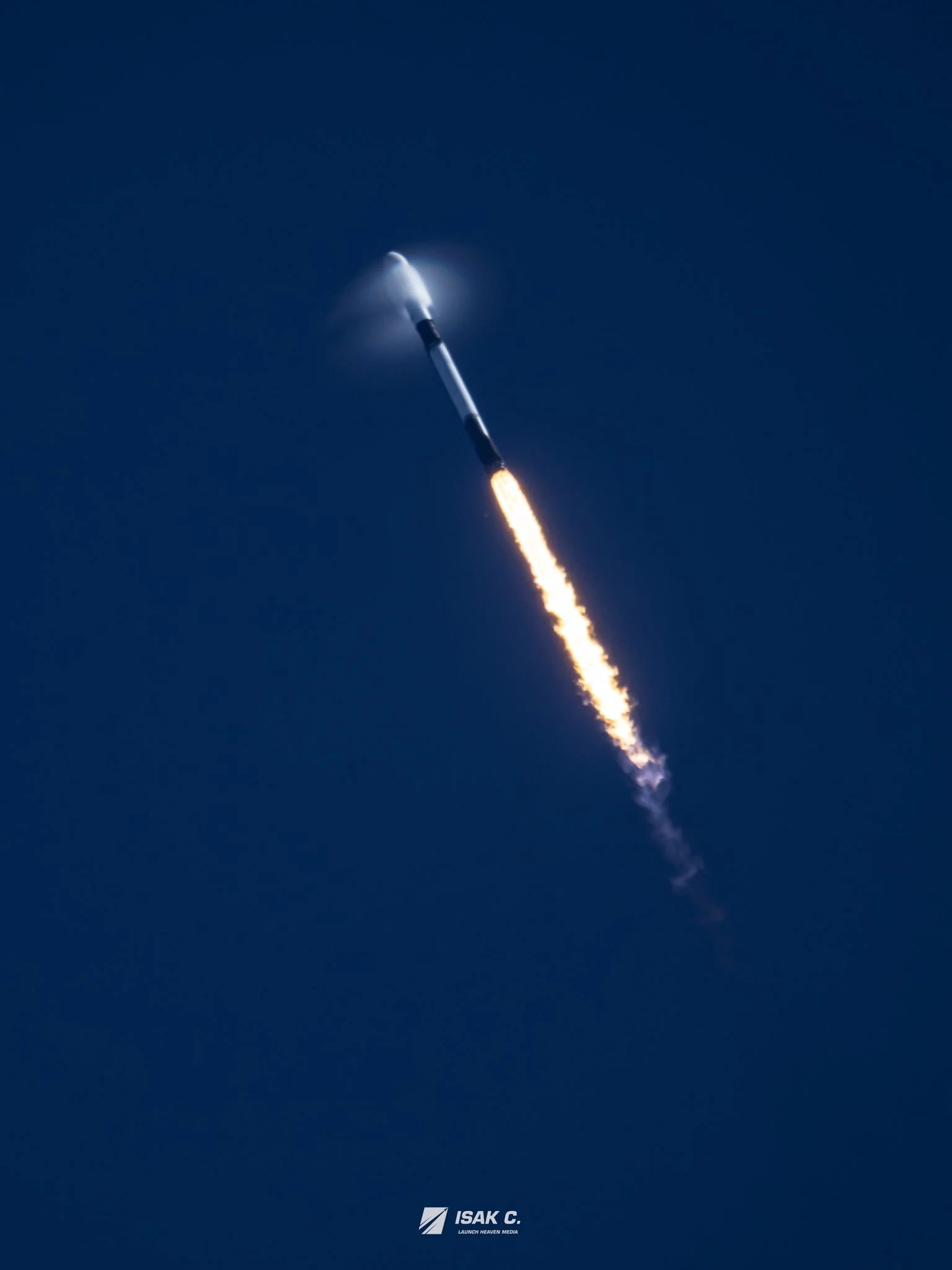
O3b mPOWER 11, 12 & 13 - SpaceX
On Sunday, September 13th at 2:49 p.m. EDT, SpaceX launched a Falcon 9 from SLC-40 at Cape Canaveral Space Force Station in Florida, carrying the final three O3b mPOWER satellites for SES.
The Boeing-built satellites were deployed on their journey toward Medium Earth Orbit, completing the launch campaign for the O3b mPOWER constellation. The mission was also the 700th launch of a Falcon rocket.
First-stage booster B1080 completed its 29th flight and successfully landed on the droneship A Shortfall of Gravitas in the Atlantic Ocean.
Photo: Isak C. For Launch Heaven Media
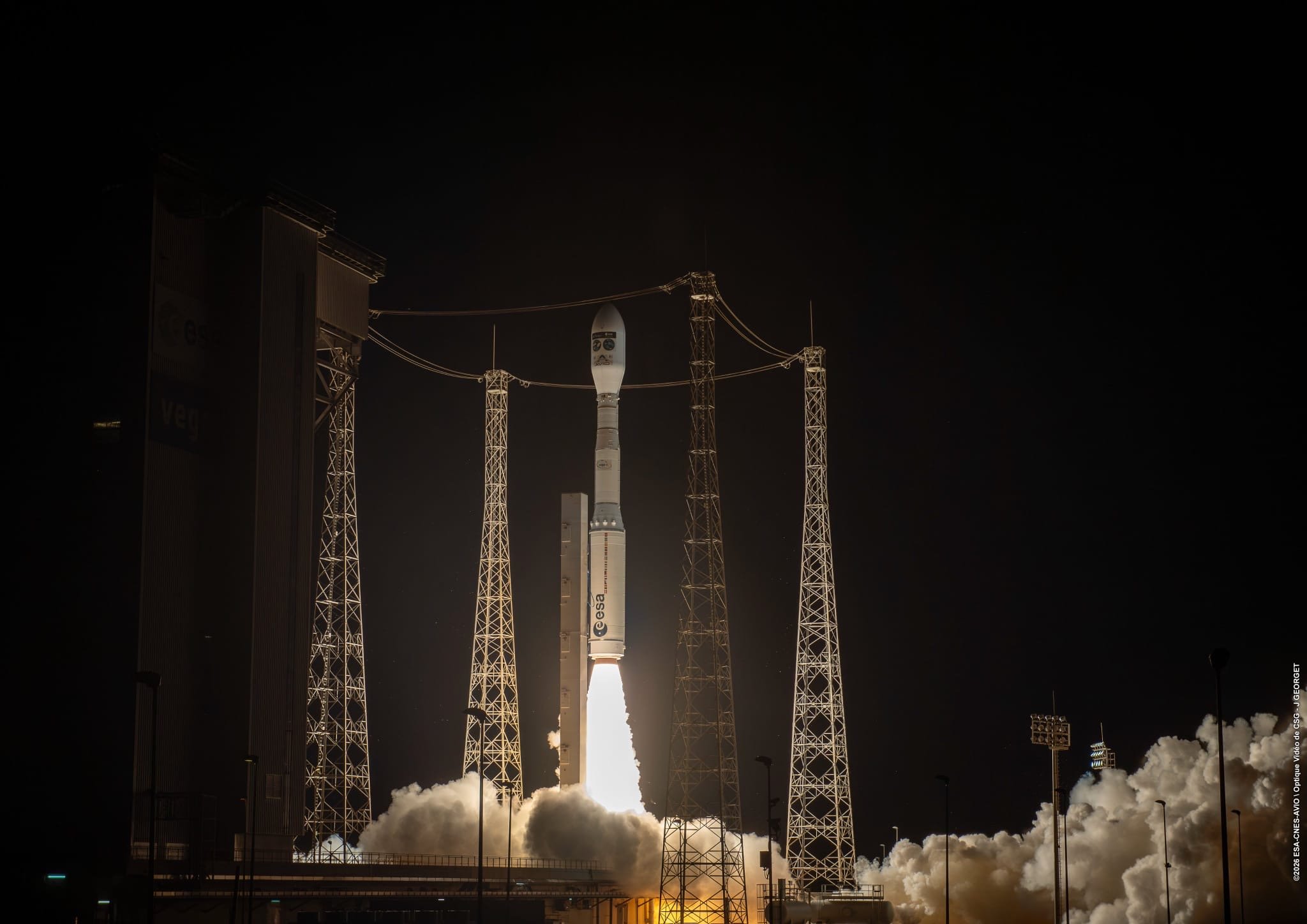
Sentinel-3C & FLEX - Avio
On Tuesday, September 15th at 1:21 a.m. UTC, a Vega-C rocket launched from Europe's Spaceport in French Guiana carrying the Sentinel-3C and FLEX Earth observation satellites.
Sentinel-3C is the third satellite in Europe's Sentinel-3 series and will monitor Earth's oceans, land, ice, and atmosphere. FLEX is designed to study plant health by measuring the faint fluorescence produced by vegetation during photosynthesis. Both spacecraft were successfully deployed.
Photo: ESA / Avio
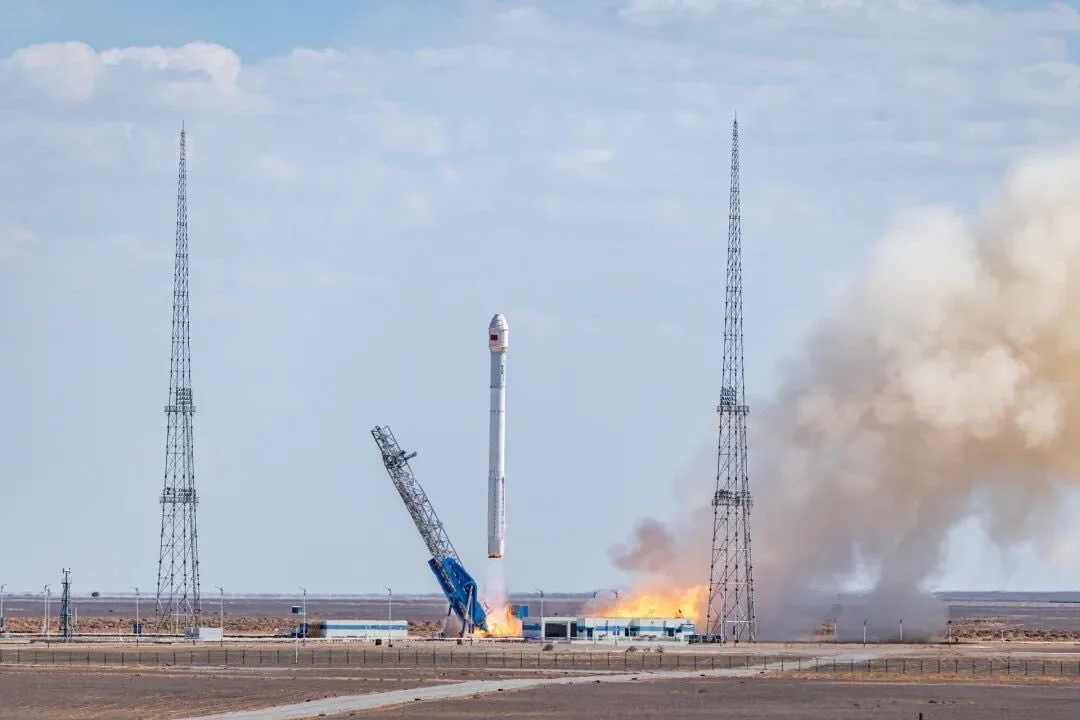
SpaceSail Polar Group 15 - LandSpace
Later on Tuesday, September 15th at 6:26 a.m. UTC, LandSpace launched a Zhuque-2E rocket from the Jiuquan Satellite Launch Center in China.
The mission successfully deployed 10 SpaceSail communications satellites into polar orbit. The satellites are part of China's growing SpaceSail, also known as Qianfan, Low Earth Orbit communications constellation.
Photo: LandSpace
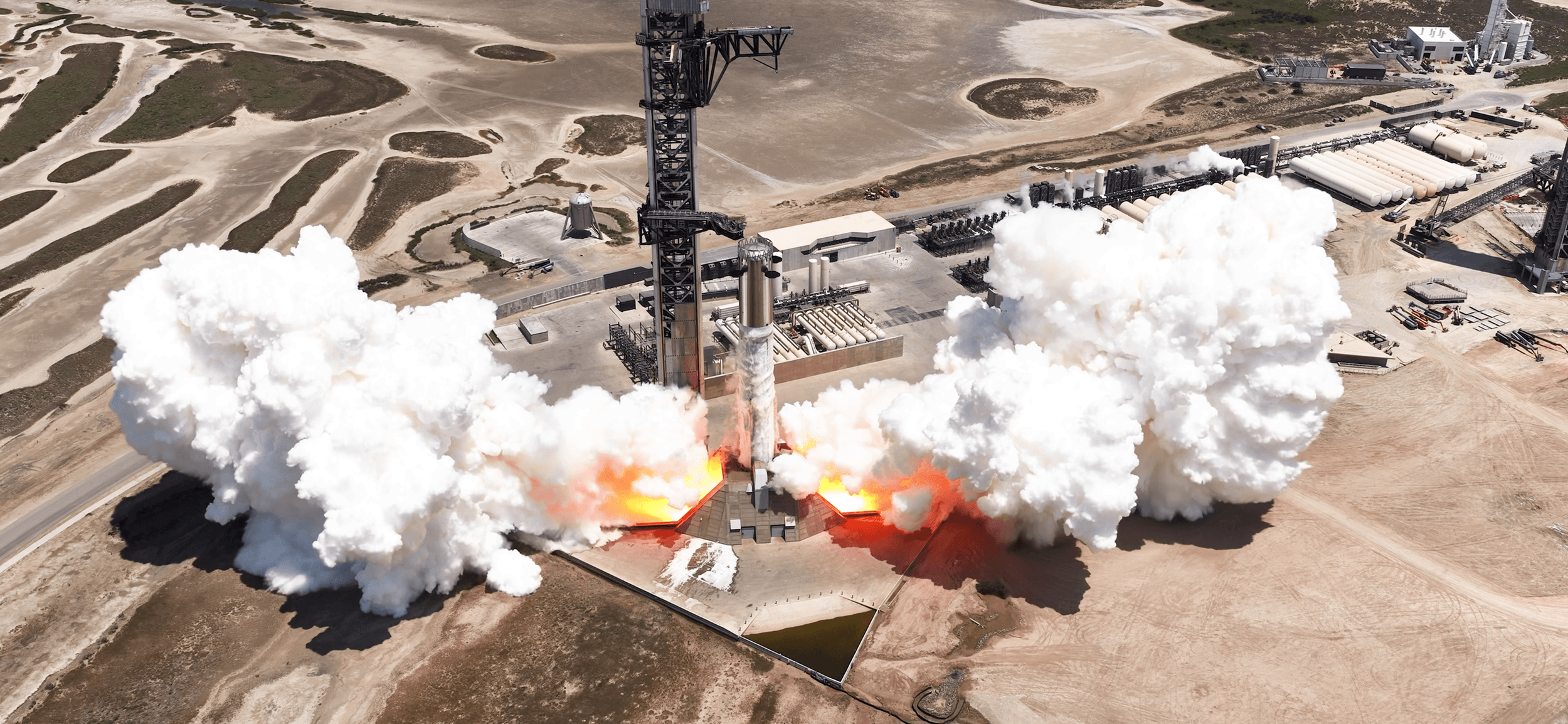
SpaceX Announces Starship Flight 14
Also on Tuesday, September 15th, SpaceX officially announced plans to launch the 14th flight of Starship as soon as Tuesday, September 22nd, pending regulatory approval. The 75-minute launch window is expected to open at 7:15 a.m. CT.
Flight 14 is planned to be the first mission to send Starship into orbit around Earth. Starship is expected to fly at an altitude of approximately 275 kilometers and complete around six orbits during a nearly 10-hour mission before splashing down in the Pacific Ocean west of Chile.
The mission will also mark the first deployment of operational Starlink V3 satellites from Starship. Ship 41 is planned to deploy 26 Starlink V3 satellites before performing a single-engine Raptor deorbit burn and beginning its return to Earth.
Super Heavy Booster 21 will not return to the launch site for a tower catch. Instead, the booster is planned to complete its boostback and landing burns before targeting an offshore splashdown in the Gulf. Ship 41 will also not attempt a tower catch on this flight.
Flight 14 will use Booster 21 and Ship 41 and will launch from Pad 2 at Starbase, Texas.
Photo: SpaceX