NASA's Artemis Program Faces Major Overhaul
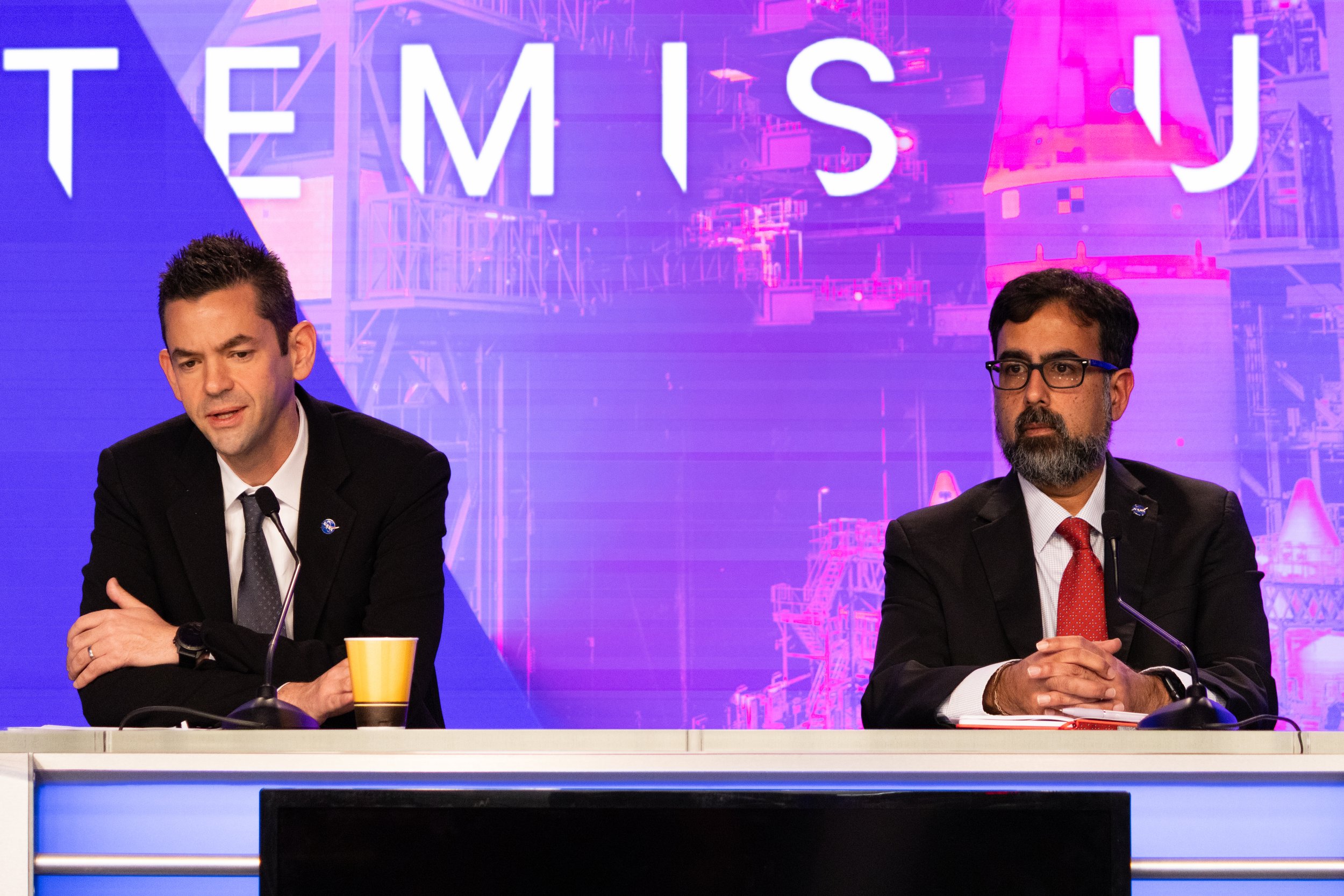
Following the delays of the Artemis II mission due to issues with the helium system on the SLS rocket, NASA Administrator Jared Isaacman held a press conference and announced some major changes coming to the organization’s Artemis Moon Program.
NASA is making some big time overhauls to expedite humanity’s return to the Moon. This year’s Artemis II mission will launch as planned with no major changes being made to the mission but the next mission, Artemis III, will no longer be the mission powering our return to the Lunar Surface, instead its been reformatted into a Low Earth Orbit mission, launching in early-mid 2027. This reformatted mission will be used to dock with and test either the SpaceX or Blue Origin Human Landing Systems. Lunar space suits will also be tested on orbit, instead of being used for the first time during the Lunar landing which is a very smart step to prevent potentially catastrophic failure on the Lunar Surface. If the EVA suits faced a critical issue while on the Moon, there would be no team to inspect it, no access to tools to fix it, and your moon walk would be canceled. This would be a national embarrassment, not to mention one of the most expensive mistakes in NASA’s history. Whichever of these two companies that can complete their Moon Lander first, in-time for the Artemis III launch window, will win the official contract to supply the Human Landing System. This tactic is being used in hopes that it will push these contractors to expedite the development of their Lunar landers so the United States can return to the Moon before 2030. Since Artemis III will no longer be the mission sending humans back to the Moon, Artemis IV will now be the mission supporting the Lunar Landing, and is slated to launch NET early 2028.
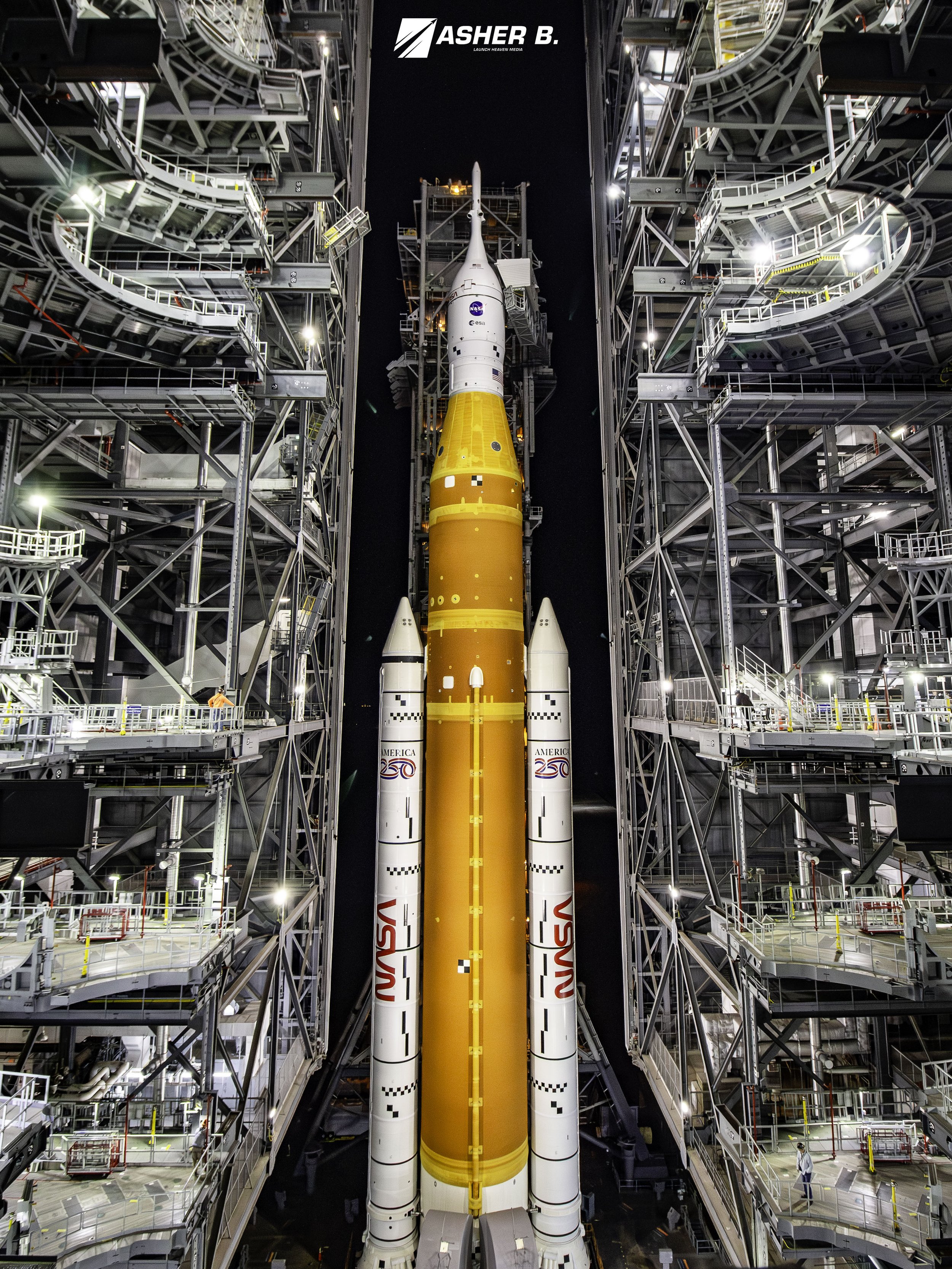
These new deadlines announced for each upcoming Artemis mission sound extremely ambitious given the extensive delays that the program has already seen, however, the NASA team has laid out a new plan to hopefully streamline the production of the SLS rocket and ensure that they can complete the assembly of each vehicle needed for future Artemis missions. It was originally planned that the SLS rocket would receive several upgrades throughout the Artemis program to increase its performance for delivering payloads to the Moon. Starting on Artemis IV, SLS was expected to transition into a new “Block 1B” variant featuring several upgrades including a higher performance 2nd stage nicknamed the “Exploration Upper Stage”. These Block 1B upgrades for the SLS rockets have officially been canceled as a part of the goals to streamline SLS production. The Artemis II and Artemis III missions will use the current ICPS (Interim Cryogenic Propulsion Stage) upper stage that has been flying on SLS since Artemis I. Artemis IV, V and any missions beyond that will use a new “standardized upper stage” (possibly a Centaur V derived from ULA’s Vulcan rocket).
These are all the right moves to get the Artemis program into a cadence that best supports the goals of NASA and the US. Currently SLS is averaging one launch every 3.5 years, in contrast with previous historic programs (Mercury, Gemini, Apollo) that were launching humans within only weeks of each other. When launches are so infrequent, you run the risk of losing the muscle memory and skills needed to be effective, safe, and timely.
These critical changes will lower costs by standardization and an increased flight rate of SLS, buy down risk with test flights in LEO, and continue support to Blue Origin and SpaceX to get their landing programs off the ground. Congress will get to keep its rocket, and NASA still achieves its aim of landing the first human on the Moon since 1972.
Image Credit: Asher B.