Pegasus to Launch Swift Boost Mission
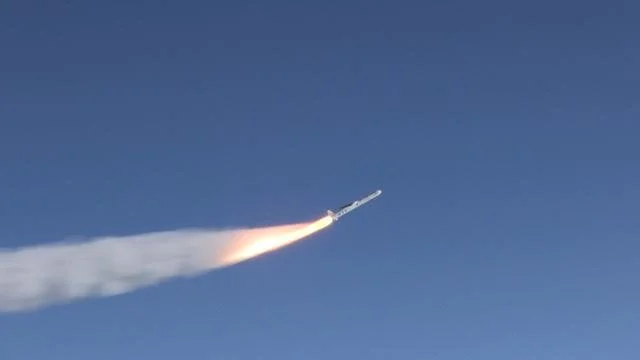
On April 5, 1990, NASA dropped a small winged rocket from a B-52 over the Pacific. This was the moment the first orbital launch vehicle developed by a private company, named Pegasus, was launched.
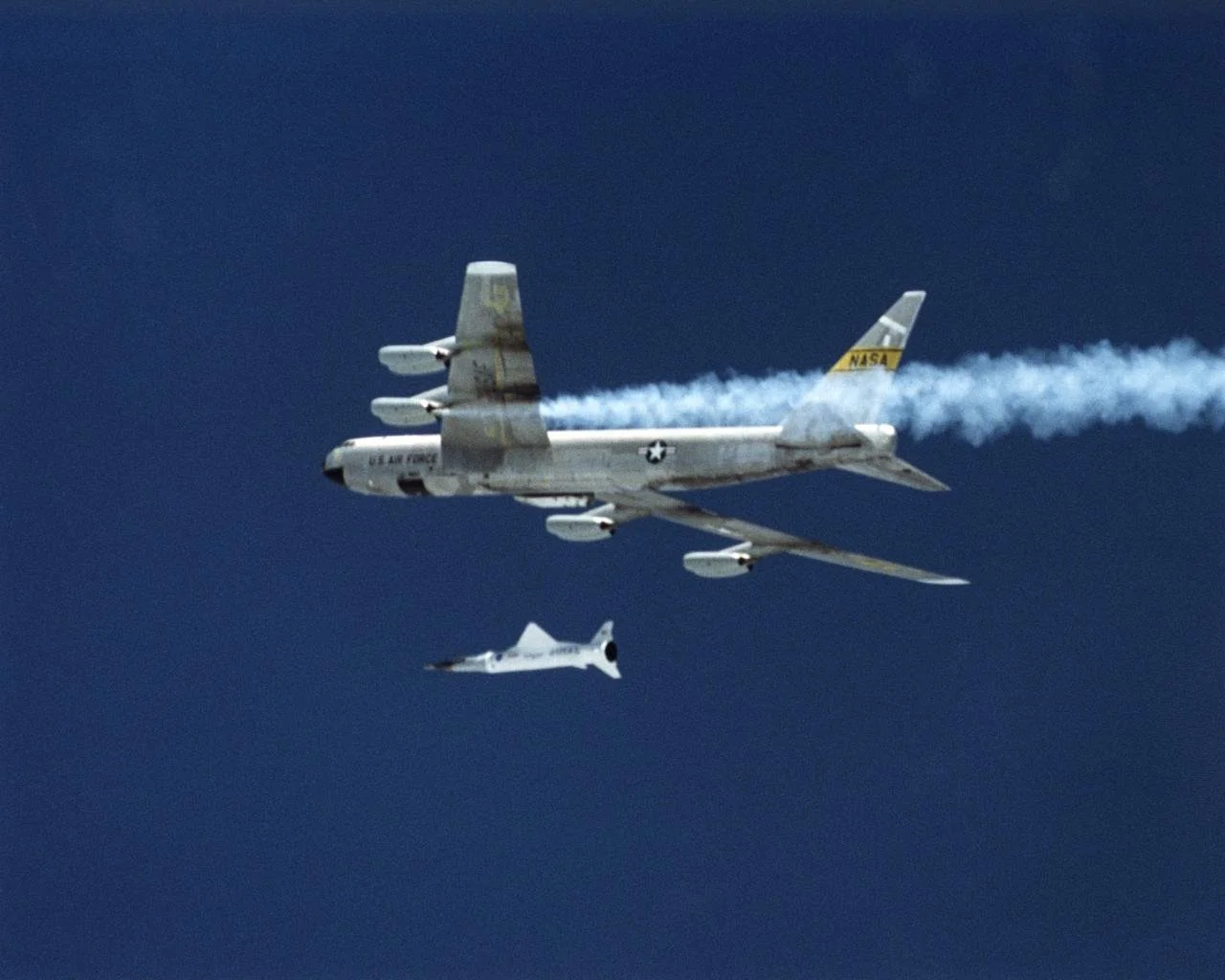
Credit: NASA/Jim Ross
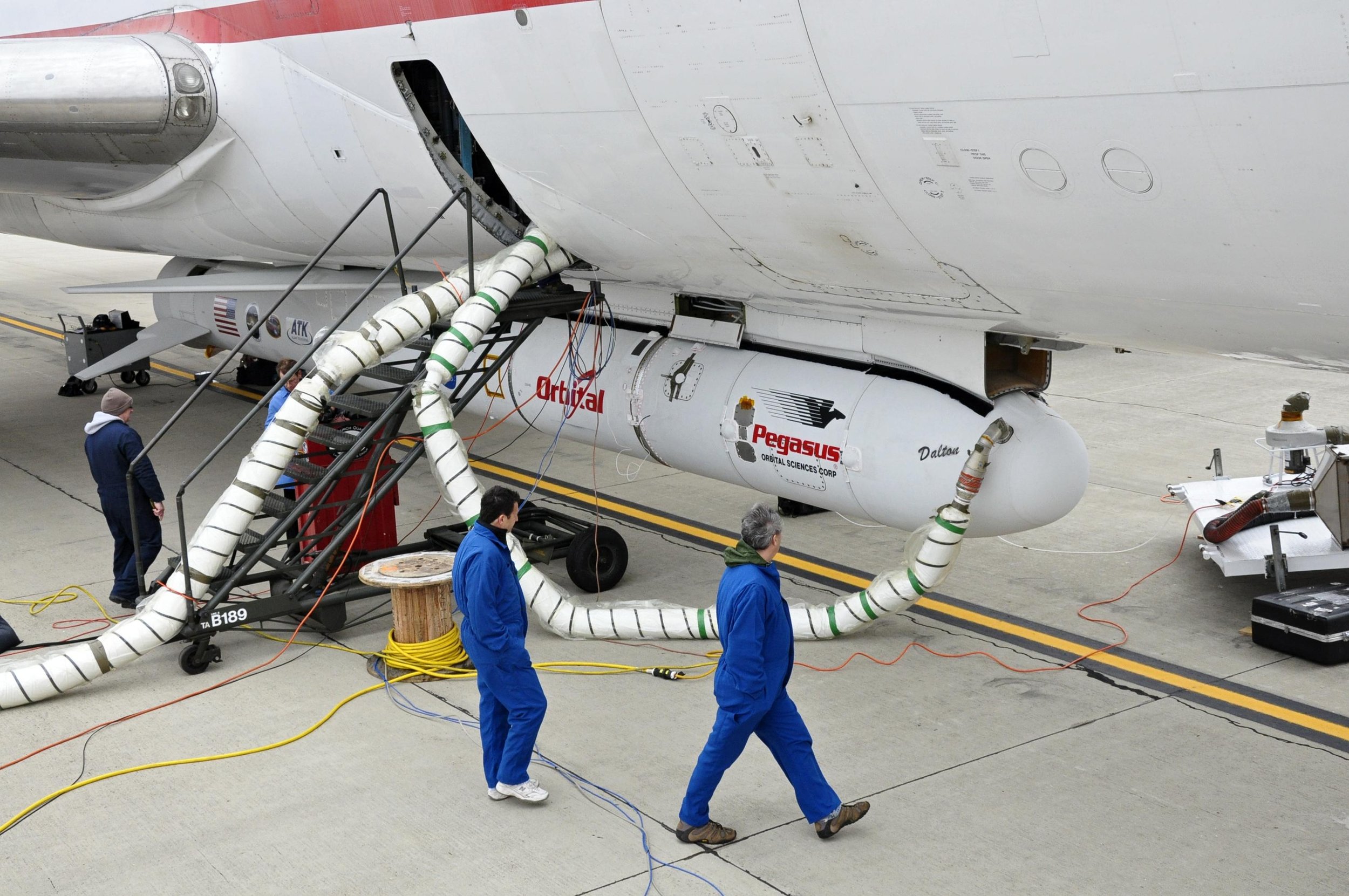
Built by Orbital Sciences Corporation, now part of Northrop Grumman, Pegasus has flown 45 missions since, deploying nearly 100 satellites. The last flight was in 2021, but that changes on Saturday June 27th, when Pegasus XL is scheduled to drop from Stargazer, its L-1011 carrier aircraft. The launch window opens at 5:00 am ET (09:00 UTC) over the Reagan Test Range at Kwajalein Atoll in the Marshall Islands. The rocket's basic shape hasn't changed much in three and a half decades: three solid propellant stages stacked under a stubby delta wing, with an optional monopropellant fourth stage, called HAPS, available for missions that need extra precision for their final orbital insertion.
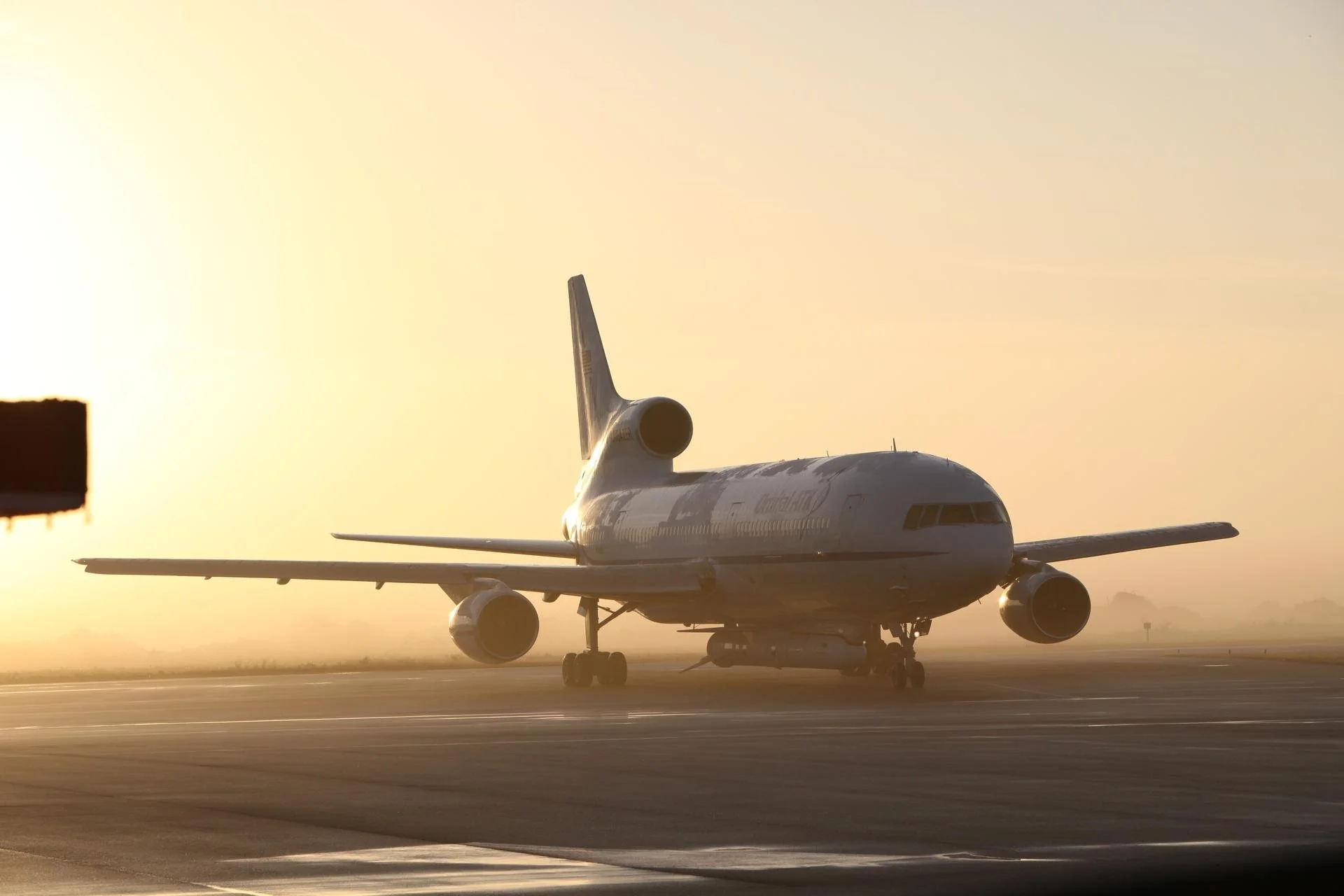
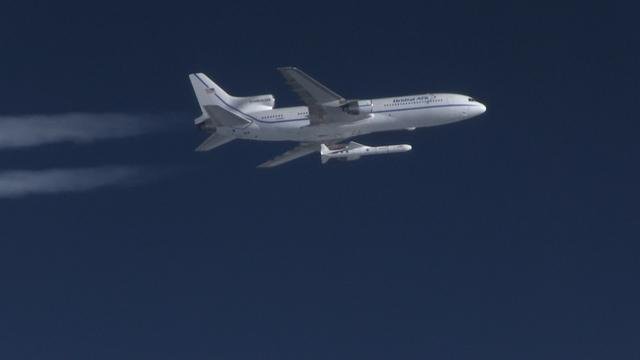
The carrier vehicle, Stargazer, first flew Air Canada passengers in 1974 and has since traded people hauling for dropping rockets into the sky, a career change few airliners get to make. It will haul Pegasus to roughly 40,000 feet (12,000 meters) before letting go over the open ocean.
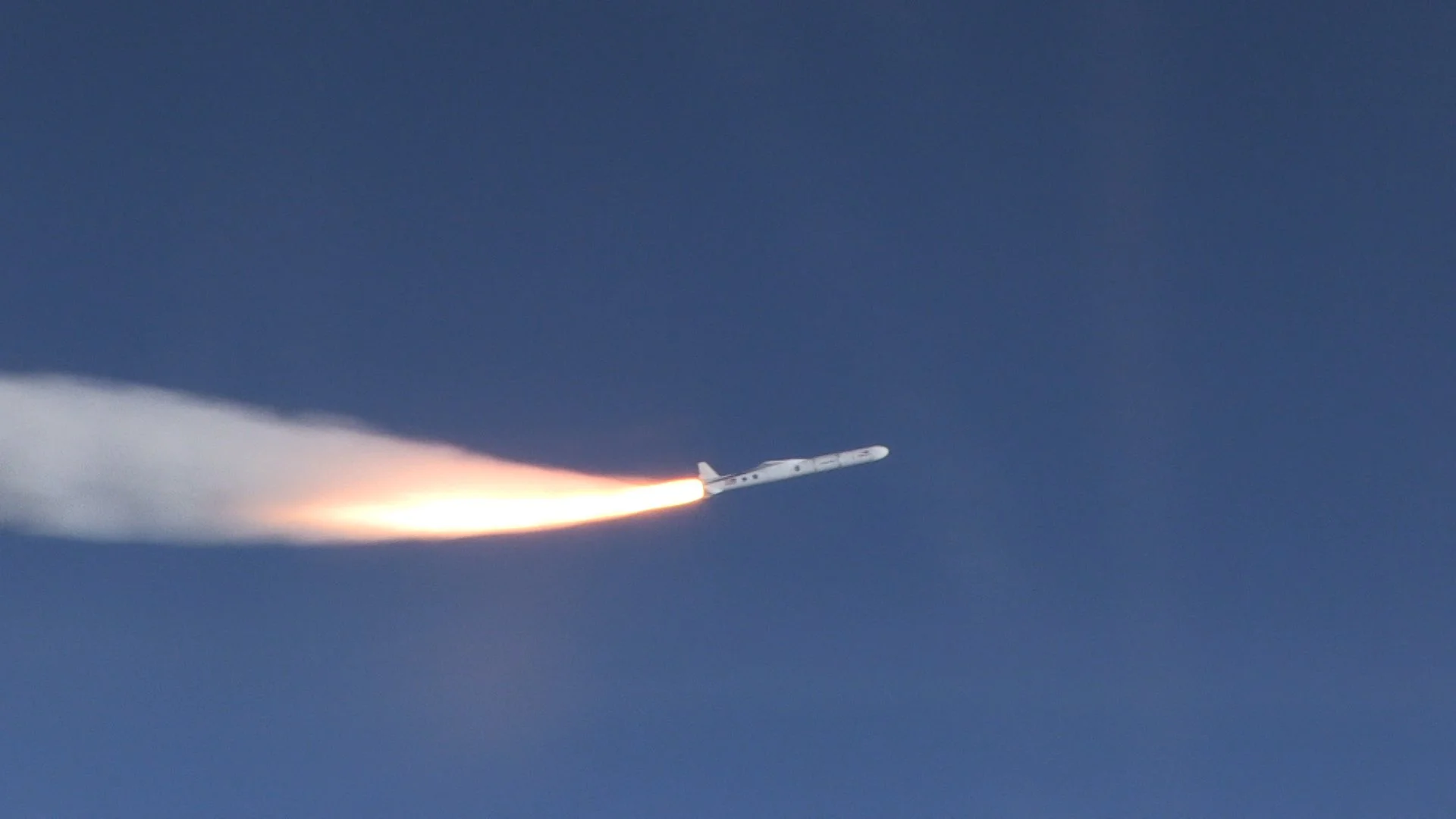
Pegasus then free falls for five seconds, ignites its solid propellant motor and threads itself into orbit in just over ten minutes. Capable of lifting payloads up to 1,000 pounds (453.59 kilograms), this flight carries LINK, a robotic servicing spacecraft built by Katalyst Space Technologies in under a year after NASA awarded the company $30 million for the Small Business Innovation Research Phase 3 contract in September 2025. Using three robotic arms and its own ion thrusters, LINK will close in on NASA's Neil Gehrels Swift Observatory, grab the spacecraft that was never designed to be touched, and move it toward a safer orbit at around 373 miles (600 kilometers). Swift's orbit currently sits at a 20.6 degree inclination, too low for rockets launching out of Cape Canaveral or Vandenberg without burning a punishing amount of fuel just to get there, which is the real reason an old air launched rocket beat out anything newer for this job.
Credit Left: NASA/Ben Smegelsky
Credit Below: NASA/Lori Losey
The satellite that LINK will rendezvous with is Swift, which has watched for high energy events throughout the universe since November 20, 2004, flagging gamma ray bursts for other telescopes to chase down. Its orbit has decayed faster than expected after a stretch of heavy solar activity. NASA put the odds of an uncontrolled reentry at 50 percent by the middle of this year and 90 percent by the end, this mission is racing a clock nobody anticipated. If LINK pulls it off, it will be the first time a commercial spacecraft has captured a government satellite that was never designed for servicing, a real first for an industry that talks a lot about resilience and rarely gets to prove it on hardware this old. Pegasus itself has spent 36 years being the rocket nobody quite expects, and on June 27th, it gets to do it again.
Credit: NASA