Roman Space Telescope Arrives to KSC
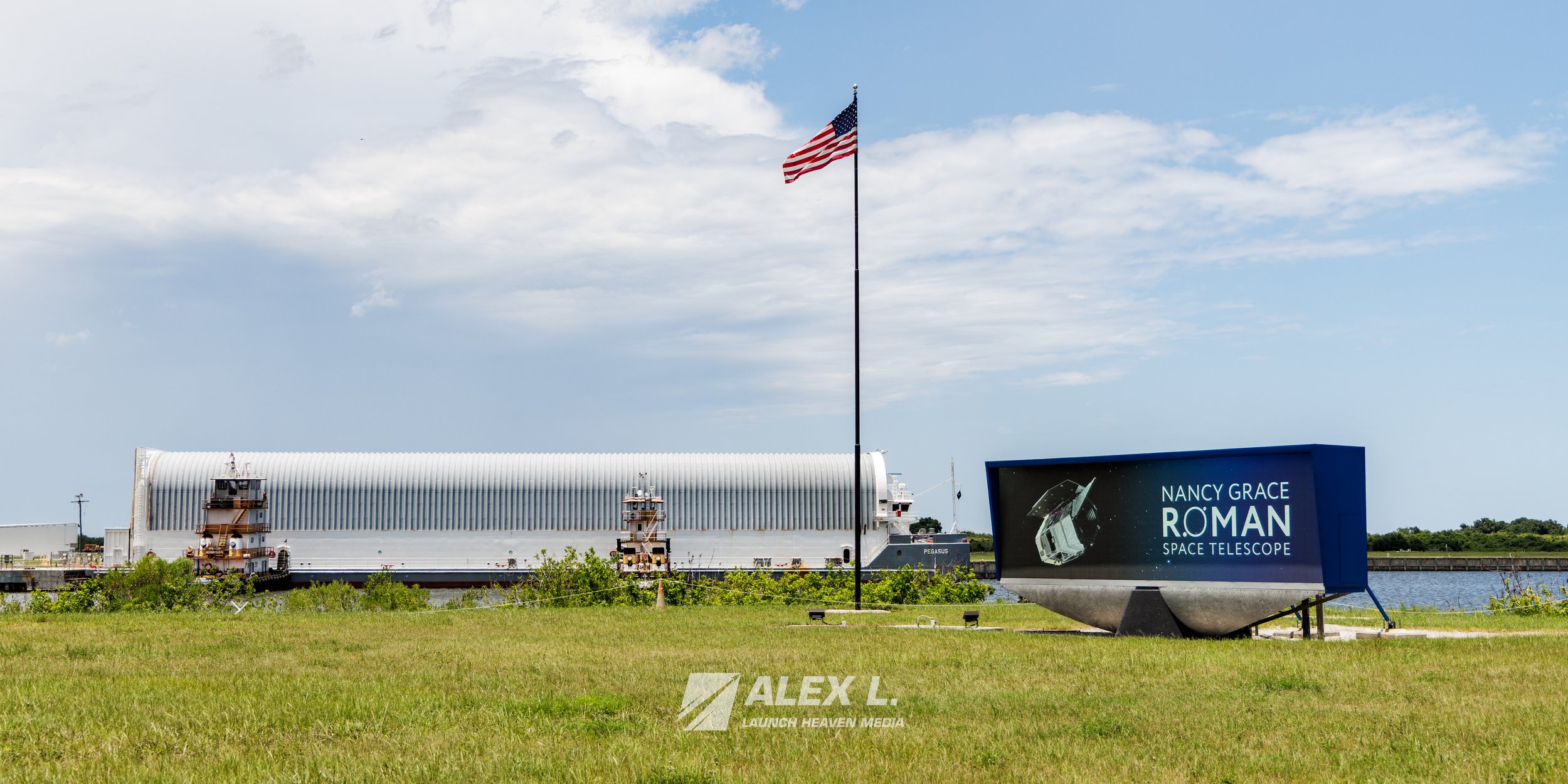
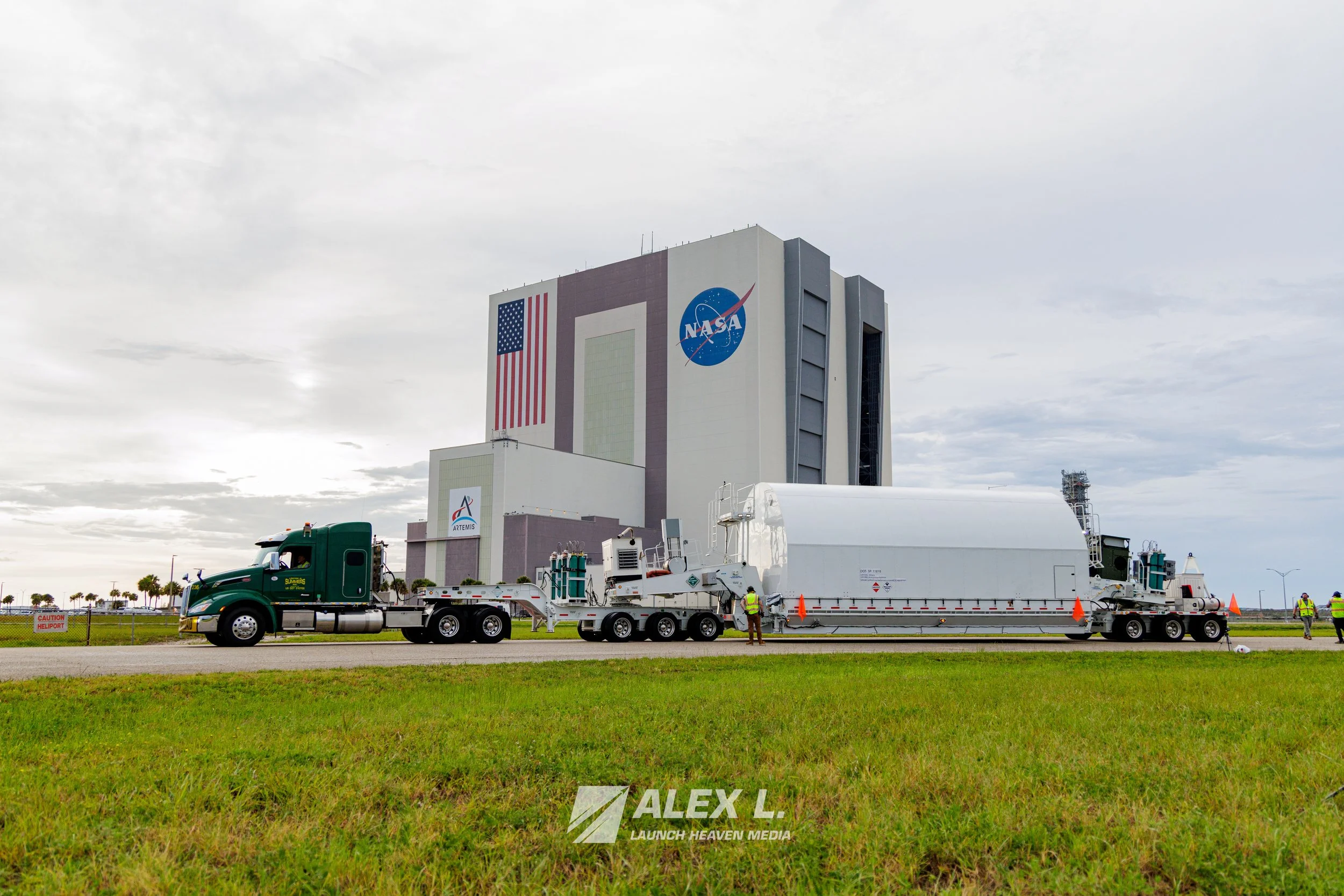
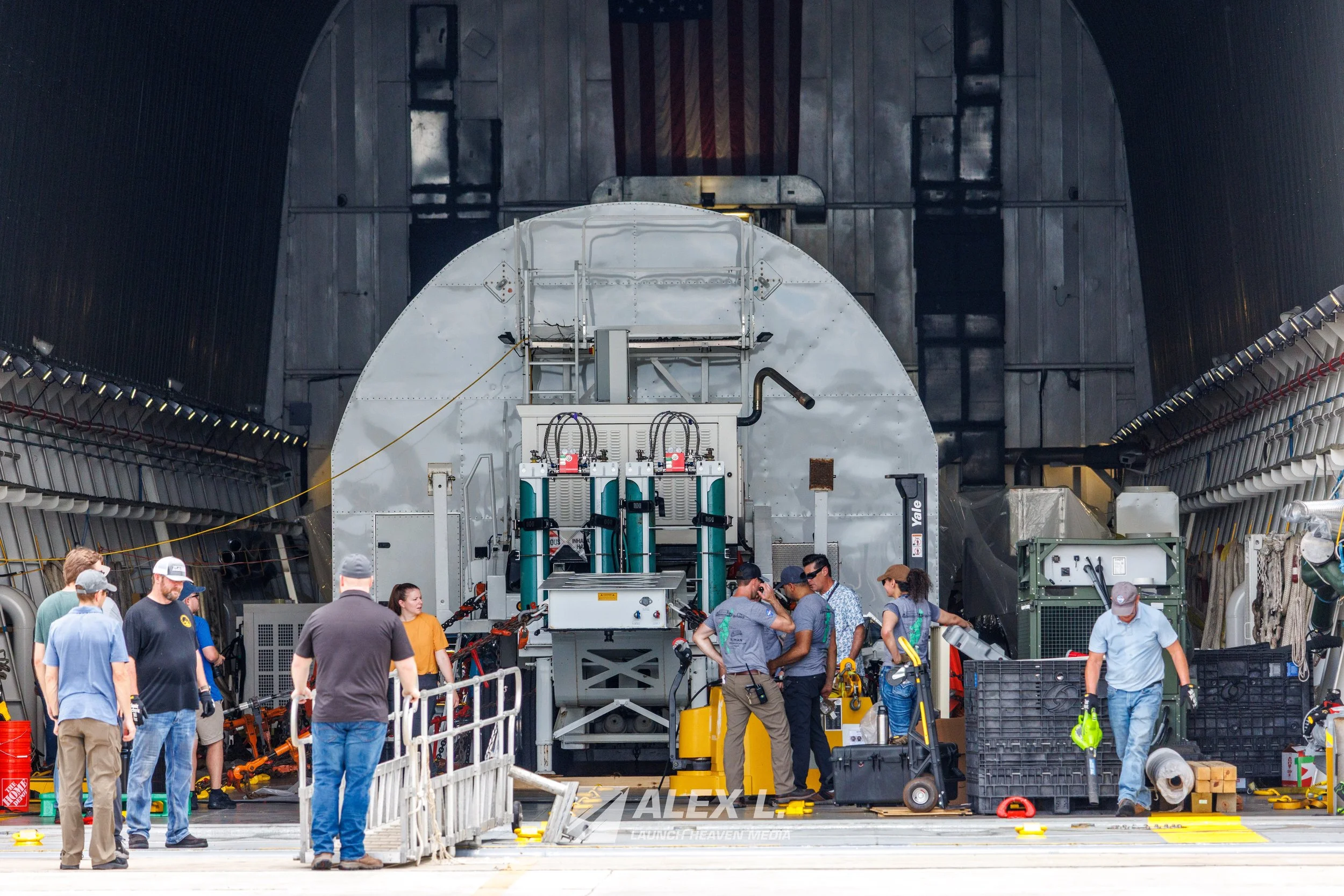
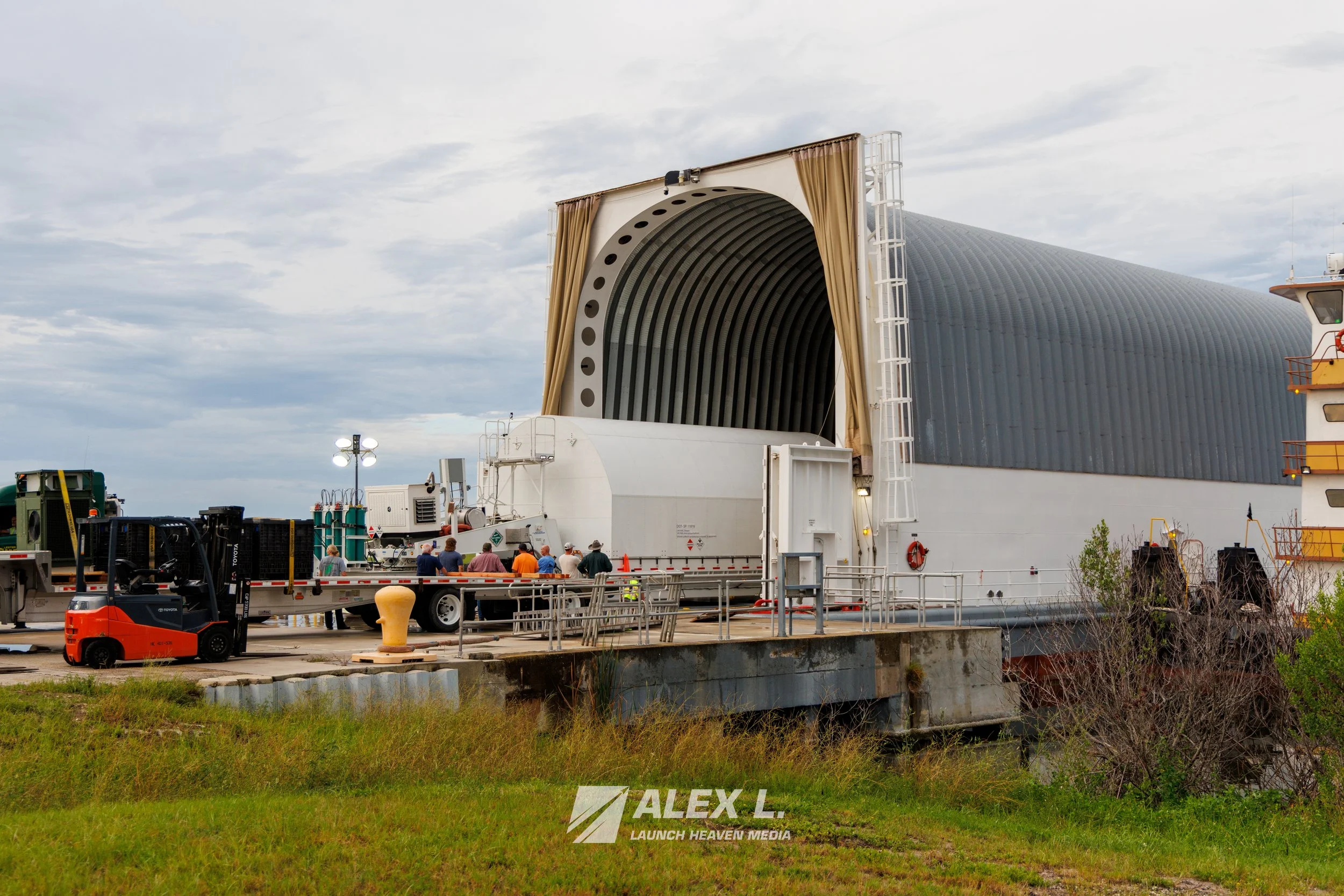
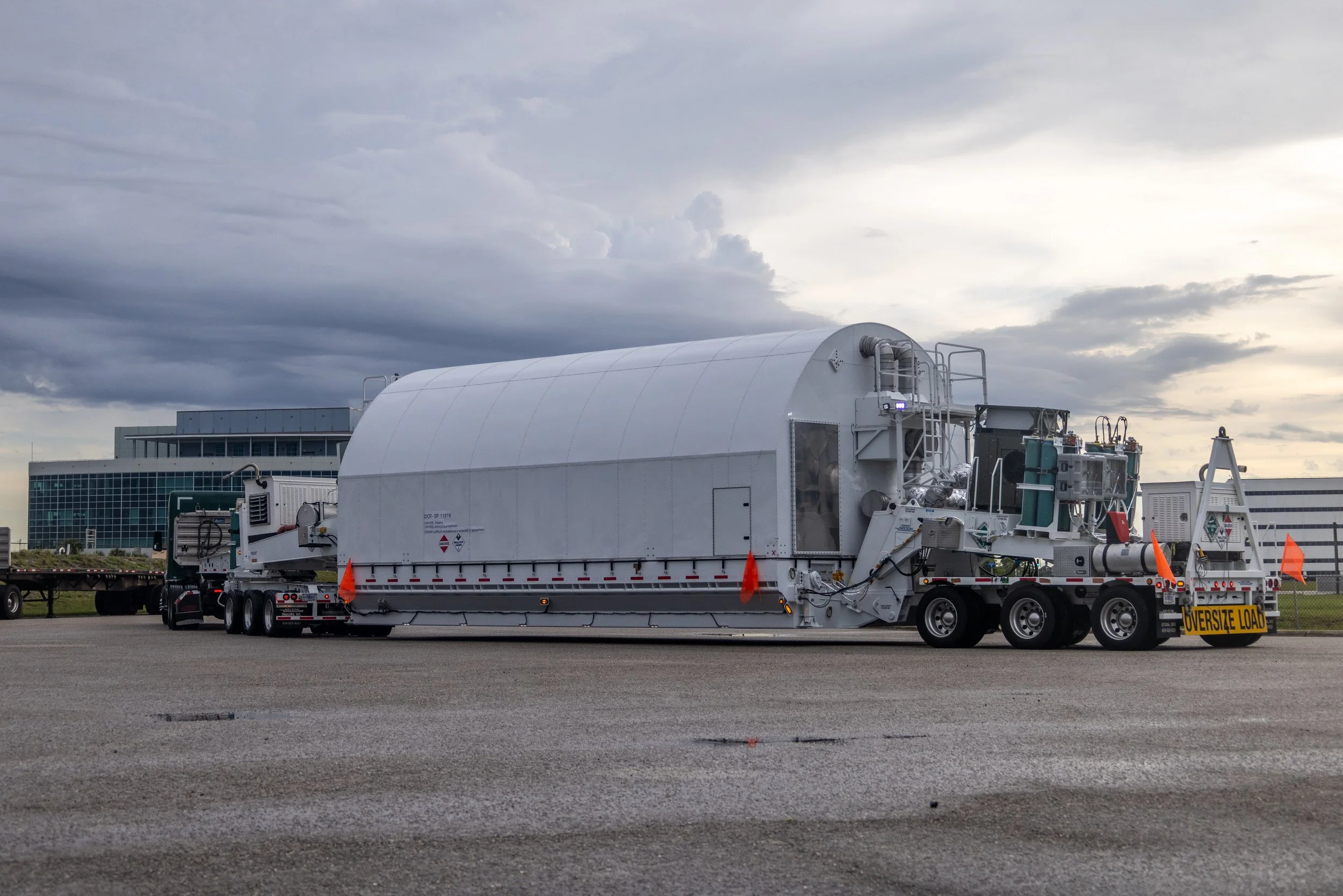
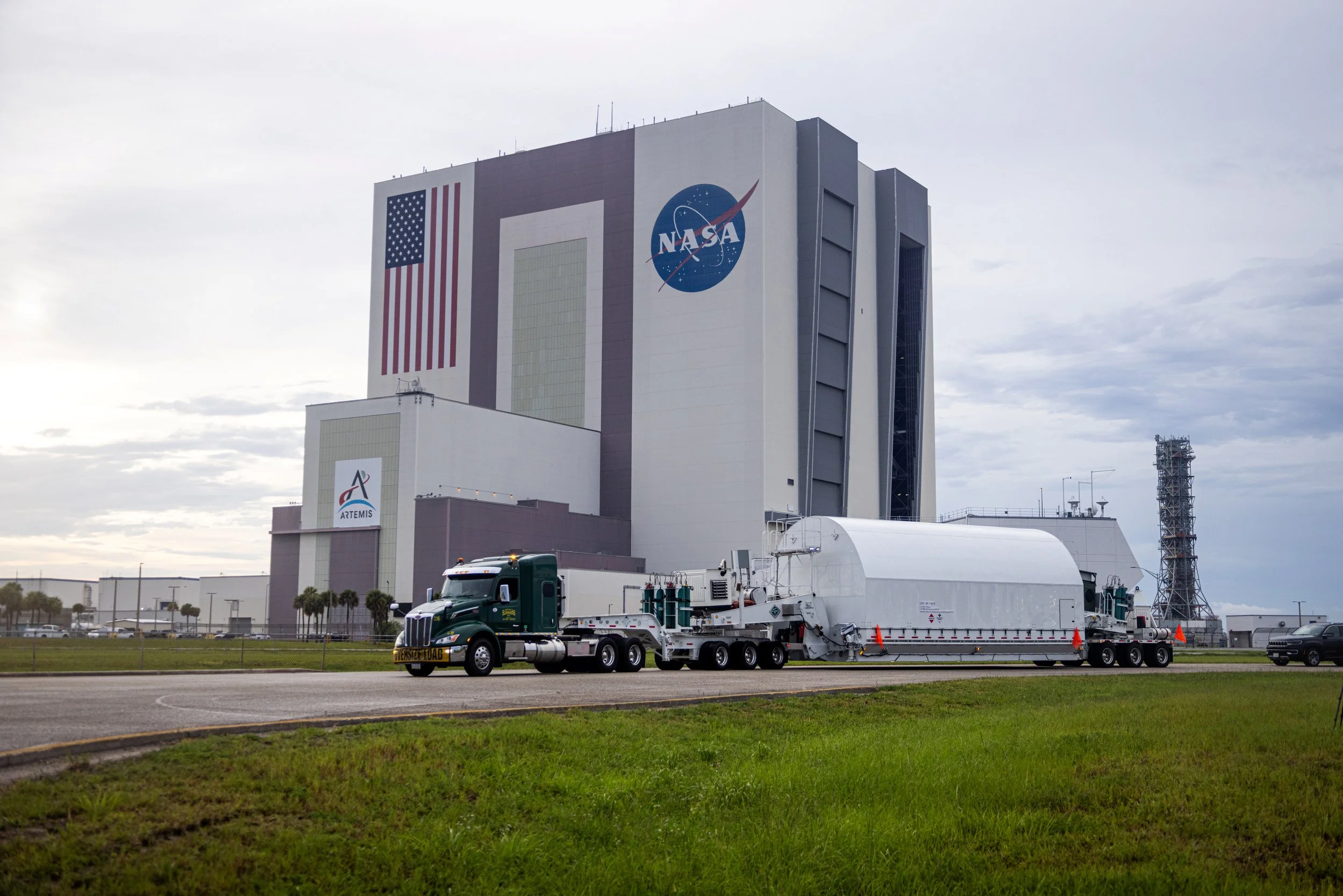
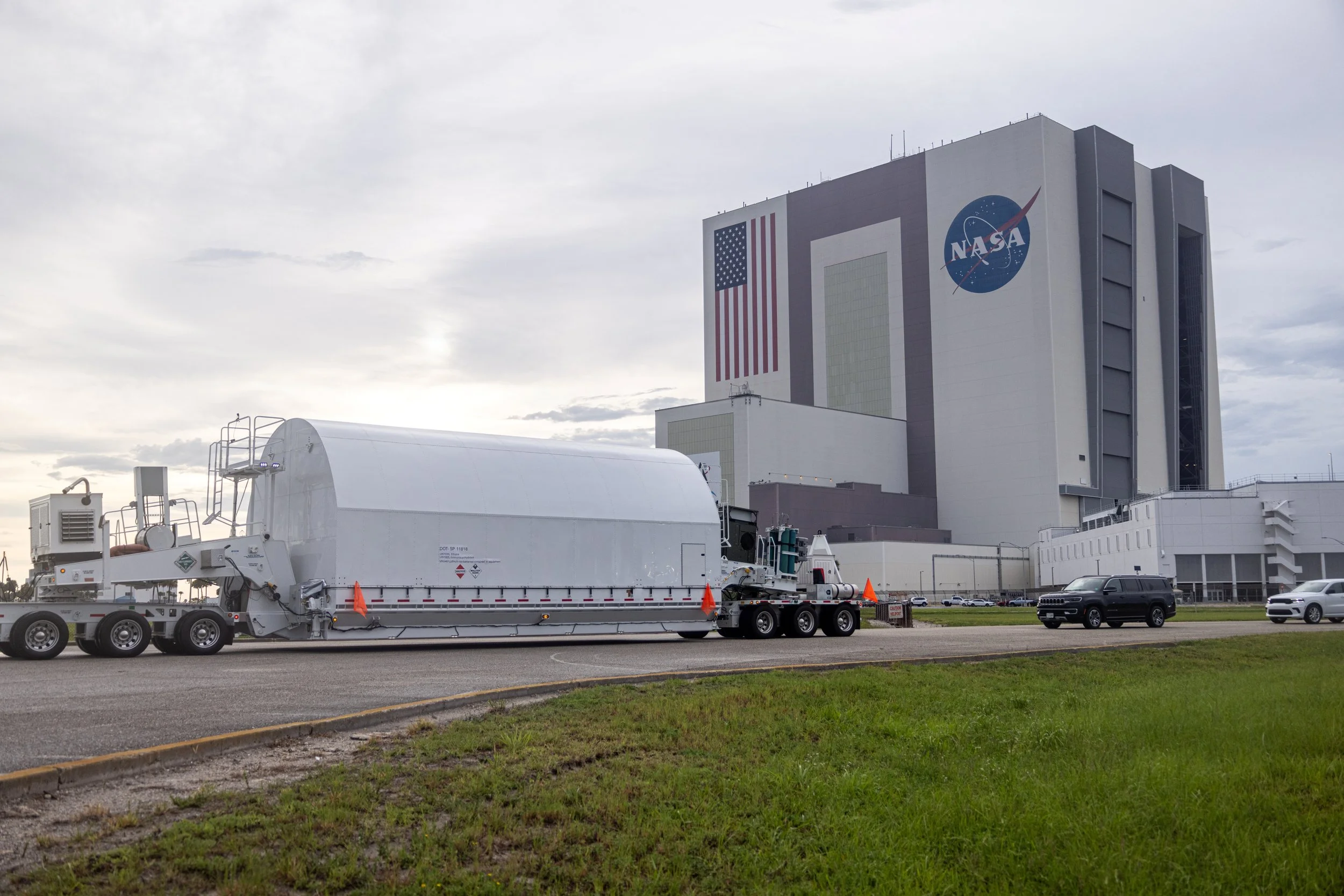
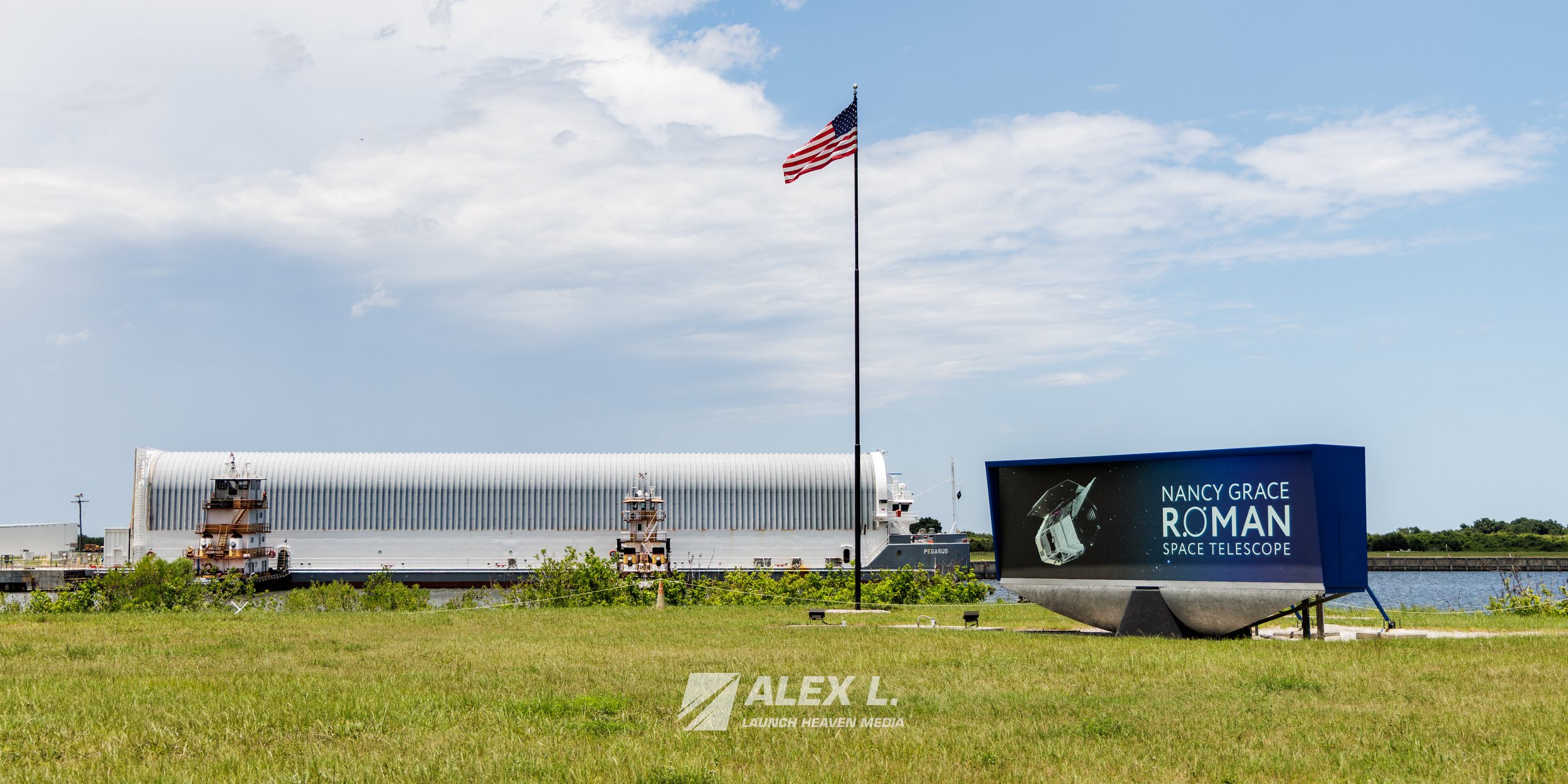
NASA's Nancy Grace Roman Space Telescope arrived at Kennedy Space Center on Sunday, June 21st, tucked inside a protective transport container nicknamed "the Chariot" and riding aboard NASA's Pegasus barge down the Atlantic coast from the port of Baltimore. After teams completed integration and testing at NASA's Goddard Space Flight Center in Greenbelt, Maryland, Roman made the journey south to its new home at the Payload Hazardous Servicing Facility, which recently completed a round of upgrades specifically to prepare for the observatory's arrival. Technicians met the telescope at Kennedy's turn basin wharf, offloaded the trailer from the barge, and began the meticulous process of cleaning the exterior before moving the shipping container into the facility's airlock. On Monday, June 22, the cover came off and Roman moved into the high bay, where it will spend the coming weeks being processed, inspected, and readied for flight.
The work ahead is thorough and deliberate. Technicians will test Roman's six solar panels, inspect its insulation and thermal control system, and load approximately 290 gallons of hydrazine fuel into the spacecraft's tanks. From there, Roman will be encapsulated inside its protective fairing, integrated with a SpaceX Falcon Heavy, and rolled out to LC 39A. Targeting liftoff no earlier than Sunday, August 30th, Roman will be eight months ahead of its original timeline. Once it clears the atmosphere, the observatory will make the journey to the second Sun-Earth Lagrange point (L2), the same gravitational parking spot occupied by the James Webb Space Telescope, roughly 930,000 miles from Earth. There it will spend its five-year primary mission doing what it was designed to do: stare at an enormous piece of sky at once and not blink. The launch contract with SpaceX, announced in July 2022, is valued at approximately $255 million.
Photo: Alex L.
The observatory's primary data collector, the Wide Field Instrument, is a 300.8-megapixel multi-band visible and near-infrared camera that covers a field of view 100 times larger than Hubble's imaging cameras, at comparable resolution. A survey that would take Hubble thousands of years to complete, Roman can finish in just one. During its primary mission, scientists expect the telescope to detect hundreds of black holes, hundreds of thousands of new exoplanets, and billions of galaxies. Its second instrument, the Coronagraph, is a high-contrast imager designed to directly image individual exoplanets by suppressing the blinding glare of their parent stars, a technology demonstration that will define how the next generation of space observatories hunts for signs of life. Roman also carries enough propellant to sustain operations for at least ten years beyond its five-year primary mission, giving Roman a very long runway to make good on its ambitions.
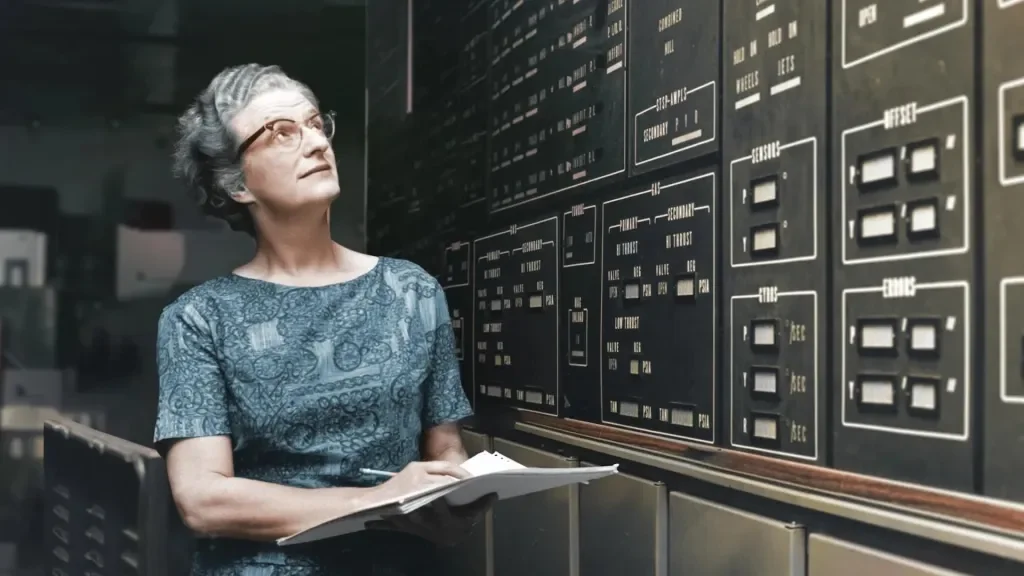
Nancy Grace Roman was born May 16, 1925, in Nashville, Tennessee. She spent her childhood moving around the country for her father's work, and her mother sparked her interest in nature by going on long walks with her, but the constellations were what enraptured her most. Sadly, the world she grew up in was not inclined to help her pursue that interest. She was told by many that a woman could not be an astronomer. In an interview with NASA she said, “I certainly did not receive any encouragement. I was told from the beginning that women could not be scientists.
In high school, I asked my guidance counselor for permission to take a second year of algebra, instead of a fifth year of Latin. And she looked down her nose at me and sneered, “What lady would take mathematics instead of Latin.”” She ignored the naysayers, earned her Ph.D. from the University of Chicago in 1949, and spent six years at the Yerkes Observatory making all kinds of amazing discoveries and increasing her standing within the astronomical community. When NASA came along in 1959 she joined immediately, became its first Chief of Astronomy in 1960, and its first female executive.
The job she stepped into was essentially a blank page: space astronomy did not exist as a program, and Roman built it from the ground up. She oversaw the Orbiting Solar Observatory series, championed the concept of a permanent space-based optical telescope for years before Congress was willing to fund one, and when approval finally came in 1977 she had already spent a decade defining the scientific objectives and the minimum specifications the instrument needed to meet them. One of her most significant contributions was pushing for charge-coupled devices to replace the previous standard sensors, a move that seemed risky at the time and became the new gold standard for astronomical imaging. Her colleague and future Hubble Chief Scientist Ed Weiler gave her the nickname "Mother of Hubble," which stuck. She retired from NASA in 1979, returned as a contractor, worked at the Goddard Astronomical Data Center, taught school in Washington, D.C., and kept advocating for women in the sciences until her death at 93. In May 2020, NASA announced that the Wide Field Infrared Survey Telescope would be renamed the Nancy Grace Roman Space Telescope in recognition of her contributions to astronomy. She did not live to see it, but the observatory bearing her name is now sitting in a clean room at Kennedy Space Center, getting fueled up and ready for launch day.
Photo: Nasa
Because Roman's arrival at Kennedy puts it eight months ahead of schedule, NASA Administrator Jared Isaacman and Science Mission Directorate head Nicky Fox have taken some evident satisfaction in noting this fact. The mission is a successor in spirit to the great observatory lineage that Roman herself helped establish and it arrives at a moment when the questions it was designed to answer remain as open as they were when she first started asking them. Questions about the universe, how it works, and how common Earth-like worlds are still captivate scientific minds today. Hubble showed us the universe could be breathtaking, and Roman is going to show us how much of it is to still be discovered.