Nancy Grace Roman Telescope Soars to Explore the Mysteries of the Universe
The James Webb Telescope is about to make a new friend. Just under 5 years after the launch of the telescope that changed our understanding of the universe, a new companion is on its way.
Nancy Grace Roman was an early pioneer of space based telescopes, NASA’s first Chief of Astronomy, and foundational to the development of the Hubble Telescope. Her contributions to the field pushed the boundaries of space based observations and changed the way we see the universe forever. Now she’s being immortalized with her own observation platform.
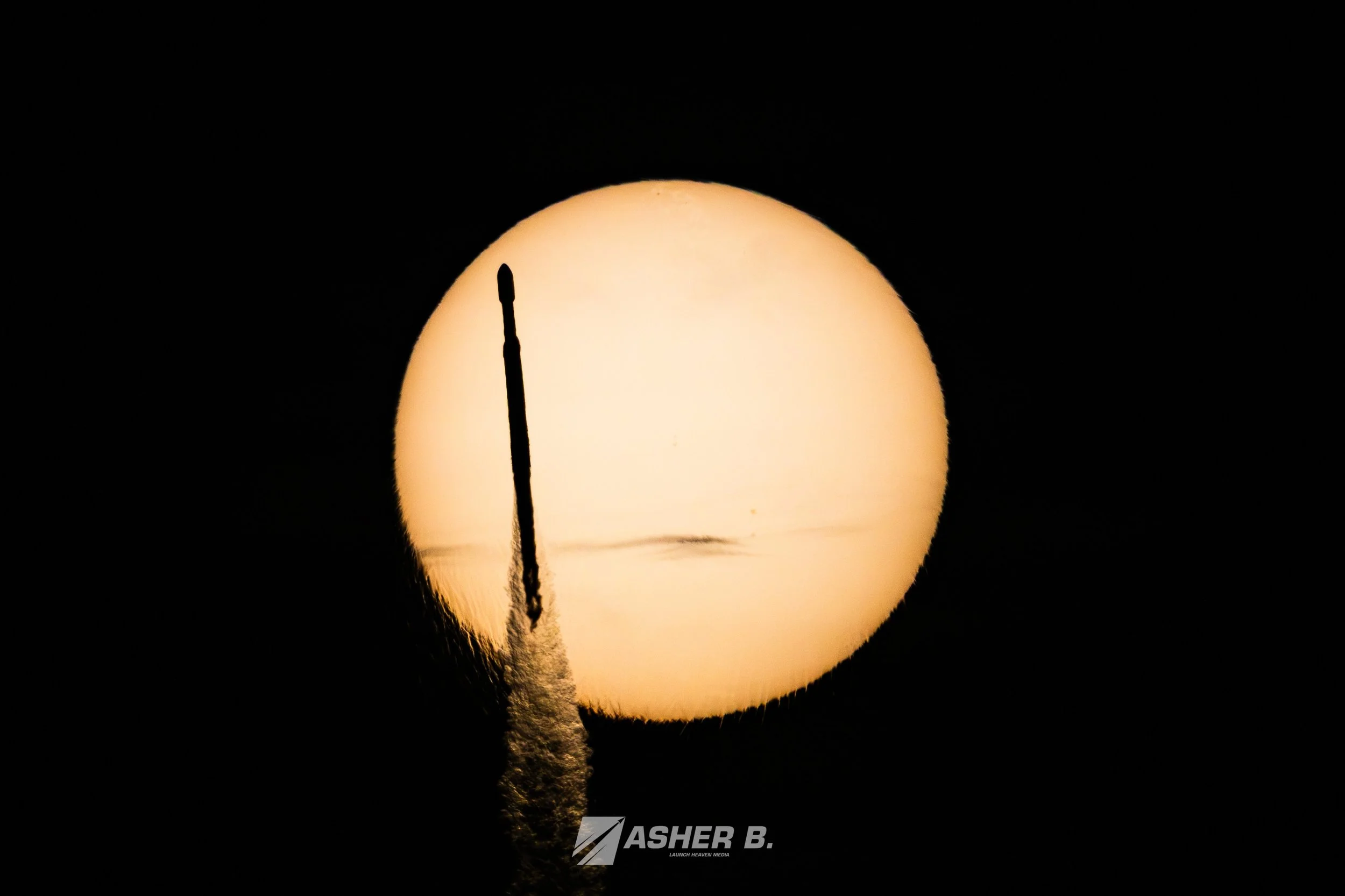
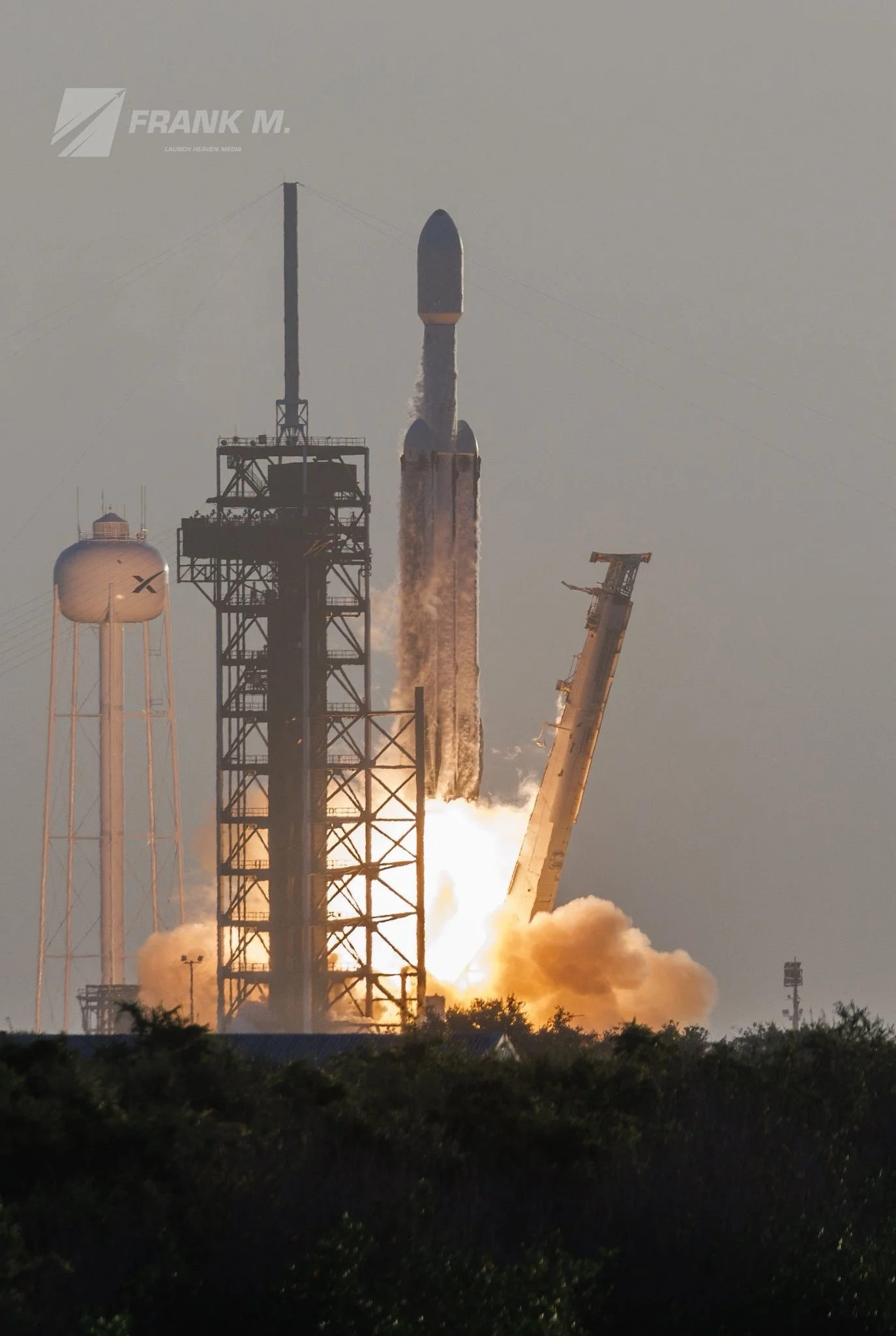
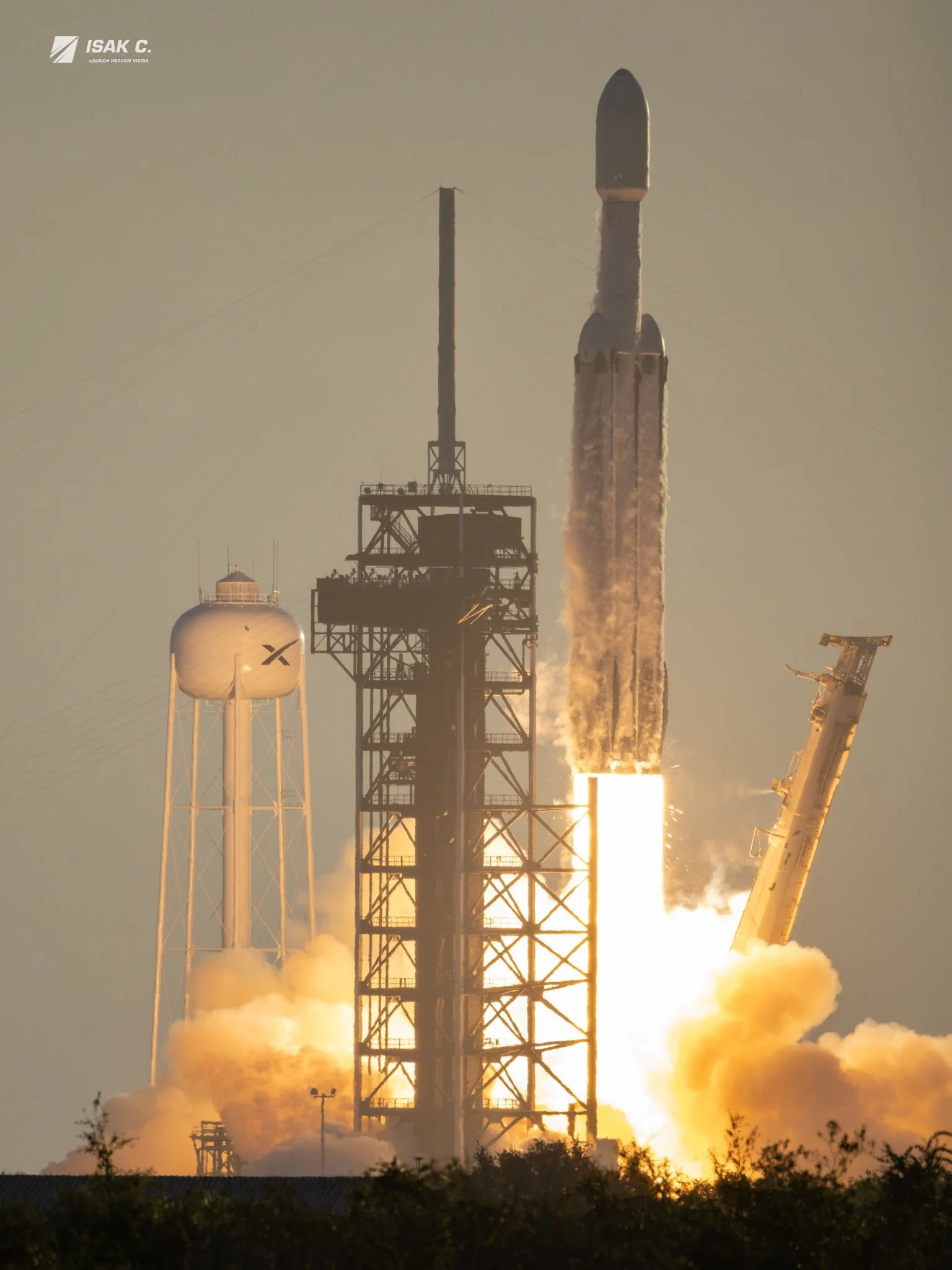
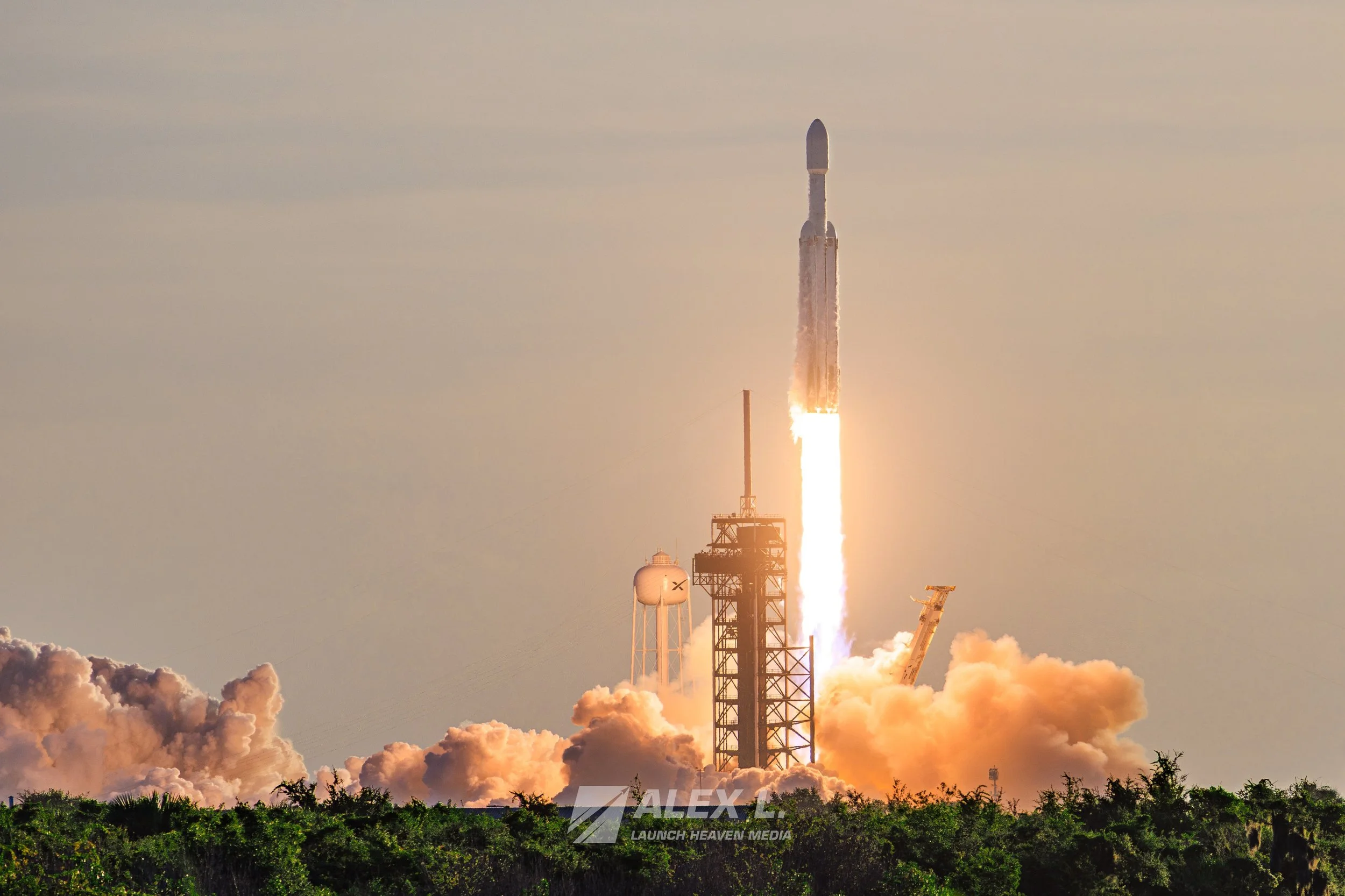
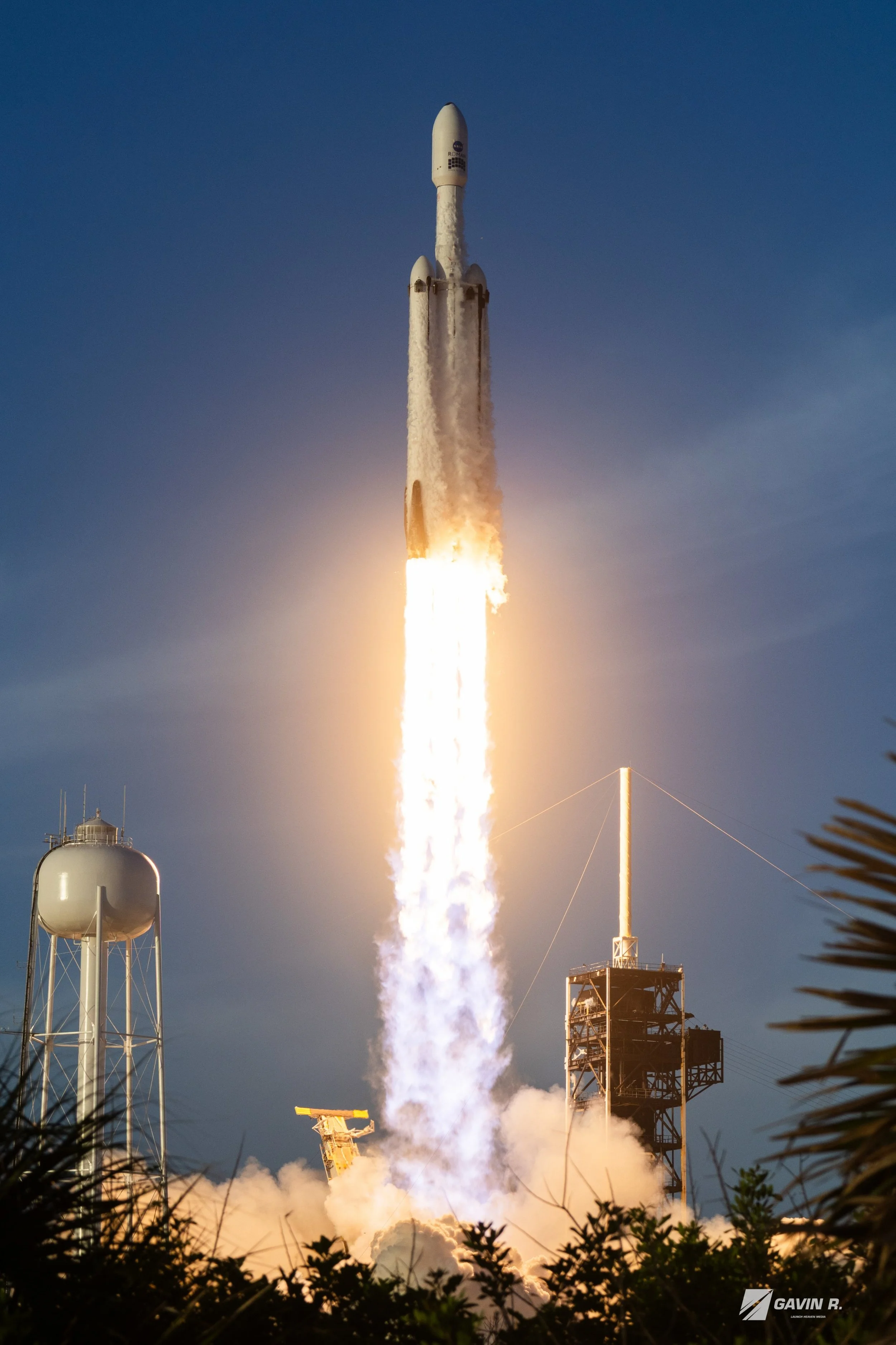
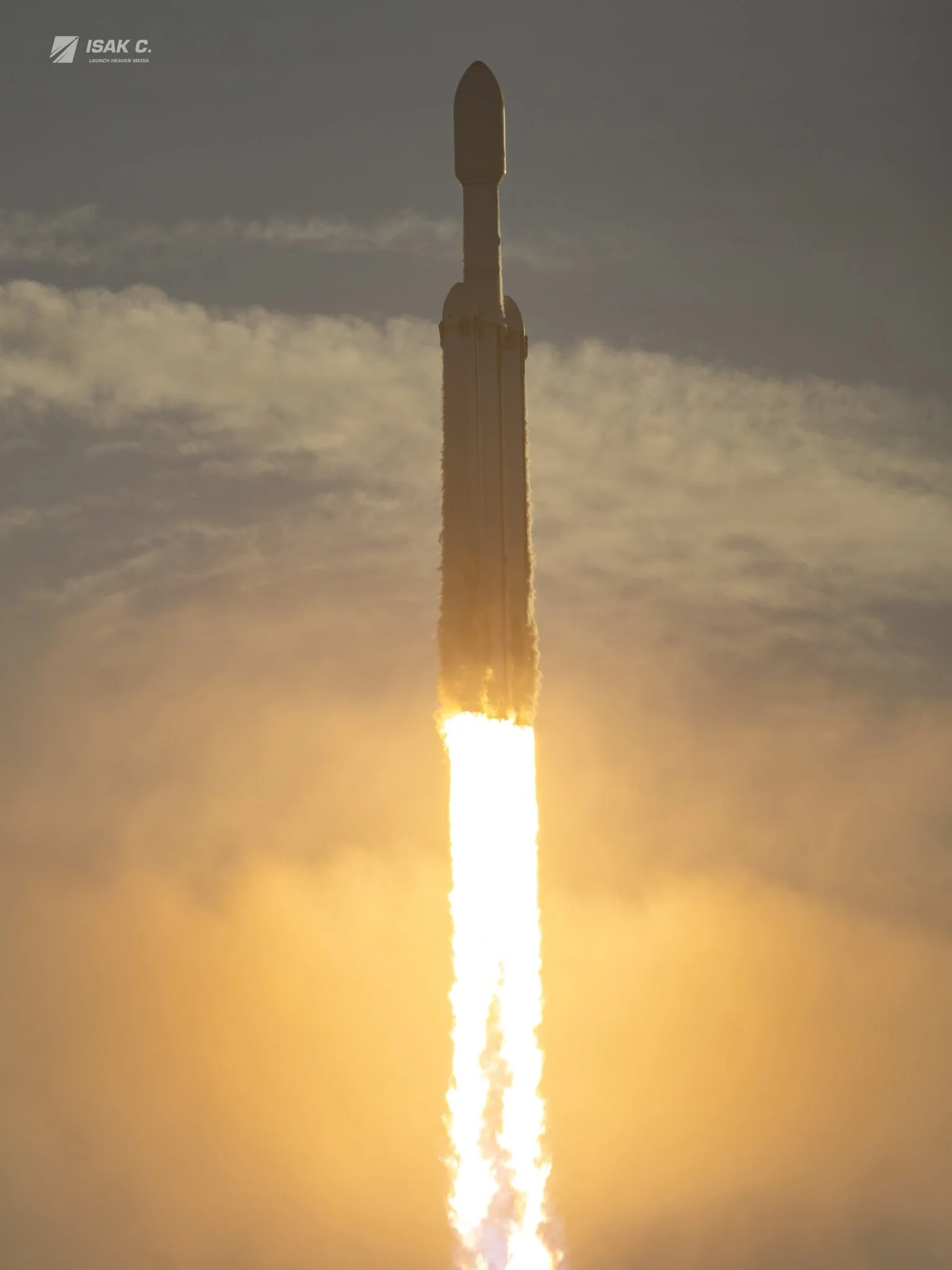
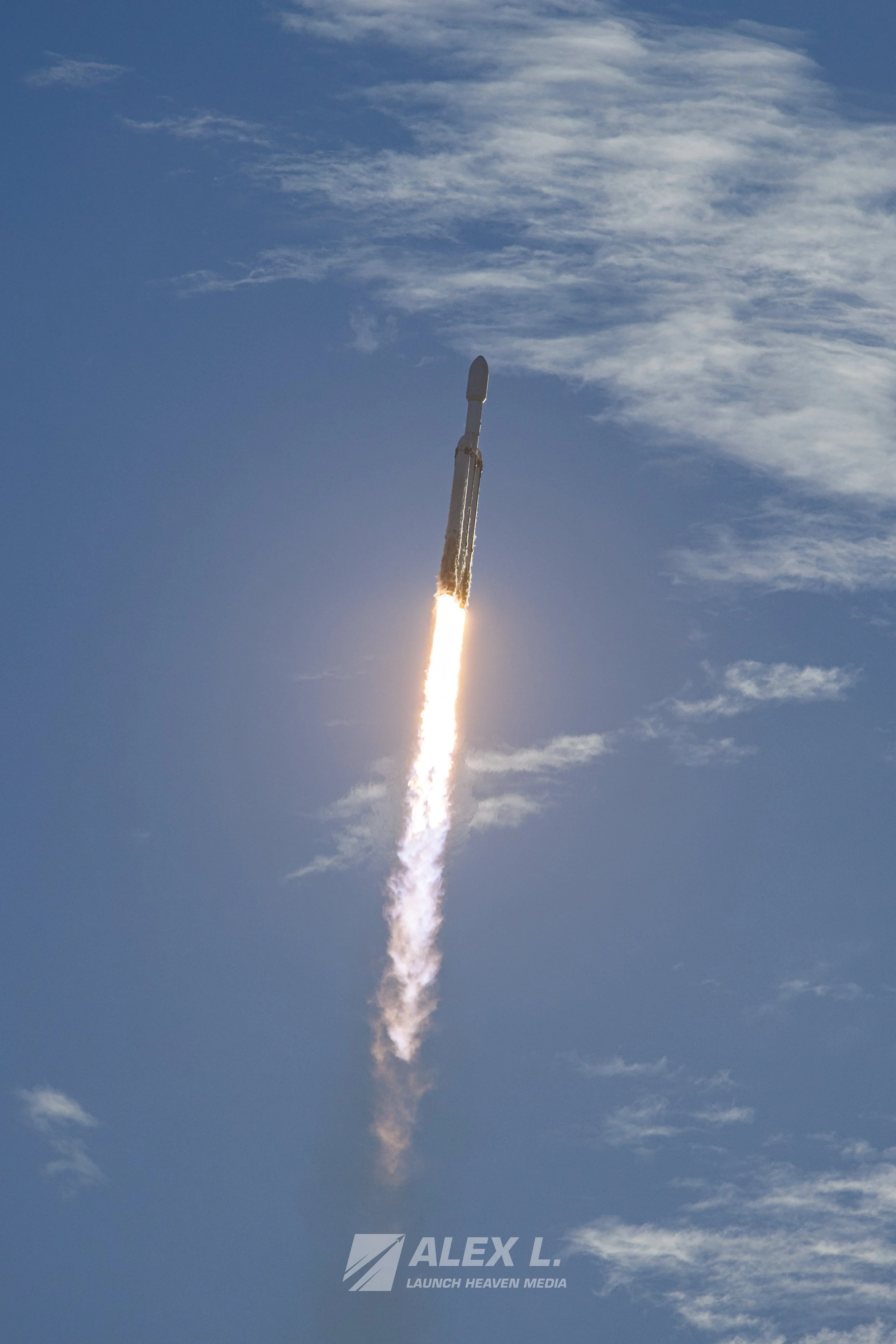
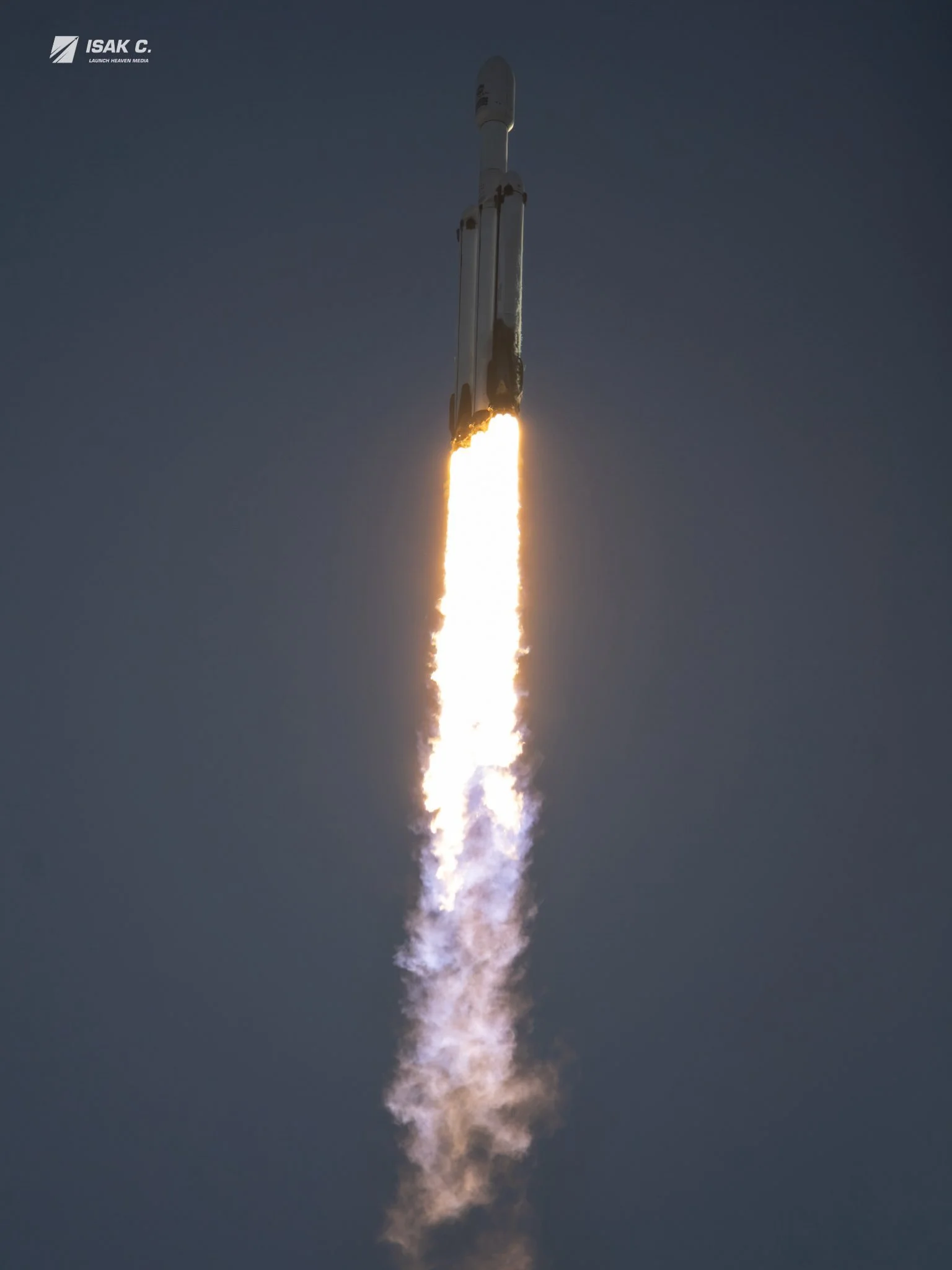
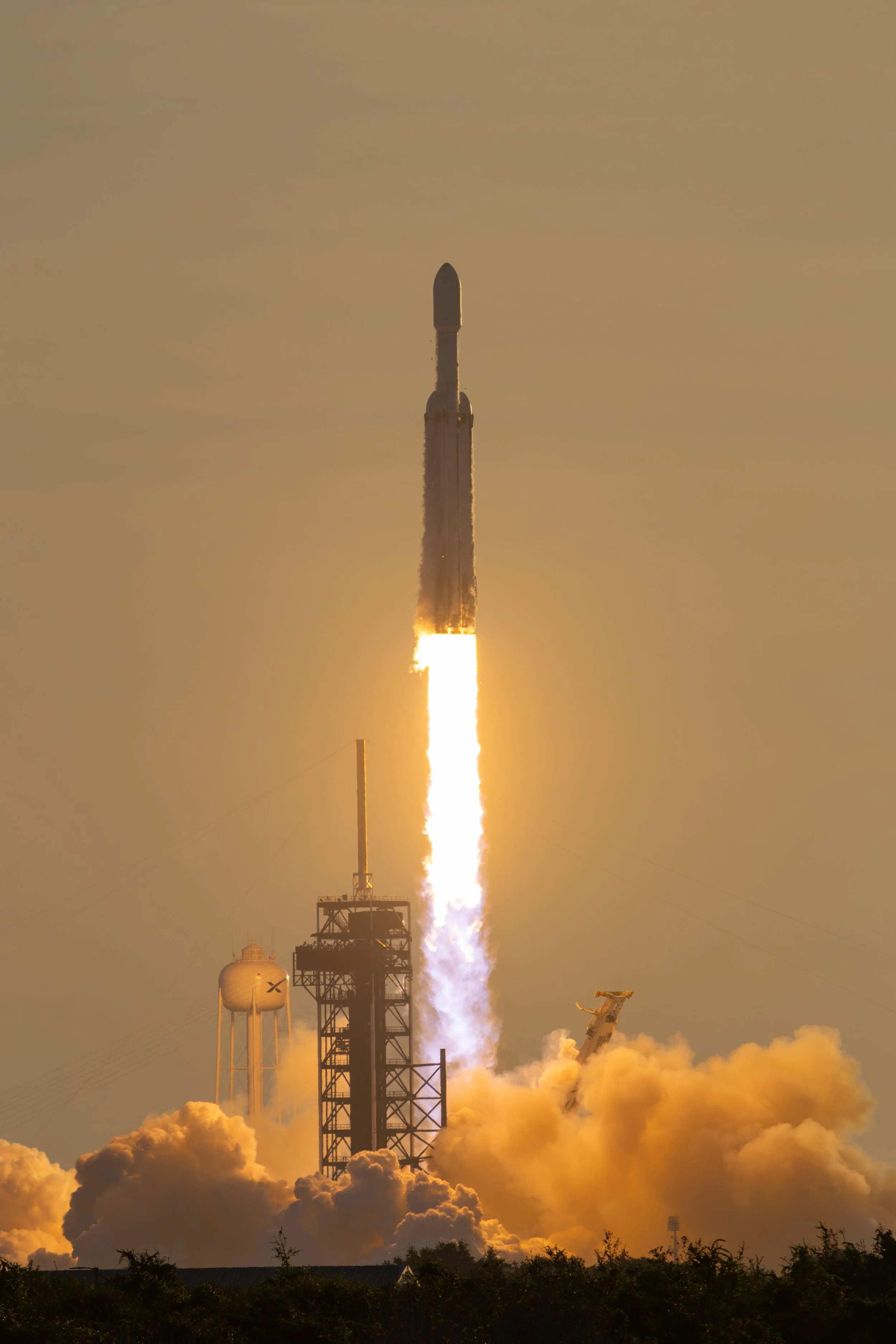
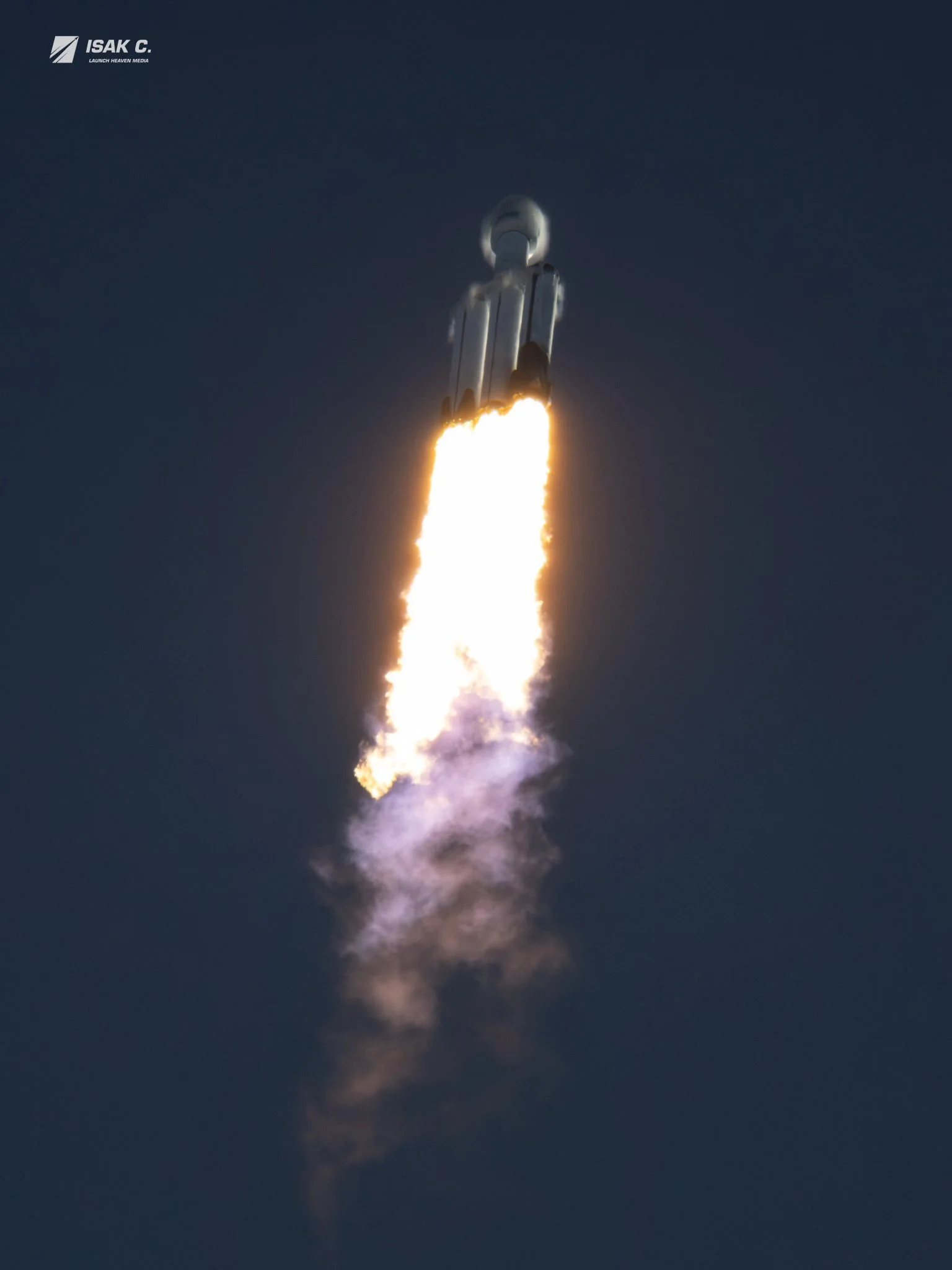
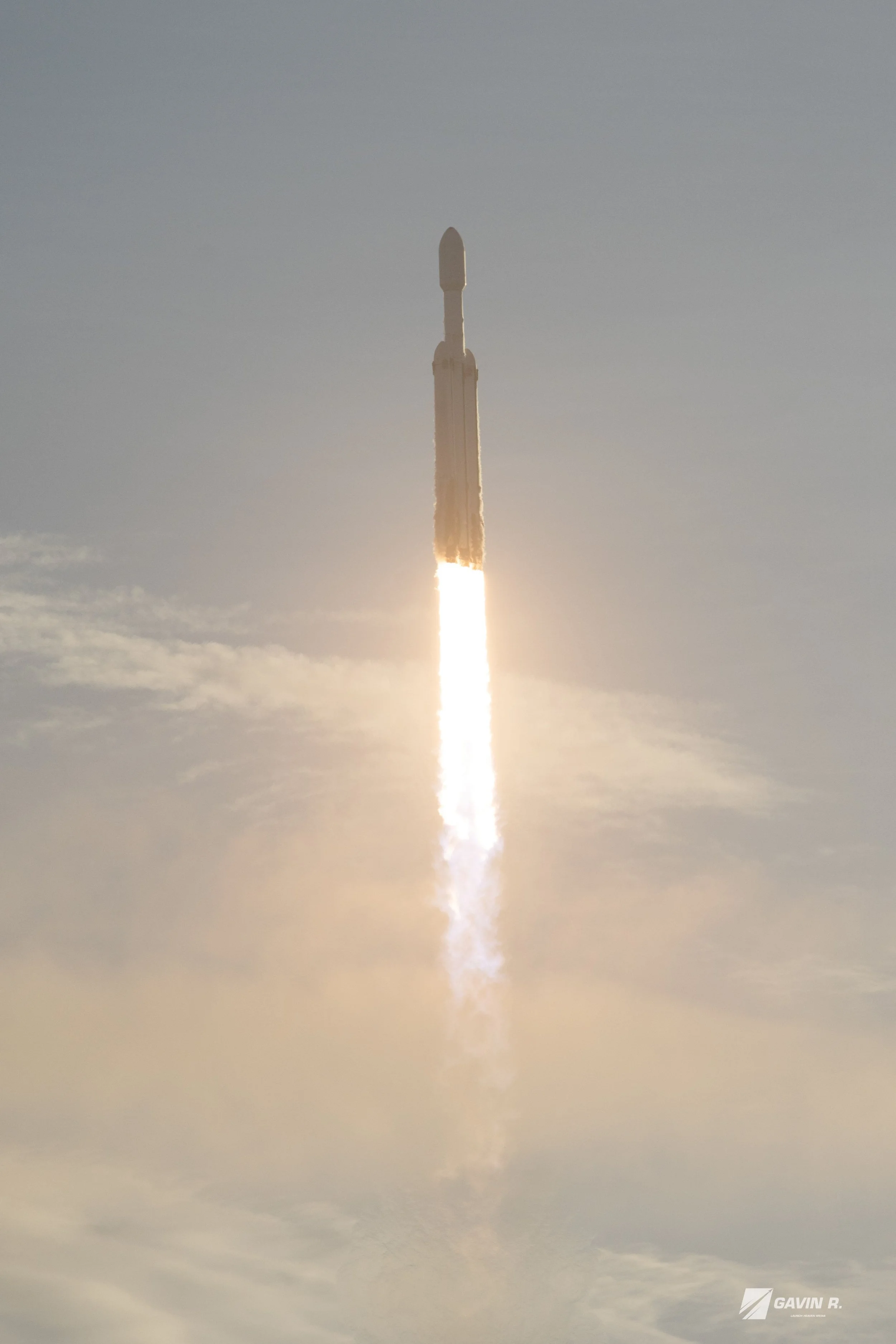
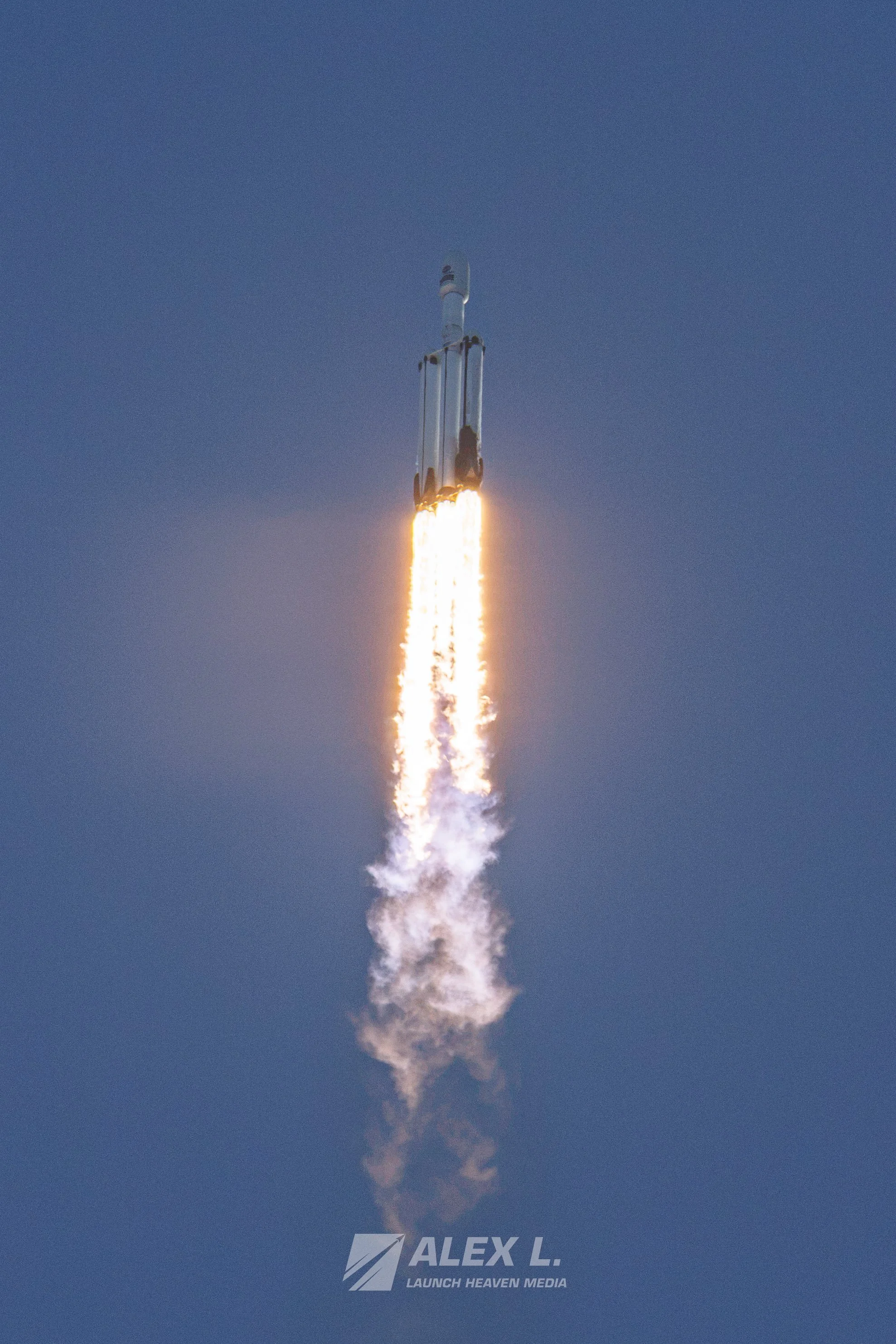
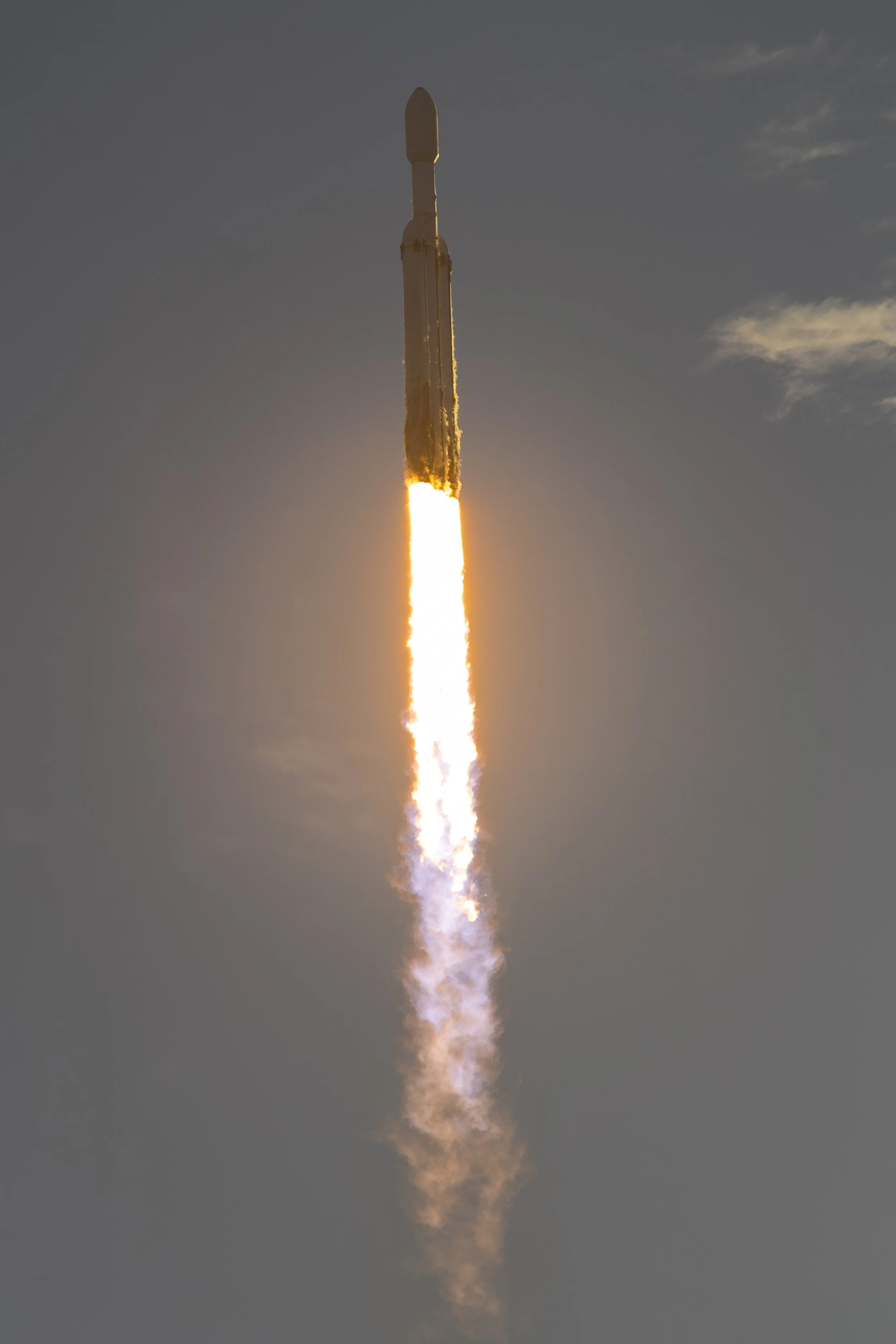
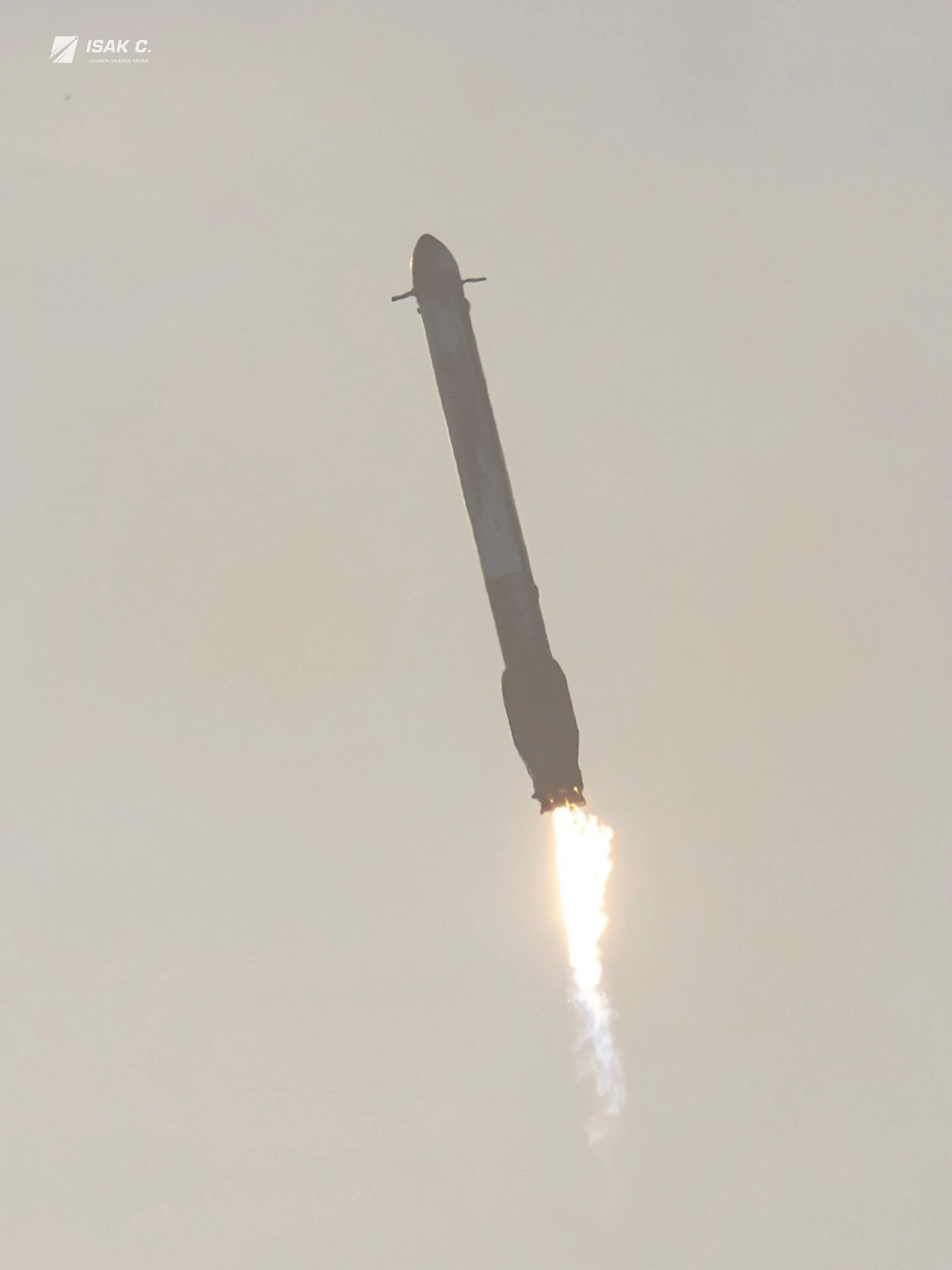
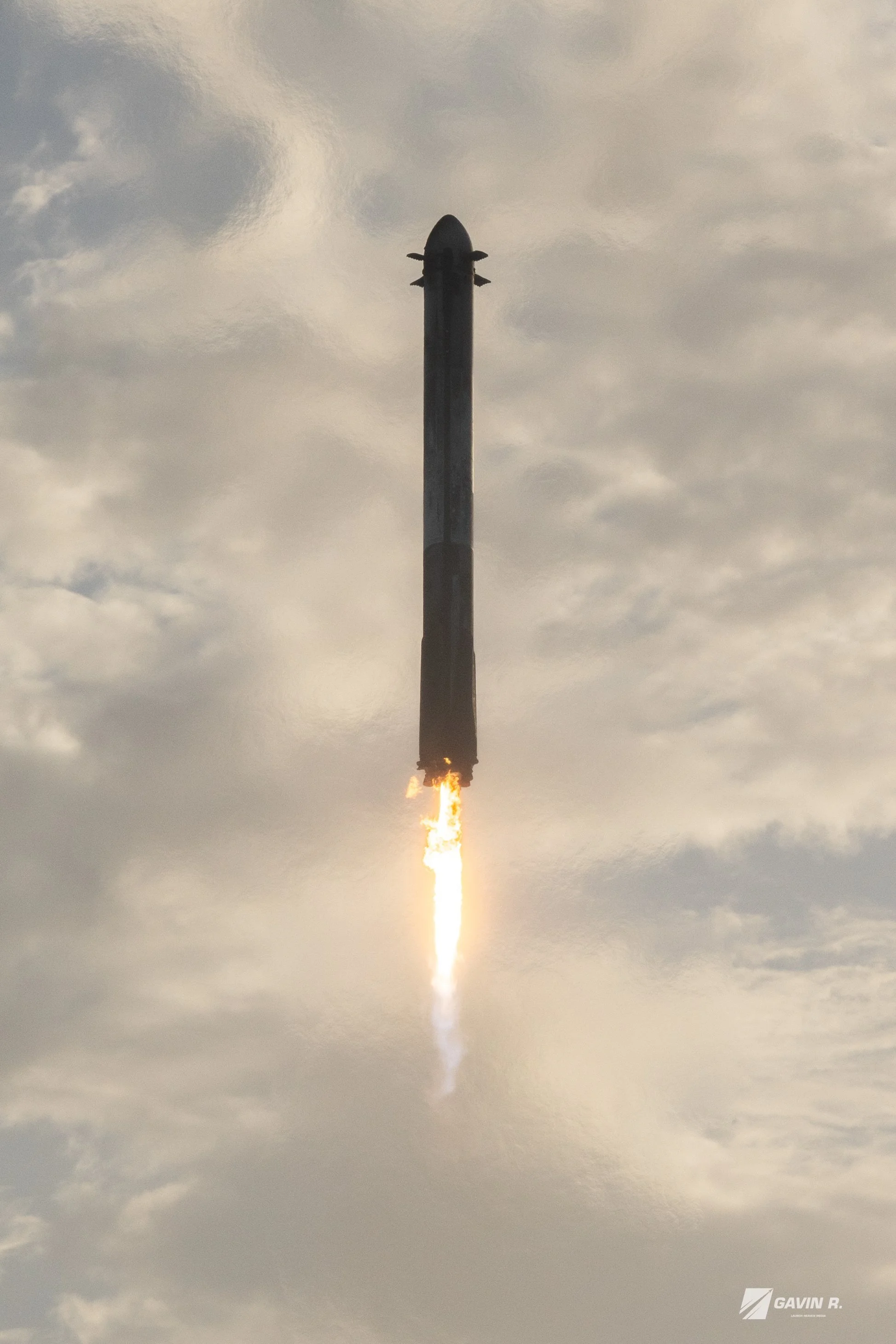
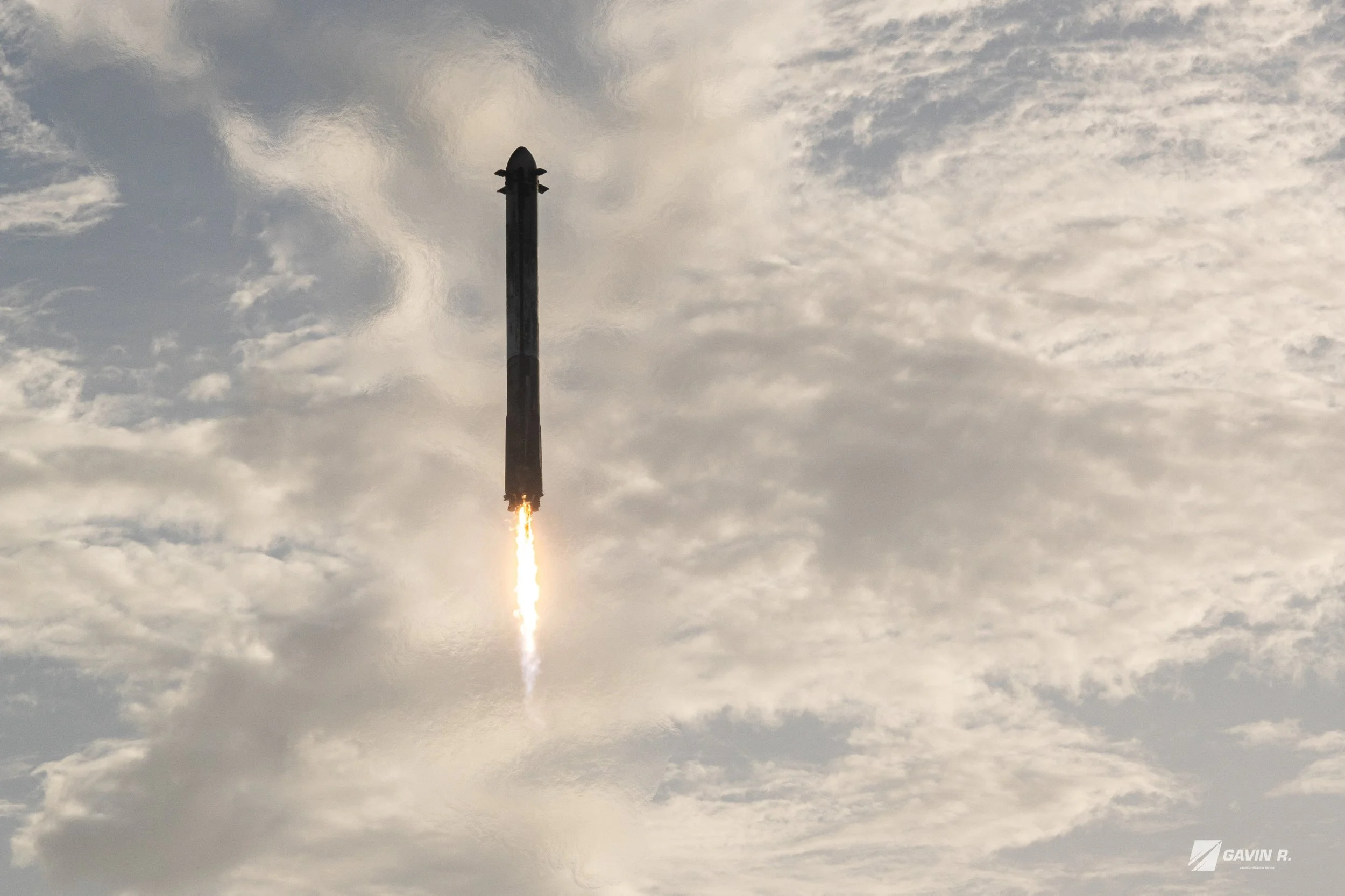
Launched in the early morning hours of August 20th aboard the Falcon Heavy rocket, the Roman Space Telescope soared into the humid Florida sky on a journey to survey the stars. It’s truly an imaging beast, the same size as Hubble but with 30 years newer tech, including a 300 megapixel imaging array. From NASA:
“The telescope has a primary mirror that is 7.9 feet (2.4 meters) in diameter — the same size as the Hubble Space Telescope's primary mirror. The Roman Space Telescope will have two instruments: the Wide Field Instrument, and the Coronagraph Instrument technology demonstration.
The Wide Field Instrument will have a field of view at least 100 times larger than Hubble's, capturing more of the sky with less observing time. As the primary instrument, the Wide Field Instrument will measure light from a billion galaxies over the course of the mission lifetime. It will perform a microlensing survey of the inner Milky Way to find more than 1,000 exoplanets. The Coronagraph Instrument technology demonstration will perform high contrast imaging and spectroscopy of individual nearby exoplanets.”
How this Telescope came to be is an interesting journey of its own. In 2012 the National Reconnaissance Office had a couple spare spy satellites sitting around and decided that they could be better served looking out into the universe instead of inward at our enemies. The concept for Roman was born, and executed over the next 14 years, barely over budget and ahead of schedule. A crowning achievement for science, not just for NASA, but for the entire astronomy community.
What mysteries this telescope unlocks remains to be seen; the journey to the L2 point, 1 million miles away from Earth, will take roughly 3 months, with operational checkouts occurring along the way. It's scheduled for a 5-year mission to map the stars, and show us our universe in new ways we can’t imagine, yet.
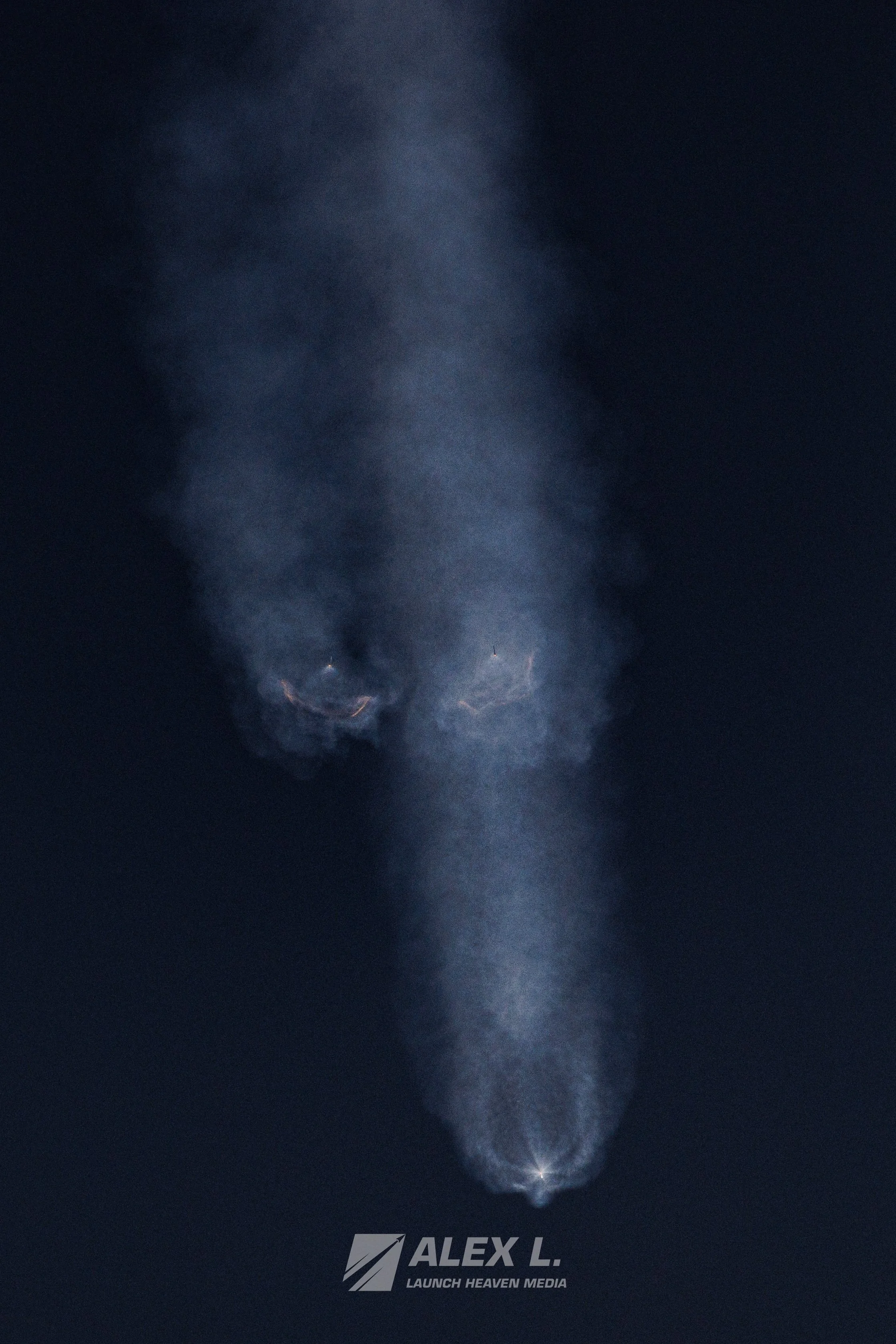
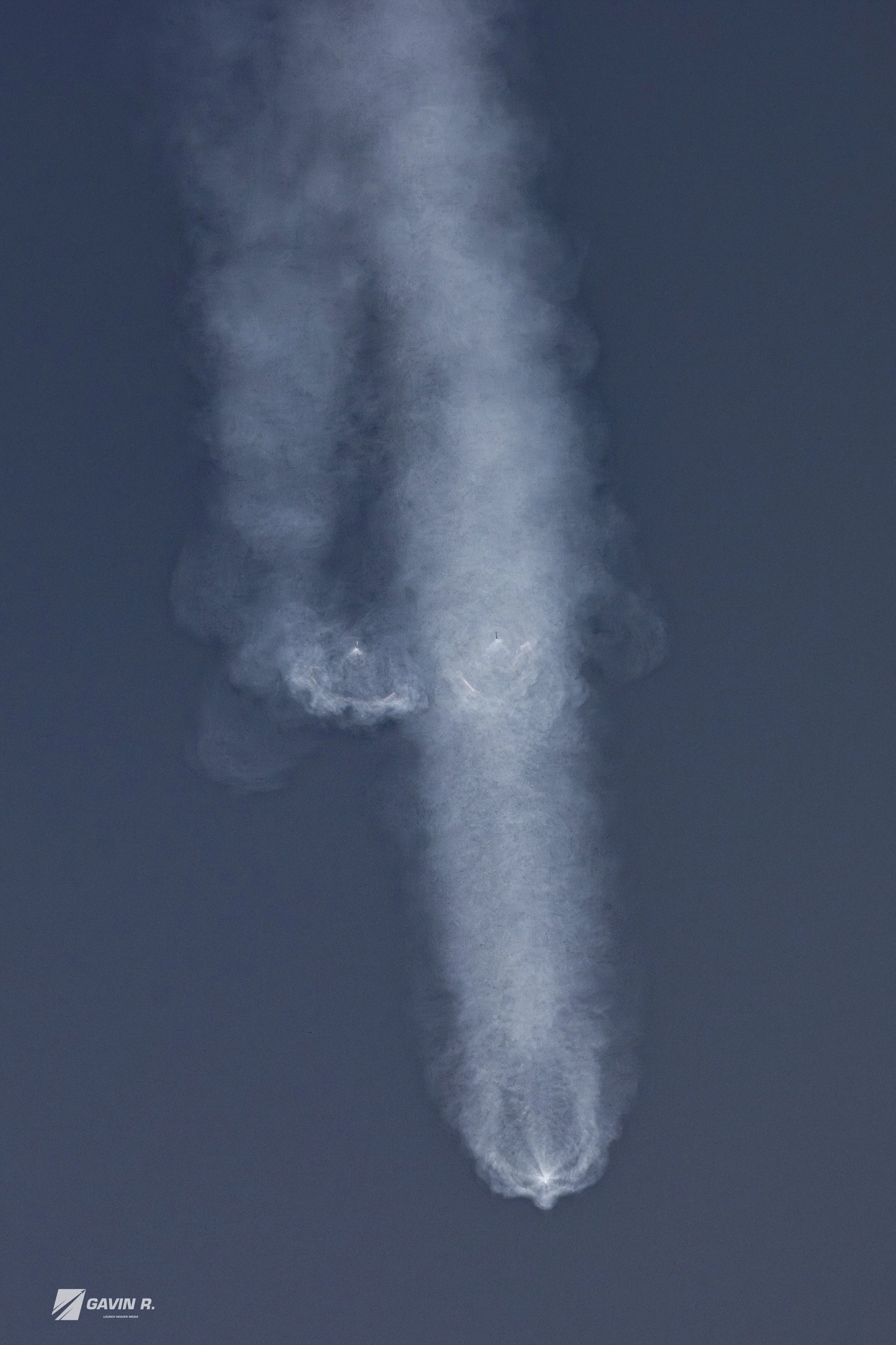
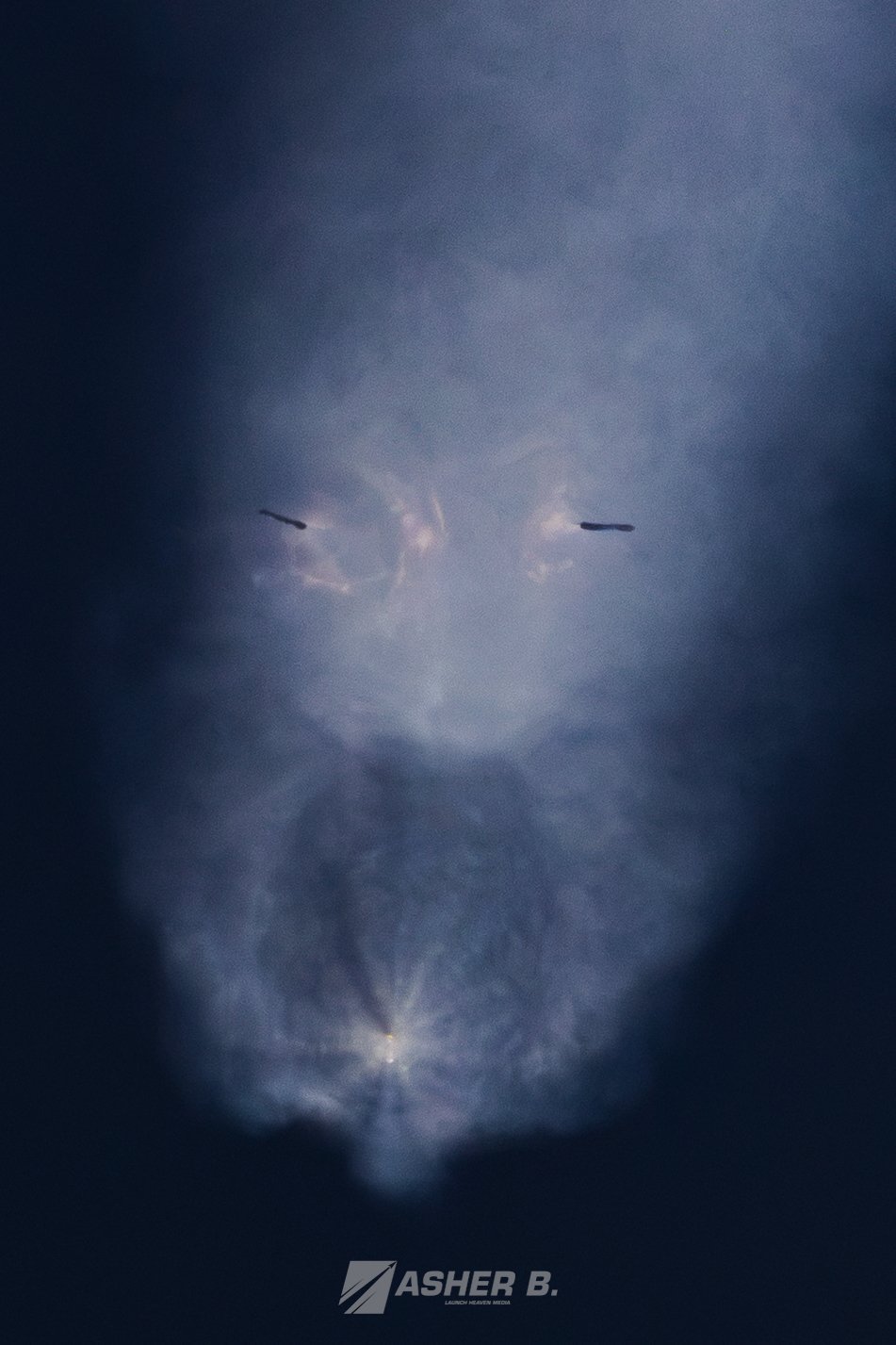
Our Launch Heaven Team was on sight at Kennedy Space Center to capture the historic event.