Weekly Spaceflight Update: August 23 - September 6
The past two weeks have been packed with launches, here’s the two week recap
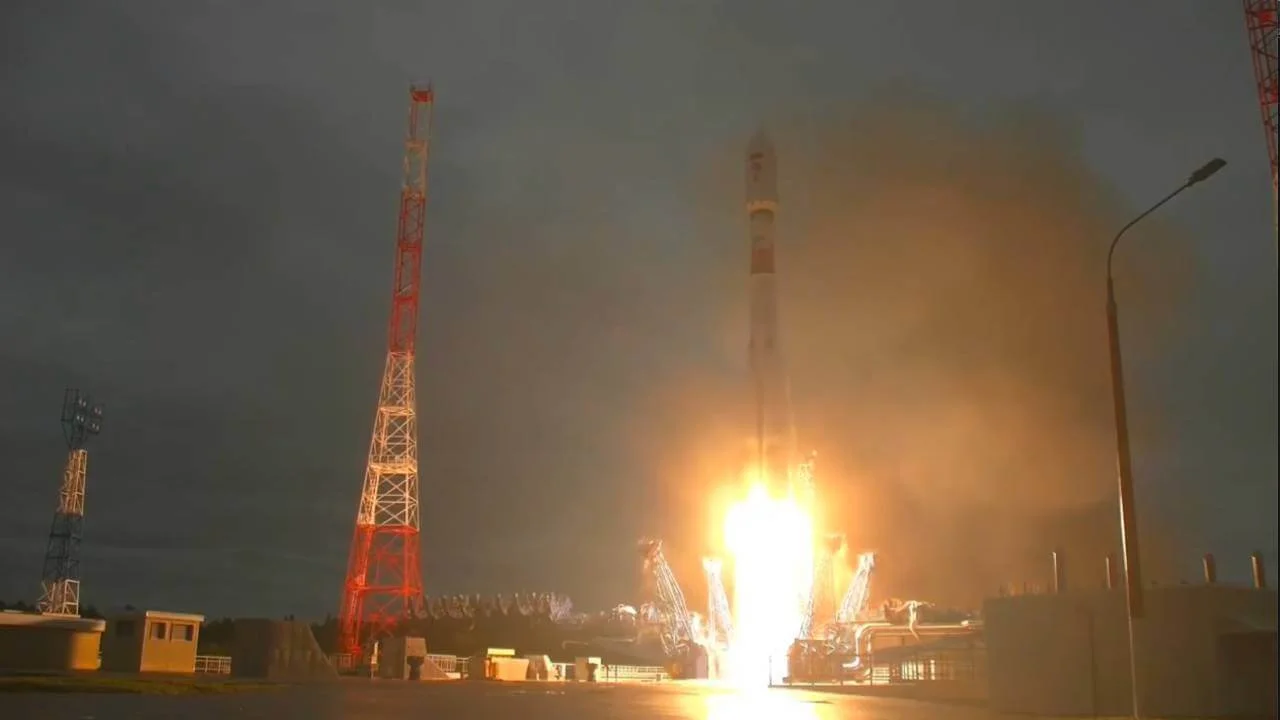
GLONASS-K1 No. 19L - Roscosmos
On Monday, August 24th at 2:40 a.m. UTC, a Soyuz 2.1b/Fregat-M rocket launched from Site 43/3 at the Plesetsk Cosmodrome in Russia. The mission carried a GLONASS-K1 navigation satellite toward Medium Earth Orbit as part of Russia's GLONASS satellite navigation system. The launch was successful, with the spacecraft being deployed by the Fregat upper stage.
Photo: Roscosmos
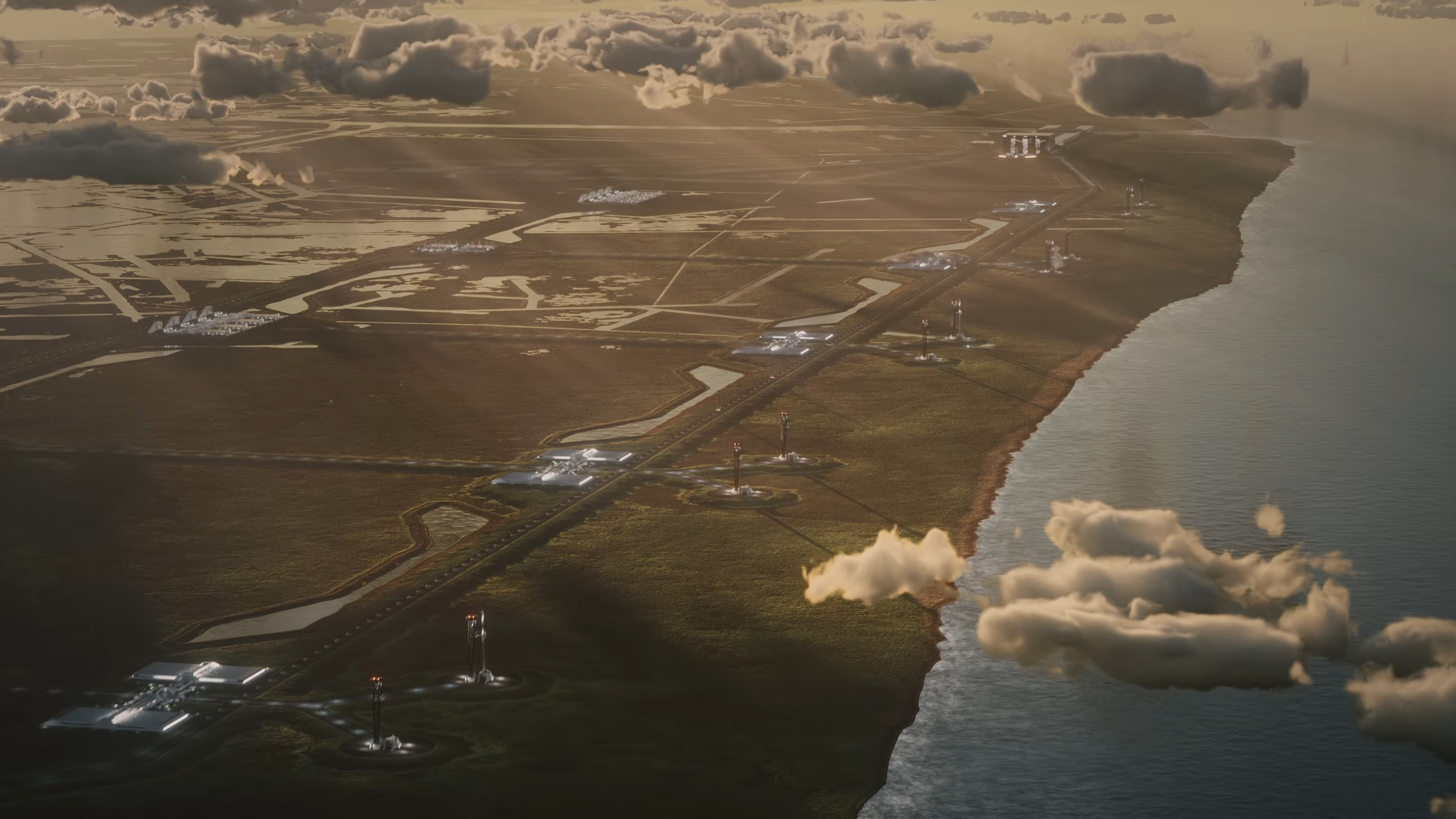
SpaceX Announces Starbase Louisiana
On Tuesday, August 25th, SpaceX announced plans to build a massive new spaceport in southern Louisiana called Starbase Louisiana. The facility will be located on approximately 125,000 acres in Vermilion Parish and is expected to become SpaceX's largest launch site.
SpaceX plans to invest approximately $100 billion into the project, with construction expected to begin in 2027 and the first Starship launch targeted for 2029. The facility is planned to include multiple launch complexes, propellant production, power generation, vehicle processing facilities, deep-water shipping capabilities, and other infrastructure needed to support a high launch cadence.
SpaceX says Starbase Louisiana could eventually support thousands of Starship flights each year. The project is also expected to create more than 3,000 jobs in the region.
Photo: SpaceX
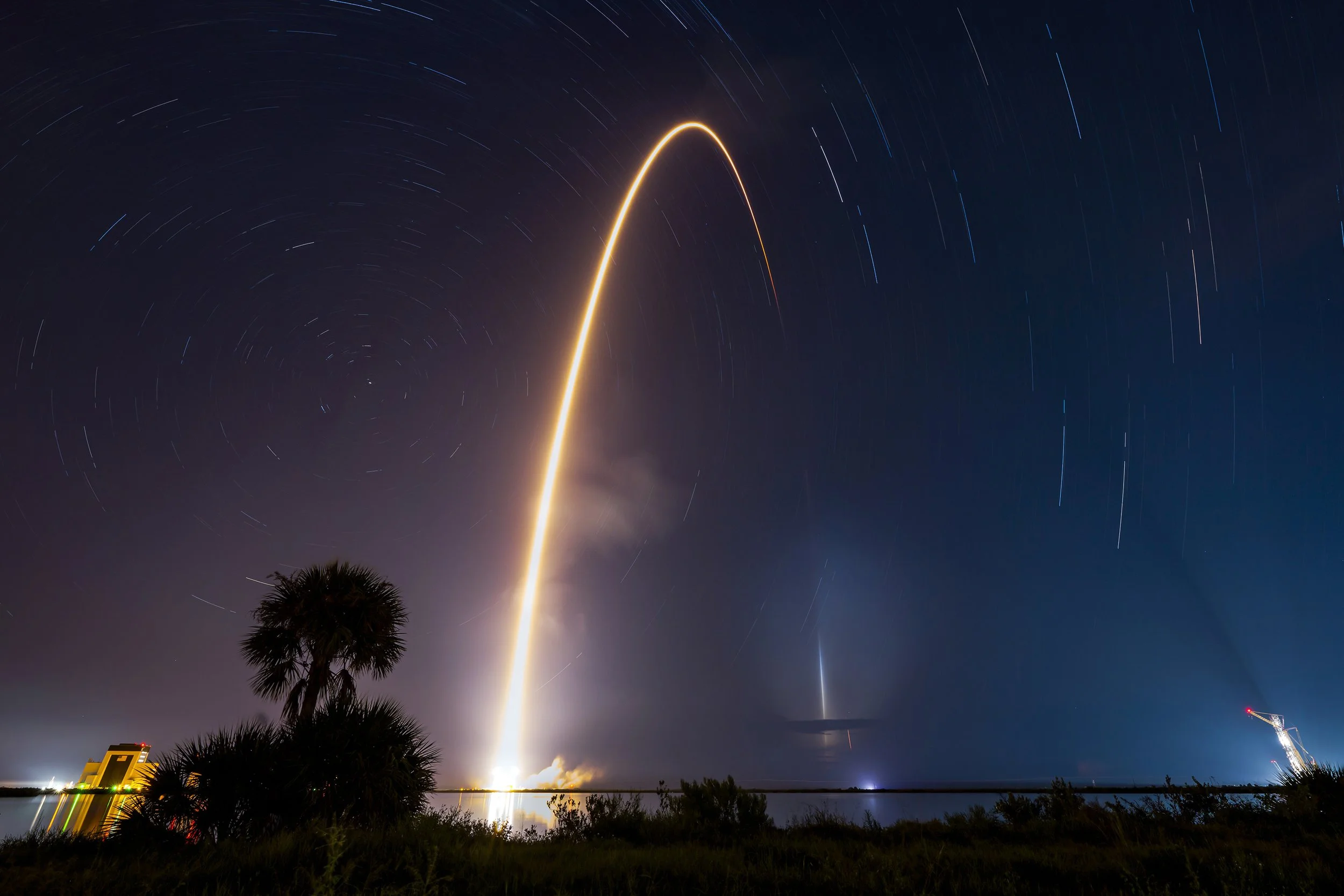
Starlink Group 10-49 - SpaceX
Later on Tuesday, August 25th at 5:33 a.m. EDT, SpaceX launched a Falcon 9 from SLC-40 at Cape Canaveral Space Force Station in Florida, carrying 29 Starlink satellites to Low Earth Orbit.
First-stage booster B1067 completed its 37th flight and successfully landed on the droneship A Shortfall of Gravitas in the Atlantic Ocean. The mission continued SpaceX's rapid deployment of Starlink satellites while setting another milestone for Falcon 9 booster reuse.
This was the final mission for Starlink satellites aboard Falcon 9 from Florida.
Photo: SpaceX
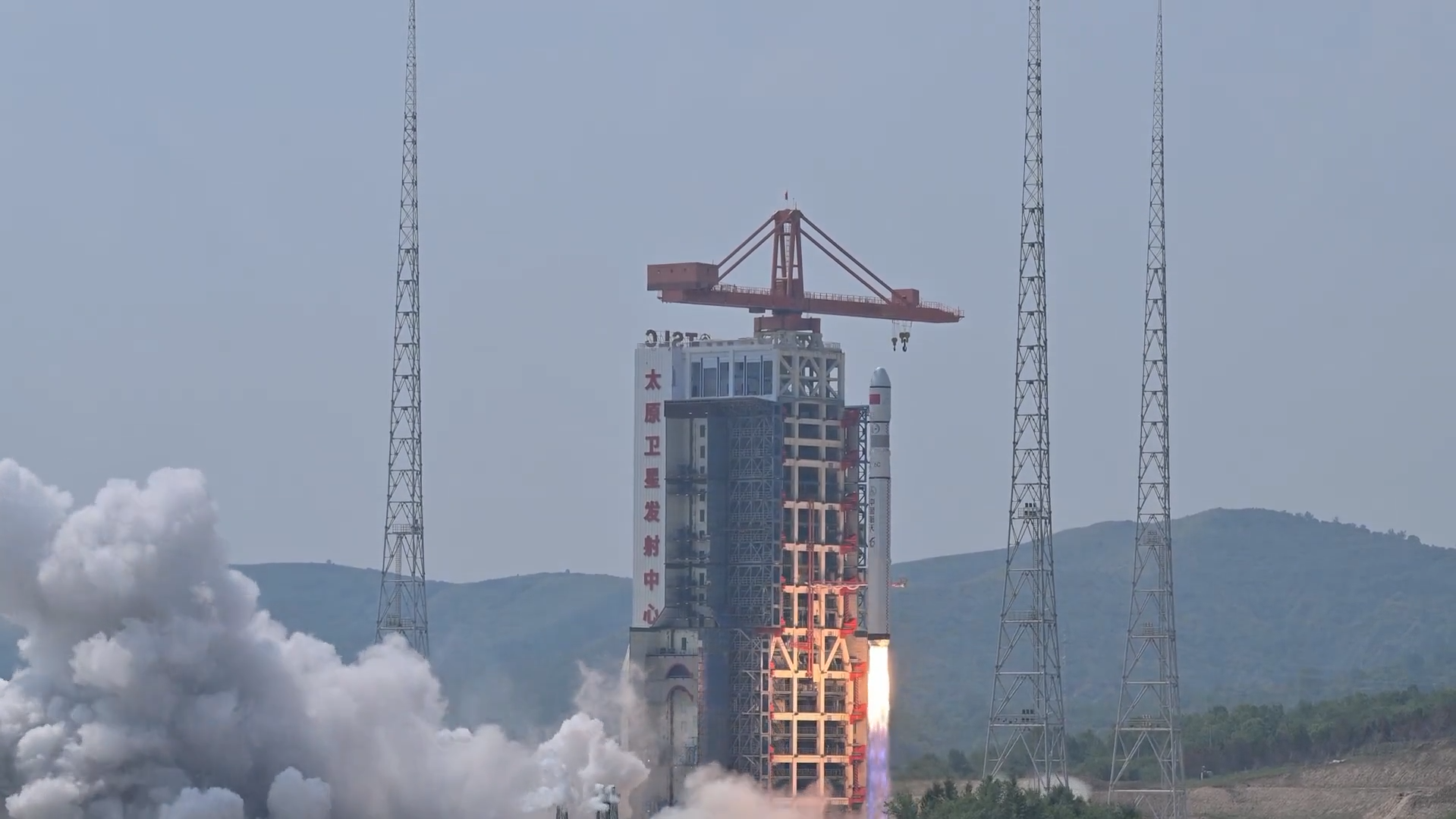
Long March 6C - China
Later that day, China launched a Long March 6C rocket from the Taiyuan Satellite Launch Center. The rocket successfully deployed a group of satellites into Sun-synchronous orbit.
The mission carried several spacecraft for commercial and scientific applications, continuing China's growing commercial launch activity and expanding its presence in the small satellite launch market.
Photo: Chinese Academy of Sciences / CASC
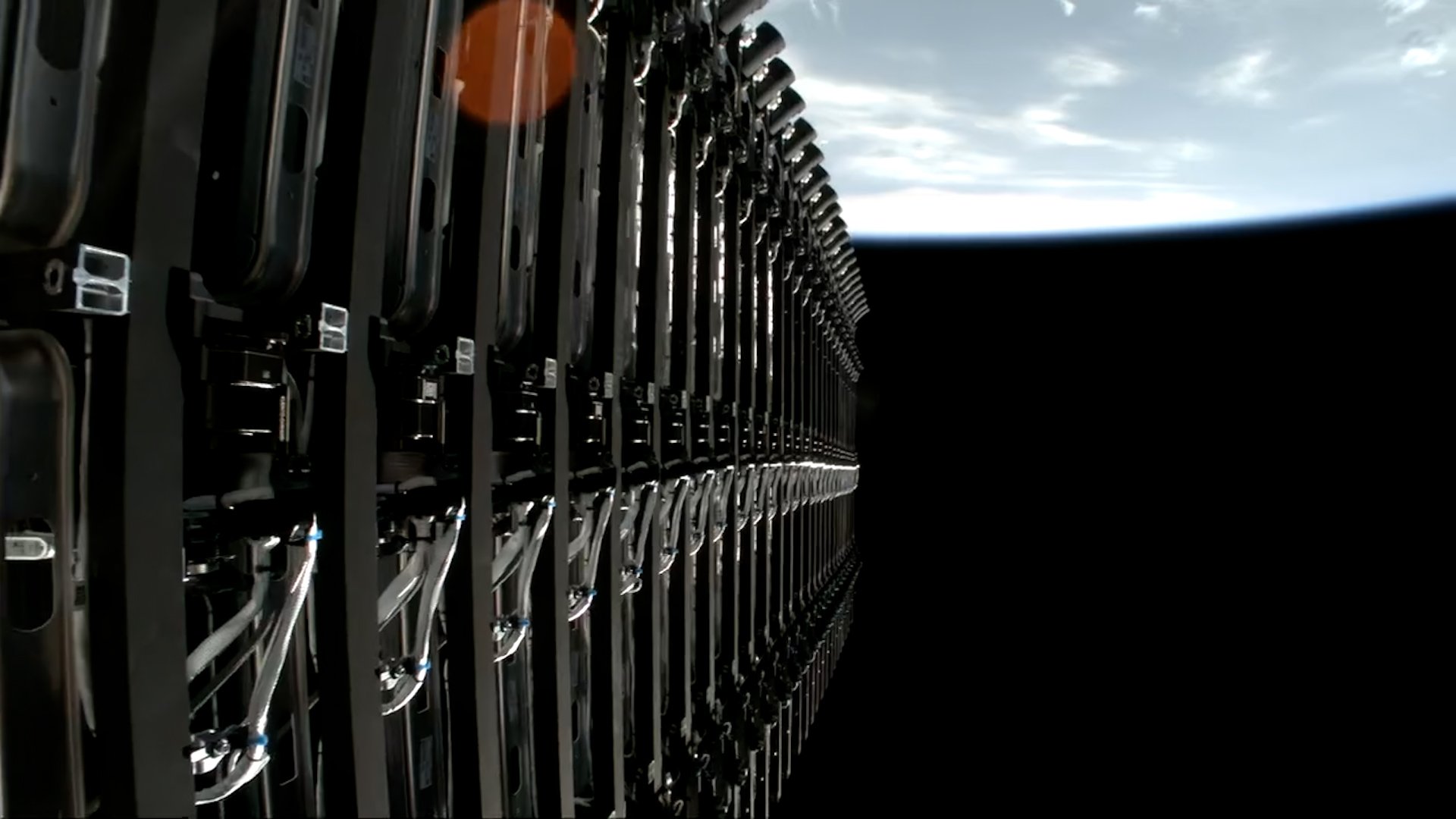
Starlink Group 15-22 - SpaceX
On Wednesday, August 26th at 2:35 a.m. PDT, SpaceX launched a Falcon 9 from SLC-4E at Vandenberg Space Force Base in California, carrying 27 Starlink satellites to Low Earth Orbit.
First-stage booster B1082 completed its 24th flight and successfully landed on the droneship Of Course I Still Love You in the Pacific Ocean. The mission added another batch of Starlink satellites to SpaceX's growing constellation.
Photo: SpaceX
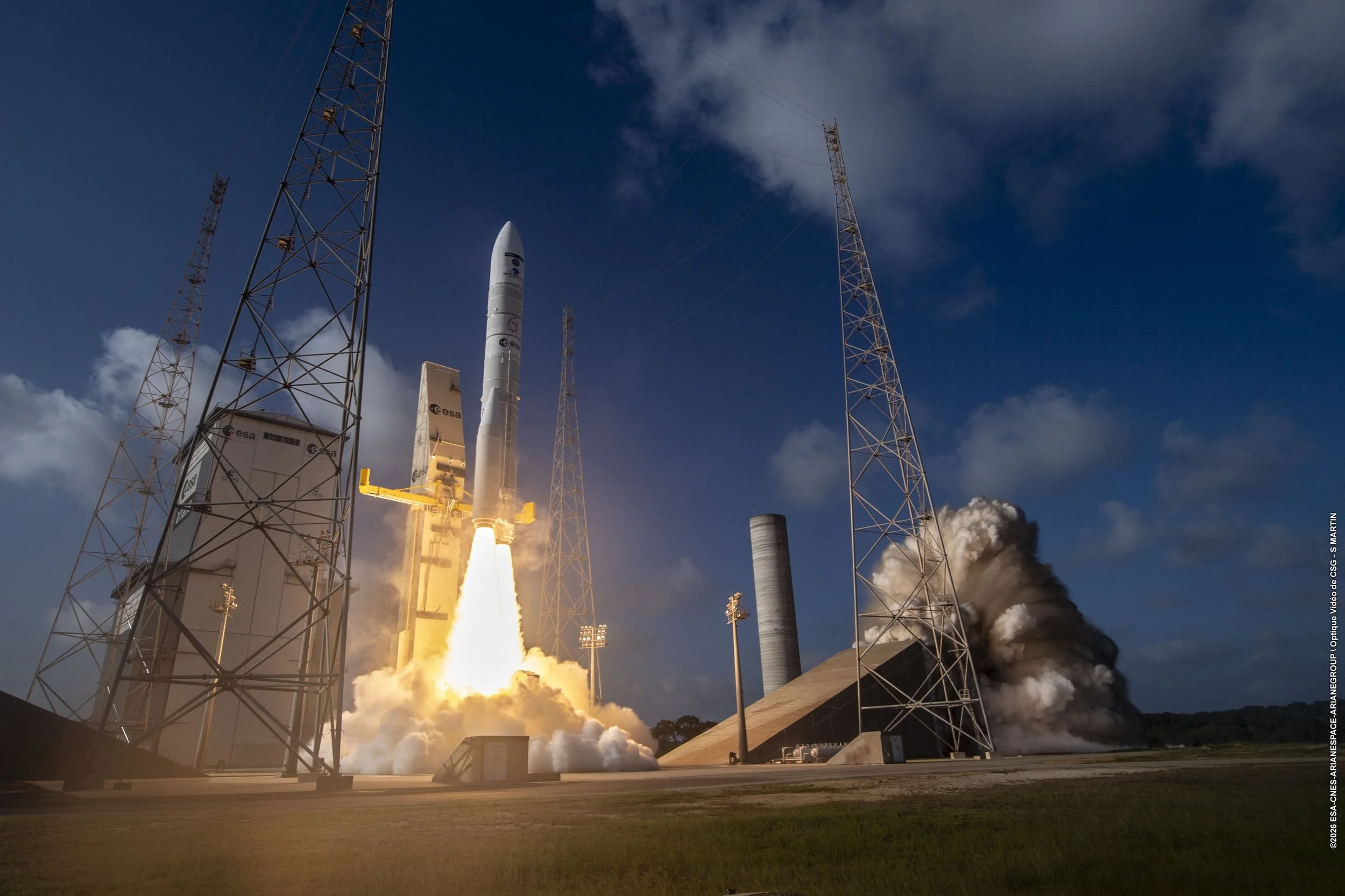
MTG-I2 - Arianespace
On Thursday, August 27th, Arianespace launched an Ariane 62 from Europe's Spaceport in Kourou, French Guiana, carrying MTG-I2, the second imaging satellite in Europe's Meteosat Third Generation weather satellite system.
The satellite was successfully deployed into geostationary transfer orbit. MTG-I2 is designed to provide high-resolution weather imagery, helping meteorologists monitor rapidly developing storms while improving weather forecasting and climate monitoring.
The mission was also an important milestone for Ariane 6, marking the vehicle's first mission carrying a payload toward geostationary orbit.
Photo: Arianespace
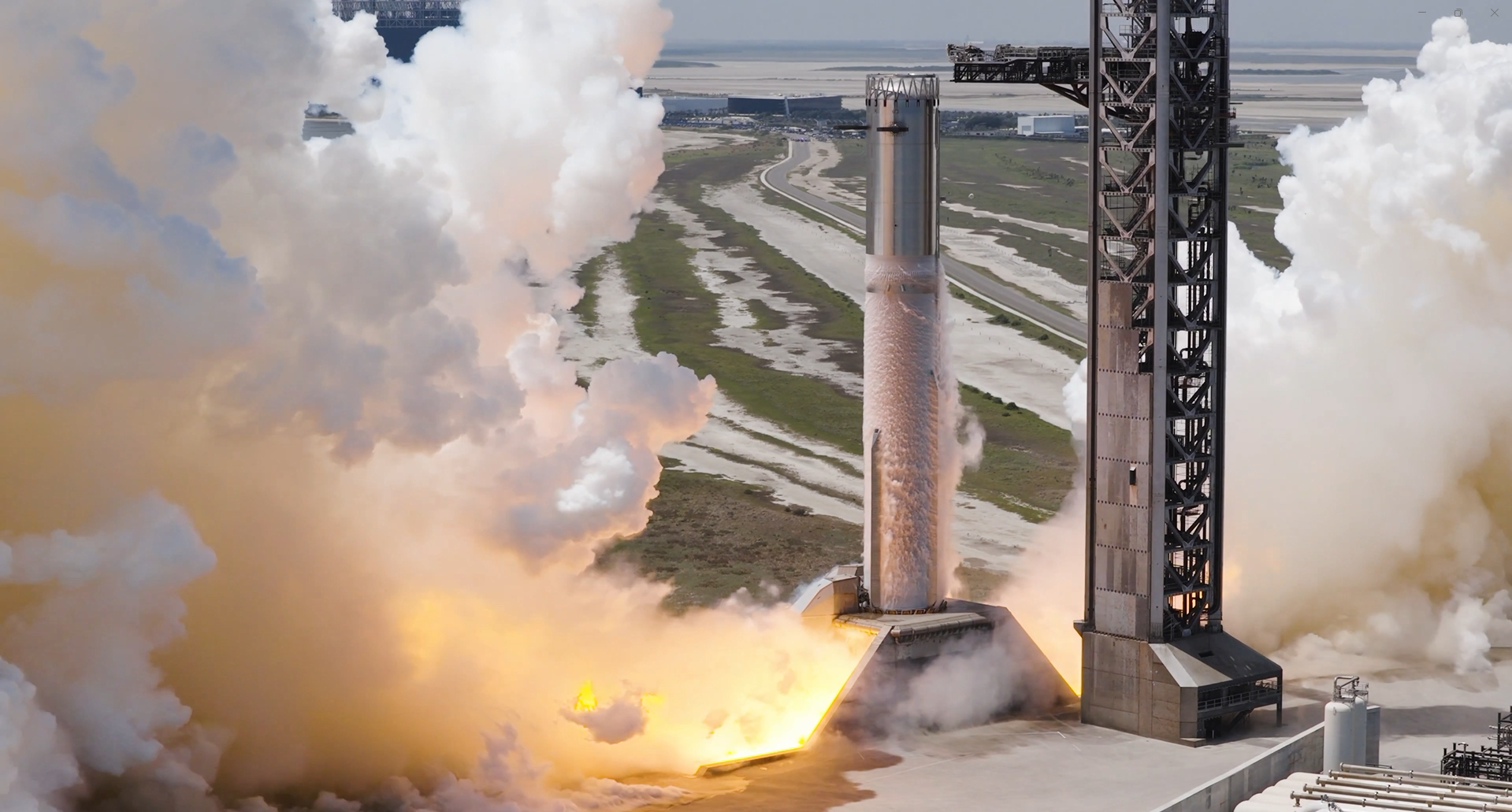
Starship Flight 14 Booster 21 Static Fire - SpaceX
On Friday, August 28th, SpaceX conducted a full-duration static fire of Booster 21 at Starbase in South Texas. The Super Heavy booster fired all 33 of its Raptor engines simultaneously during the test.
The static fire lasted approximately 15 seconds and was performed as part of preparations for Starship Flight 14. The test allowed SpaceX to verify the booster's engines, propulsion systems, and overall performance while the vehicle remained secured to the launch pad.
Flight 14 is expected to be the first Starship mission to attempt an orbital flight, making the successful static fire an important milestone for the program.
Photo: SpaceX
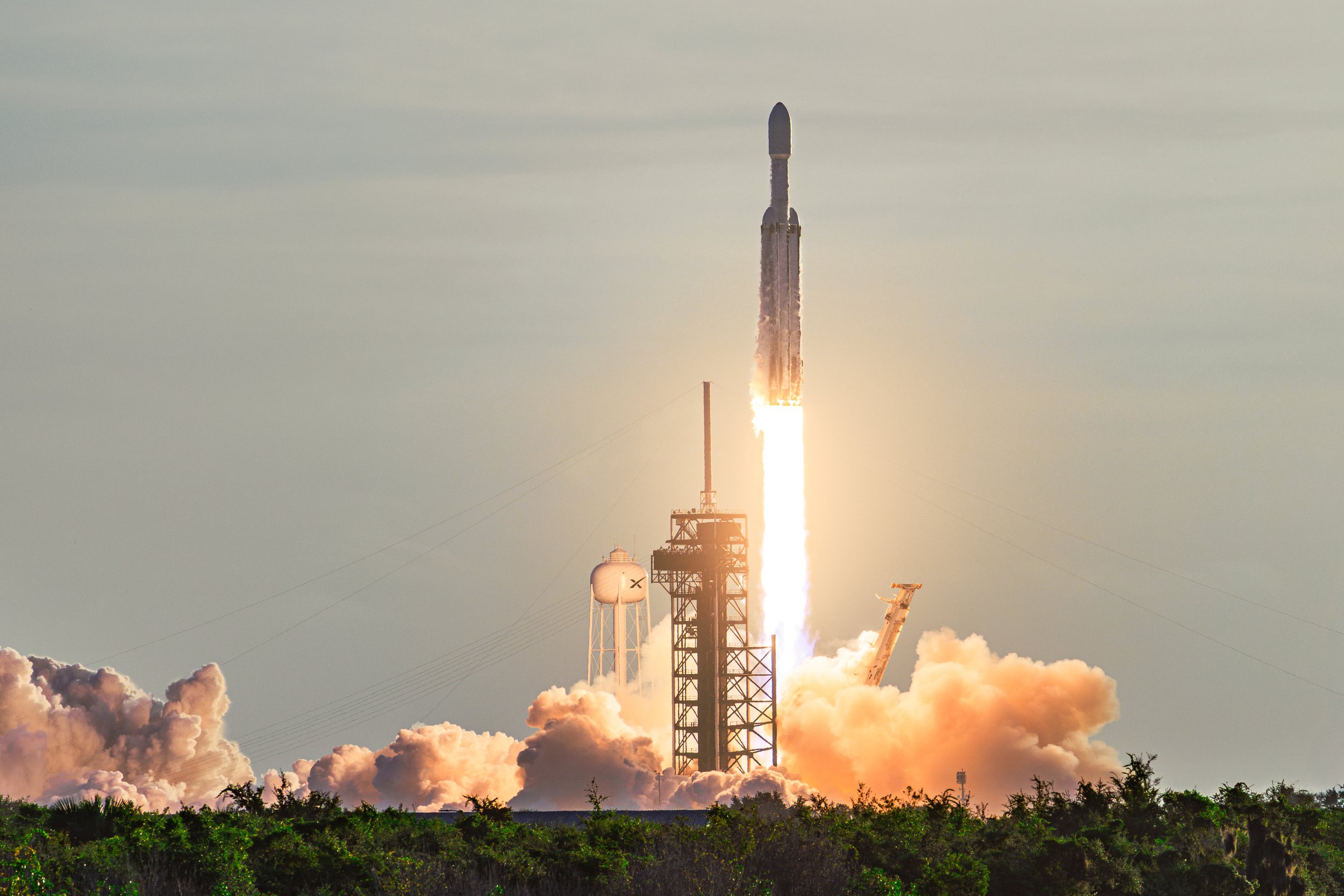
Nancy Grace Roman Space Telescope - SpaceX
On Sunday, August 30th at 7:26 a.m. EDT, SpaceX launched a Falcon Heavy from Launch Complex 39A at Kennedy Space Center in Florida, carrying NASA's Nancy Grace Roman Space Telescope.
The launch marked a major milestone for NASA's next great space observatory. Roman is designed to study dark energy, dark matter, exoplanets, and the evolution of the universe using a wide-field infrared telescope.
The Falcon Heavy's two side boosters successfully landed at Landing Zones 2 and 40 at Cape Canaveral. Roman separated from the Falcon Heavy's upper stage approximately 31 minutes after liftoff and began its journey toward the Sun-Earth L2 point, roughly one million miles from Earth.
Photo: Alex L. For Launch Heaven Media
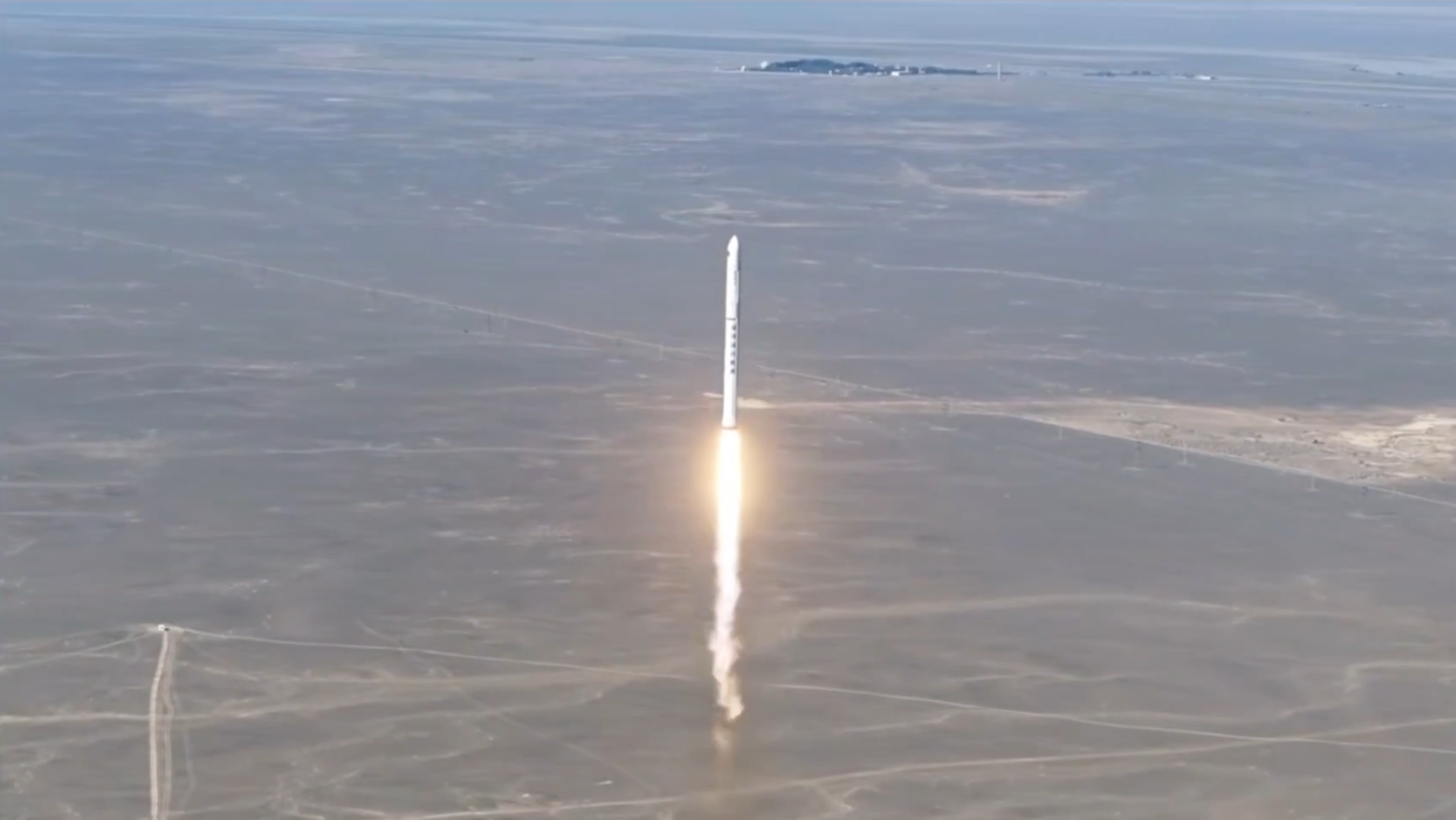
Pallas-1 Demo Flight - Galactic Energy
On Tuesday, September 1st, Chinese launch company Galactic Energy launched its new Pallas-1 rocket from the Jiuquan Satellite Launch Center.
The mission, named "Demo Flight," was the first launch of the Pallas-1 rocket and carried a dummy payload. The rocket successfully reached orbit, marking the vehicle's first successful mission and another major step for China's growing commercial launch industry.
Photo: Galactic Energy
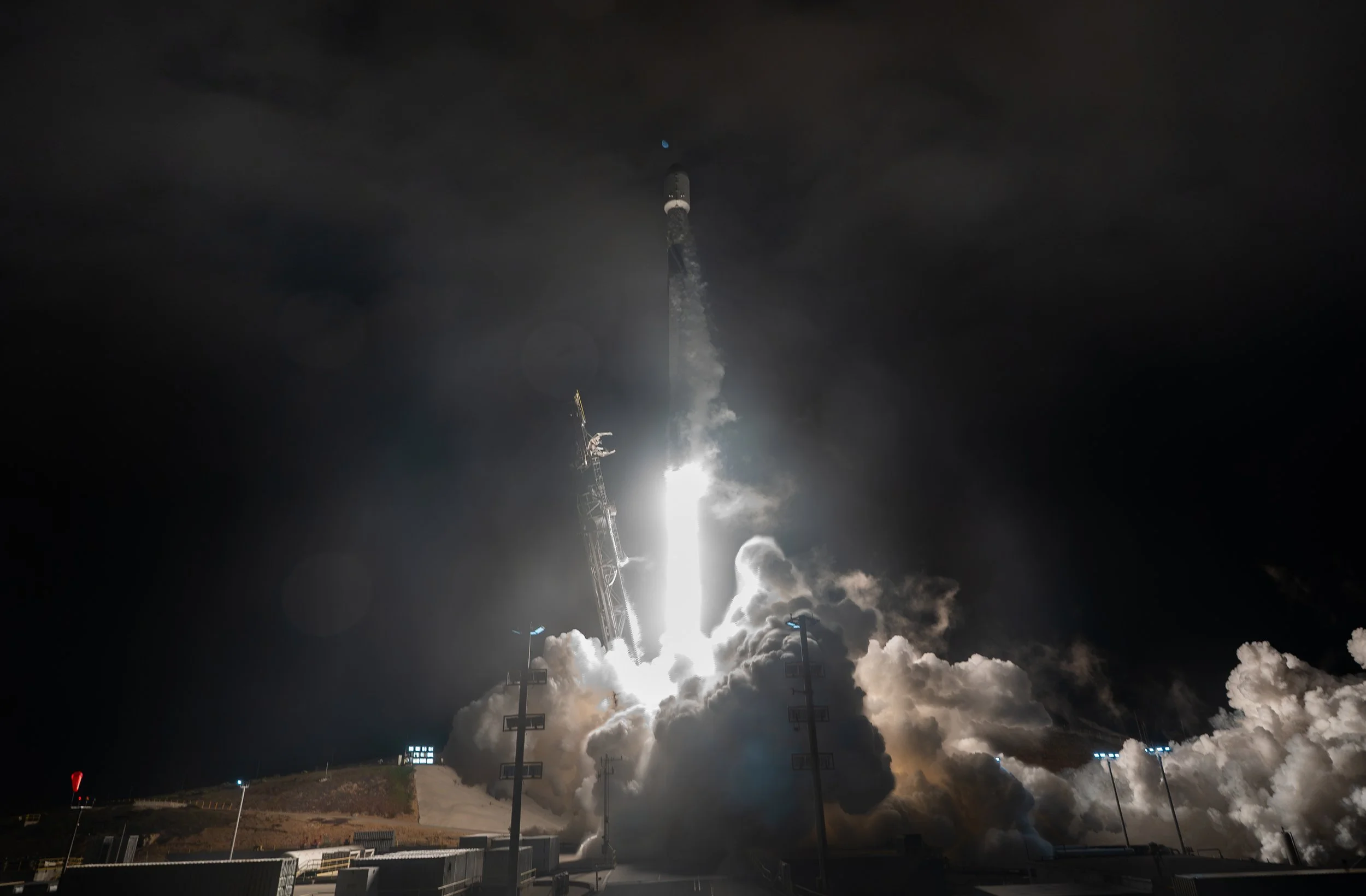
Starlink Group 15-23 - SpaceX
On Wednesday, September 2nd at 4:42 a.m. EDT, SpaceX launched a Falcon 9 from SLC-4E at Vandenberg Space Force Base in California, carrying 27 Starlink satellites to Low Earth Orbit.
First-stage booster B1063 completed its 35th flight and successfully landed on the droneship Of Course I Still Love You in the Pacific Ocean. The mission continued SpaceX's record-setting launch pace and added another batch of satellites to the Starlink constellation.
Photo: SpaceX
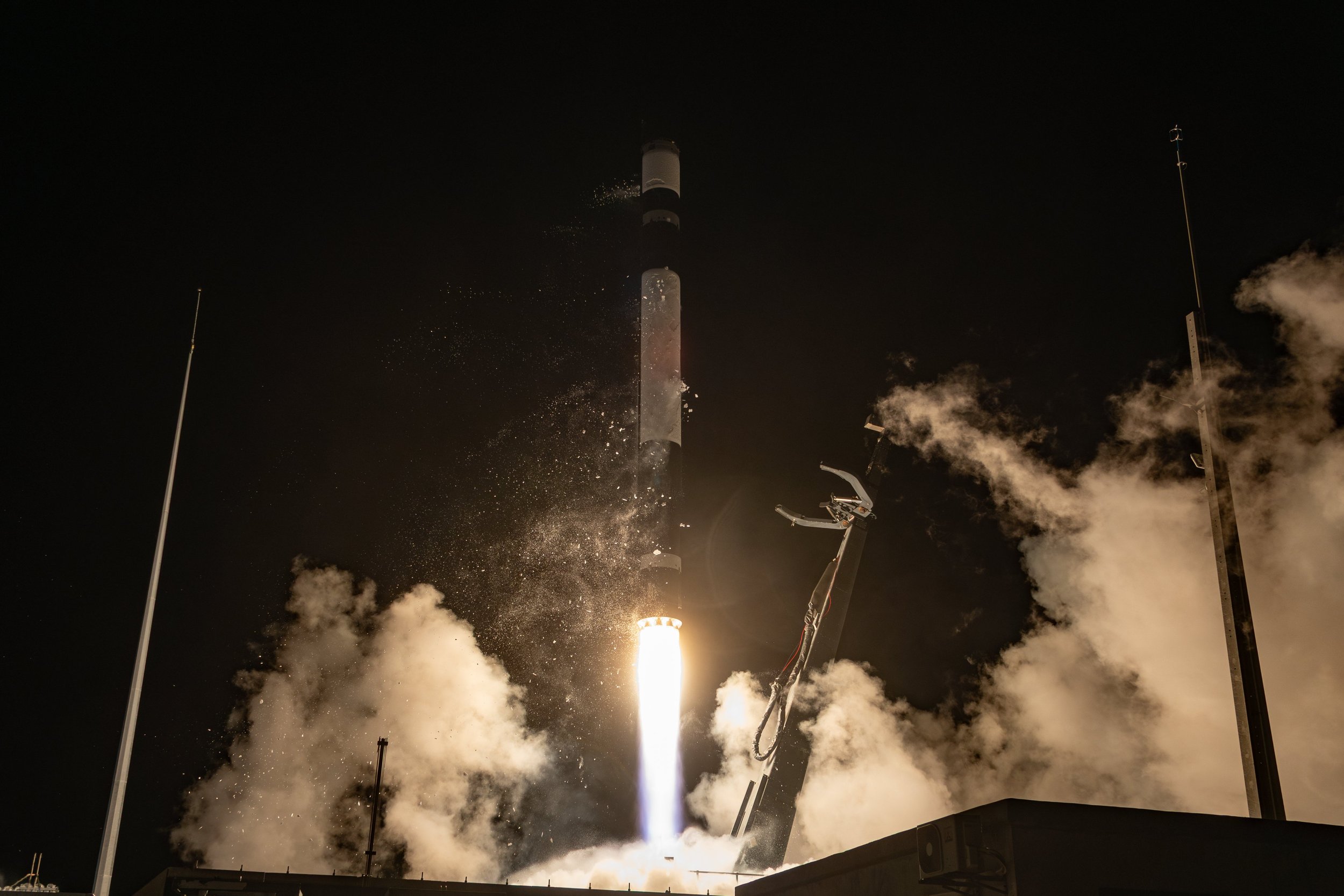
Owl Around The World - Rocket Lab
Later on September 2nd, Rocket Lab launched an Electron rocket from Launch Complex 1B on New Zealand's Māhia Peninsula. The mission, named "Owl Around The World," carried Synspective's StriX-9 synthetic aperture radar satellite to Low Earth Orbit.
StriX-9 is the 11th StriX satellite launched by Rocket Lab for Synspective. The satellites are designed to collect high-resolution radar imagery of Earth, allowing them to observe the planet regardless of cloud cover or lighting conditions.
Photo: Rocket Lab
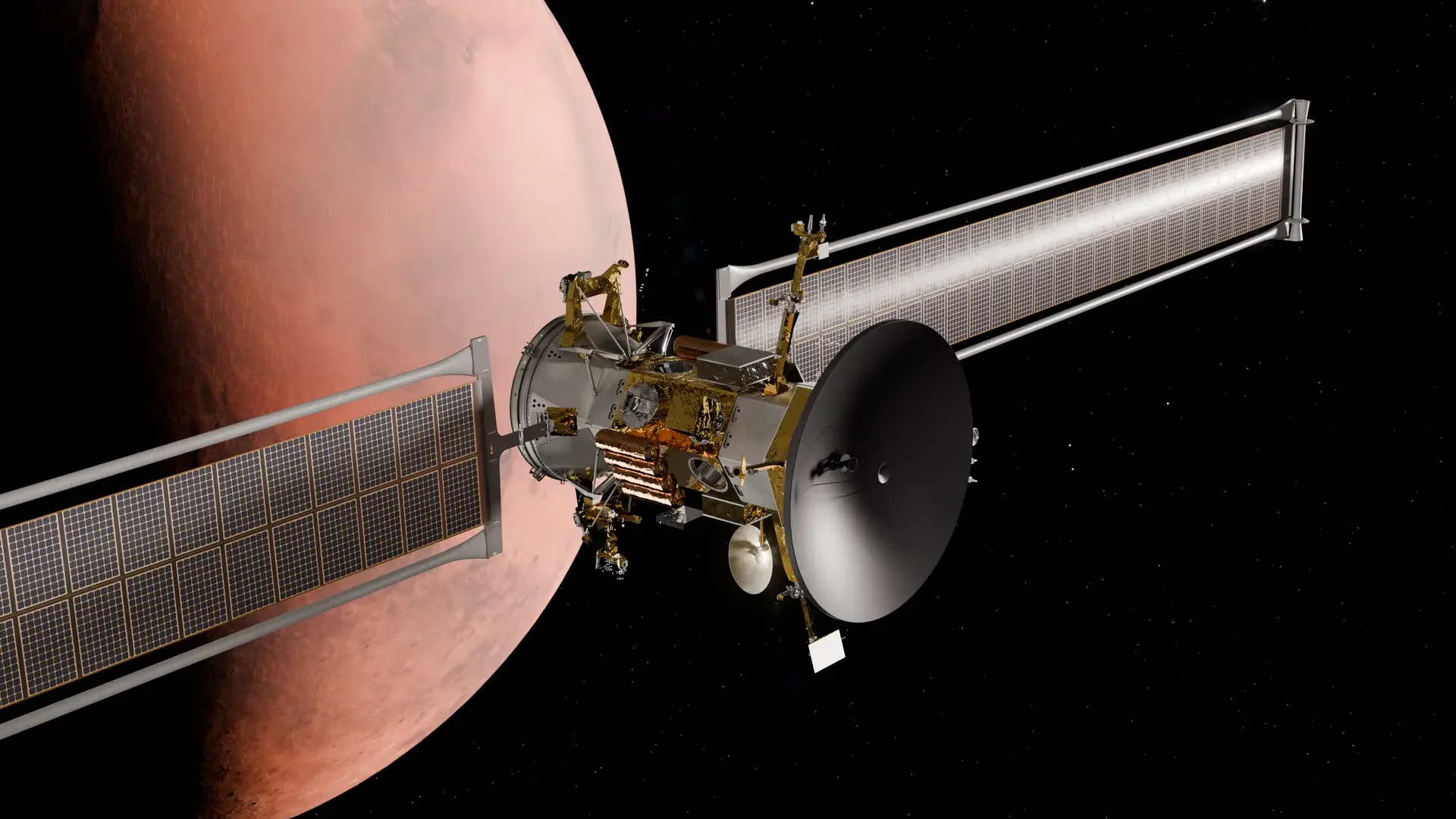
Blue Origin Selected by NASA to Help Build America's Mars Telecommunications Network
Also on September 2nd, NASA announced that Blue Origin had been selected to develop the agency's new Mars Telecommunications Network.
The contract has a maximum potential value of approximately $700 million. Blue Origin will design, develop, integrate, launch, and operate a high-performance telecommunications orbiter around Mars. The system is intended to provide high-bandwidth communications and navigation services for current and future Mars missions.
The Mars Telecommunications Network is expected to provide a dedicated communications infrastructure around Mars, helping spacecraft on the surface and in orbit send science data, imagery, navigation information, and other mission communications back to Earth.
Blue Origin is expected to deliver the system by the end of 2028, with NASA targeting the network to become operational by 2030.
Photo: Blue Origin / NASA (RENDER)
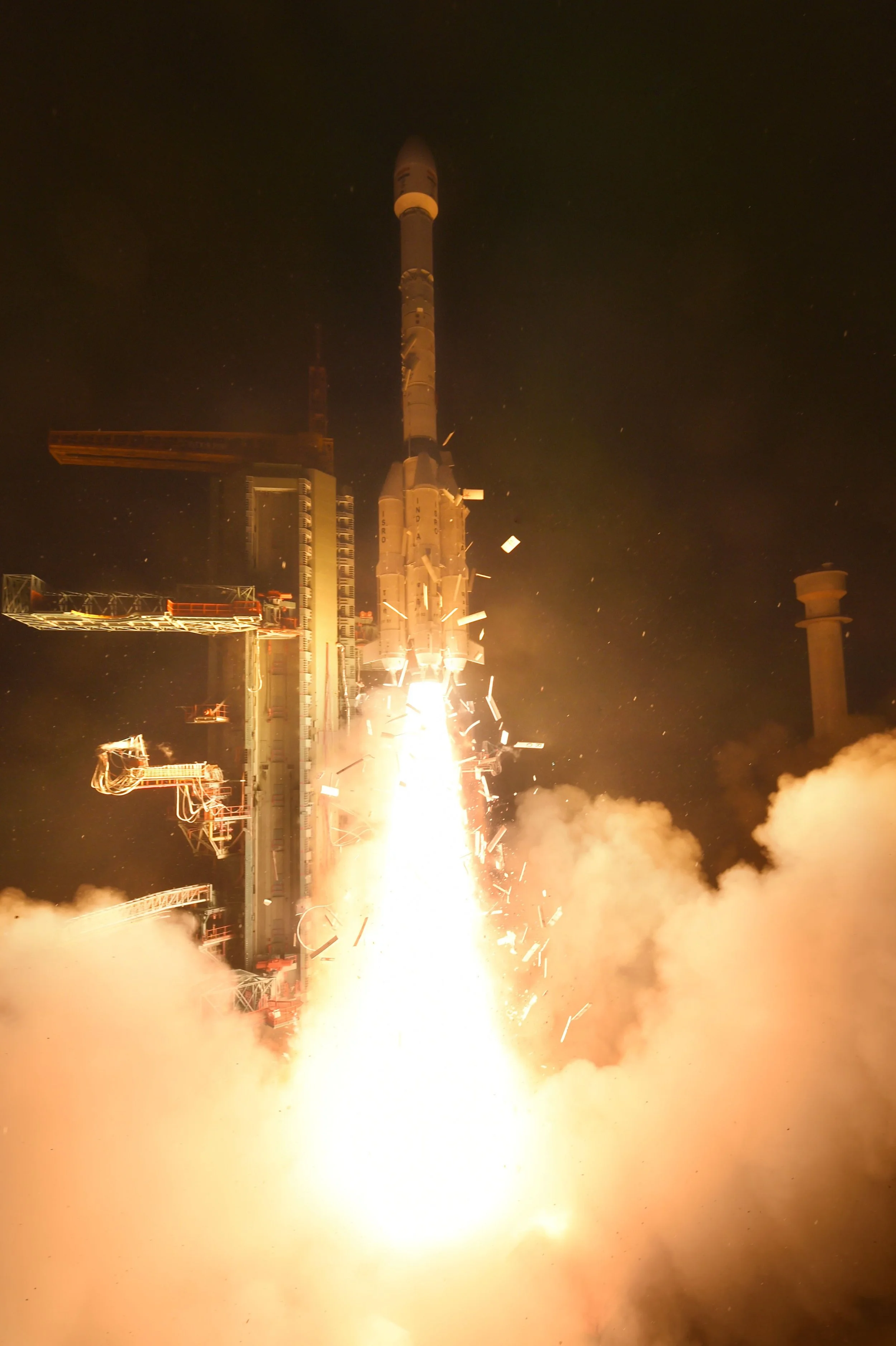
EOS-05 - ISRO
On Thursday, September 3rd, the Indian Space Research Organisation launched a GSLV Mk II rocket from the Satish Dhawan Space Centre in India, carrying the EOS-05 Earth observation satellite.
The spacecraft was successfully deployed into geostationary transfer orbit. EOS-05 is designed to provide Earth observation capabilities and represents another step in India's continued development of its satellite and launch programs.
Photo: ISRO
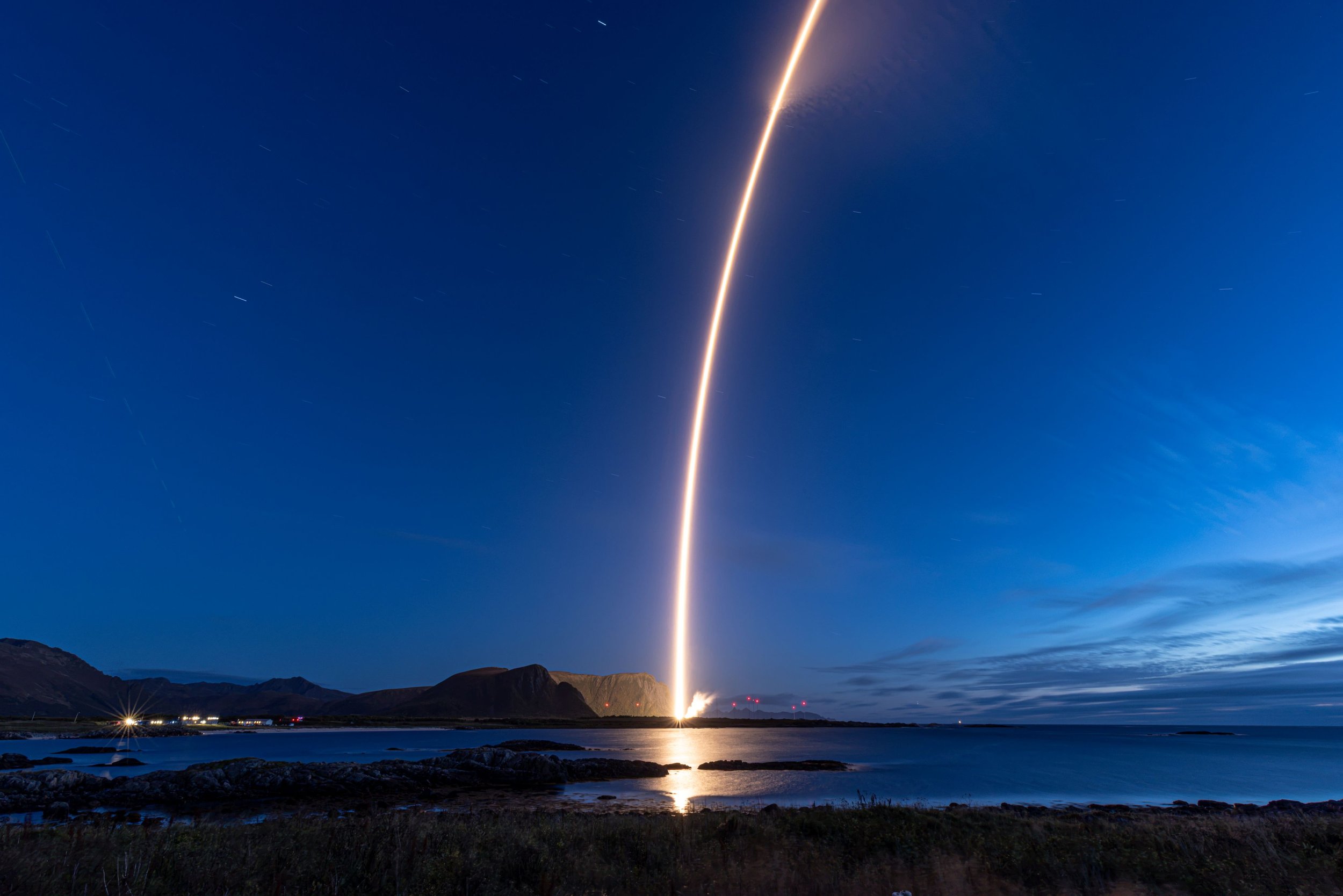
Onward and Upward - Isar Aerospace
On Saturday, September 5th, German launch company Isar Aerospace successfully launched its Spectrum rocket from Andøya Spaceport in Norway.
The mission, named "Onward and Upward," was Spectrum's second flight and its first successful orbital mission. The rocket carried five CubeSats and one technology experiment as part of the European Space Agency's Boost! program.
The successful launch was a major milestone for European commercial spaceflight and demonstrated the growing capabilities of Europe's private launch industry.
Photo: Isar Aerospace
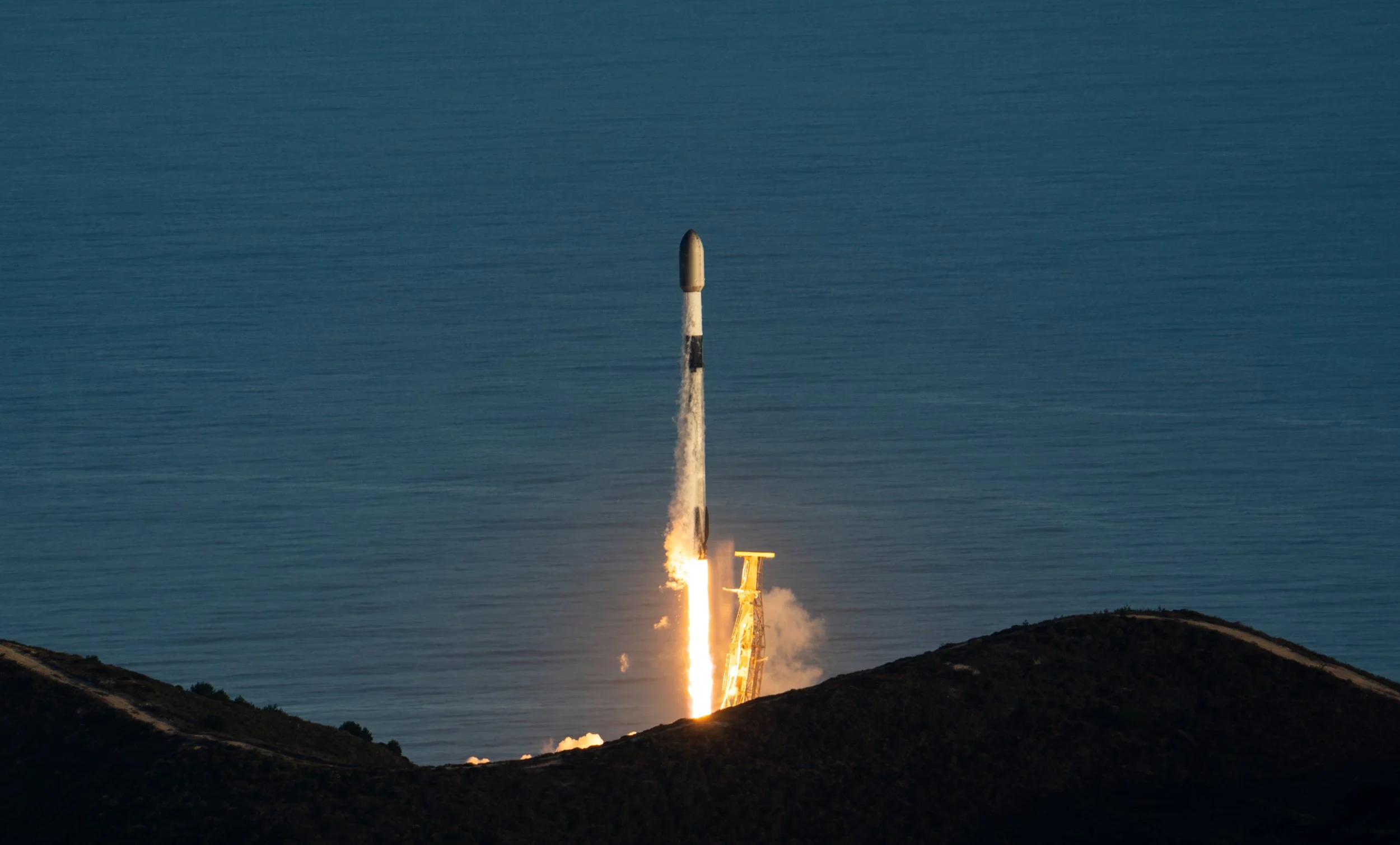
Starlink Group 15-24 - SpaceX
On Sunday, September 6th, SpaceX successfully launched a Falcon 9 from SLC-4E at Vandenberg Space Force Base in California, carrying 27 Starlink satellites to Low Earth Orbit.
The mission went perfectly, with the satellites successfully deployed and the Falcon 9's first-stage booster completing another successful landing on the droneship Of Course I Still Love You in the Pacific Ocean.
Starlink Group 15-24 continues SpaceX's rapid launch cadence and expansion of its Starlink satellite constellation, adding another batch of satellites to the company's growing network.
Photo: SpaceX