SpaceX Attempts First Ever Recovery of an Intact Starship From the Ocean
On July 24th, Starship completed its thirteenth test flight from Starbase, Texas, and Ship 40 did something no Starship upper stage had ever managed before, it survived the landing. On every prior flight that ended in the water, the vehicle tipped over, broke apart, and exploded within seconds of splashdown. After reentry, Ship 40 flipped to vertical on its final approach, dropped from three engines to two for the landing burn, touched down upright, and fell over gracefully. Then it kept floating, still relaying video and telemetry while it bobbed on the surface.
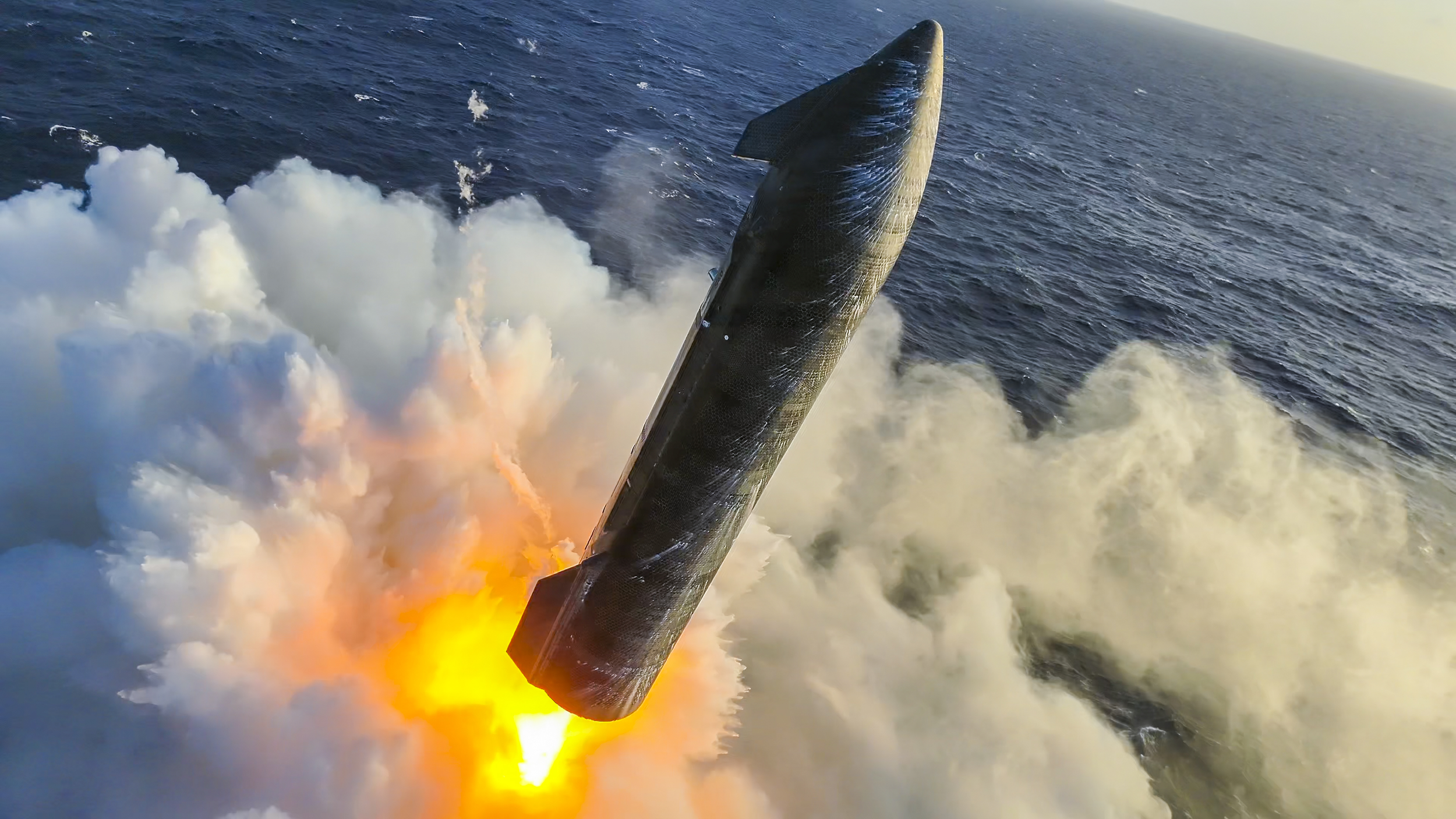
Image: SpaceX
An Unexpected Outcome
Flight 13 was not supposed to end with an intact Starship. On the launch webcast, commentator Dan Huot called the splashdown "the softest splashdown ever," and Elon Musk later added that the landing had been accurate enough for the tower arms to have caught Starship, had that been the plan. That precision is the real key to its survival. It is also why SpaceX chose not to scuttle Ship 40, and instead sent the recovery vessel GO Australis to keep watch, the beginning of an operation nobody had actually planned to conduct.
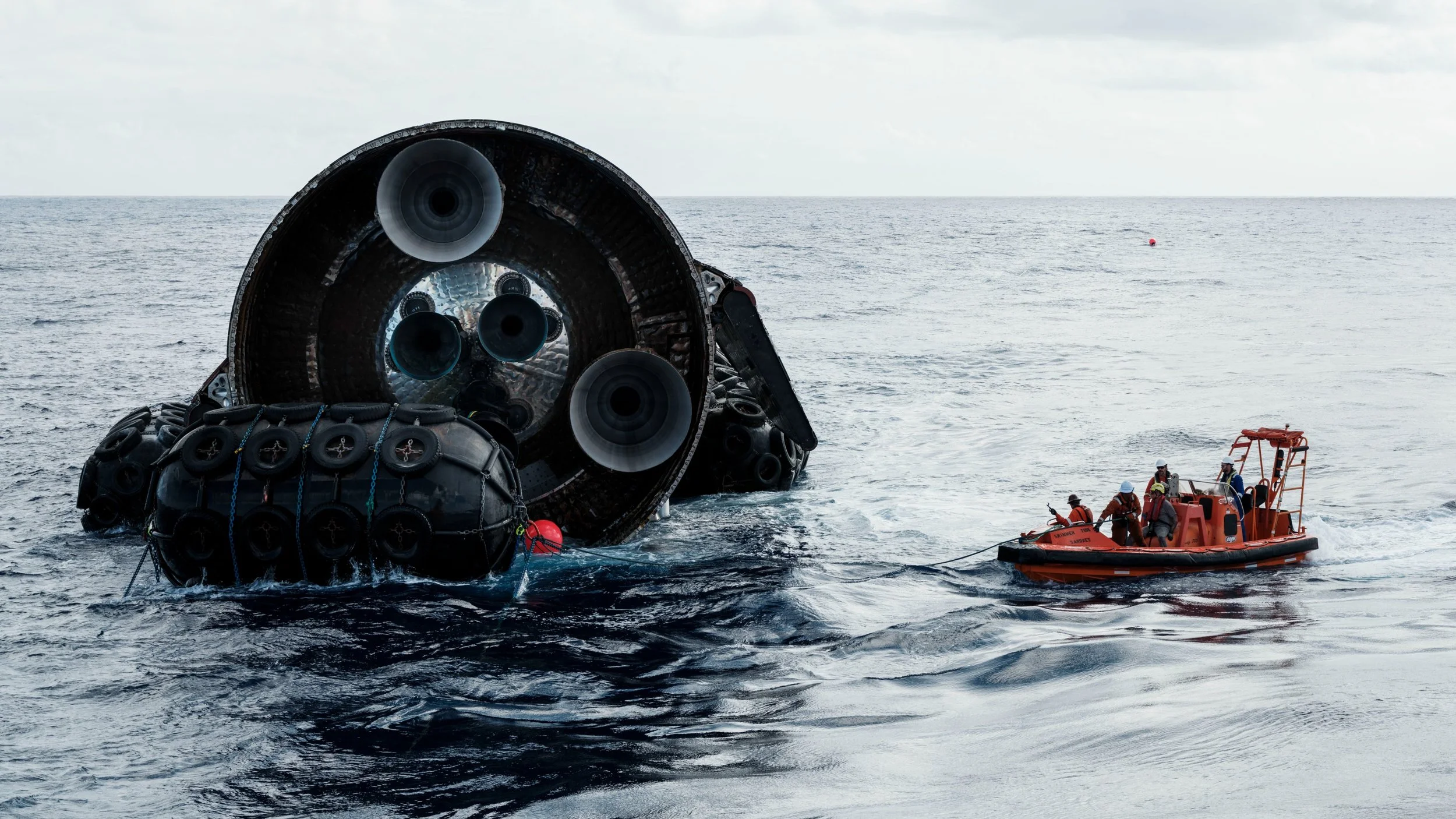
Image: SpaceX
An Unfolding Odyssey
Recovering an intact Starship upper stage from the open ocean was never part of the design, and the difficulty manifested almost immediately. GO Australis could not tow the 170 foot vehicle across the sea. Starship was designed to survive re-entry from space, not be dragged hundreds of miles across open ocean. SpaceX called in two Norwegian tugboats, Normand Ranger and Skimmer Tide, with Normand Ranger arriving first. By the time the fleet assembled, Ship 40 had already drifted more than 249 miles (400 kilometers) on its own, tracked the entire way by GO Australis. Satellite imagery reviewed by CNN on August 3rd showed a line running from Norman Ranger to Ship 40, with what appears to be inflatable buoys fitted alongside to keep it stable, an improvised fix. The tow was underway for many days, and reaching port in Australia was considered untenable due to rough conditions. SpaceX decided to head for a small spec of land named “Christmas Island” for safe harbor. Ship 40 arrived on August 18th, its 26th day at sea. According to SpaceX it will be brought back to Starbase now that its in more stable water, once they figure out how exactly. Towing it wont be an option, so it will most likely be via barge or semi-submersible platform ship.
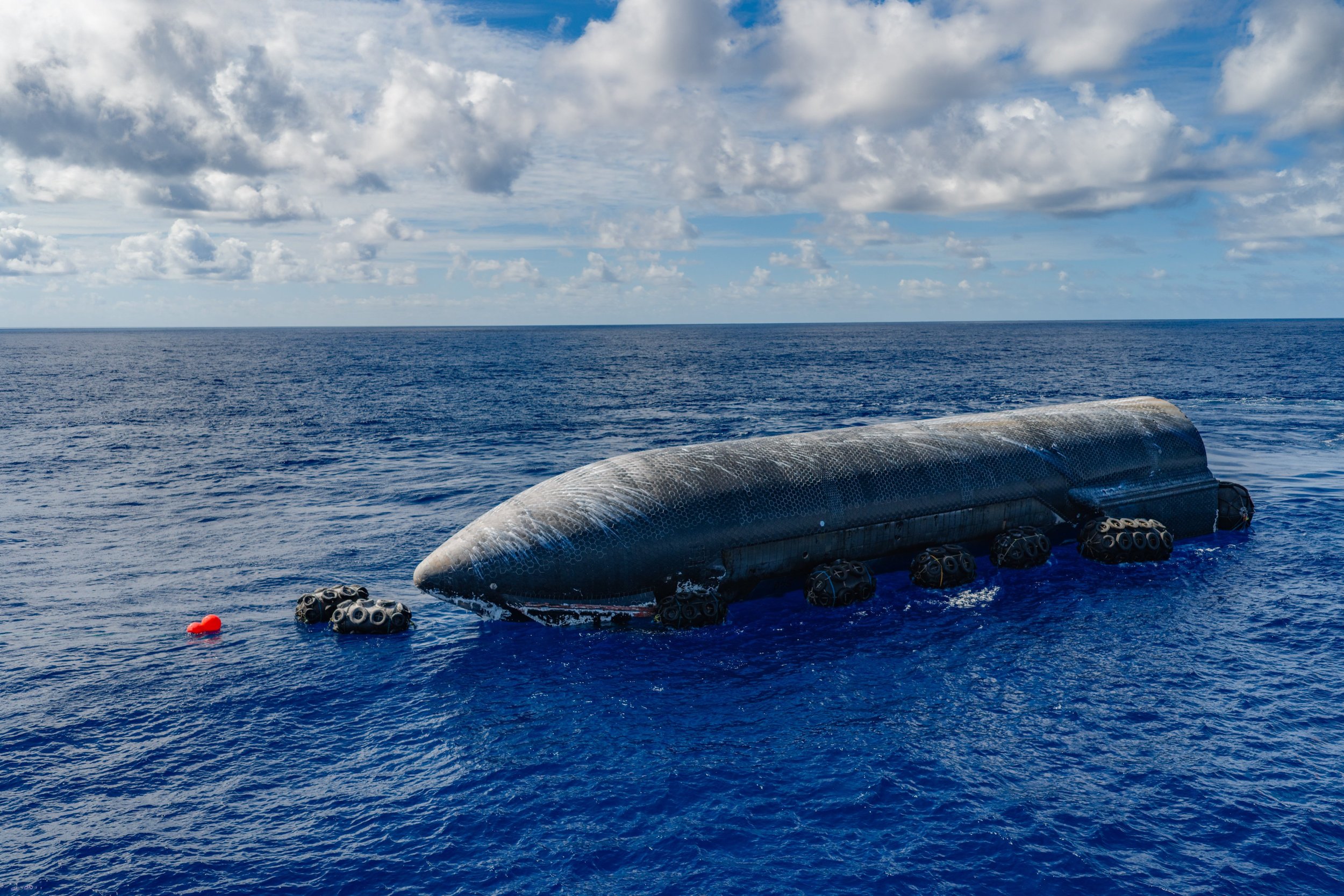
Image: SpaceX
A Ship Filled with Treasure
The payoff for all of that trouble is data SpaceX has never acquired before. With Ship 40 intact, drone cameras have given engineers close, undamaged views of the thermal protection system after a complete flight, something no earlier splashdown allowed in such detail. Now bringing it home will let them go over with more scrutiny. Adding that to the imagery beamed down from the Starlink V3 satellites during the coast phase hands SpaceX concrete evidence for specific areas to reinforce before the next flight. Starships promise is full and rapid reusability, but it wont live up to that promise unless specific engineering challenges are solved.
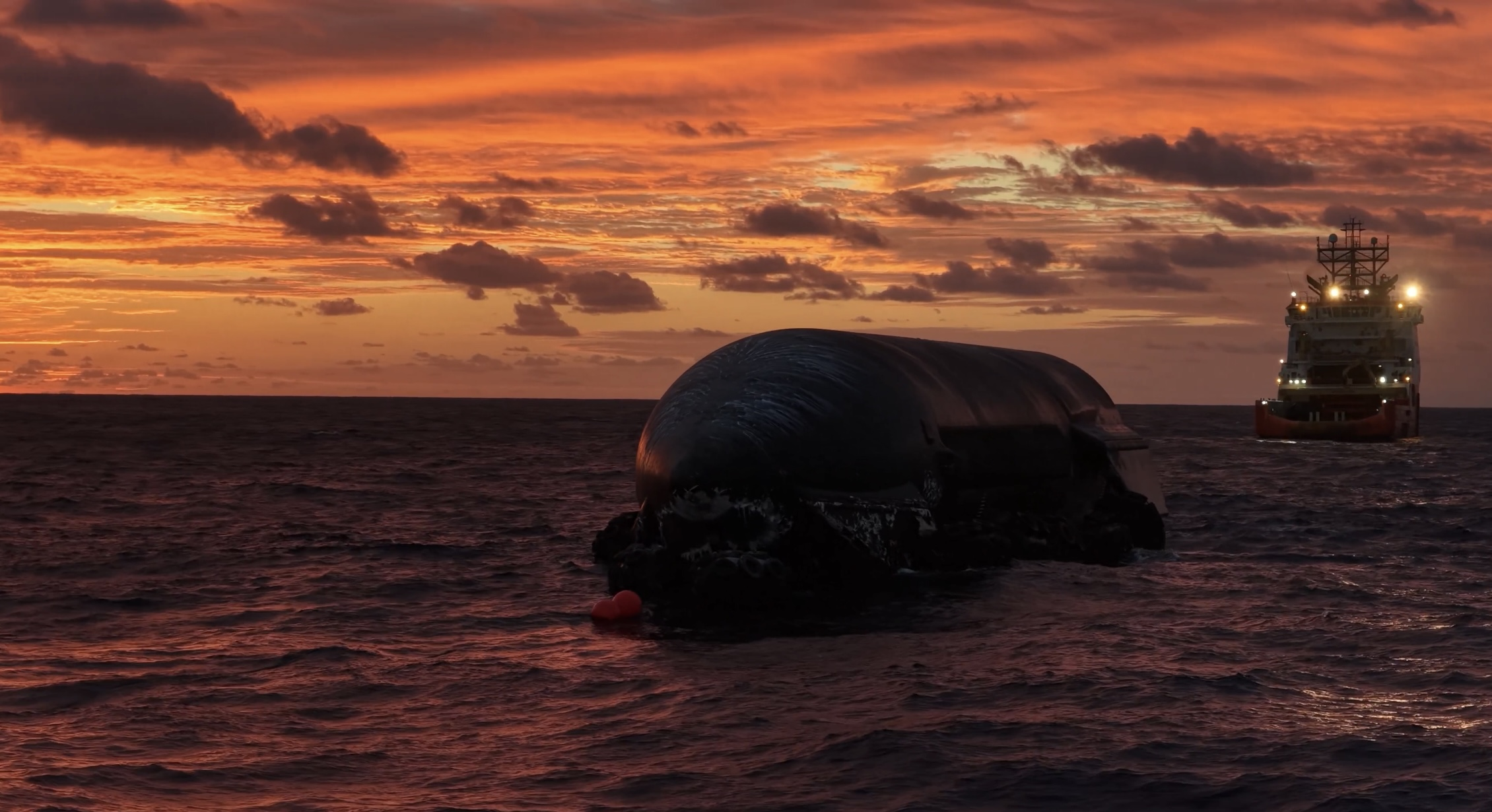
Image: SpaceX
Looking to the Future
Ship 41 has finished cryogenic testing and is being fitted with engines for its own trip to Massey's, Booster 21 is going through its static fire preparations, and it’s looking like early September for Flight 14. Ship 40s soft, accurate splashdown showed the guidance is already sharp enough to attempt a tower catch. Whether this particular vehicle makes it back to Starbase is an open question, saltwater is not kind to flight hardware, and hauling such a large vehicle on the open ocean is more difficult than SpaceX anticipated. But the data riding home with it may bring to light fresh solutions, and lead to breakthroughs for the heatshield. It’s a miracle it survived splashdown, and even more incredible that it’s survived this long. SpaceX intends to bring Ship 40 home, but we’ll see if Ship 41 beats it back to Starbase.
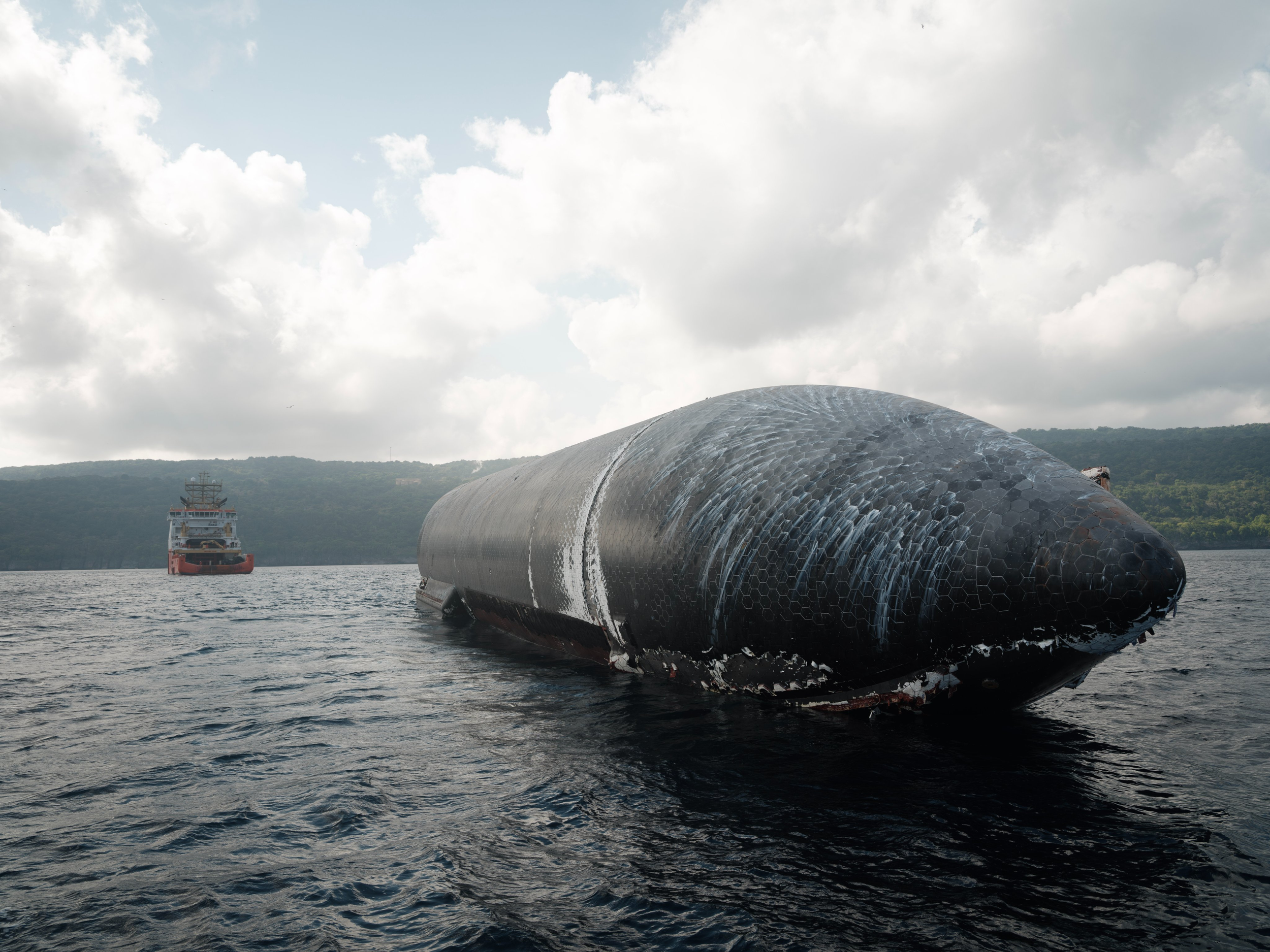
Image: SpaceX