Weekly Spaceflight Update: August 10 - August 17th
It was another busy week for spaceflight around the world, with launches from both the United States and China plus an impressive SpaceX doubleheader.
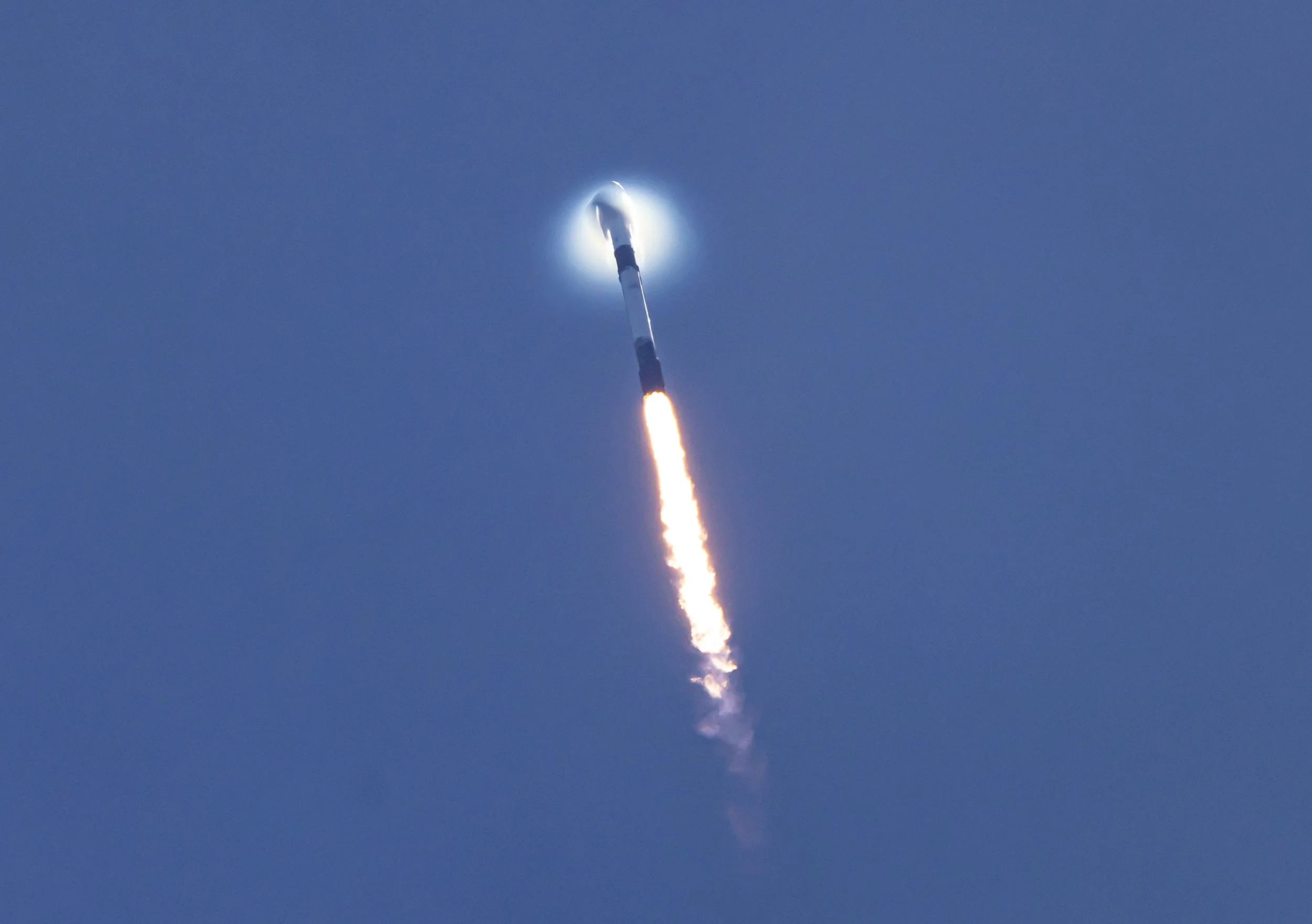
Starlink Group 10-19
On August 11th at 11:58 a.m. EDT, SpaceX launched a Falcon 9 from SLC-40 at Cape Canaveral Space Force Station in Florida carrying 29 Starlink satellites to orbit. First-stage booster B1085 flew for the 18th time and landed on the droneship A Shortfall of Gravitas in the Atlantic.
Photo Credit: Gavin R. for Launch Heaven
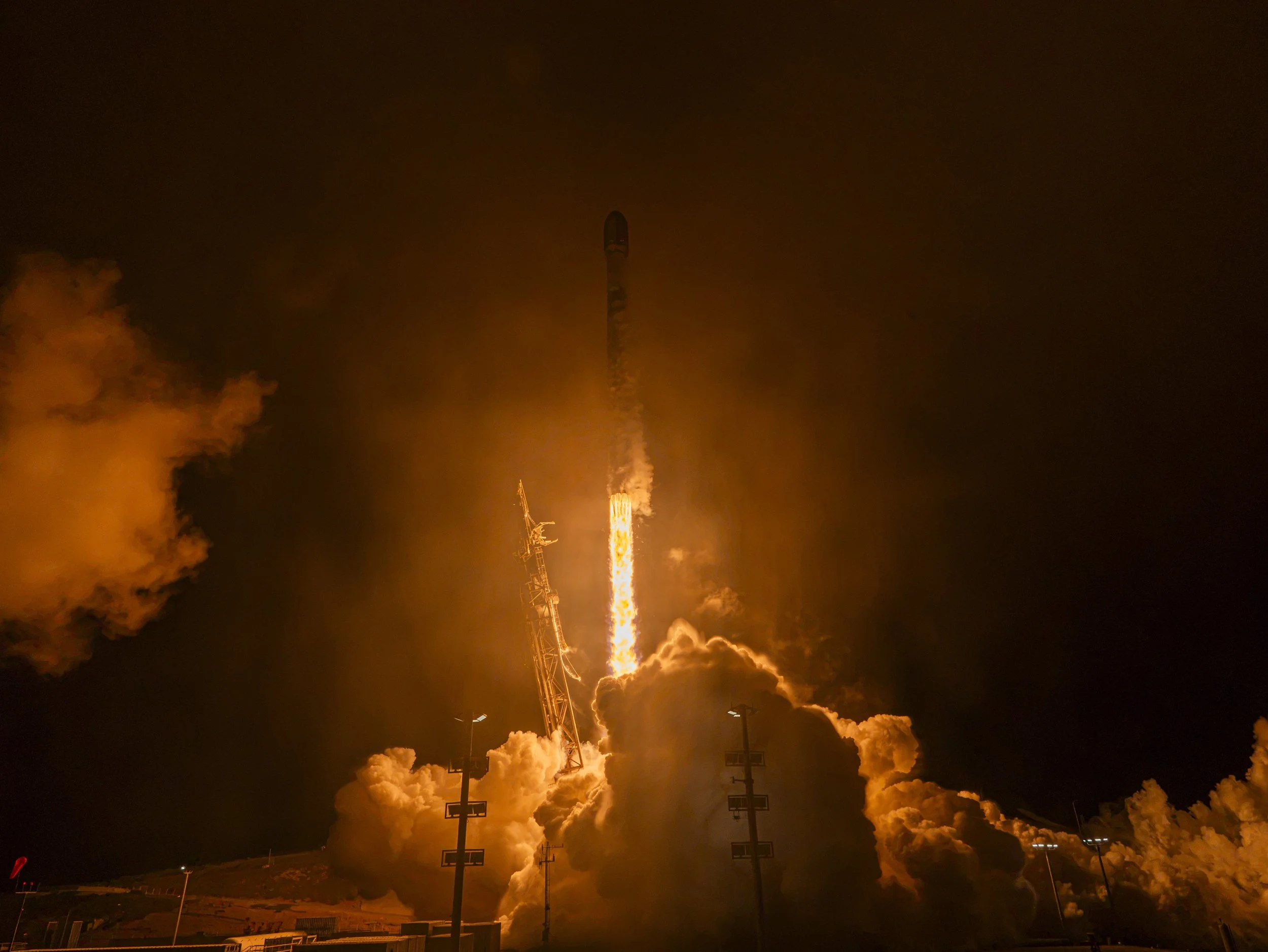
Starlink Group 17-49
On August 11th at 9:46 p.m. PDT, SpaceX launched another Falcon 9 on a Starlink mission from SLC-4E at Vandenberg Space Force Base in California. Booster B1103 completed its fifth flight and landed on the droneship Of Course I Still Love You in the Pacific.
Photo: SpaceX
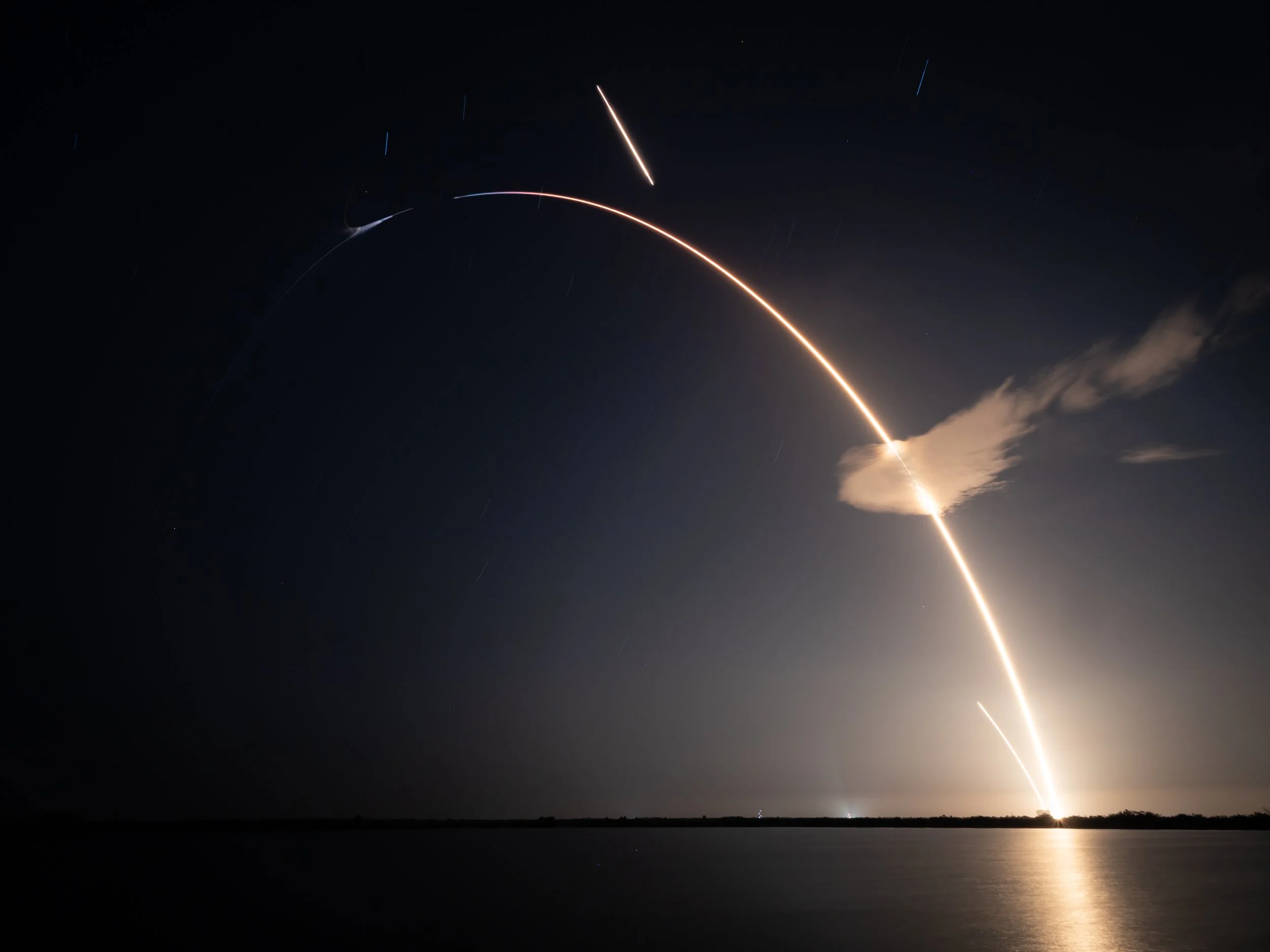
Globalstar 2-R Mission 1
On August 15th at 9:12 p.m. EDT, SpaceX launched eight Globalstar satellites from SLC-40 at Cape Canaveral Space Force Station. The satellites will replenish and support the company’s communications network. Booster B1090, on its 14th flight, returned to land at LZ-40 adjacent to the launch pad.
Photo Credit: Gavin R. for Launch Heaven
USSF-366
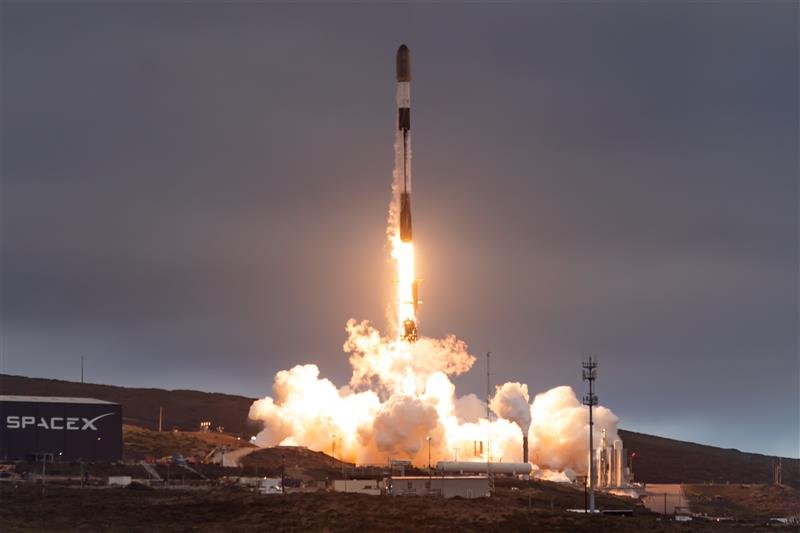
Just 38 minutes later, completing an impressive double header from both coasts, SpaceX launched another Falcon 9 at 6:50 p.m. PDT on August 15th from SLC-4E at Vandenberg Space Force Base carrying the classified USSF-366 payload for the U.S. Space Force. The booster supporting the mission flew for the 18th time and landed on the droneship Of Course I Still Love You.
Photo: SpaceX
SatNet LEO Group 24
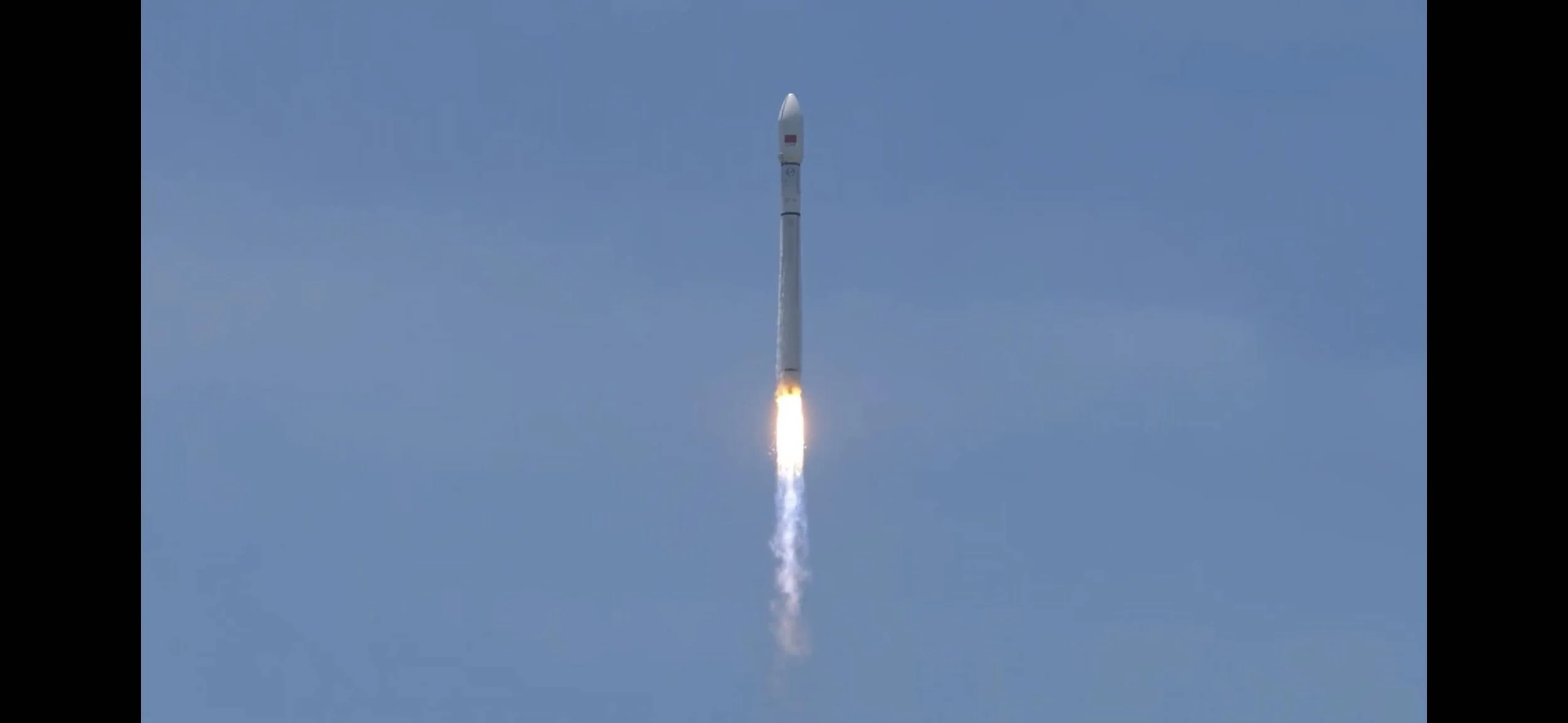
On August 16th at 12:10 p.m. Beijing Time, CASC launched a Long March 12 from commercial Launch Complex 2 at the Wenchang Space Launch Site in China. The rocket carried nine satellites for China’s SatNet low-Earth-orbit communications network.
Photo: CASC
Satellite for Earth Observation (SEO)
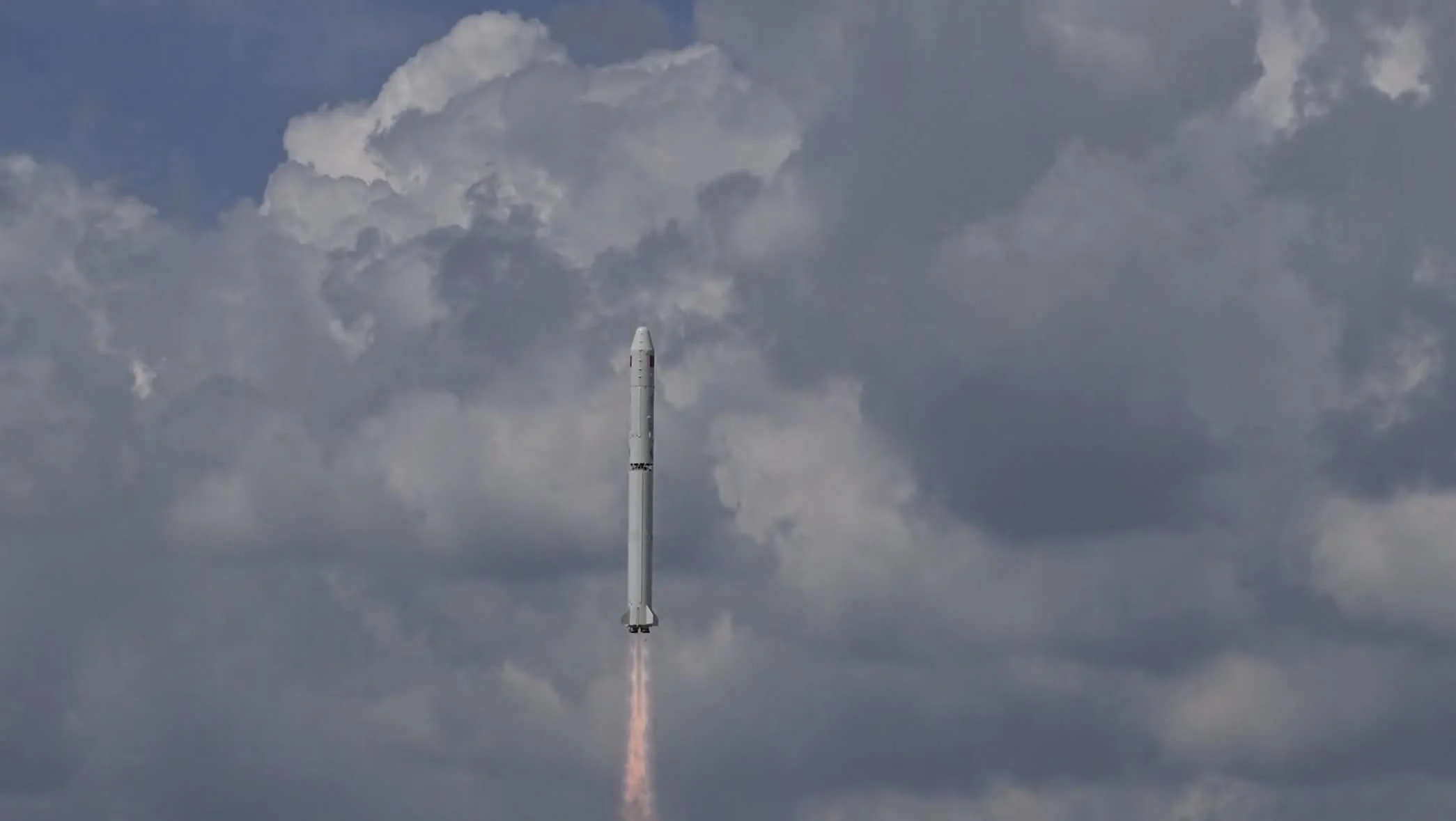
On August 17th at 11:02 a.m. Beijing Time, CASC launched a Long March 2C from Launch Complex 9 at the Taiyuan Satellite Launch Center carrying the SEO satellite for the United Arab Emirates. Developed by the National Space Science and Technology Center at UAE University, with support from international partners, this satellite will supply data for environmental protection, natural-resource management, and improved planning and decision-making skills.
Photo: CASC
Blue Origin Advances Dual-Pad Plans and Ground Network
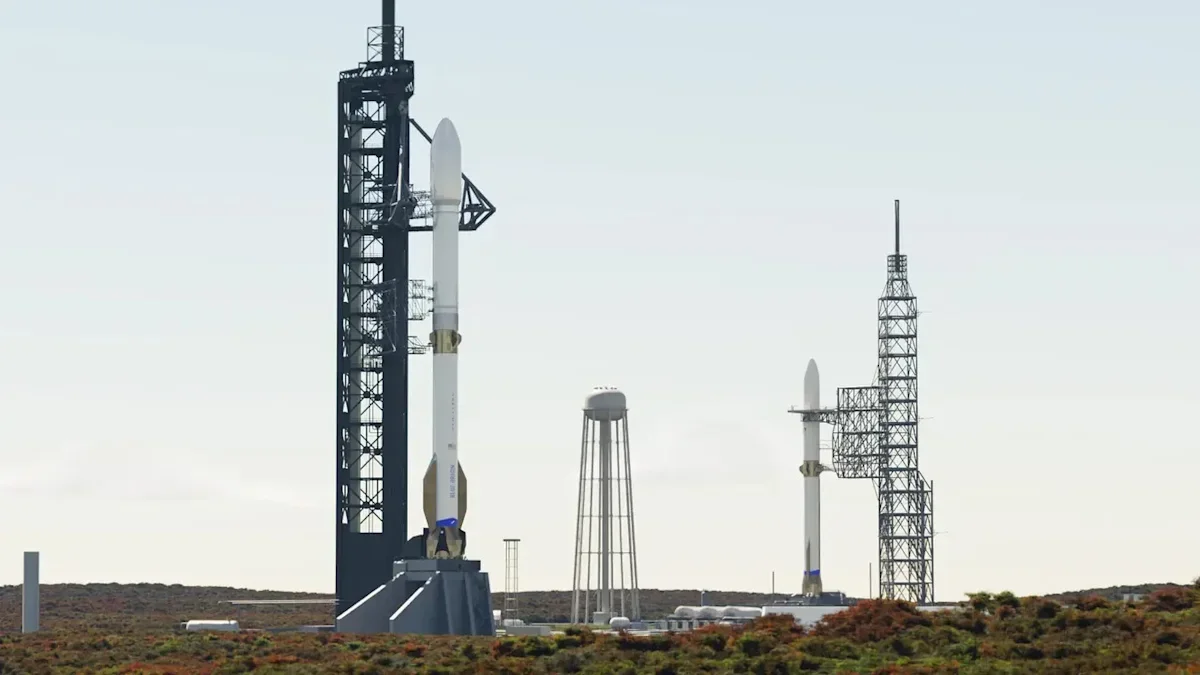
Blue Origin confirmed they have begun the construction of the second of two pads at Launch Complex 36. One pad is being rebuilt after the New Glenn mishap earlier this year along with the new site (Pad B) supporting the larger 9x4 vehicle. The company is also building a vertical integration facility for New Glenn operations and a payload-processing facility nearby.
Separately, Blue Origin has begun rolling out its Quartz ground stations, with the first three now installed and tested in Australia, New Zealand, and Bermuda. These form the initial phase of a planned nine-site network this year. The stations will support communications for Blue Origin’s on-orbit satellites.
Photo Credit: Blue Origin
NASA Announces MAX POWER
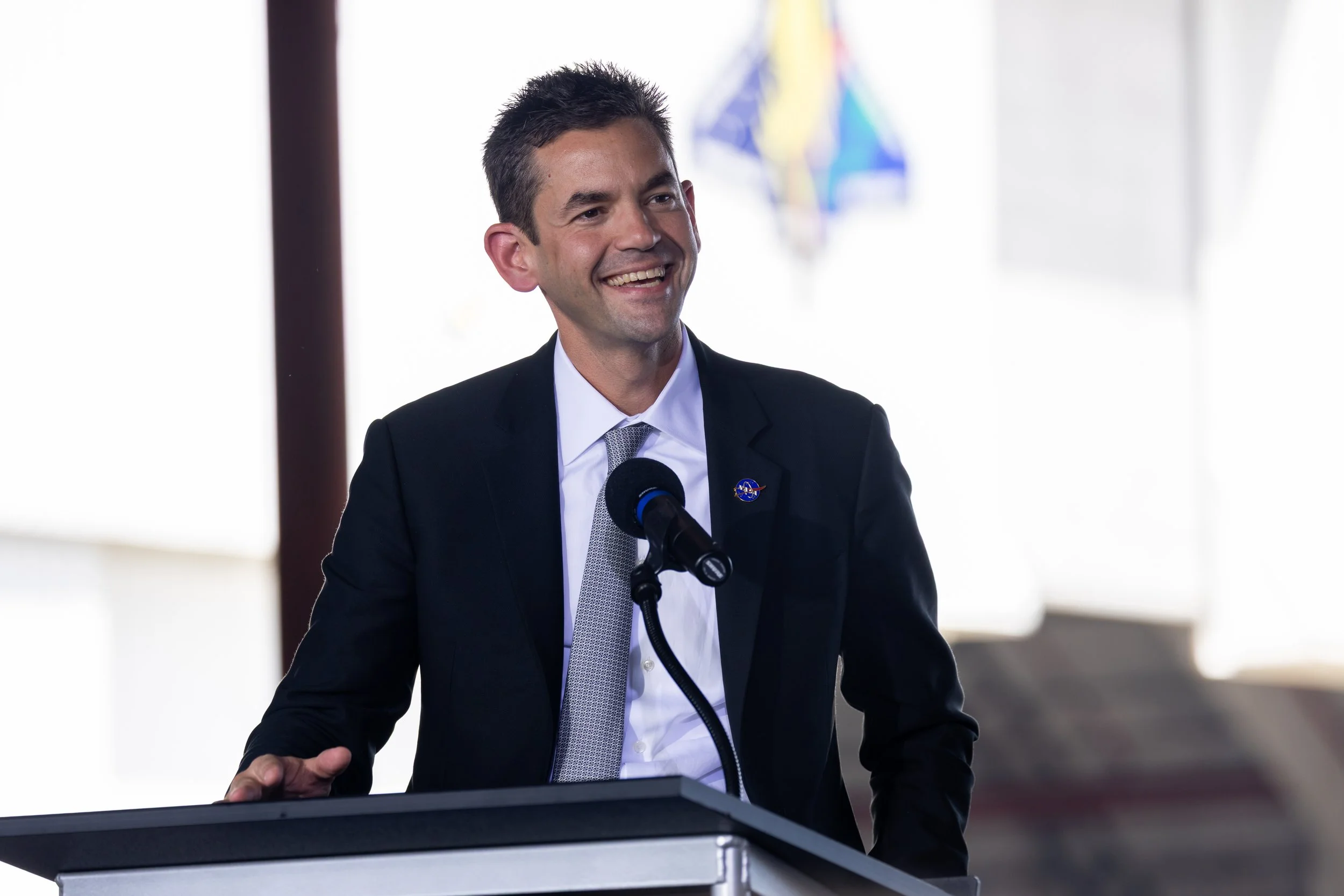
On August 14th, NASA Administrator Jared Isaacman and agency leadership announced that NASA will host the MAX POWER aerospace expo and airshow at Kennedy Space Center on November 7–8. Full details appear in the previous article.
Photo Credit: Gavin R. for Launch Heaven