SpaceX Launches Falcon Heavy April 29th Carrying ViaSat-3 F3 Satellite
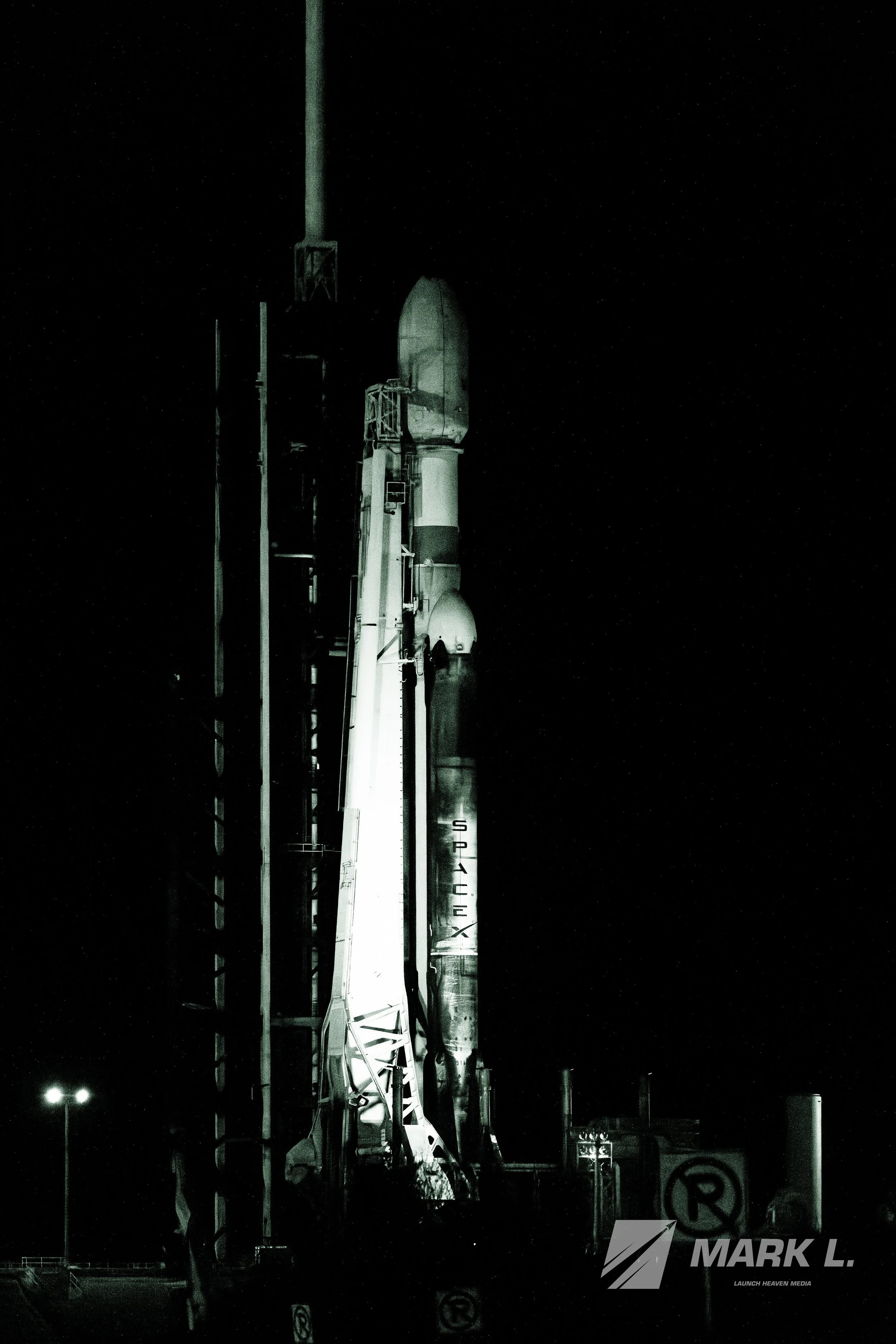
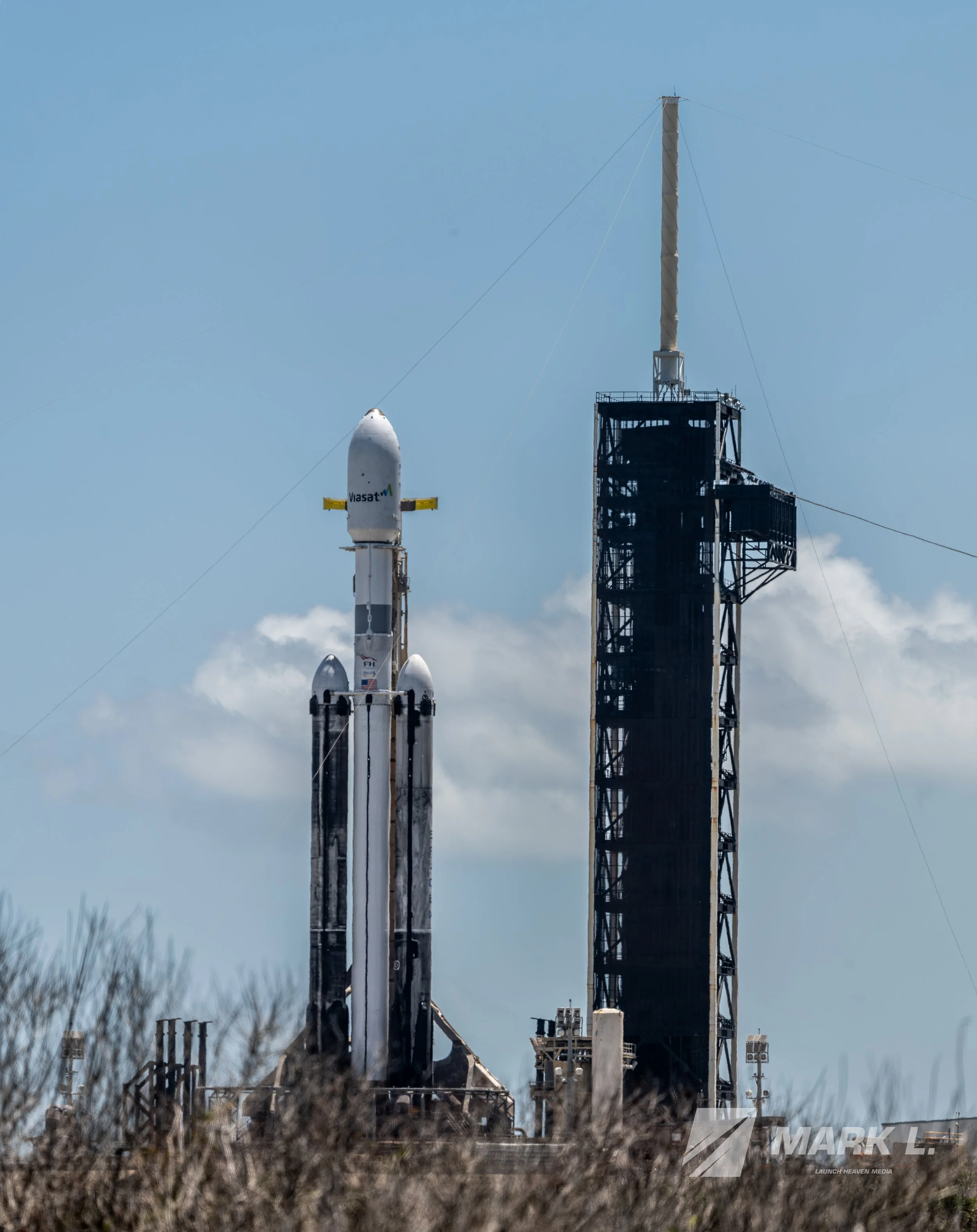
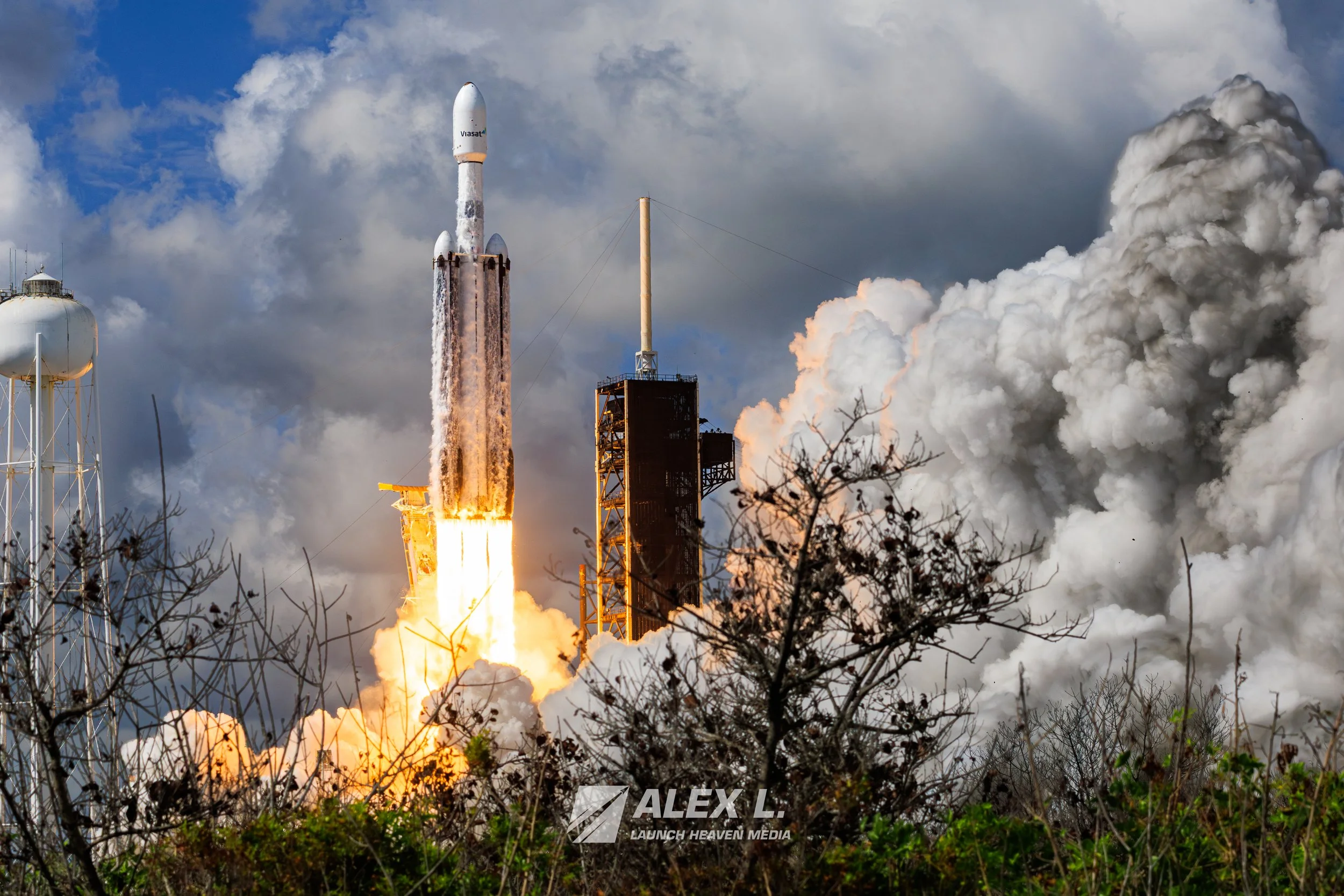
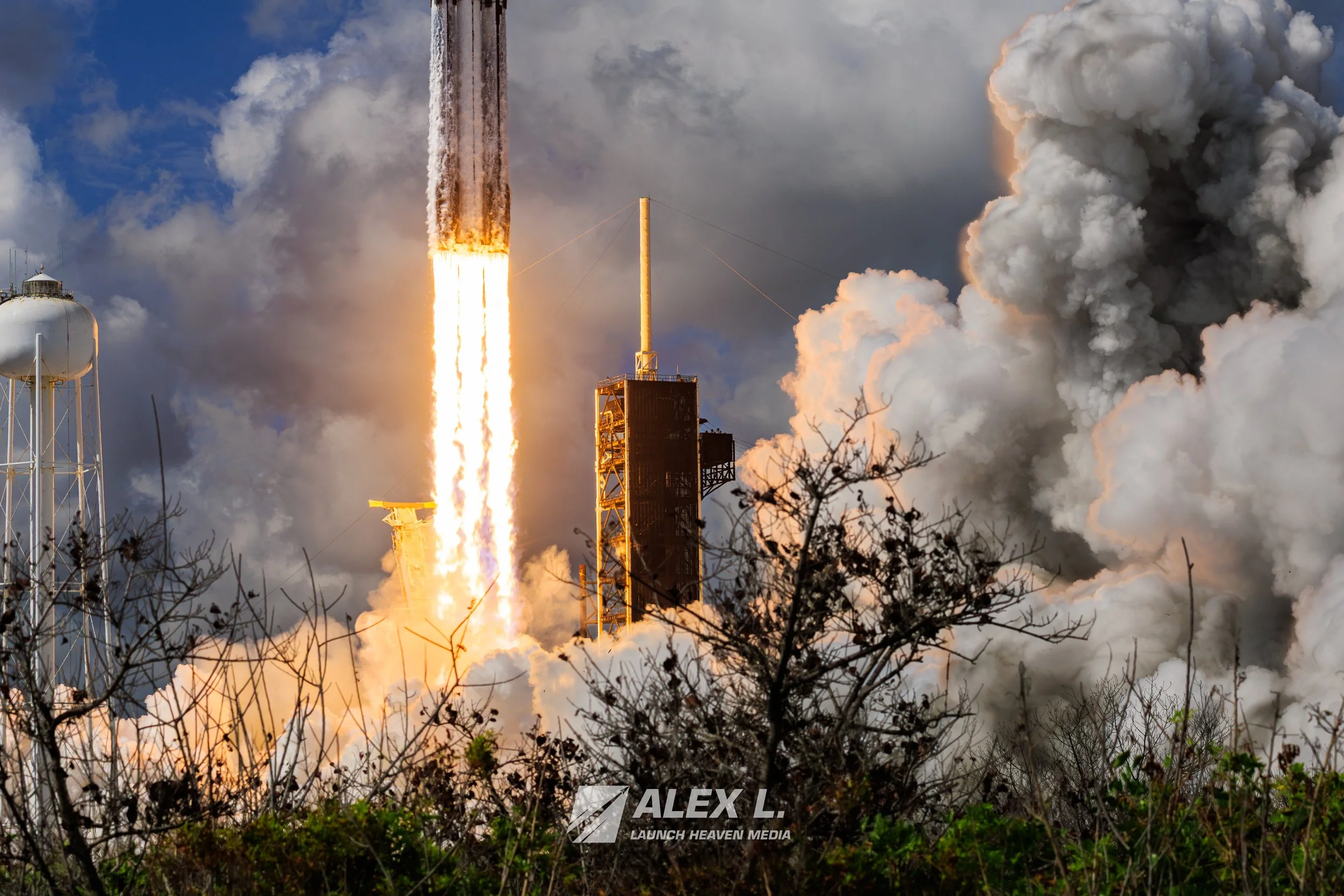
One of the world’s largest rockets launched at 10:13 am ET Wednesday morning. Roaring off the pad with a total thrust of 5.5 million pounds those lucky enough to witness felt the ground tremble under their feet as Falcon Heavy took to the skies. This mission carried the ViaSat-3 F3 communications satellite to Geosynchronous transfer orbit from Launch Complex 39A (LC-39A) at NASA’s Kennedy Space Center in Florida.
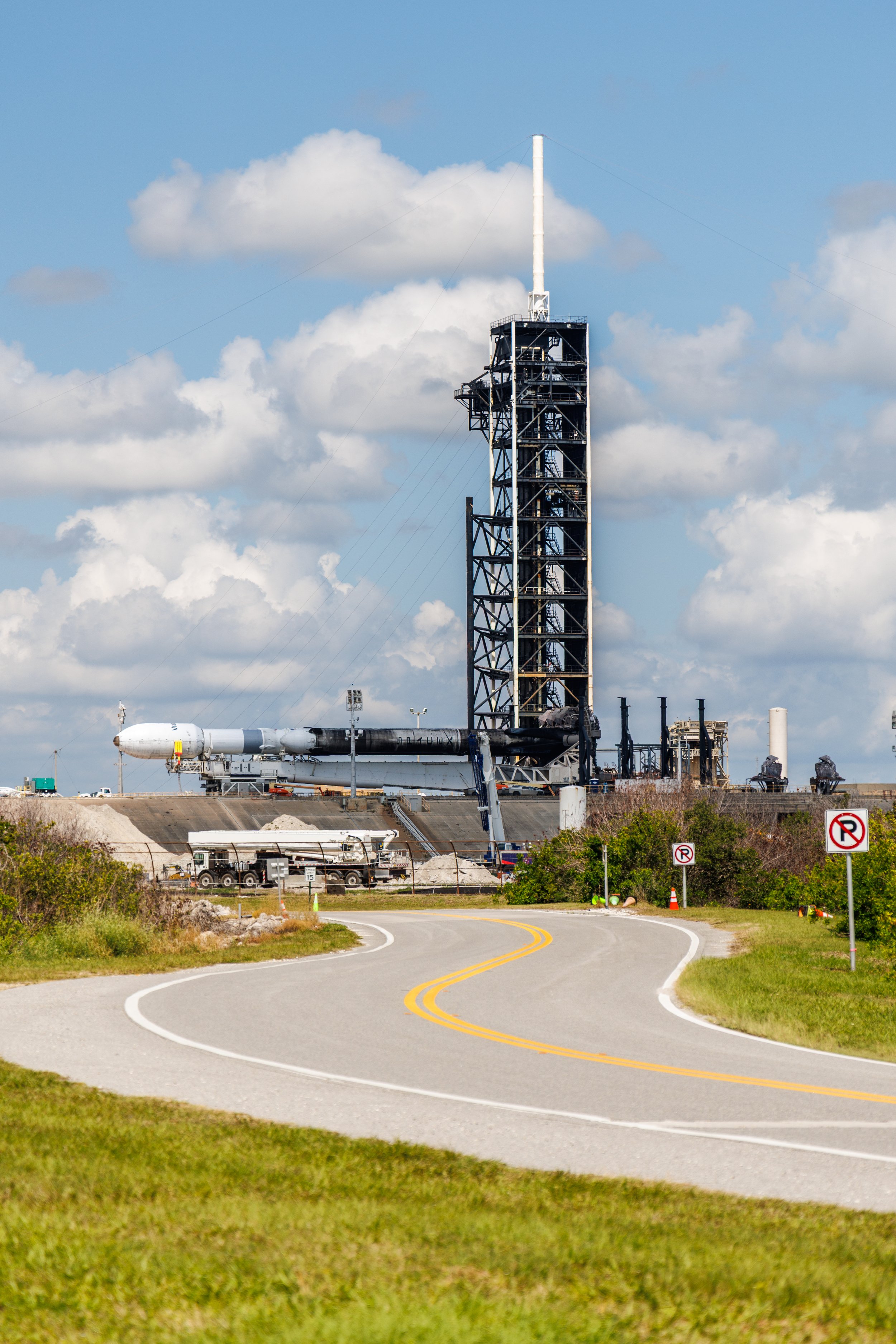
Spaceflight fans have been waiting 18 months since Falcon Heavy’s last flight, the Europa Clipper mission back in October 2024. Due to the high-energy required, the center core (B1098) did not return for reuse and was expended. The two side boosters returned in spectacular fashion to SpaceX’s landing zones LZ-2 and LZ-40. Twin sonic booms pounded the space center as the two boosters plummeted back from space towards the landing pads. This is a unique experience as Falcon Heavy is the only vehicle to ever recover multiple boosters from the same launch vehicle.
With these zones 5 miles apart this was the first to have the boosters land separately instead of side by side. Both are flight-proven, B1072 with one mission and B1075 having flown 21 times.
Image Credit: Alex L.
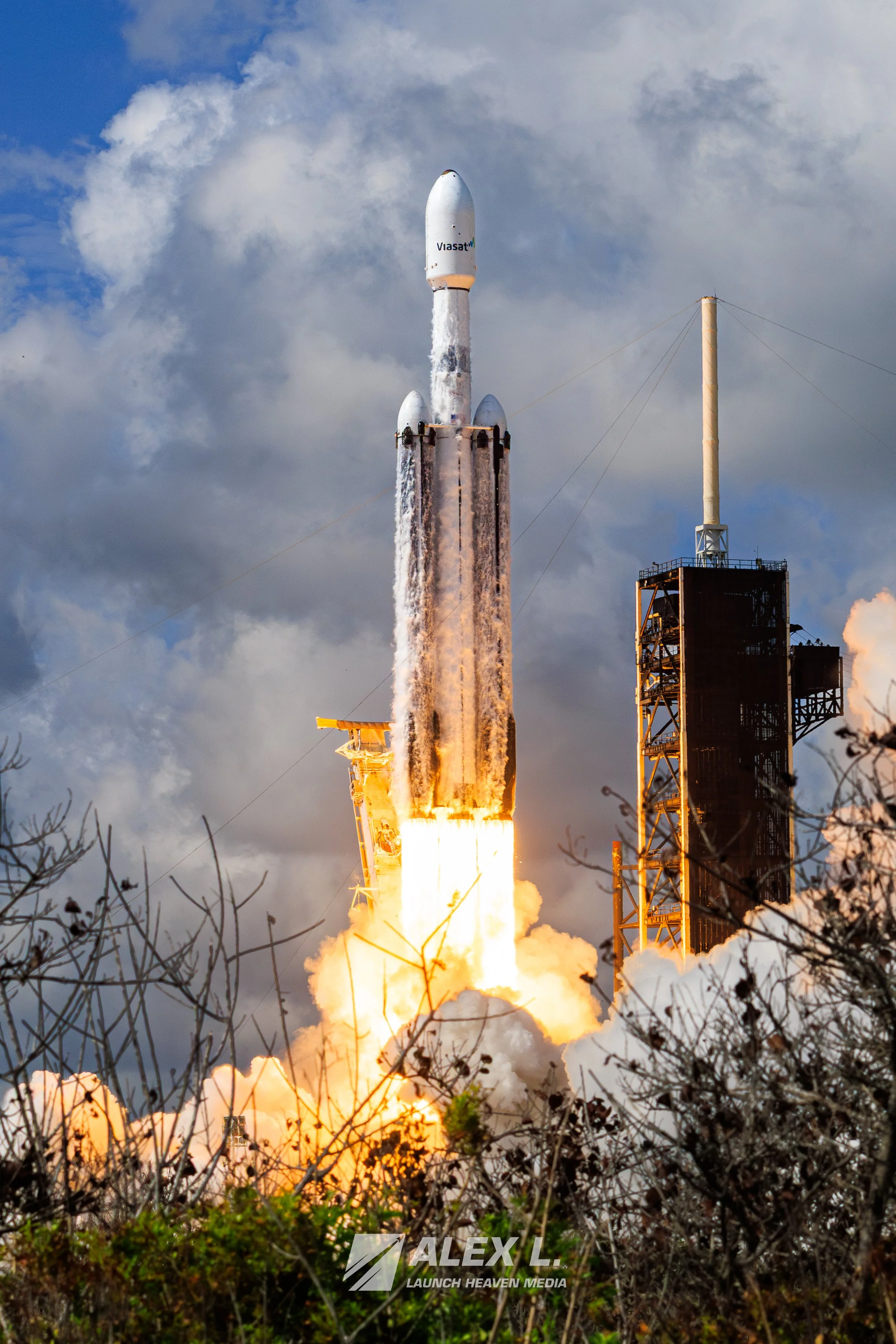
With this launch, the Boeing-assembled ViaSat-3 F3 satellite will be the final spacecraft in the trio of ultra-high-capacity Ka-band satellites to be put into space. Each platform is designed to deliver more than 1 Terabit per second of network capacity flexibility for uses such as maritime, aviation, mobile, or military. Each satellite is used for different areas of the world, the first two cover the Americas, Europe, Middle East and Africa. Today’s launch will cover Asia and the Pacific. Originally contracted to fly on Arianespace’s Ariane 6, Viasat shifted the mission to Falcon Heavy due to developmental delays with the European launcher.
Image Credit: Alex L.
Here are the photos captured by our team on site: