Weekly Spaceflight Update: July 12- July 20th
Many events happened this week including Starship aborting on ignition ahead of Flight 13, the first successful private Indian company to reach orbit, and more. Read it all below:
Starlink Group 15-14
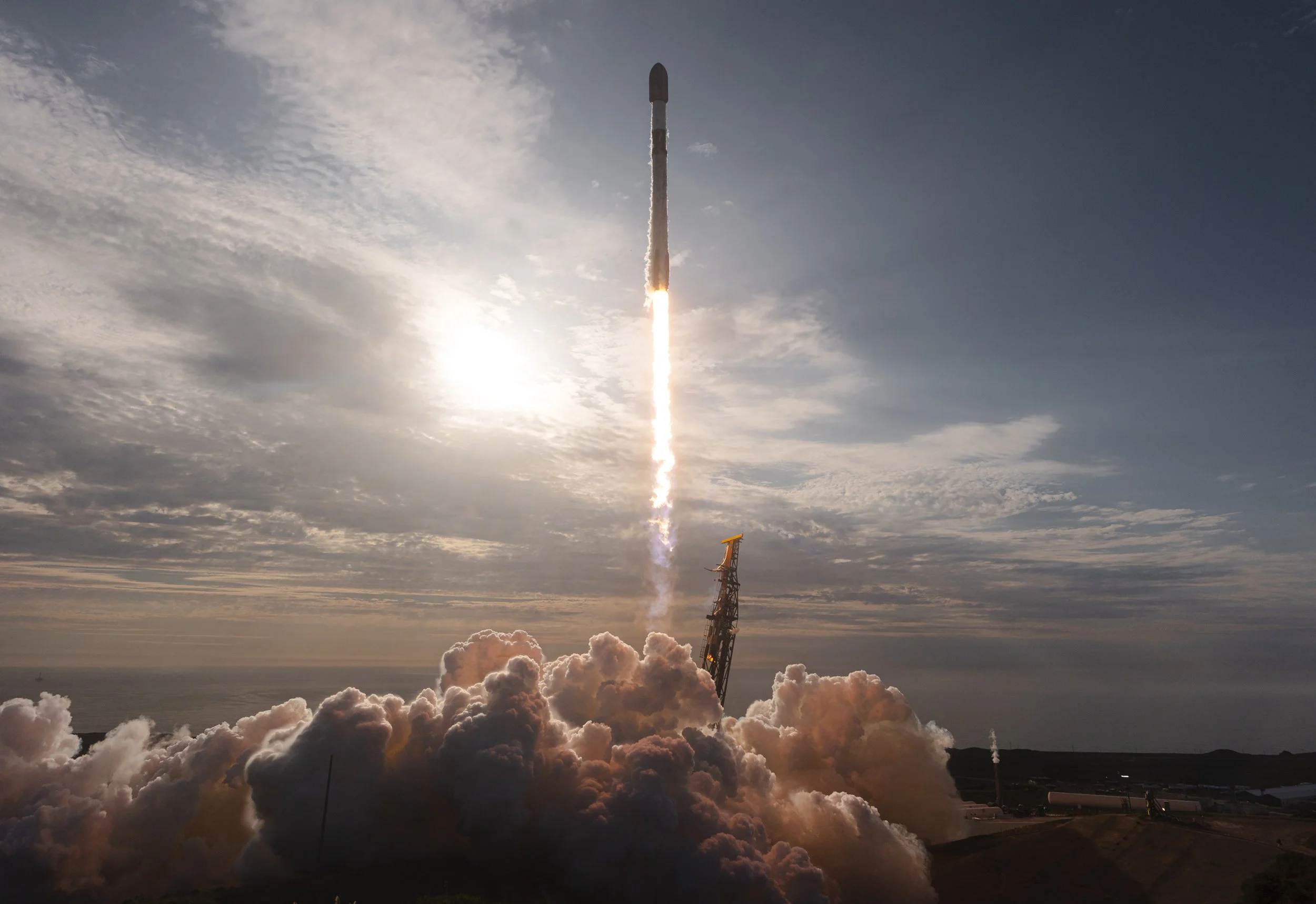
On July 13th at 6:28 p.m. PDT, a Falcon 9 launched another batch of Starlink satellites from SLC-4E at Vandenberg Space Force Base in California. The first-stage booster B1093 flew its 15th mission and landed successfully on the Of Course I Still Love You droneship in the Pacific Ocean.
Photo: SpaceX
Starlink Group 10-45
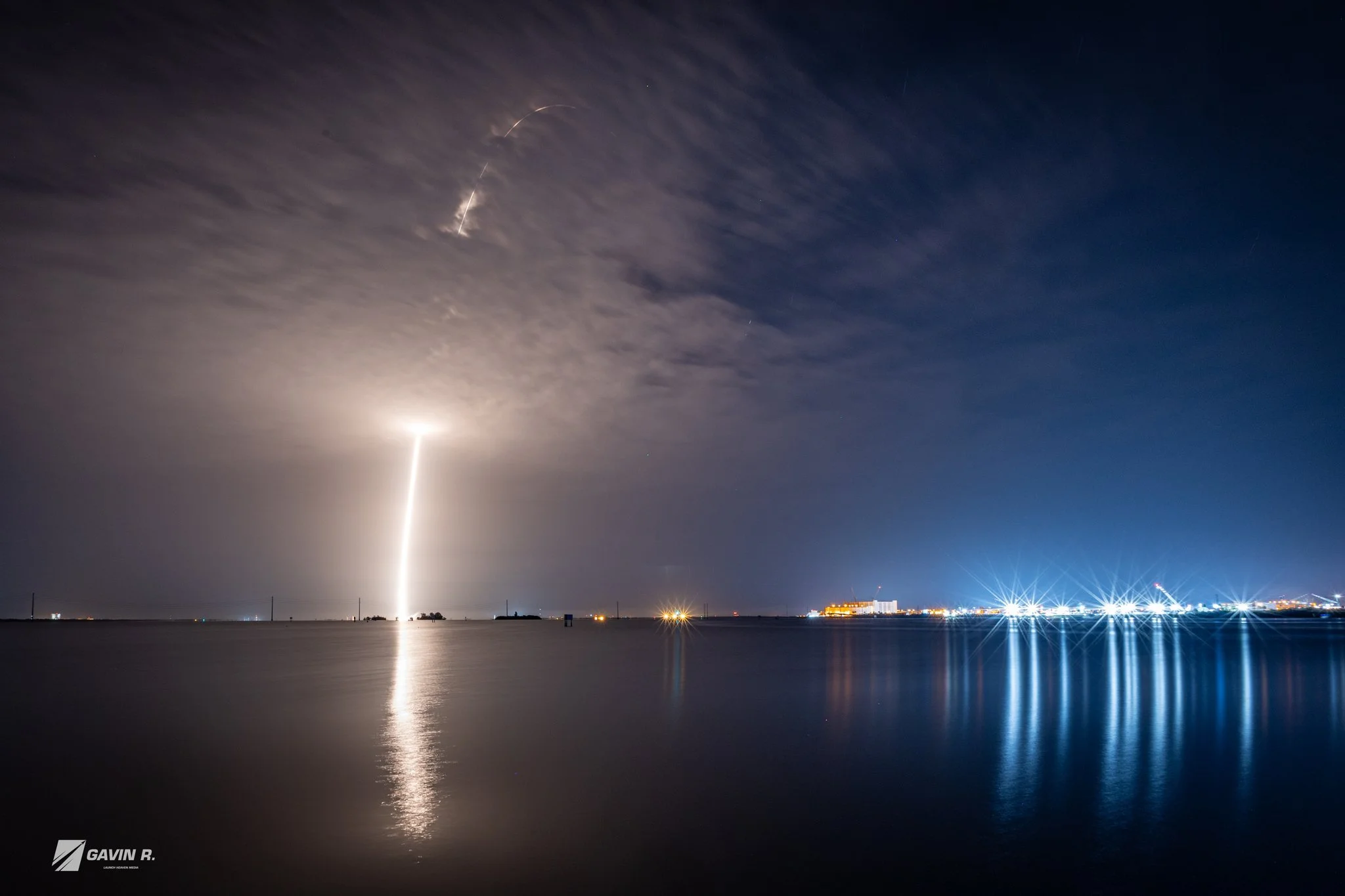
On July 14th at 5:10 a.m. EDT, a Falcon 9 launched a batch of Starlink satellites to orbit from SLC-40 at Cape Canaveral Space Force Station in Florida. The Falcon 9 first-stage booster supporting this mission (B1080) flew for its 28th time and landed successfully on the A Shortfall of Gravitas droneship in the Atlantic Ocean.
Photo: Gavin R, For Launch Heaven Media
Soyuz MS-29
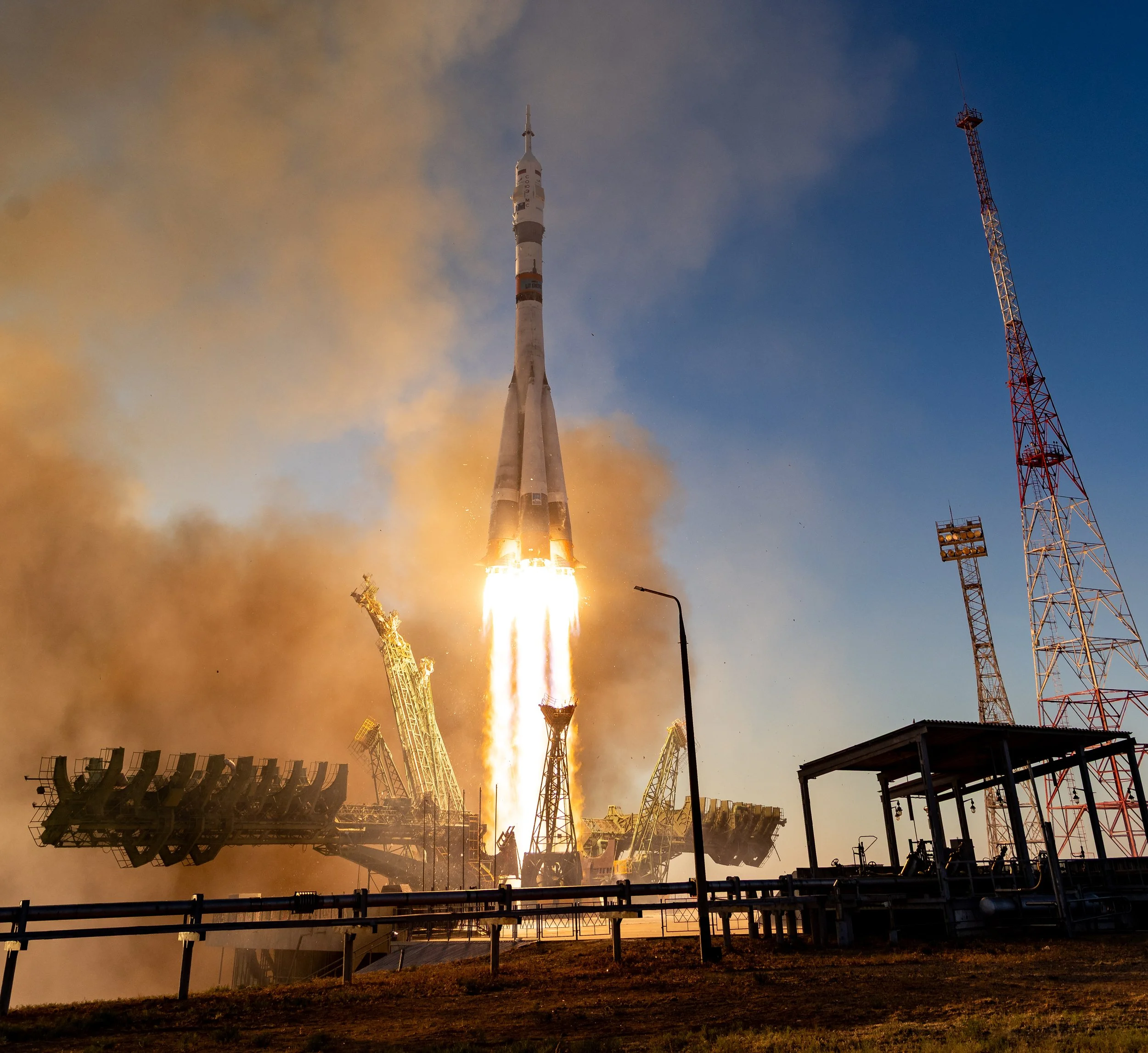
On July 14th at 7:47 p.m. Baikonur time, the Soyuz MS-29 mission lifted off from Site 31/6 at the Baikonur Cosmodrome in Kazakhstan. It carried Roscosmos cosmonauts Pyotr Dubrov, Anna Kikina, and NASA astronaut Anil Menon, to the International Space Station. The crew is expected to stay on station for about eight months.
Photo: NASA/Bill Ingalls
SDA’s Third Tranche 1 Mission
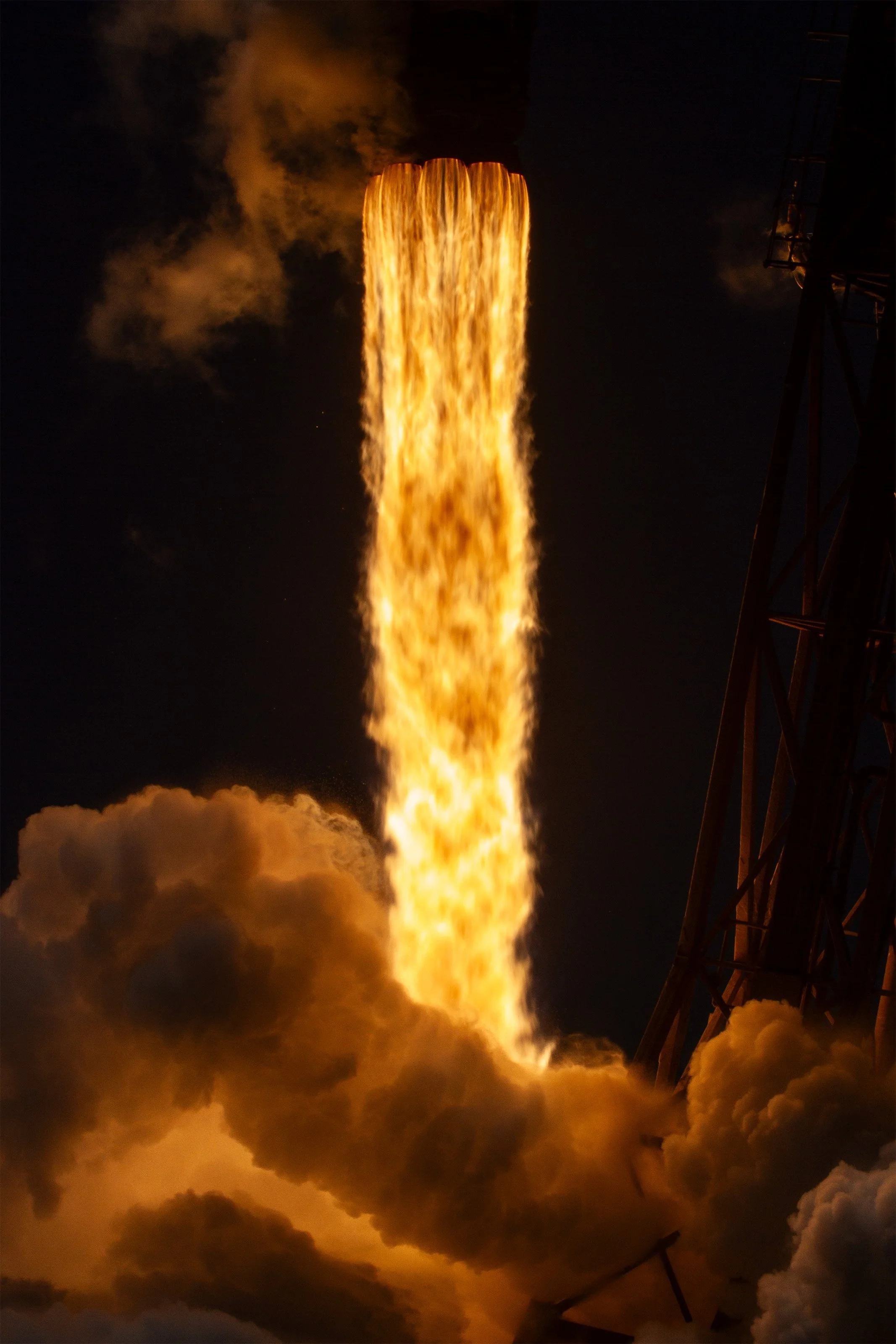
On July 16th at 1:32 p.m. PDT, a Falcon 9 launched the Tranche 1 Transport Layer E mission to orbit for the Space Development Agency from SLC-4E at Vandenberg Space Force Base, California. These satellites enhance military communications and data transport as part of the Proliferated Warfighter Space Architecture (PWSA). The Falcon 9 first-stage booster B1103 flew for its 4th time and landed successfully on the Of Course I Still Love You droneship in the Pacific Ocean.
Photo: SpaceX
SpaceX Aborts Starship Flight 13
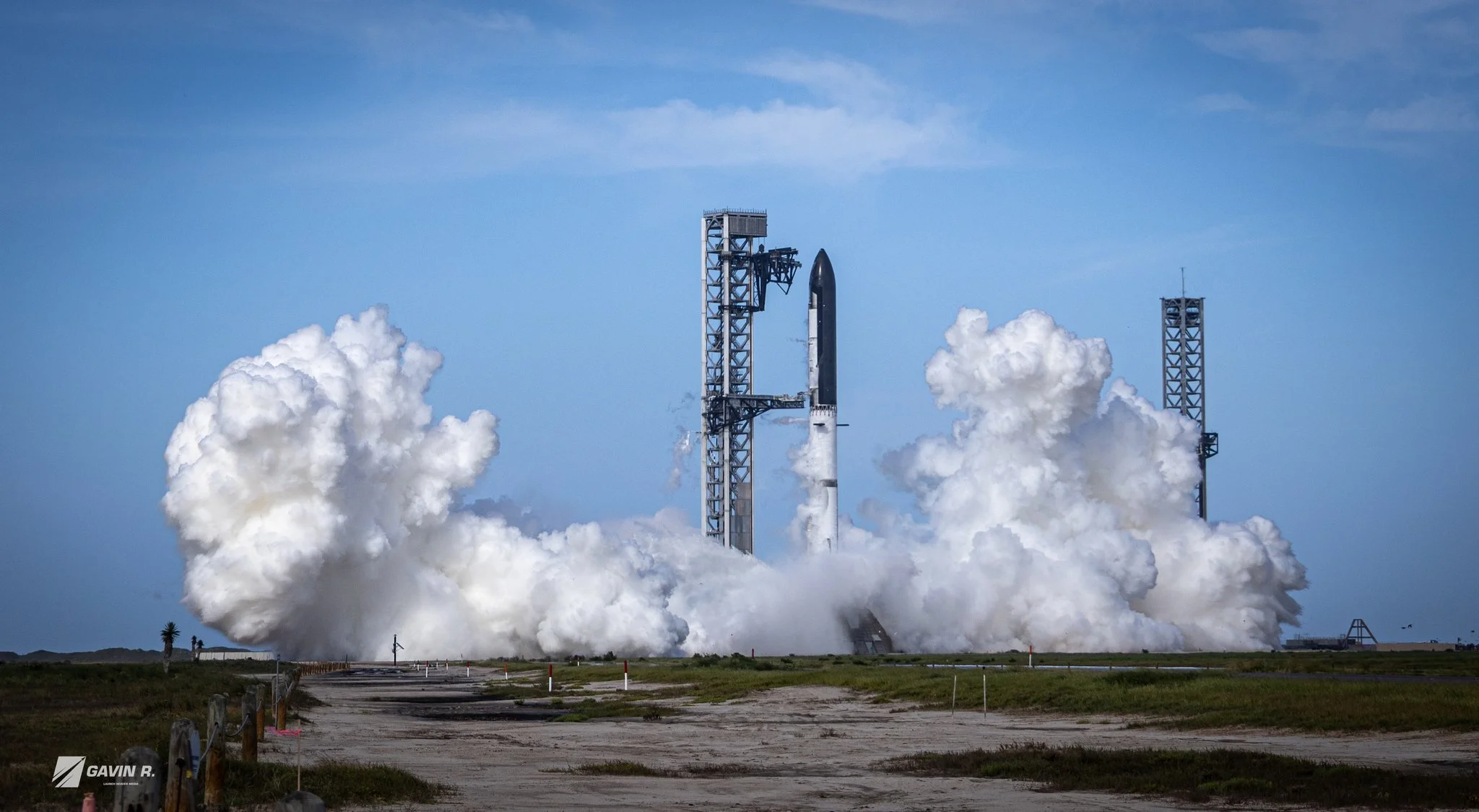
On July 16th, SpaceX proceeded with the first launch attempt for the 13th flight test of Starship from Starbase, Texas. After a brief hold at T-1 minute, the hold was released and the vehicle proceeded to engine ignition. Four Raptor engines on the Super Heavy booster failed to ignite, triggering an automatic abort and immediate shutdown. This may have caused damage similar to what was seen in an earlier 10-engine static fire on Booster 19 a few months prior which required all 10 engines to be replaced. Elon Musk posted on X later that two Raptors would be replaced. Since the scrub, both the booster and ship have been destacked and rolled back to the production site. SpaceX is now targeting Thursday, July 23 for the next launch attempt. It will also be interesting to see how the incoming weather system could affect operations as the storm moves closer to Texas.
Photo: Gavin R. For Launch Heaven Media
Aagaman (Demo Flight)
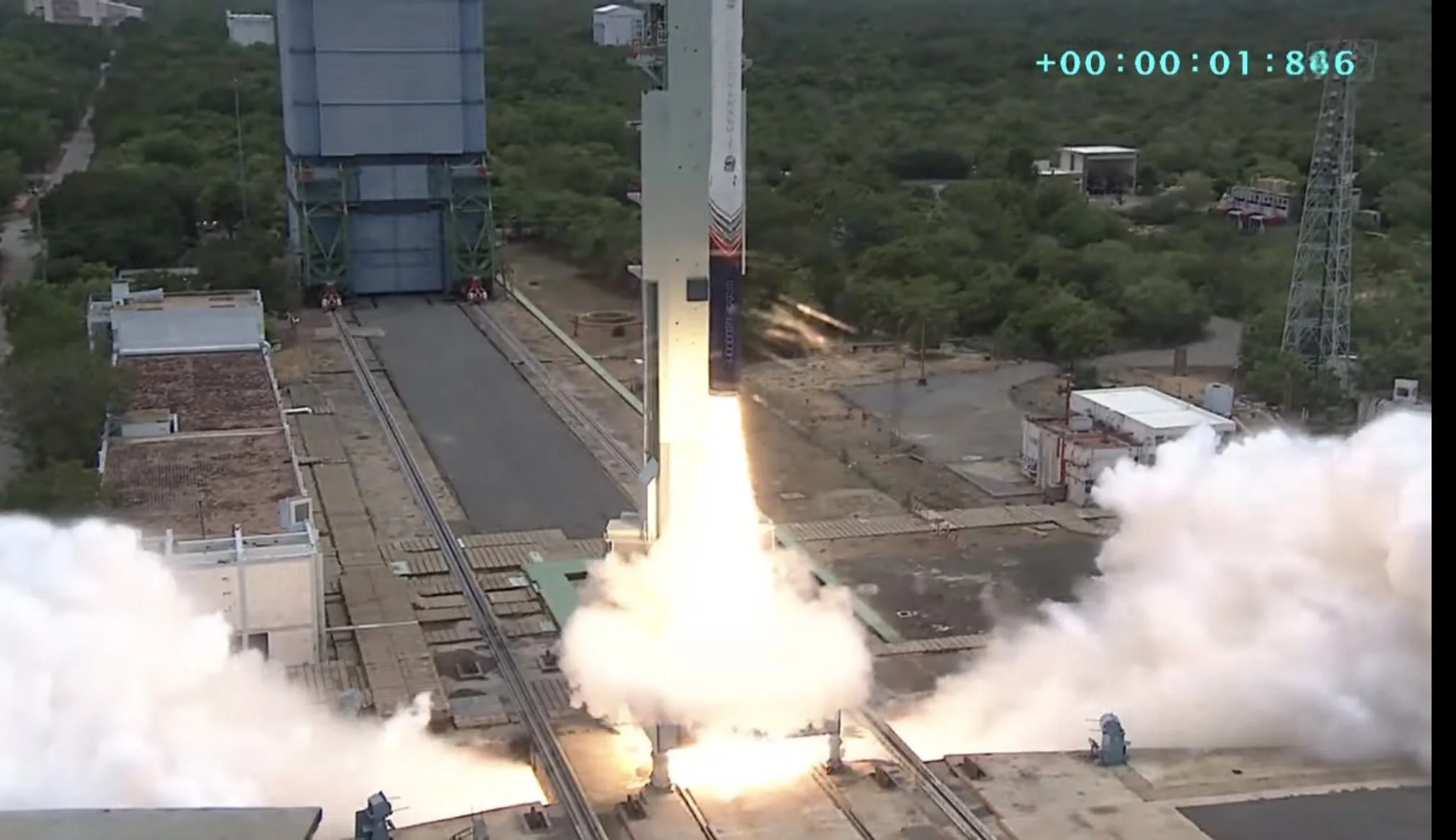
On July 18th at 12:05 p.m. IST, Skyroot Aerospace became the first private Indian company to reach orbit with the successful launch of its Vikram-I rocket. The vehicle lifted off from the First Launch Pad at Satish Dhawan Space Centre in India. The mission was called Aagaman.
Photo: Skyroot Aerospace