Falcon 9 Launches Northrop Grumman’s MRV-1 Spacecraft on Expendable Launch
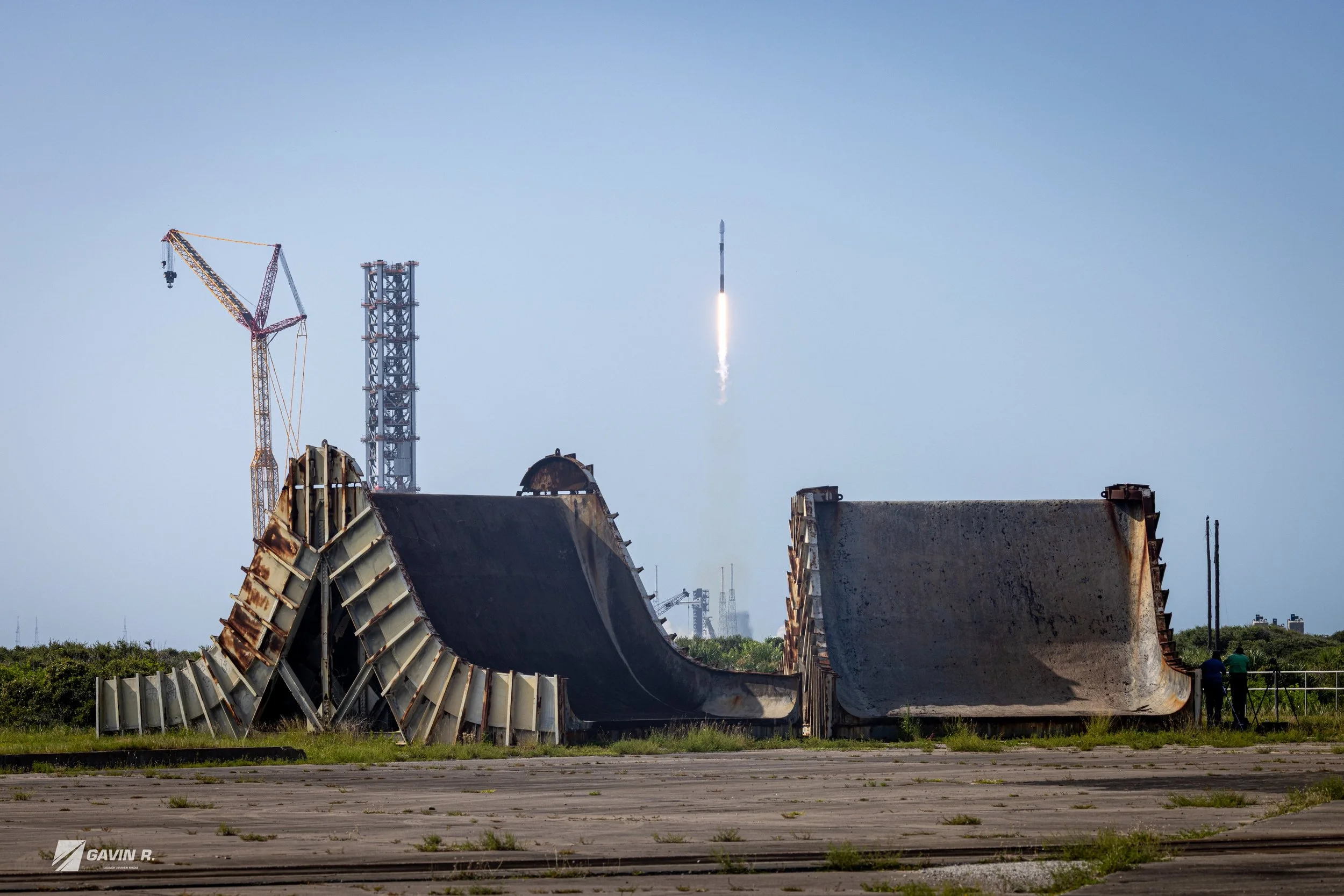
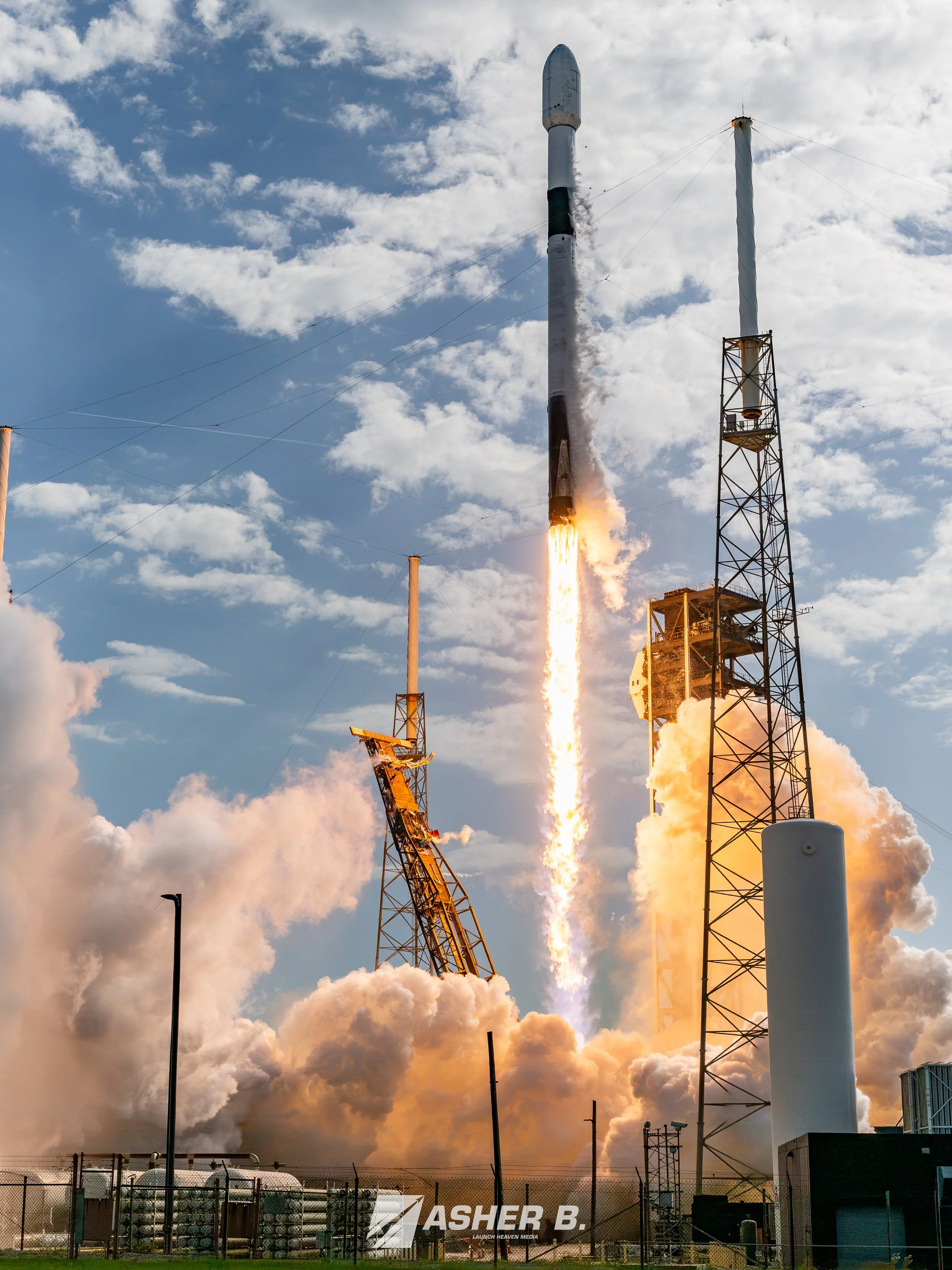
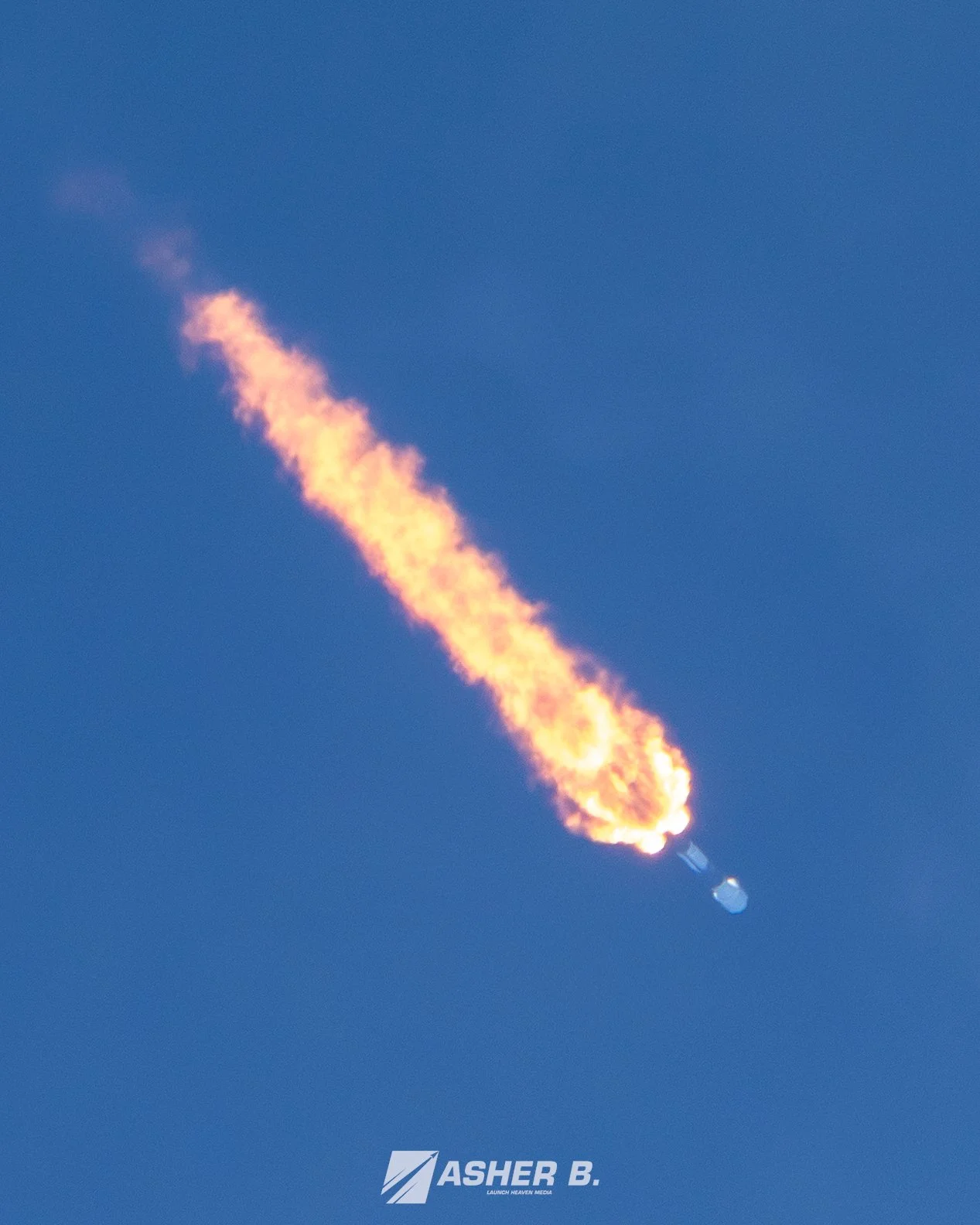
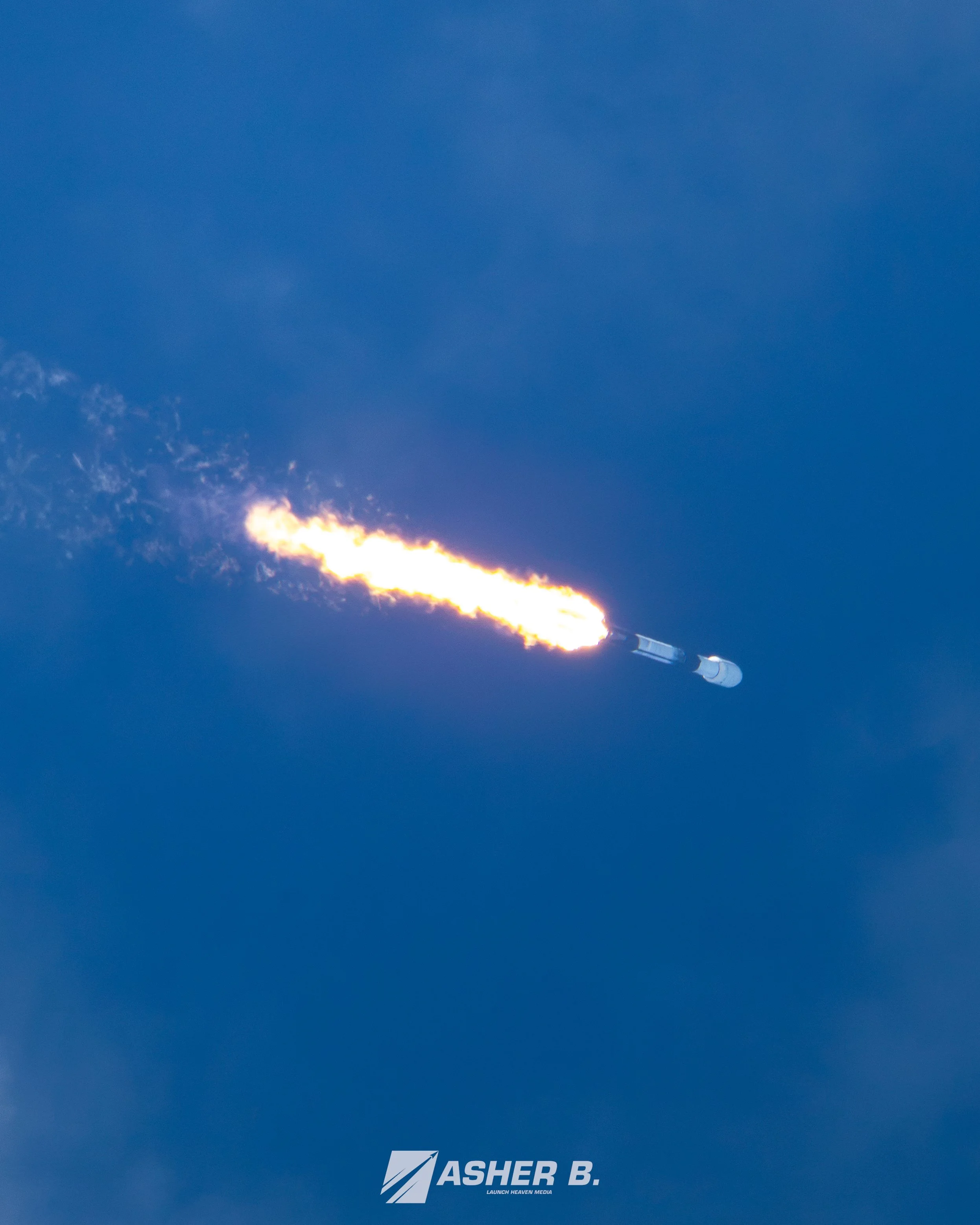
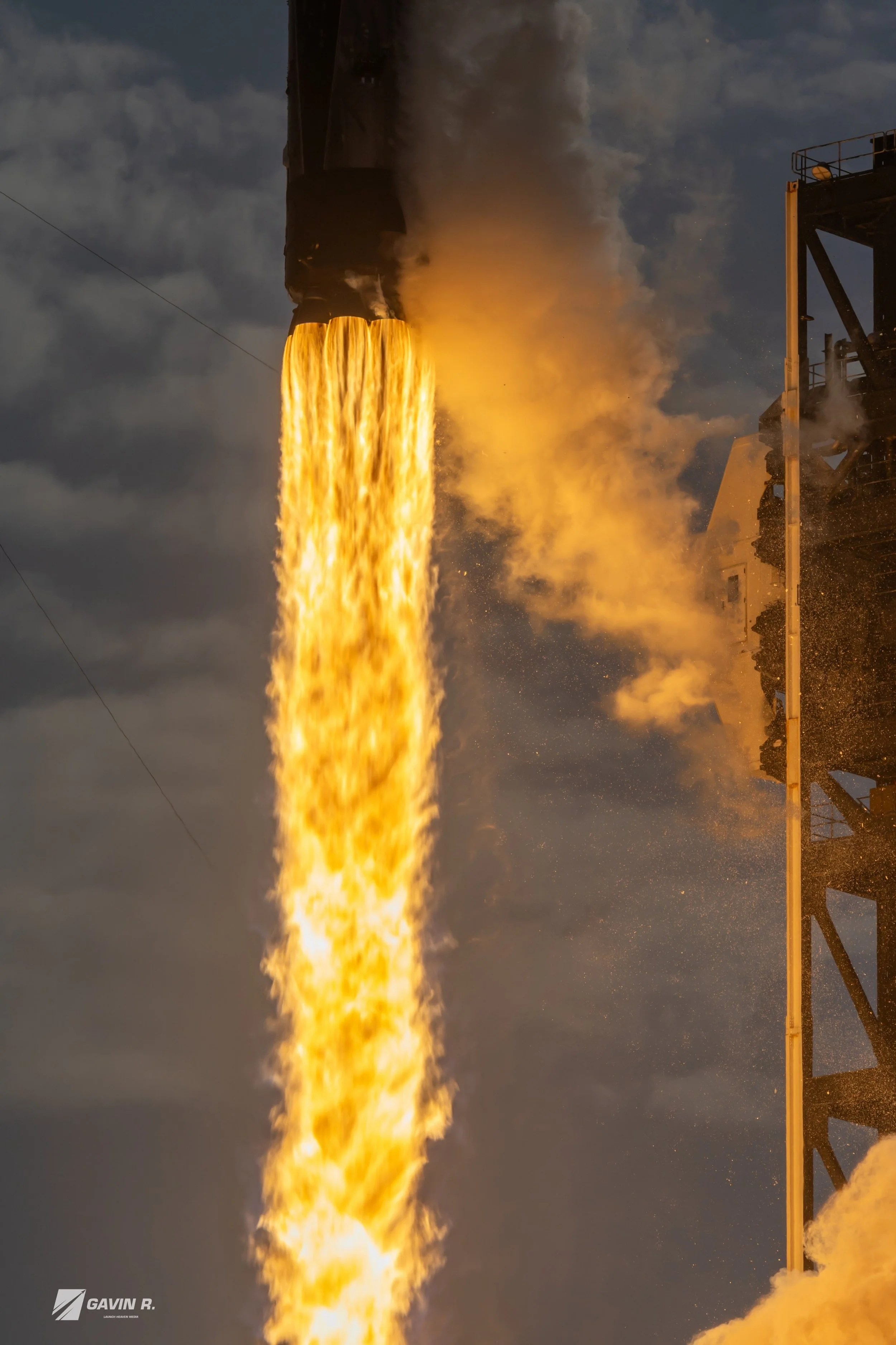
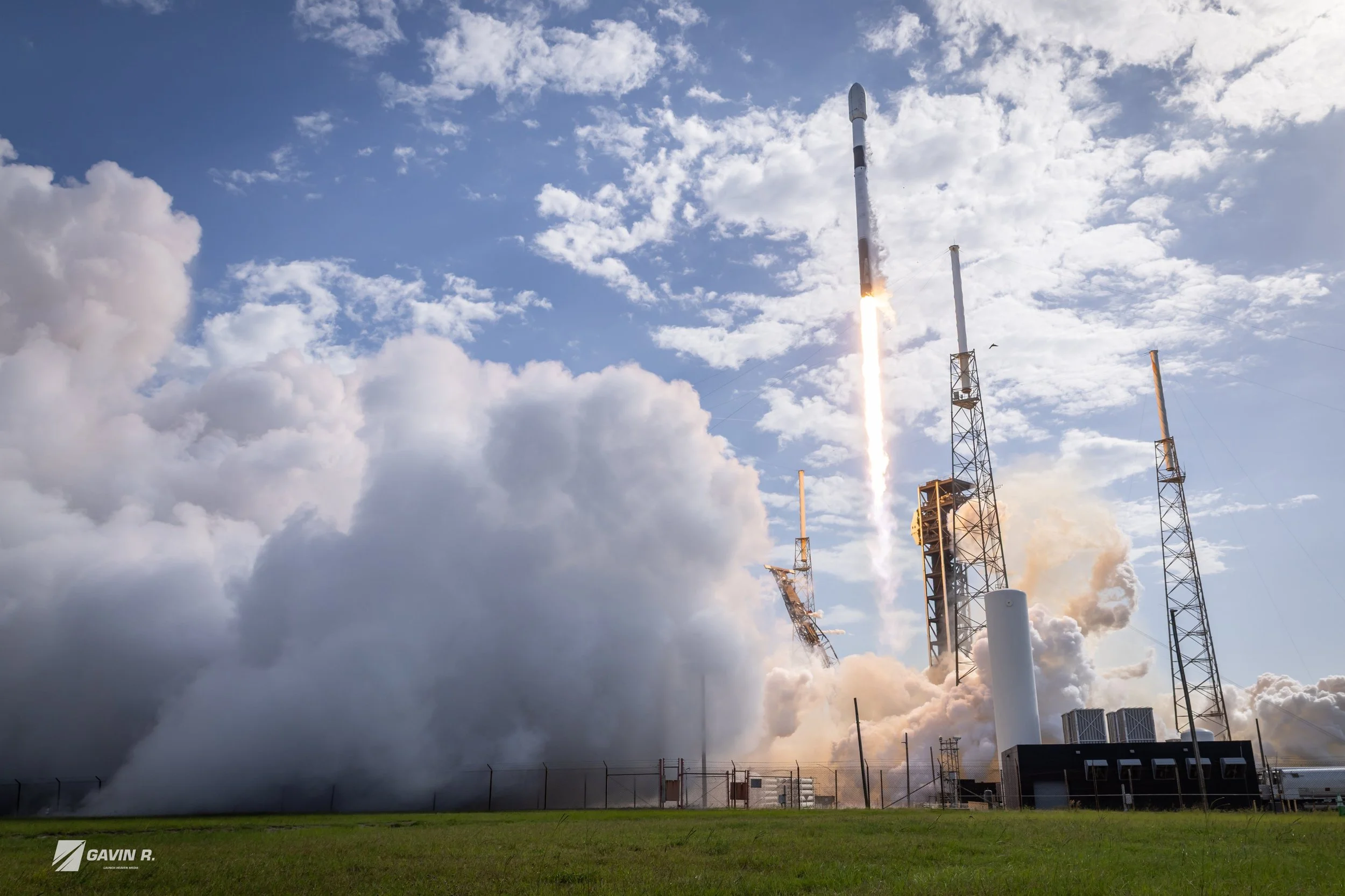
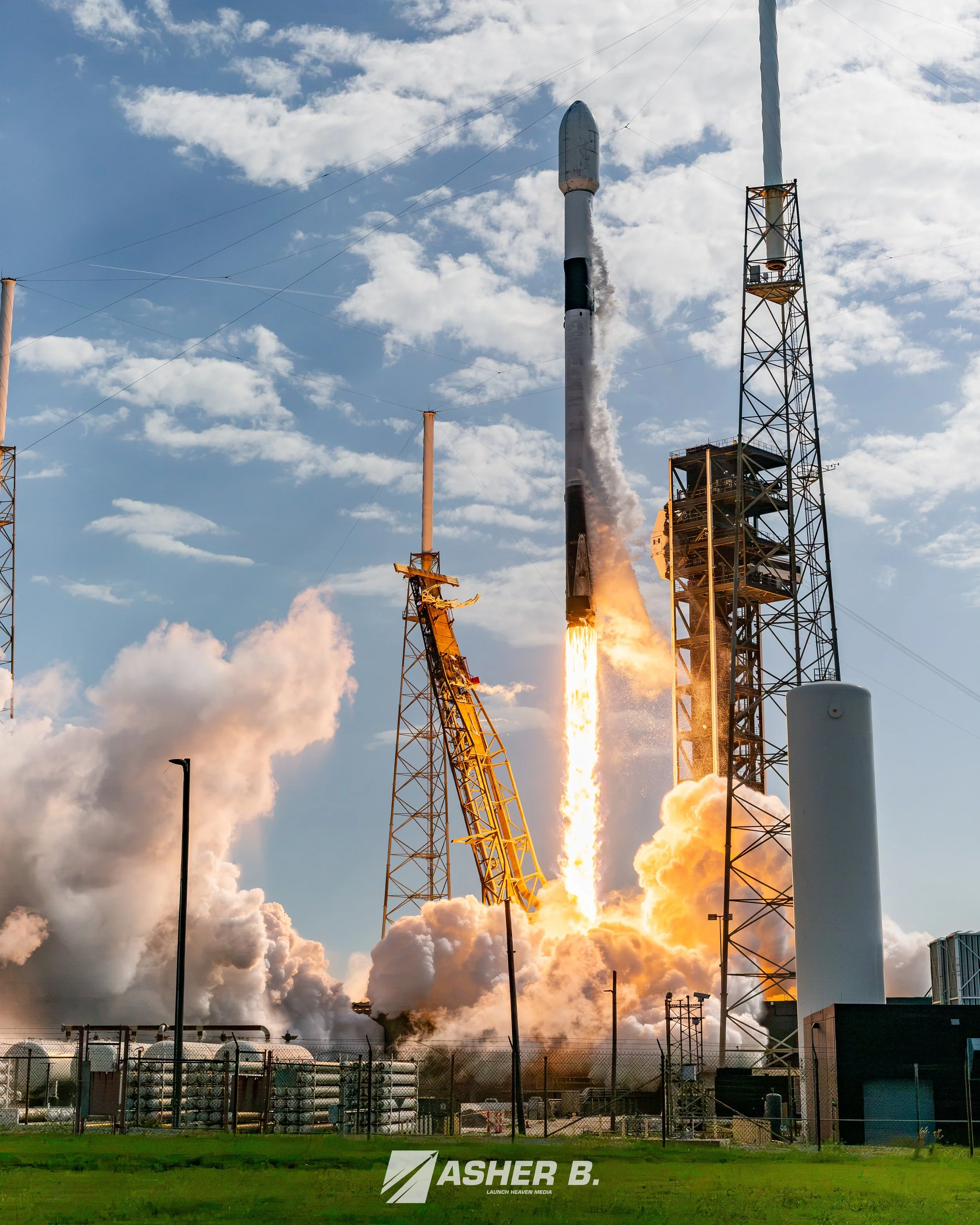
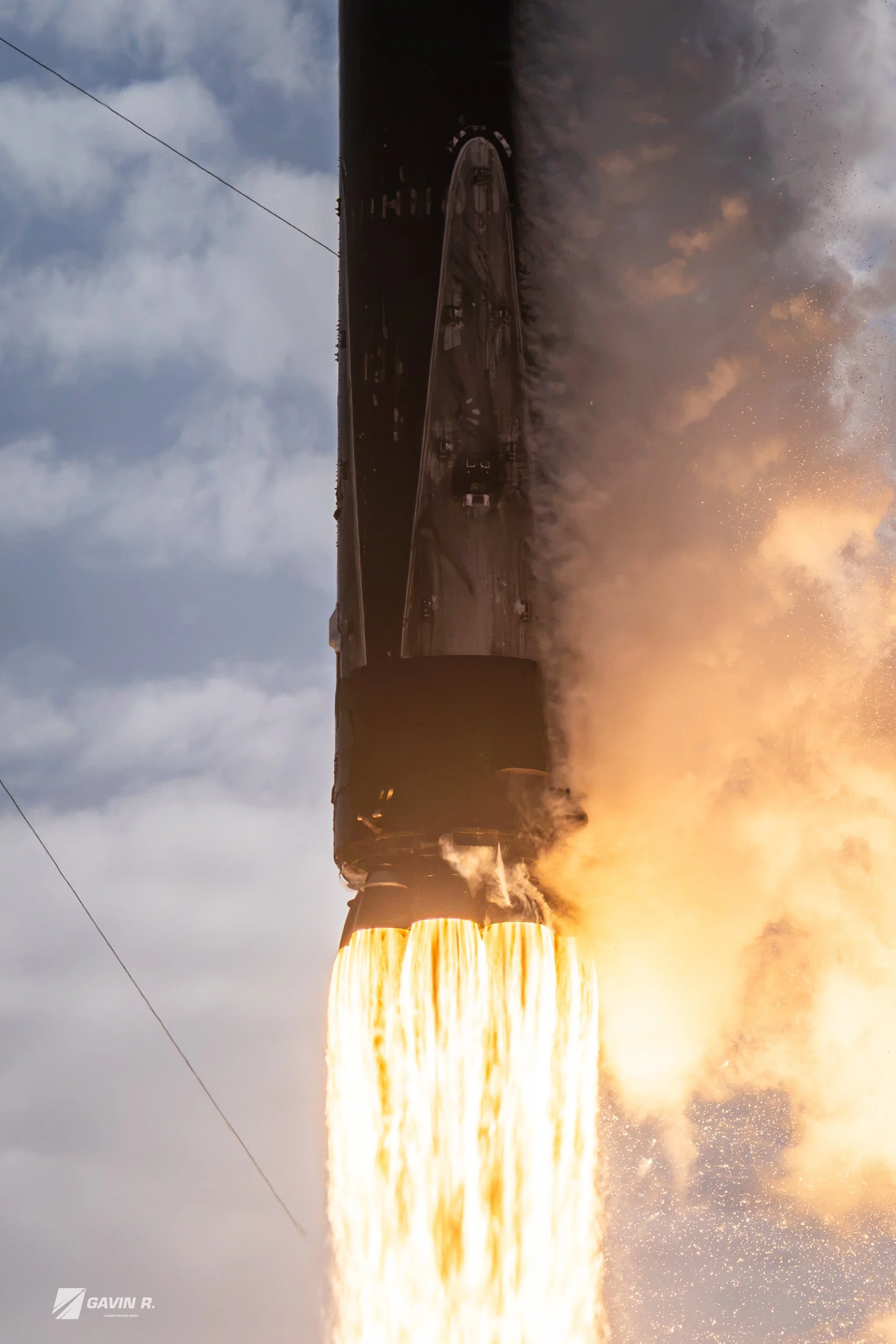
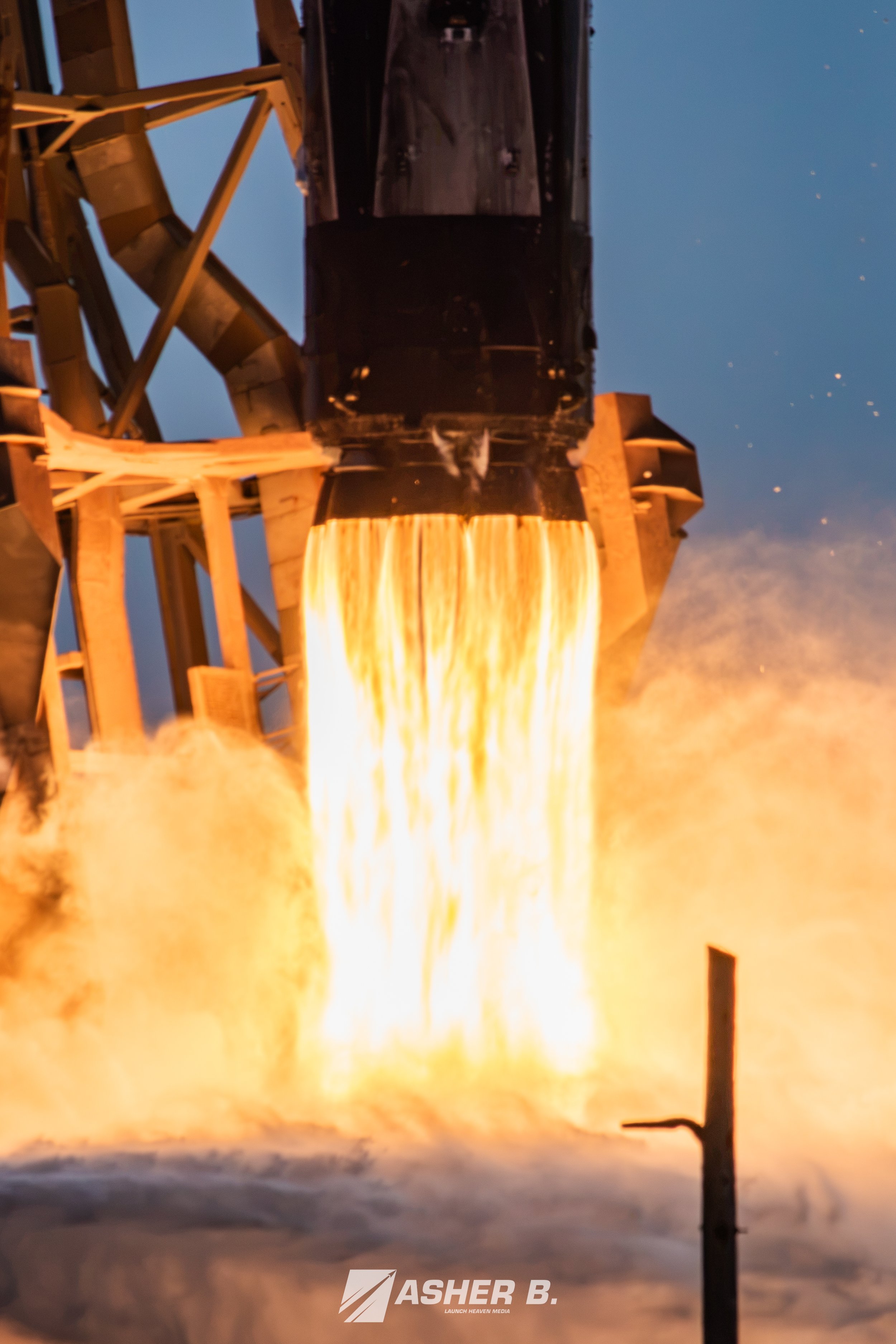
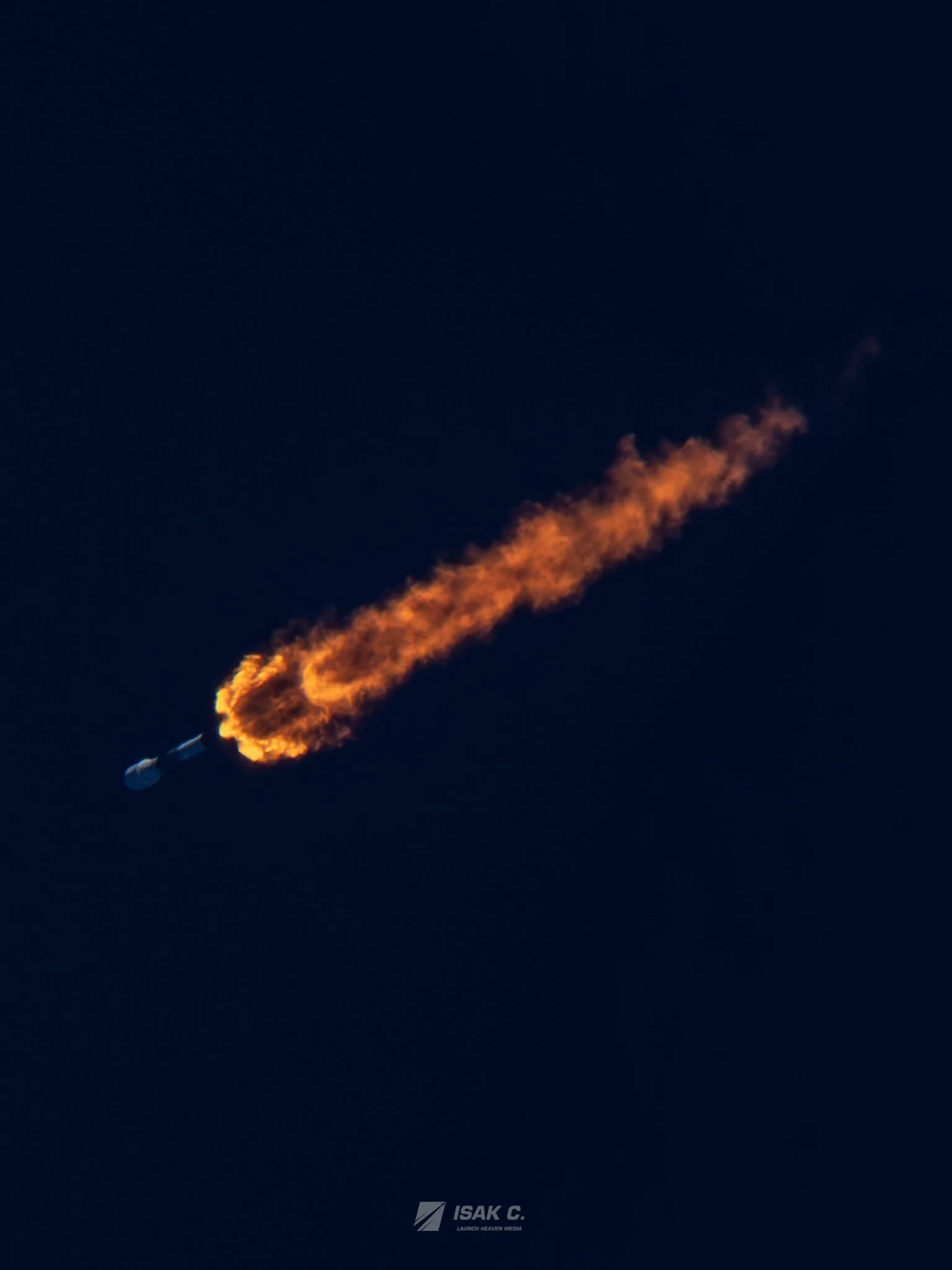
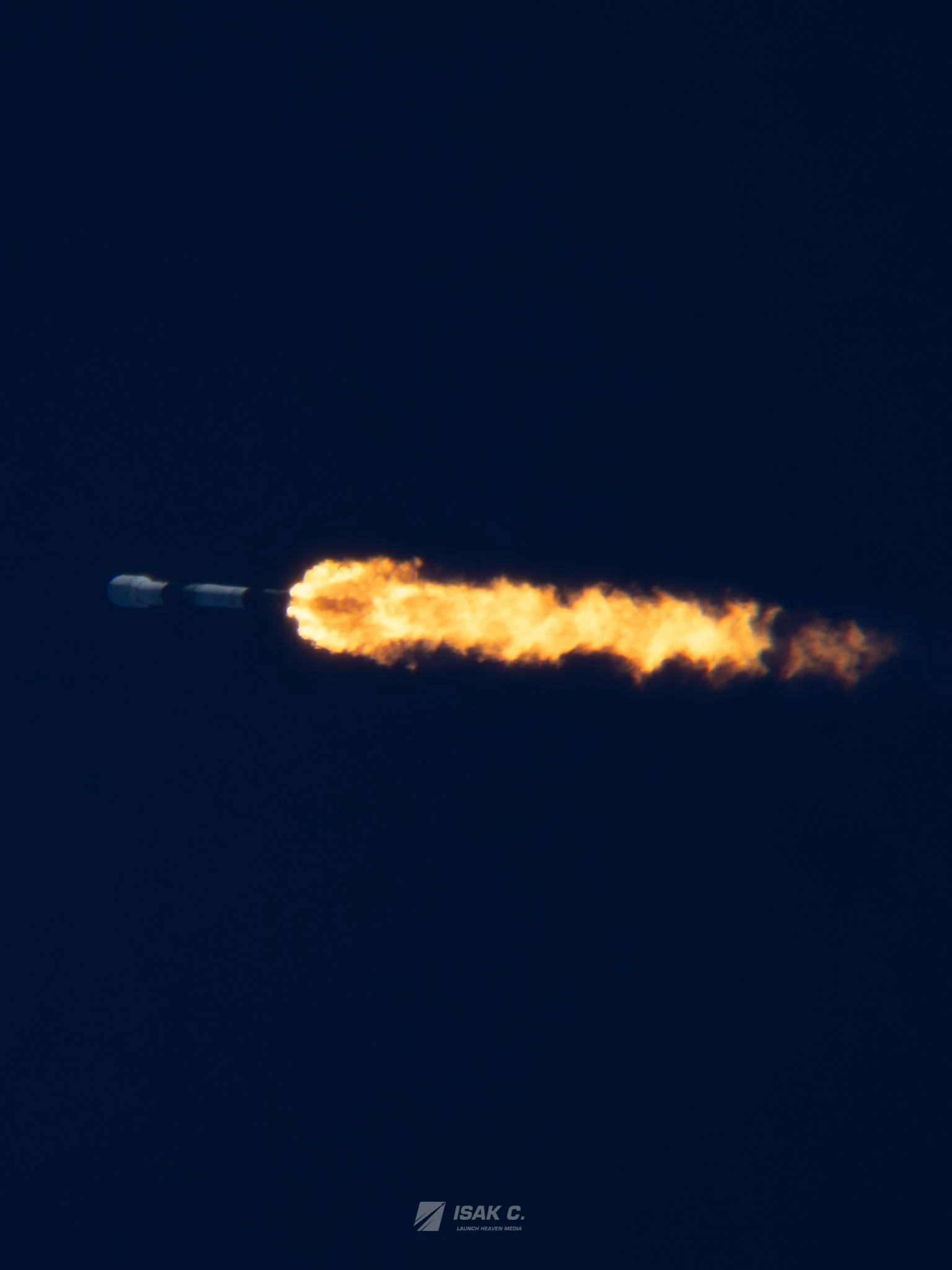
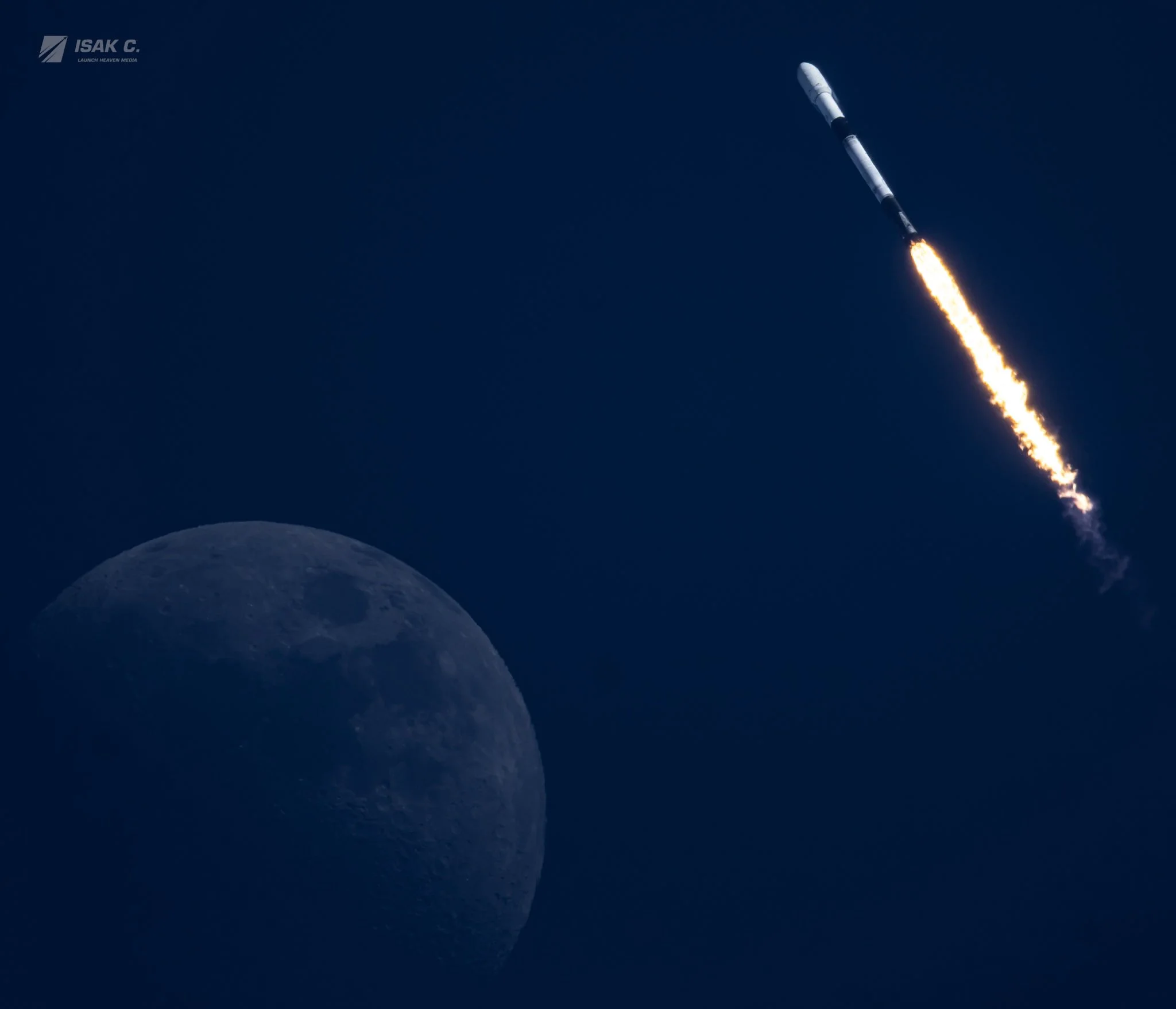
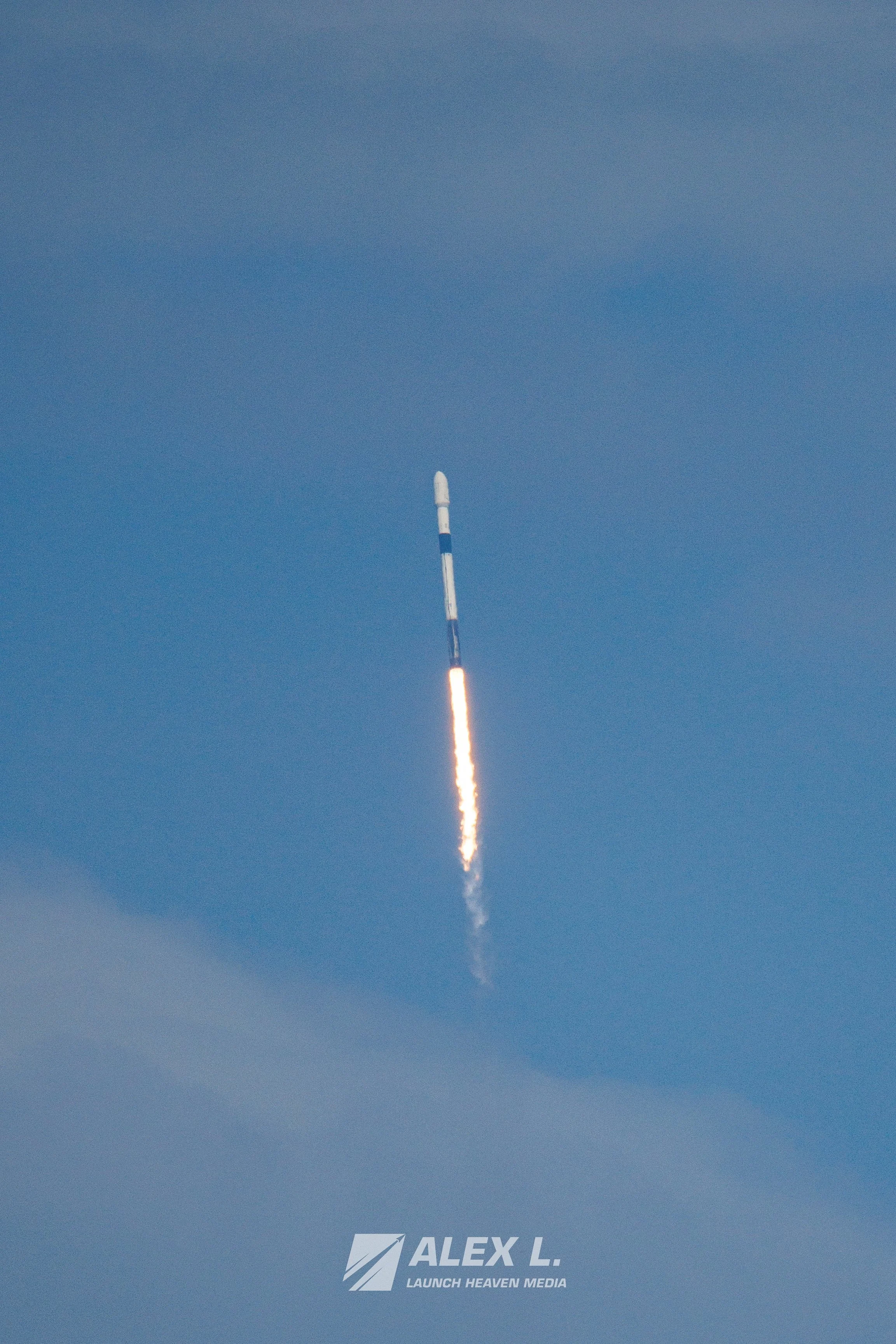
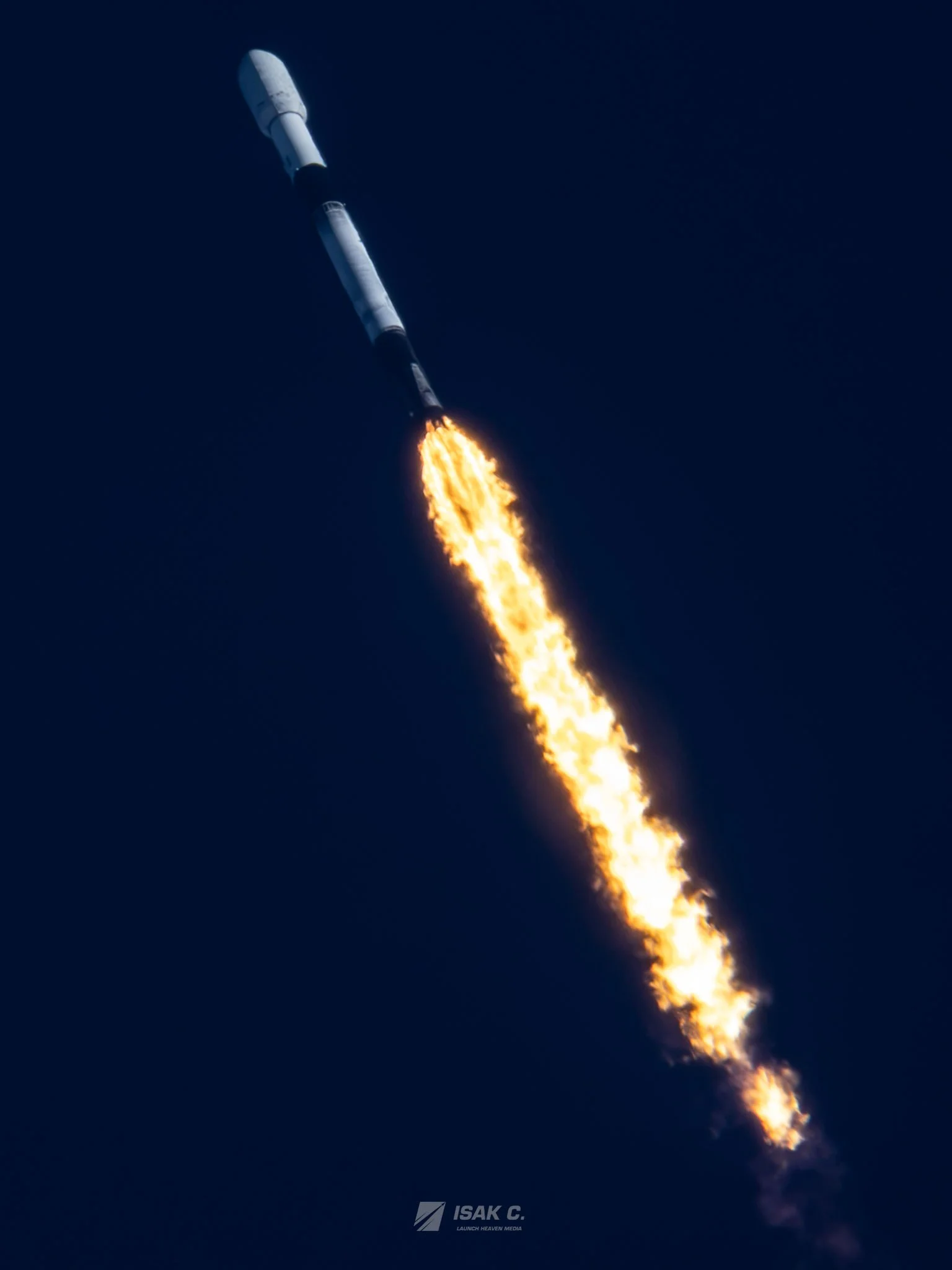
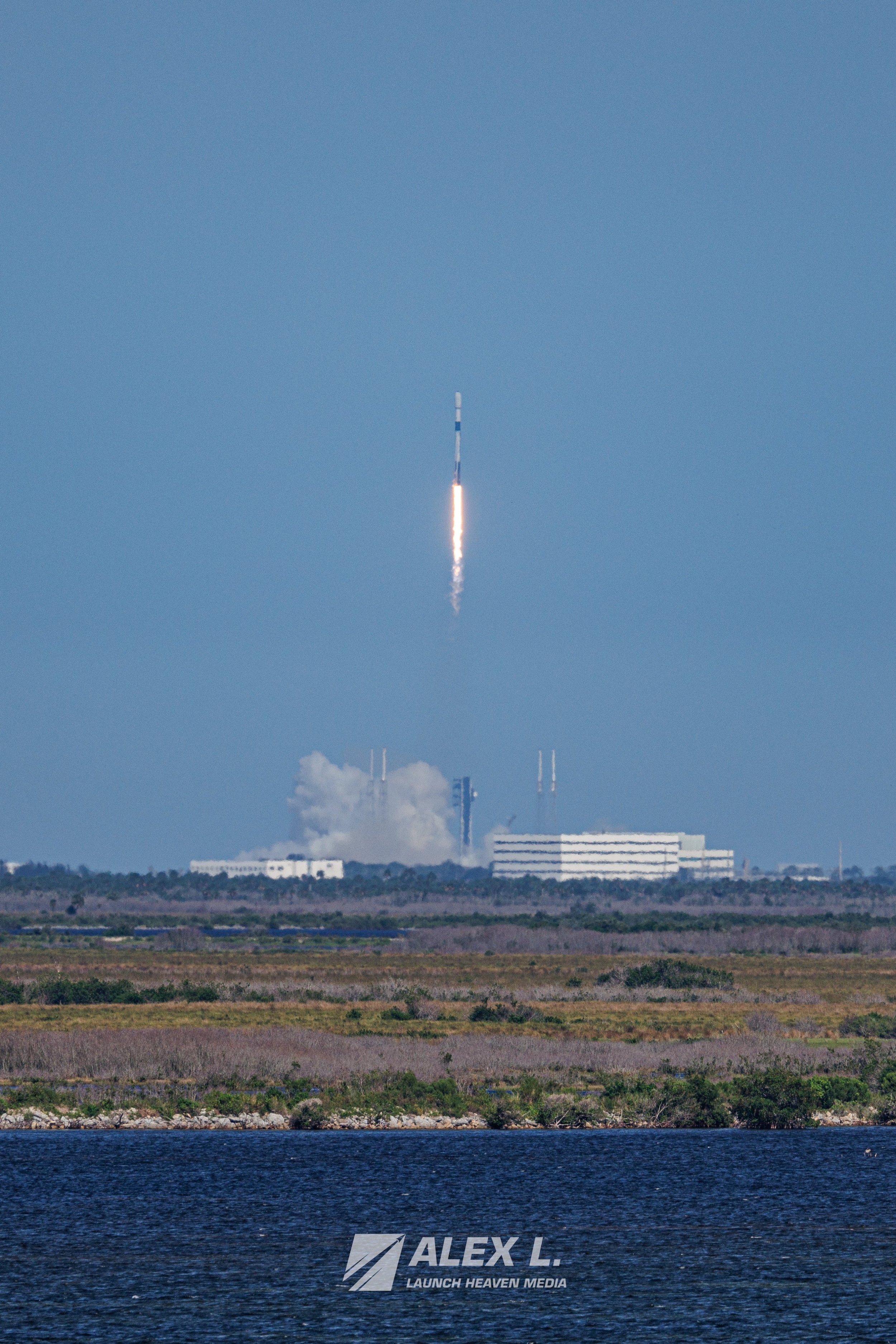
On July 21st, 2026 at 5:15 PM EDT, SpaceX’s Falcon 9 rocket launched from SLC-40 at Cape Canaveral Space Force Station, carrying Northrop Grumman’s MRV-MEP to Geostationary Transfer Orbit. This launch also featured the 32nd and final launch of Falcon 9 booster B1069, which had to be expended due to mission performance requirements.
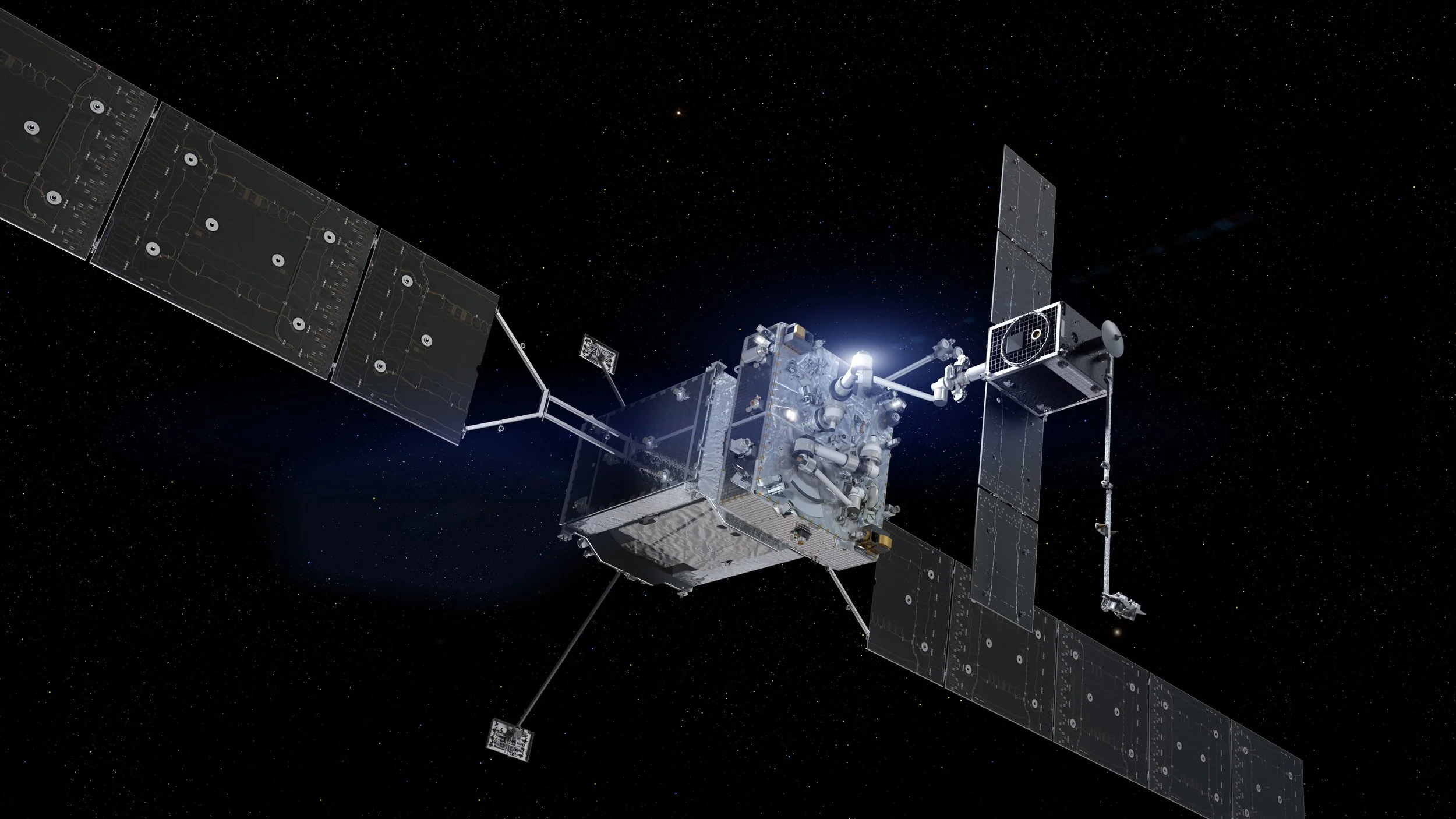
The MRV, or Mission Robotic Vehicle, is SpaceLogistics “next-generation on-orbit servicing vehicle to meet the support and maintenance needs of satellites in GEO orbit.” The vehicle will service already existing spacecraft in Geostationary Orbit by deploying MEPs (Mission Extension Pods) which will be installed on spacecraft to extend their lifespan. MEPs feature xenon propulsion and can easily be attached. They can extend the life of a spacecraft by up to six years for the average 2,000 kg GEO satellite. On this mission, MRV is carrying three MEPs. The MRV spacecraft is not limited to just deploying MEPs; it also can inspect, refuel, and repair other spacecraft.
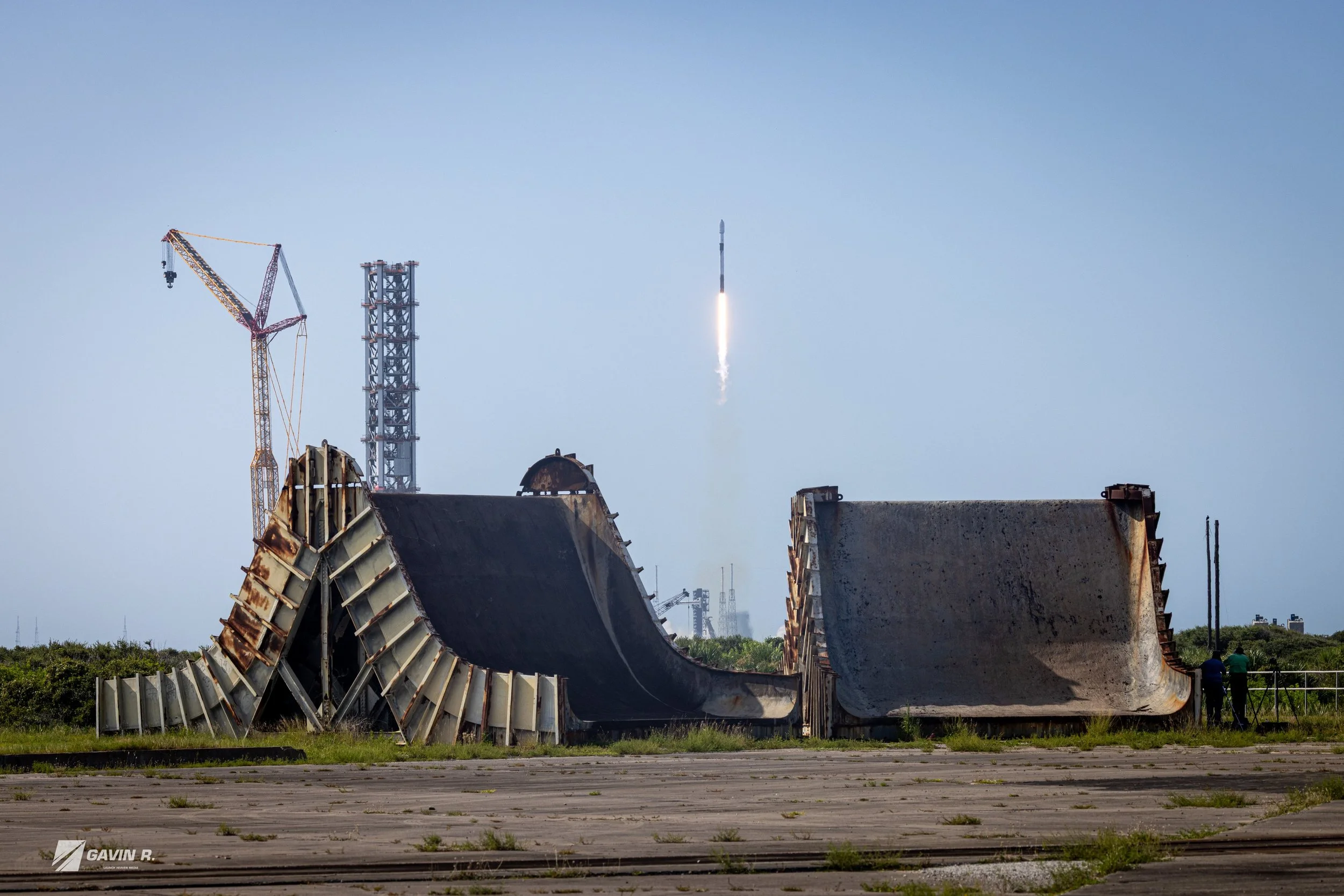
This was the final launch of Falcon 9 booster B1069, as the overall spacecraft mass was too heavy for Falcon 9 to deliver it to GTO utilizing its typical reusable flight profile. B1069 flew 31 prior flights to this, with MRV-MEP being it’s 32nd. It flew mainly Starlink missions its whole life, but also launched CRS SpX-24, Eutelsat HOTBIRD 13F, OneWeb 1, as well as SES-18 and SES-19 per SpaceX.
Photo gallery: