Bandwagon-5 | SpaceX
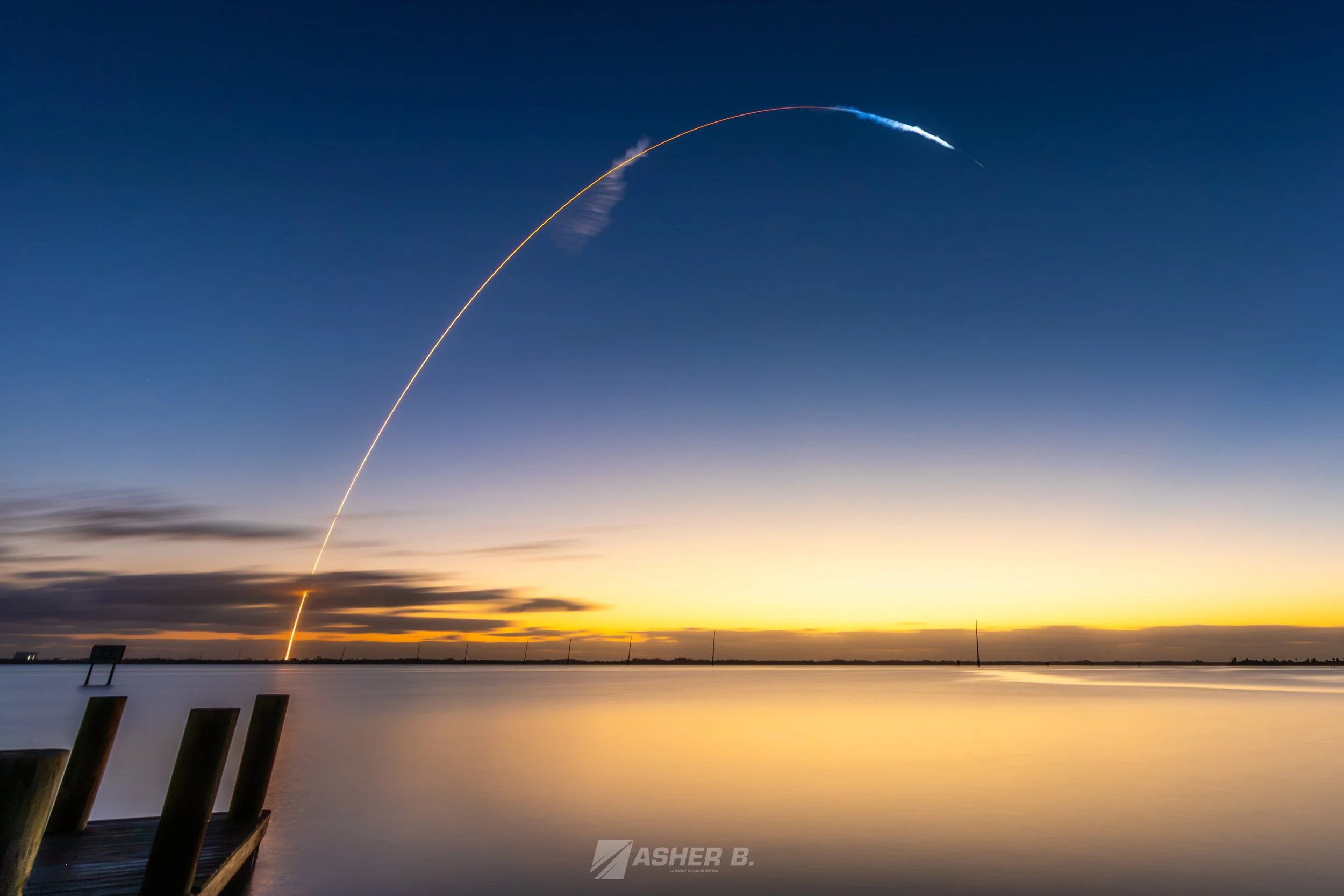
On October 20th, at 7:04 a.m. EDT, SpaceX launched a Falcon 9 from SLC-40 at Cape Canaveral Space Force Station in Florida, carrying 32 payloads as part of its fifth Bandwagon rideshare mission to low Earth orbit. The payloads included commercial satellites, CubeSats, and reentry vehicles, including the Starfall spacecraft. Booster B1085, on its 19th flight, successfully landed on the droneship A Shortfall of Gravitas in the Atlantic Ocean shortly after launch.
Photo: Asher B. For Launch Heaven Media
Xiguang-4 01 | Galactic Energy
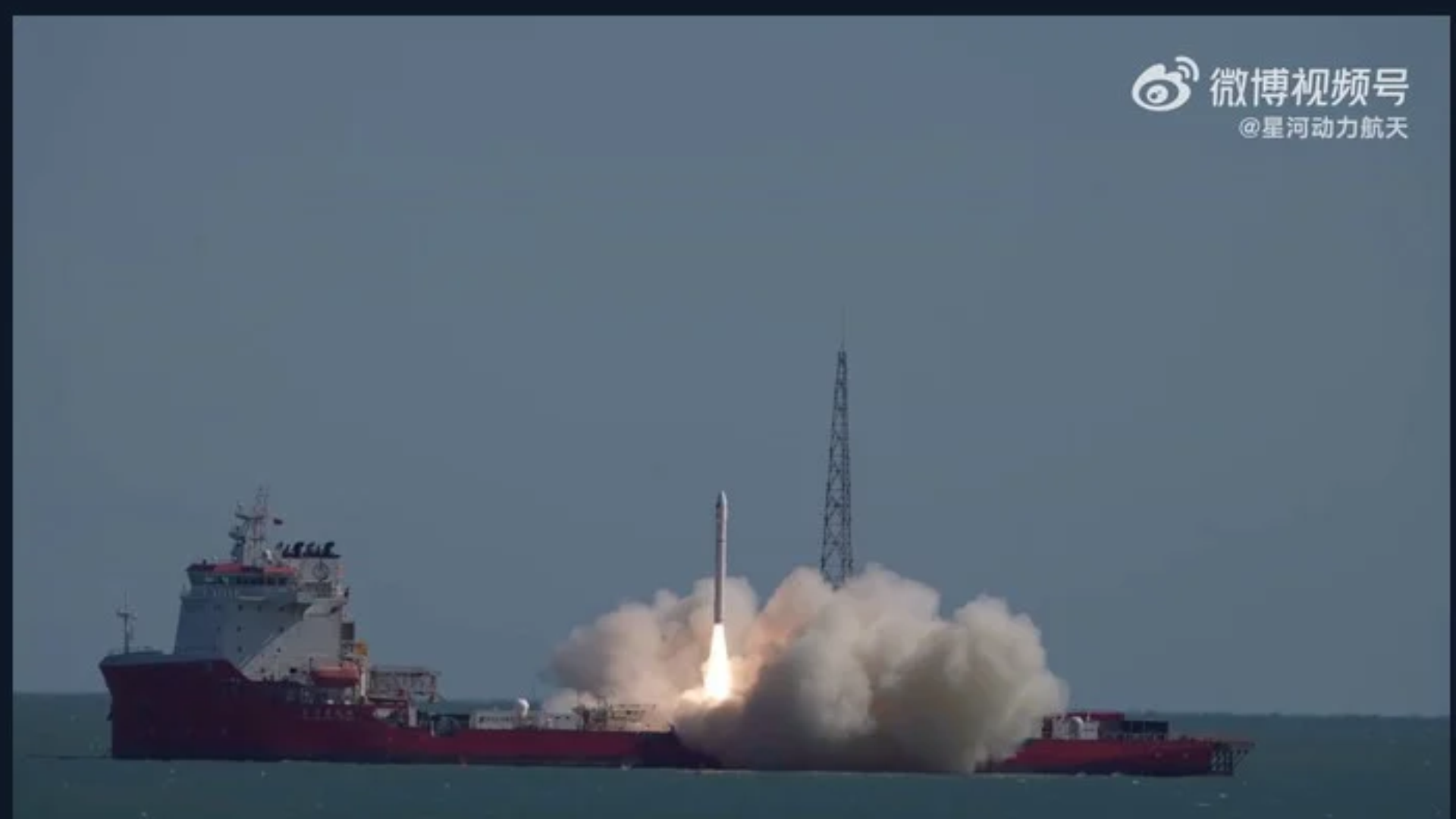
On October 21st, at 11:39 a.m. China Standard Time, Chinese commercial launch company Galactic Energy successfully launched a Ceres-1S rocket from a sea-based launch platform off the coast of Haiyang, China. The rocket carried the Xiguang-4 01 Earth observation satellite to low Earth orbit. The spacecraft is designed to provide high-resolution, multispectral imagery and support future commercial Earth observation operations.
Photo: Galactic Energy (星河动力航天)
Yaogan 50-03 | CASC
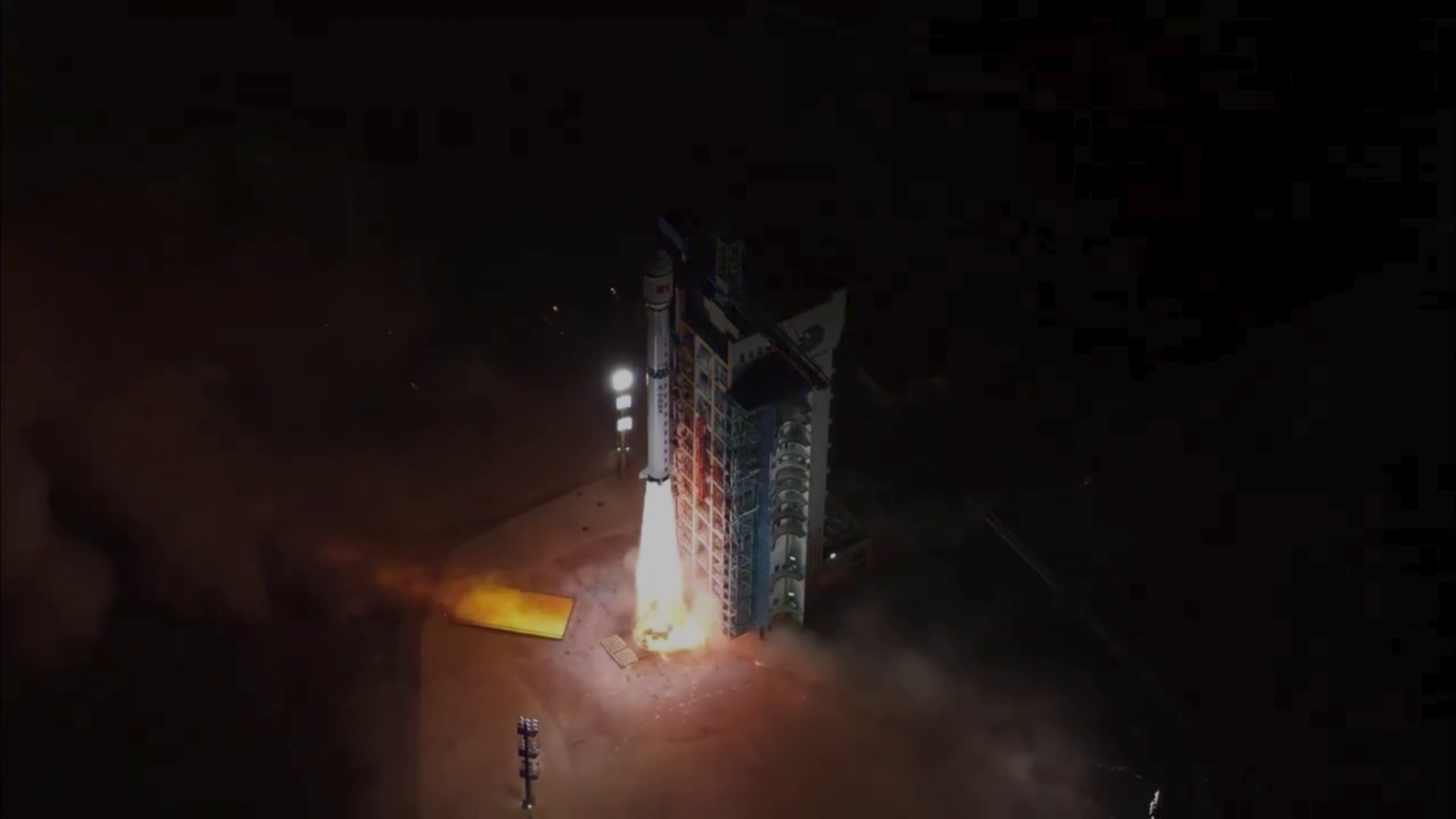
On October 23rd, at 6:15 p.m. China Standard Time, China launched a Long March 6A rocket from Taiyuan Satellite Launch Center, carrying the Yaogan 50-03 satellite to orbit. The spacecraft is part of China's Yaogan remote-sensing satellite program, which supports Earth observation and other government applications. The launch continued China's growing deployment of remote-sensing spacecraft.
Photo: CASC / China Aerospace
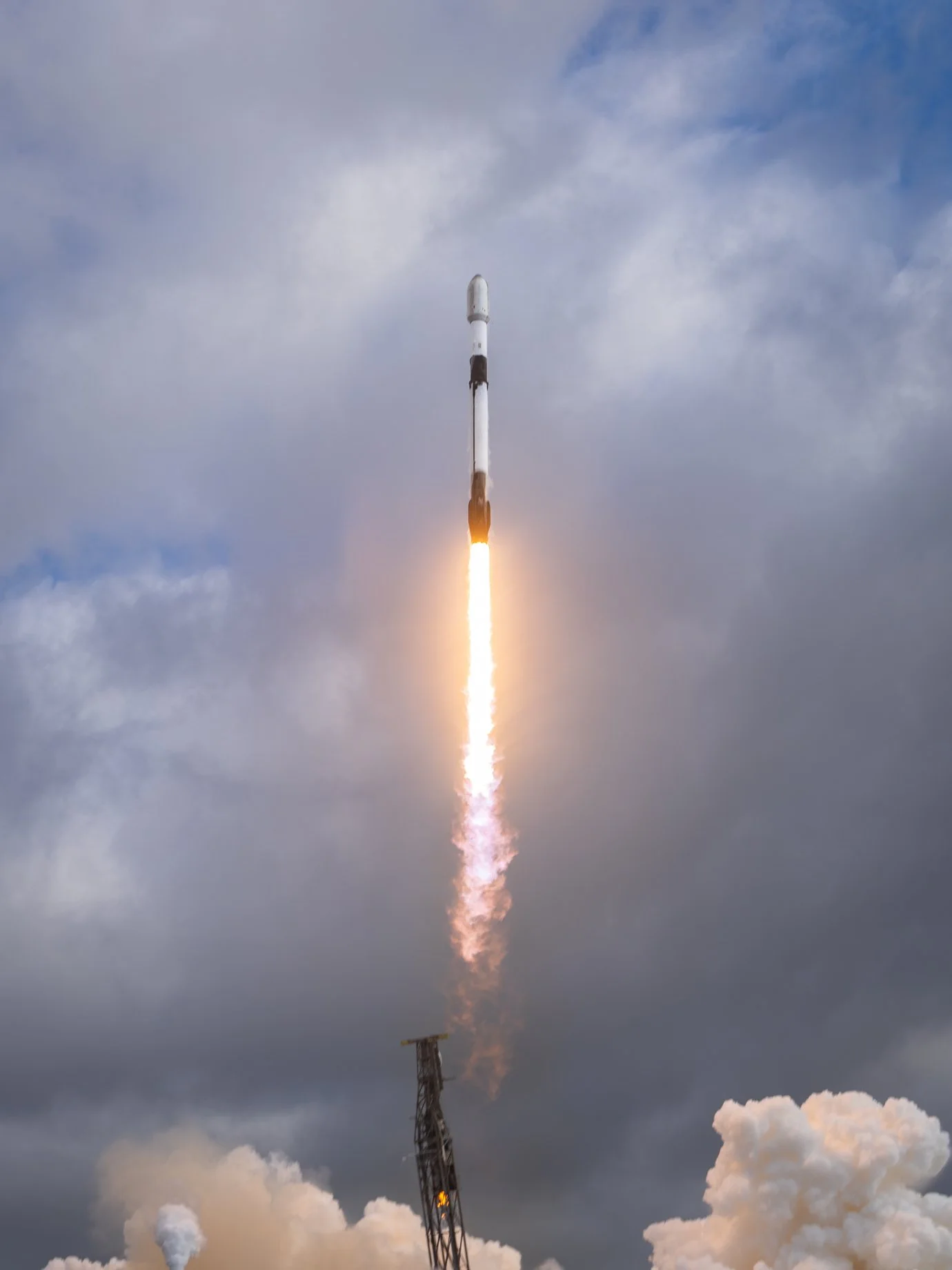
Starlink 15-15 | SpaceX
On October 23rd, at 3:48 p.m. PDT, SpaceX launched a Falcon 9 from SLC-4E at Vandenberg Space Force Base in California, carrying 27 Starlink satellites to low Earth orbit. Booster B1063, on its 36th flight, successfully landed on the droneship Of Course I Still Love You in the Pacific Ocean approximately eight minutes after liftoff. The booster previously supported several major missions, including NASA's DART asteroid-deflection spacecraft.
Photo: SpaceX
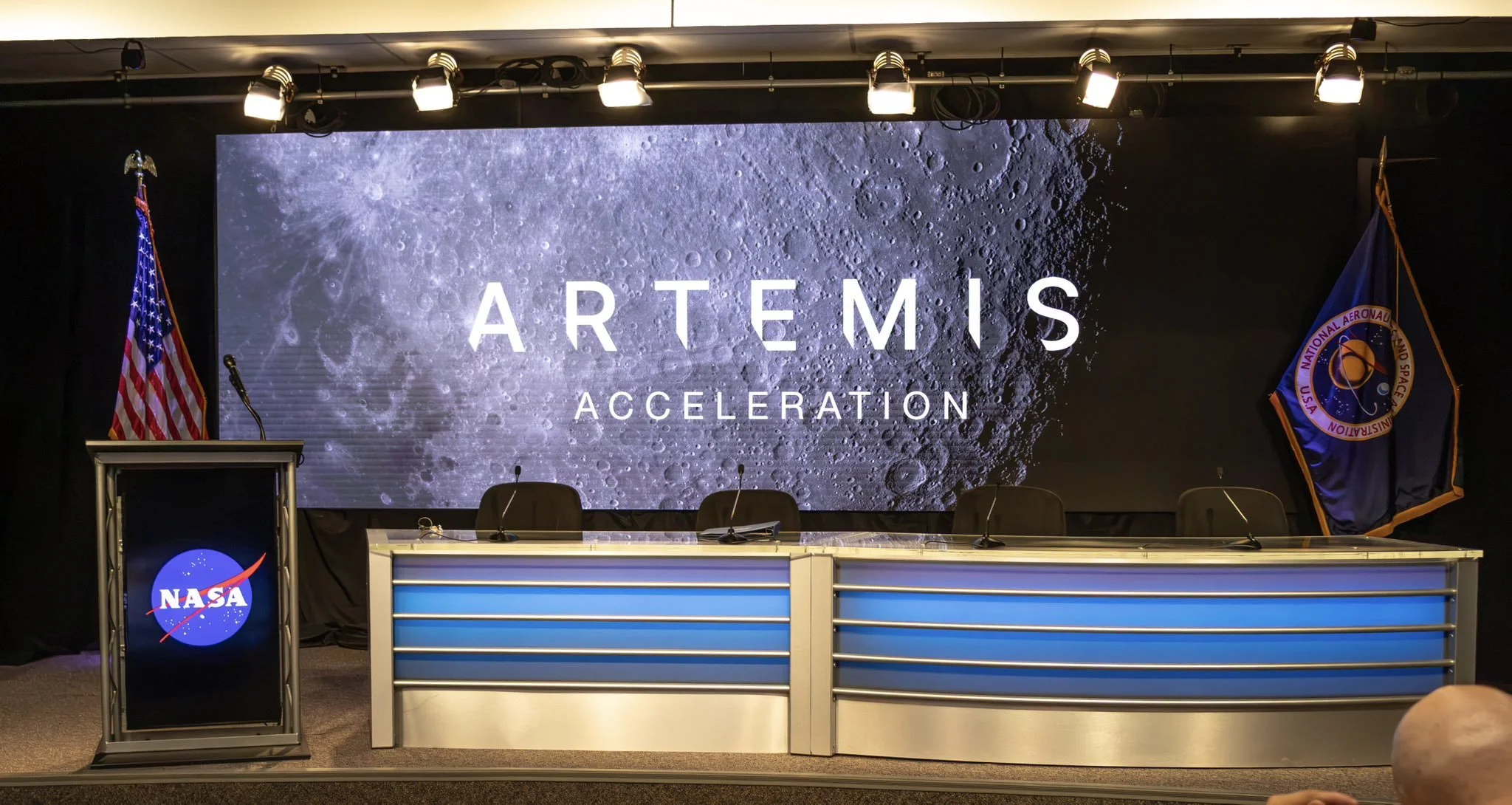
Artemis Acceleration Announcement | NASA
On October 23rd, NASA Administrator Jared Isaacman held a news conference at Kennedy Space Center in Florida, outlining an accelerated plan to return astronauts to the lunar surface by 2028. NASA confirmed that Artemis III, targeted for 2027, will send four astronauts into Earth orbit to test rendezvous and docking operations with SpaceX's Starship and Blue Origin's Blue Moon lunar landers. Artemis IV is now planned as the first crewed lunar landing of the program, targeting the Moon's south pole in 2028. NASA also outlined changes to its lunar landing architecture, including simplified mission plans for both commercial landers, while continuing preparations for a permanent human presence on the Moon.
Photo: Isak C. For Launch Heaven Media
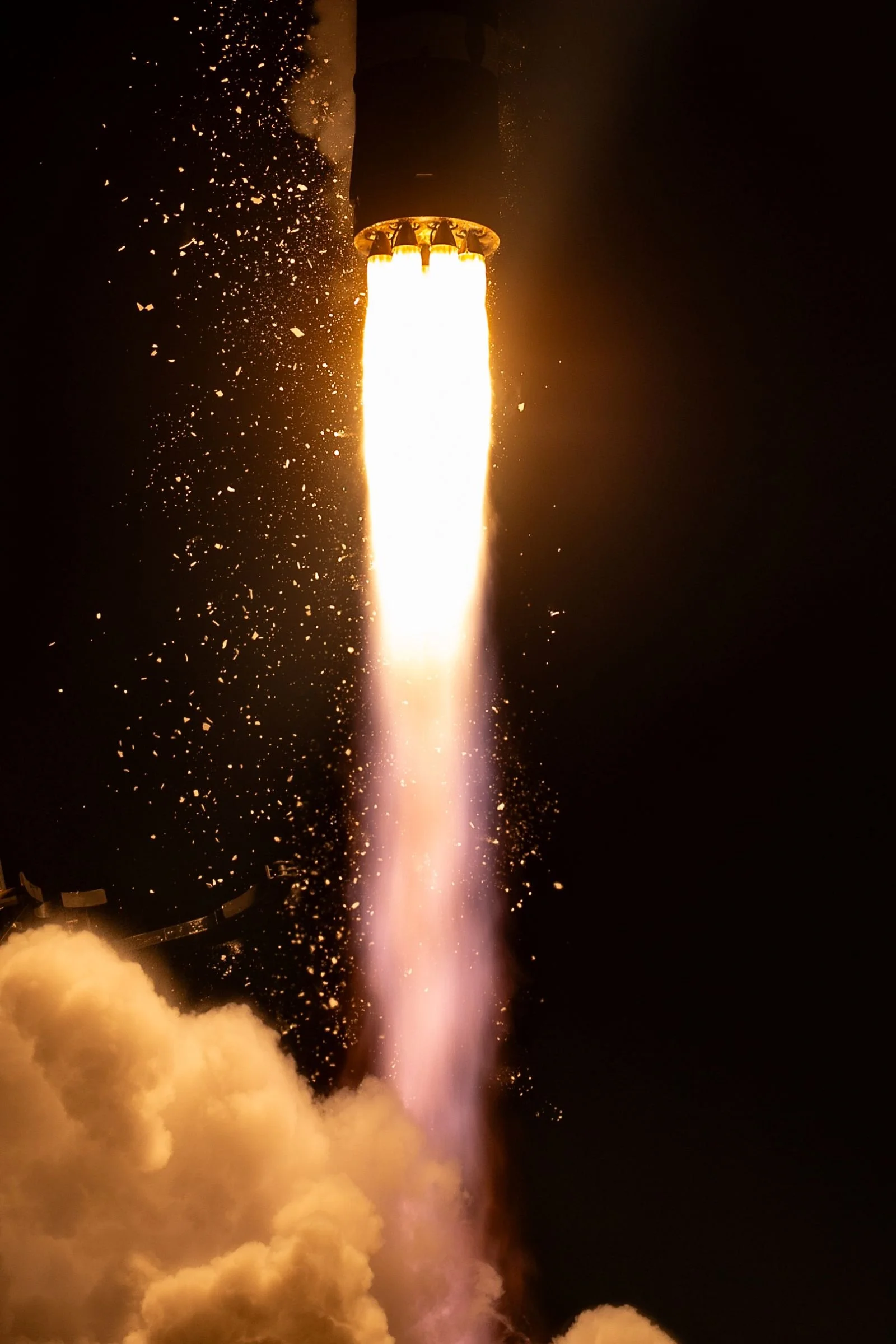
We're Not Hawking Around | Rocket Lab
On October 23rd, at 8:11 p.m. New Zealand Daylight Time, Rocket Lab launched an Electron rocket from Launch Complex 1 on the Mahia Peninsula in New Zealand, carrying three HawkEye 360 satellites to low Earth orbit. The satellites will operate together to detect and locate radio frequency signals for applications including maritime monitoring, communications mapping, and defense. The successful mission marked Rocket Lab's 98th Electron launch and its 19th launch of 2026.
Photo: Rocket Lab
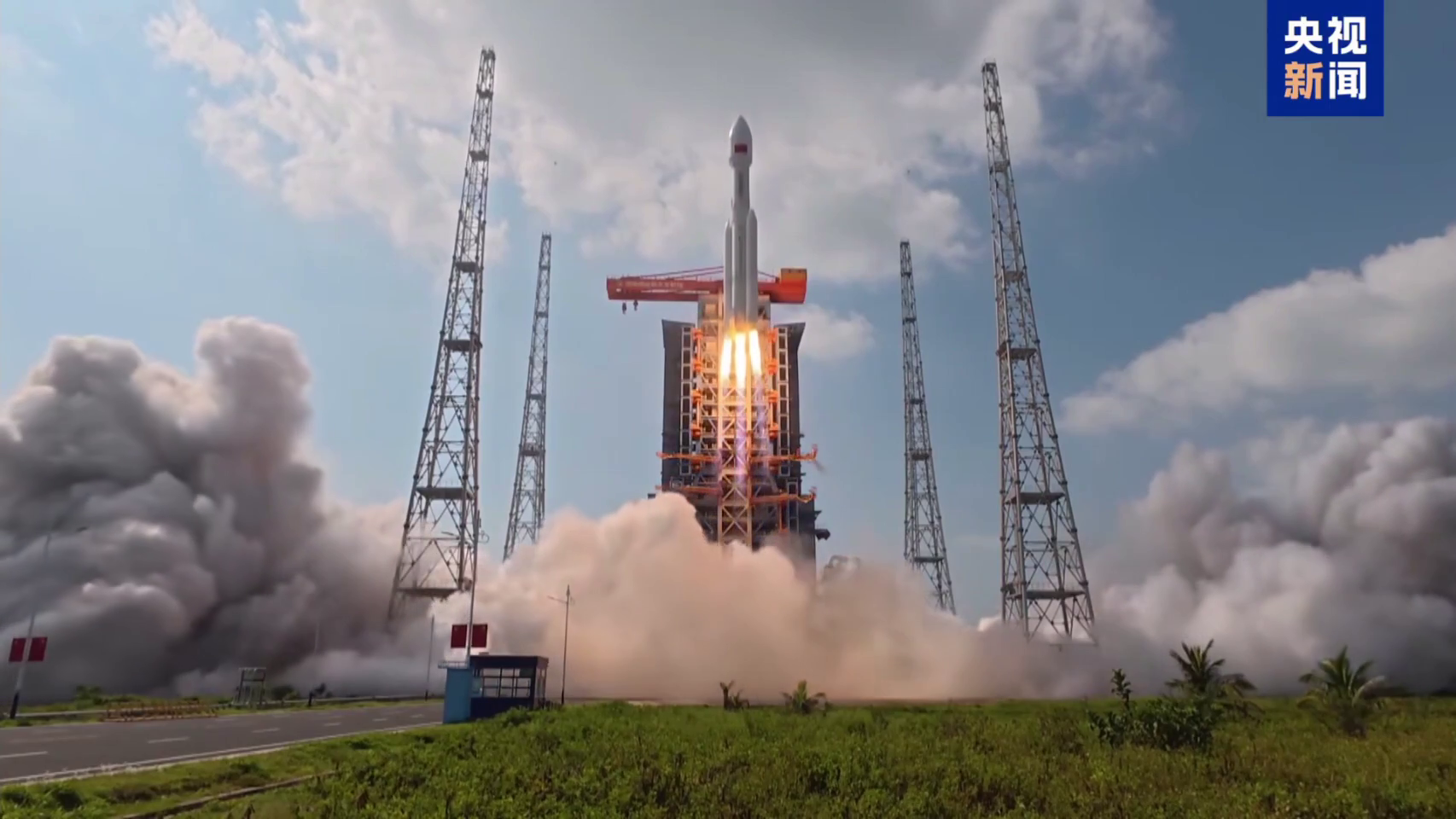
SatNet LEO Group 28 | CASC
On October 25th, at 10:03 a.m. China Standard Time, China successfully launched a Long March 8A rocket from the Wenchang commercial launch site in Hainan, carrying nine communications satellites to low Earth orbit. The spacecraft will join China's growing Guowang satellite internet constellation, which is intended to provide broadband connectivity through a large network of low Earth orbit satellites. The launch marked another step in China's efforts to establish a major satellite communications network.
Photo: CCTV News (央视新闻)