Weekly Update - April 11 - 19th
Here’s your Spaceflight Weekly Update!
This week in spaceflight has been quite interesting, here’s a summary of those events.
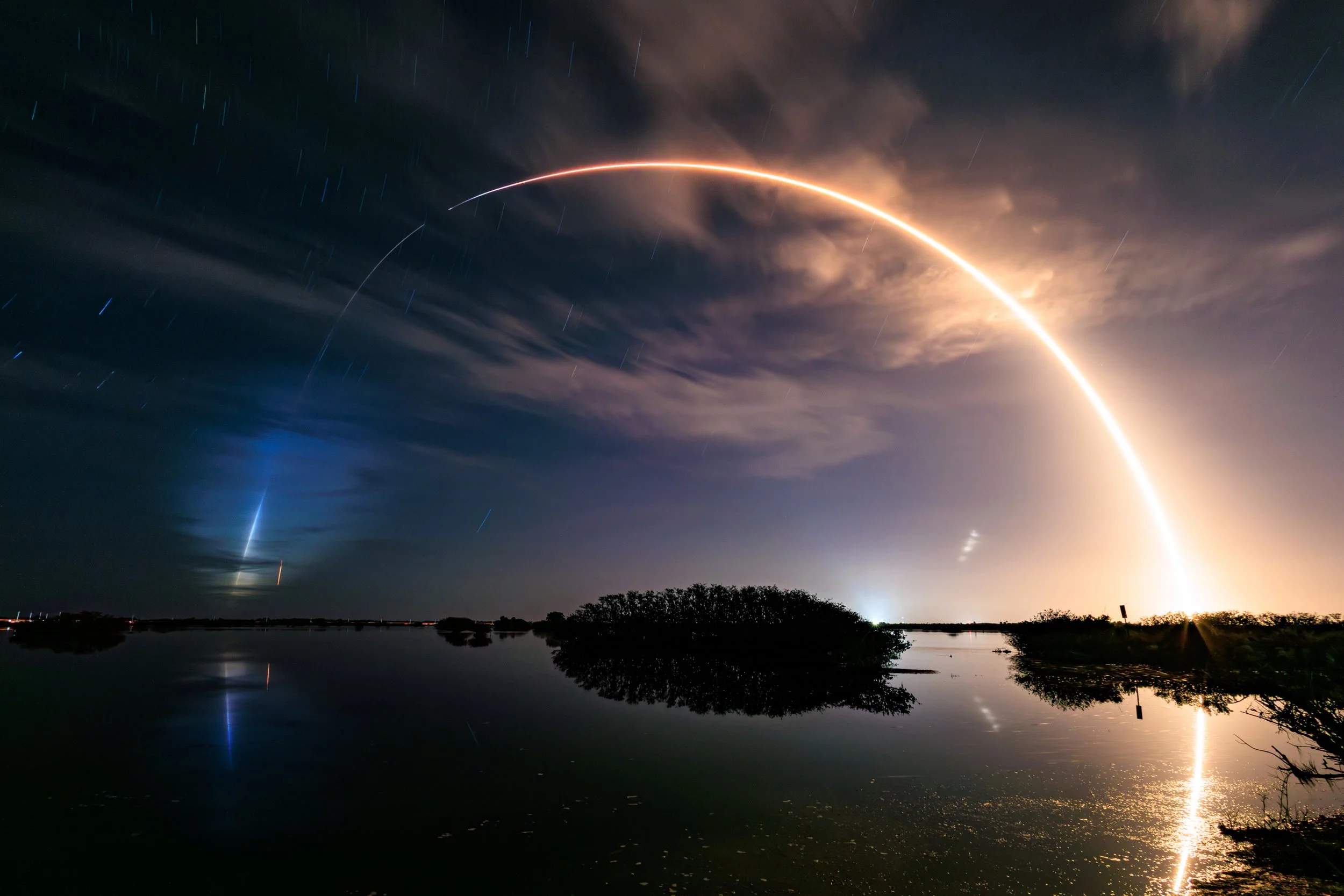
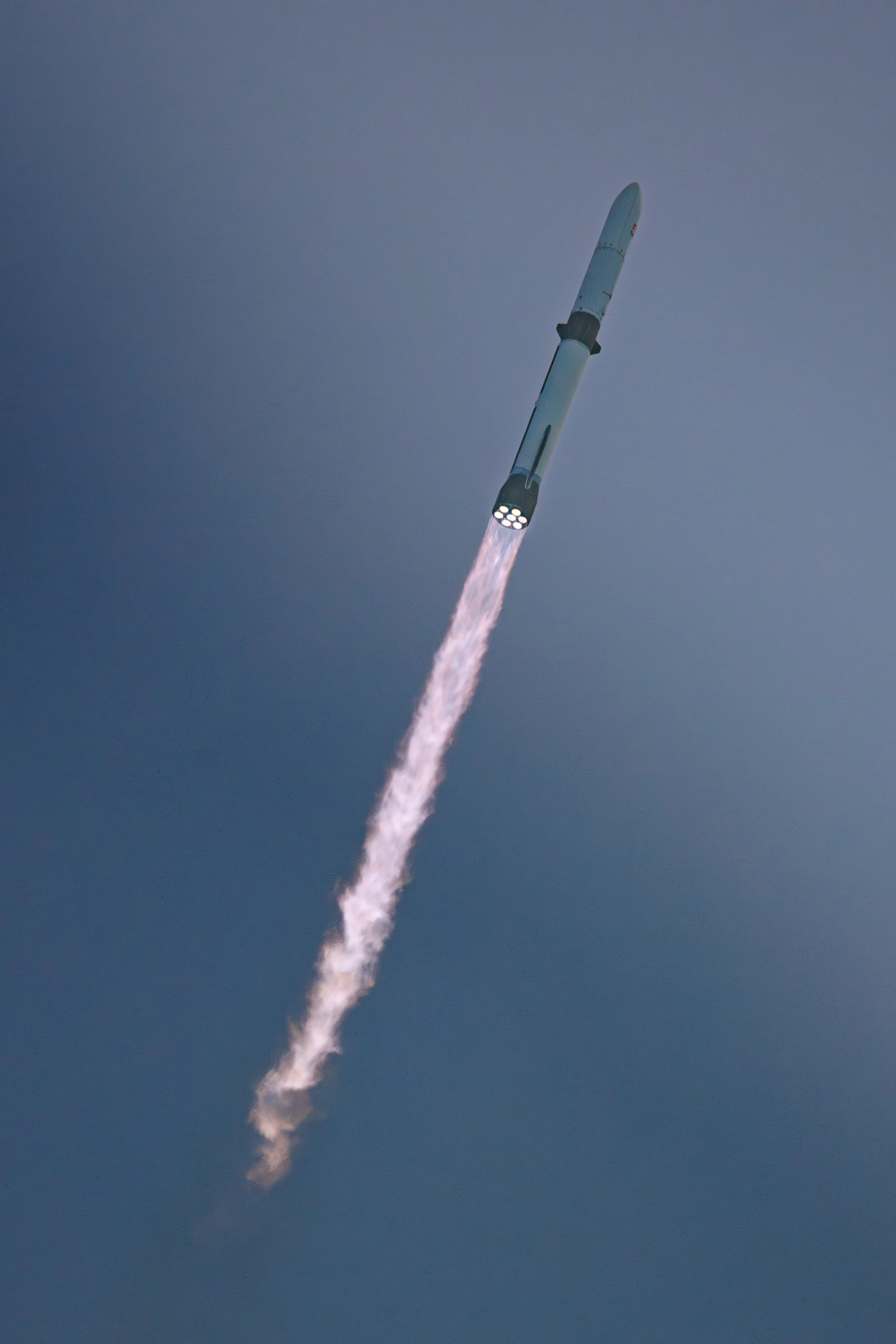
SpaceX | Starlink Group 10-24
On Tuesday, April 14th at 5:33AM EDT, SpaceX launched 29 Starlink satellites into orbit aboard a Falcon 9 from Space Launch Complex 40 (SLC-40) at Cape Canaveral, Florida.
The first stage booster (B1080) landed on the droneship, “Just Read The Instructions” (JRTI) stationed in the Atlantic Ocean for the 26th time,
The First stage booster has previously launched Ax-2, Euclid, Ax-3, CRS-30, SES ASTRA 1P, NG-21, and now 20 Starlink missions.
Image Credit: Alex L.
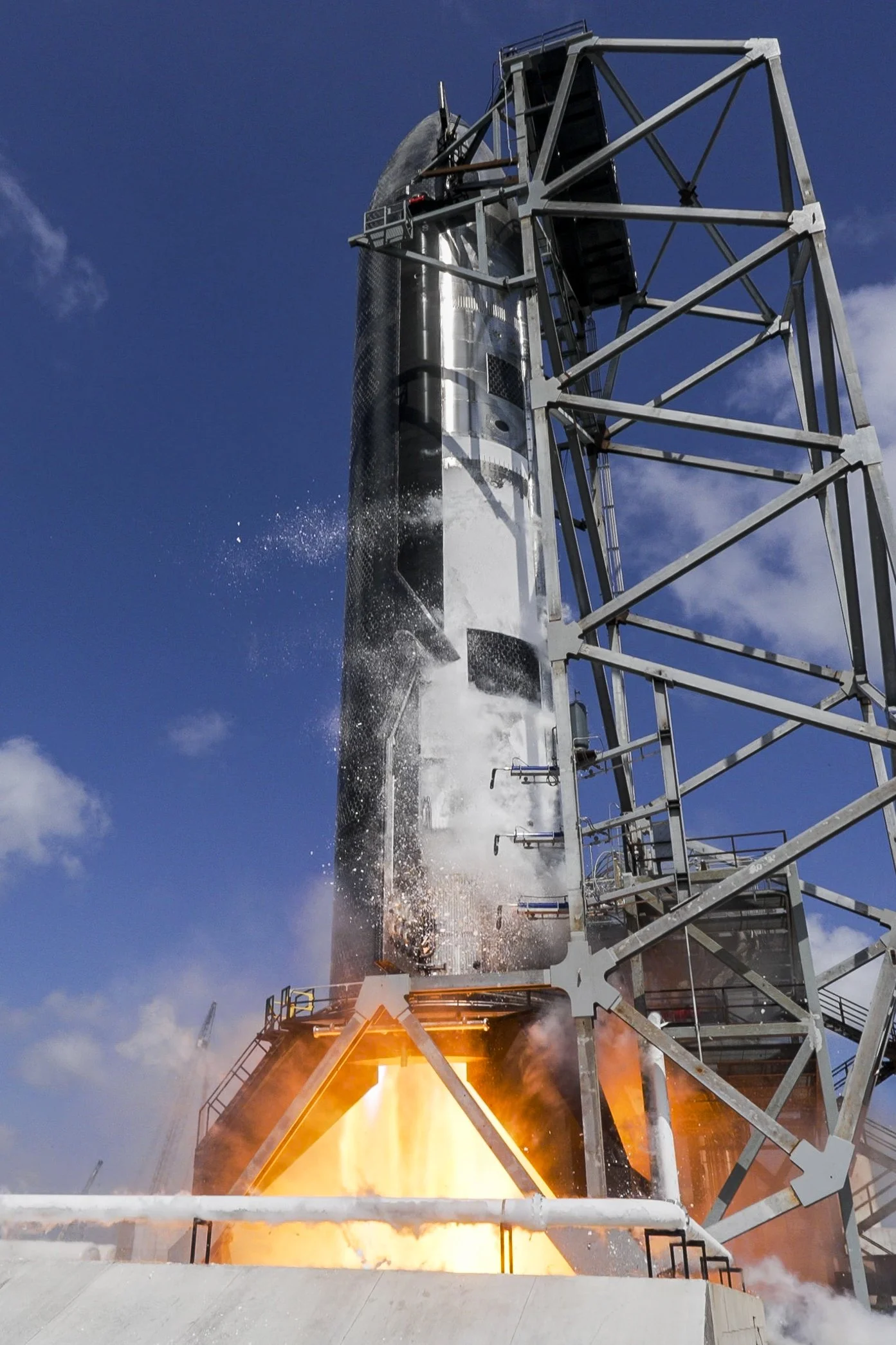
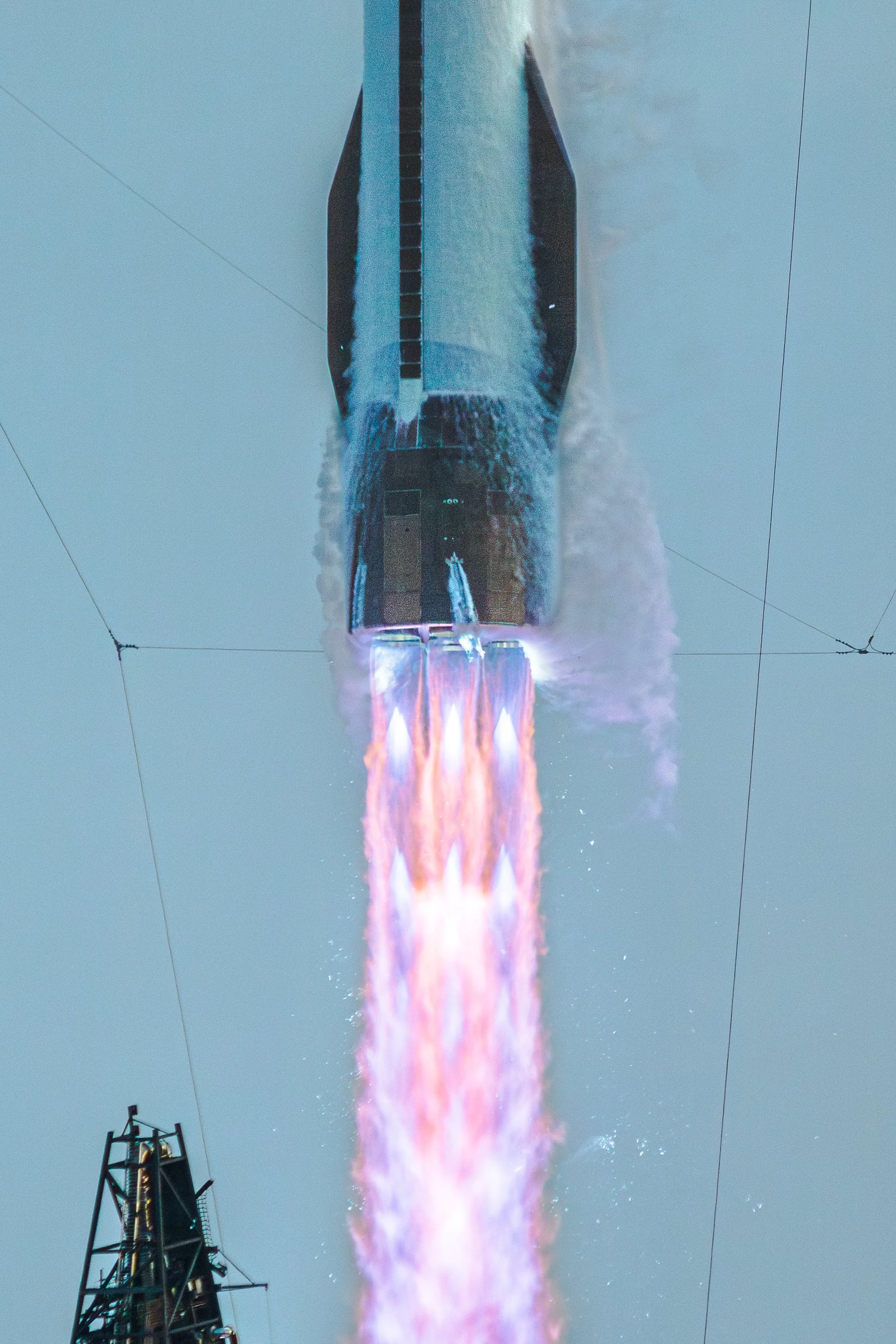
SpaceX | Starship V3 Static Fire
On April 14th SpaceX completed a 60 second static fire test on Ship 39.
Image Credit: SpaceX
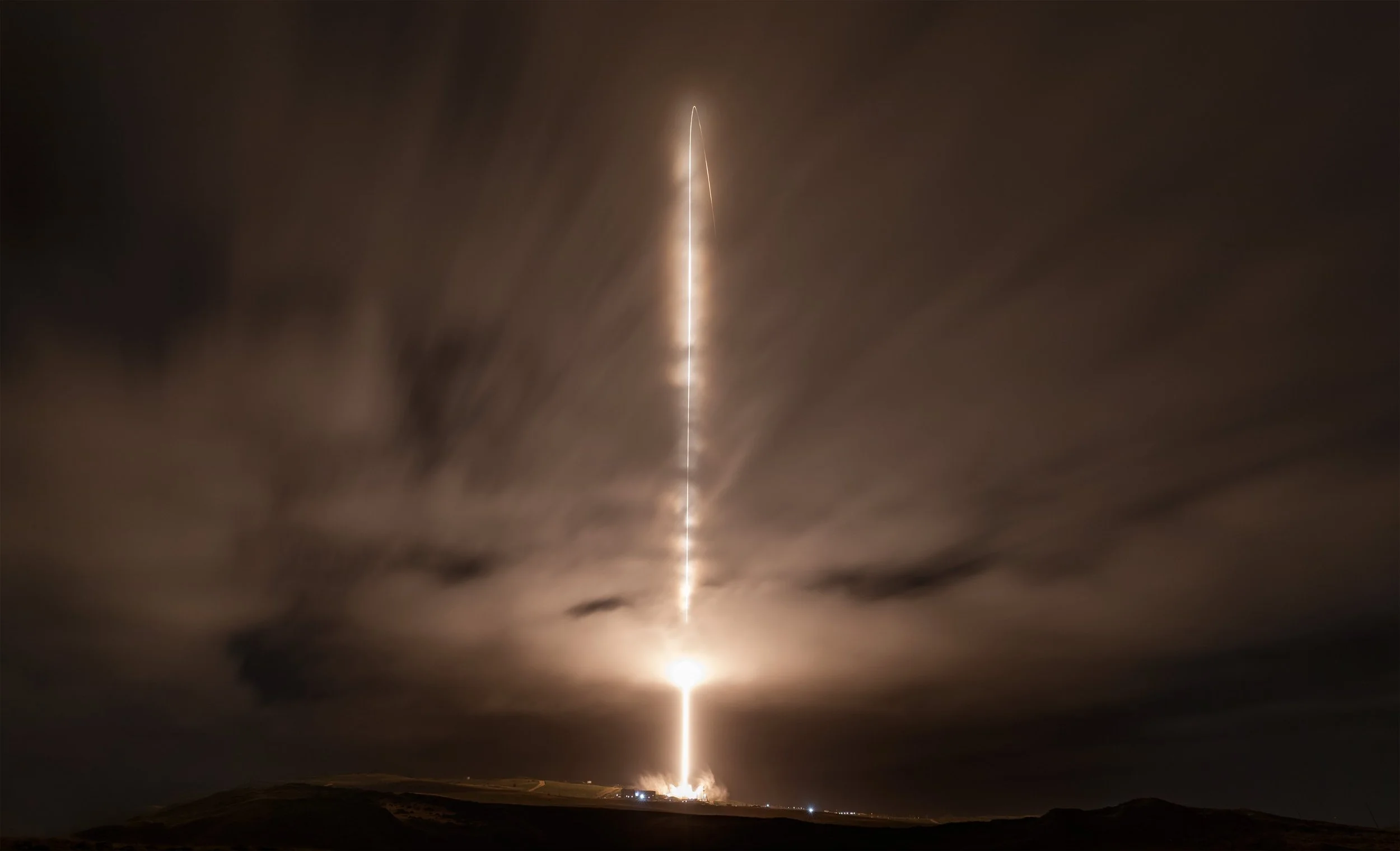
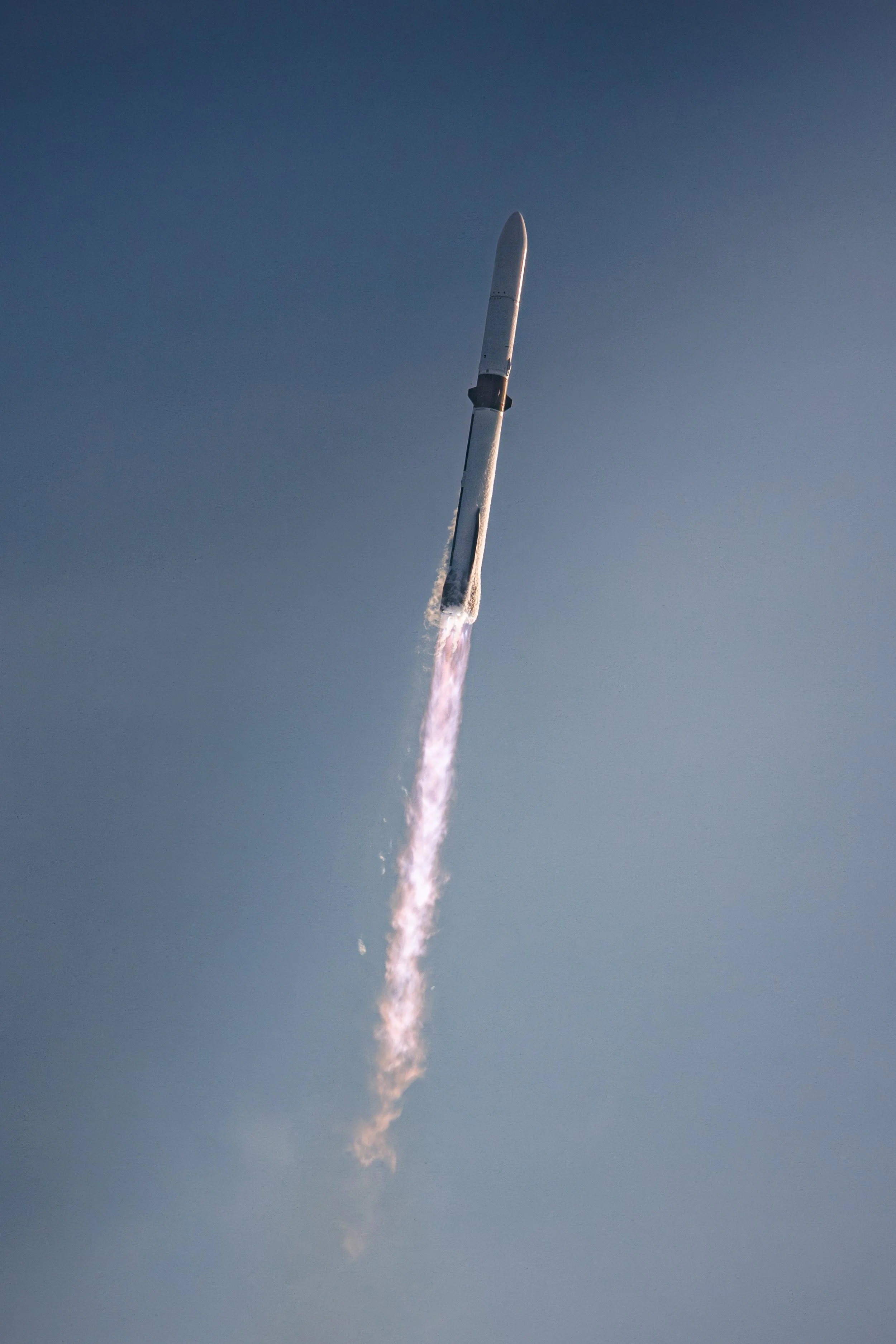
SpaceX | Starlink Group 17-27
On Wednesday, April 15th at 9:29 PM PDT, SpaceX launched 25 Starlink satellites into orbit aboard a Falcon 9 from Space Launch Complex 4 East (SLC-4E) at Vandenberg SFB, California.
The first stage booster (B1082) landed on the droneship, “Of Course I Still Love You” (OCISLY) stationed in the Pacific Ocean for the 21st time,
The first stage booster has previously launched USSF-62, OneWeb Launch 20, NROL-145, and now 18 Starlink missions.
Image Credit: SpaceX
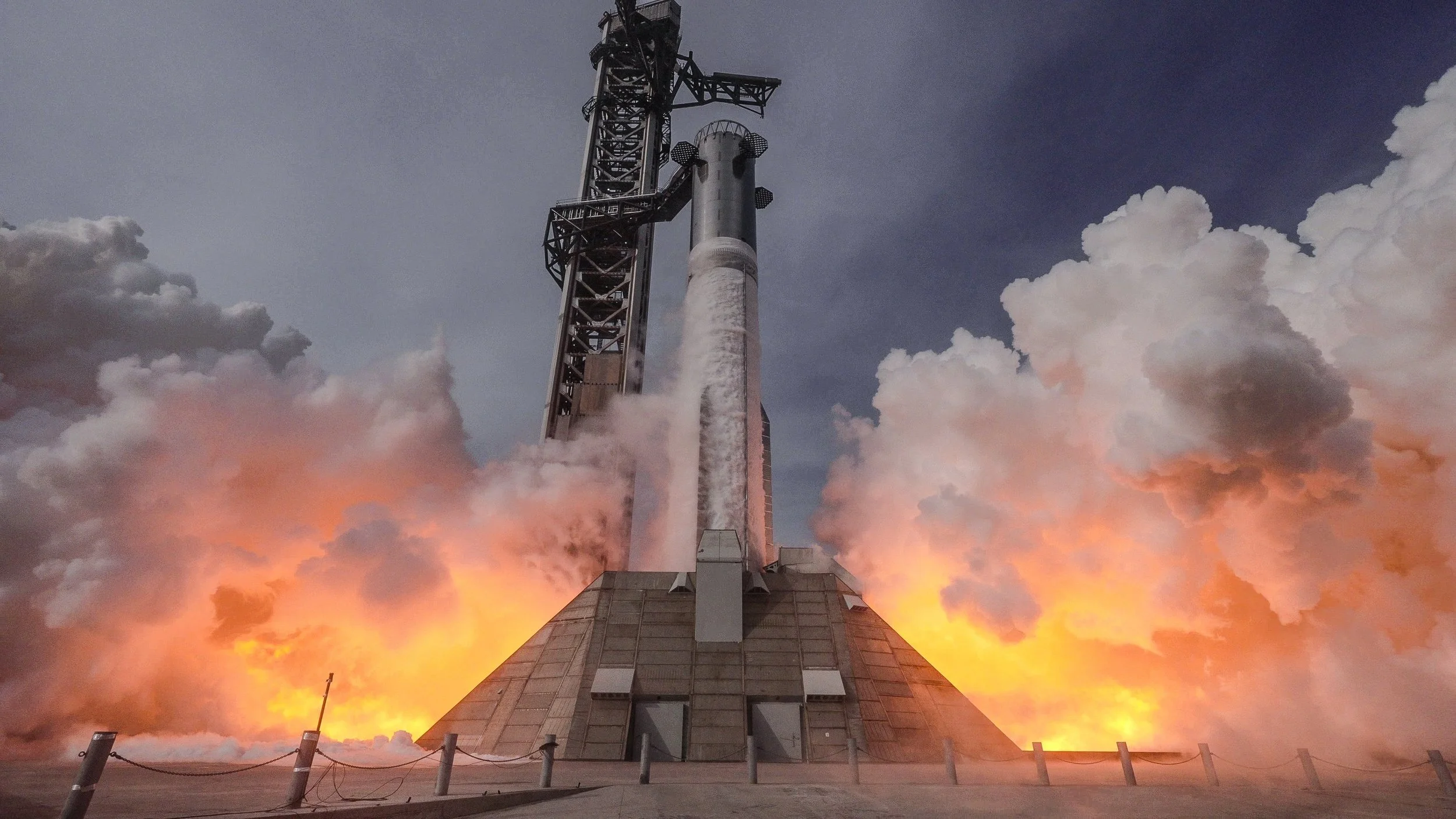
SpaceX | Booster 19 Static fire
On April 15th SpaceX completed a 33 engine static fire test for the first time on Booster 19 and the second static fire test on pad 2, lasting around 3 seconds long.
Image Credit: SpaceX
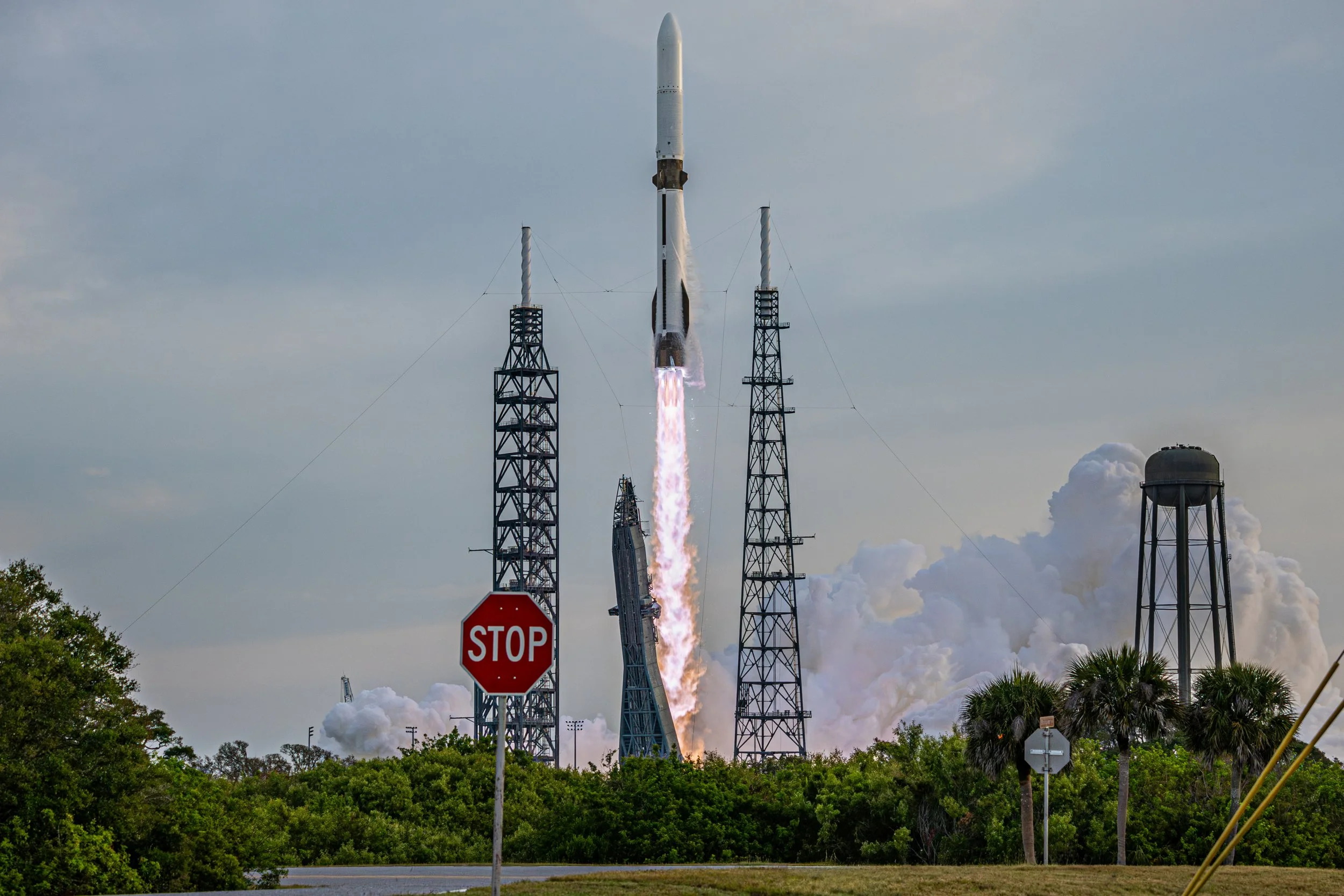
Blue Origin | NG-3/BlueBird Block 7
On Sunday, April 19th at 7:25 AM EDT, Blue Origin launched the BlueBird 7 satellite aboard their New Glenn vehicle from Launch Complex 36 (LC-36) at Cape Canaveral, Florida.
The first stage booster, “Never Tell Me The Odds,” was flying for its second time, having previously supported the launch of NG-2 with ESCAPADE in November 2025. This marked the first reuse of a New Glenn booster, and the first time ever that an orbital rocket booster that became the first of its fleet to land and re-fly. After a nominal ascent, the booster began its reentry, lit three of its engines for a reentry burn, and shortly after again for the landing burn to a touchdown aboard the “Jacklyn” droneship, stationed in the Atlantic Ocean.
After stage separation, the second stage and BlueBird 7 payload continued onward, and progressed towards a nominal Second Engine Cutoff-1 (SECO-1). The vehicle was then supposed to relight its two BE-3U engines to place the payload into the correct orbit. This did not occur. However, nearly two hours after liftoff, Blue Origin stated on X that the payload had separated but “was placed into an off-nominal orbit,” while also noting that “AST SpaceMobile has confirmed the satellite has powered on.” Initial predictions from astronomer Jonathan McDowell predict the vehicle is in the “range of 164 x 380 km to 116 x 420km.” AST SpaceMobile has also confirmed that they will not be attempting to recover the satellite from this orbit, and will deorbit it.
This means that the launch is categorized as a failure, as the overall mission cannot be completed due to a fault with the launch vehicle. It also marks the first in-flight failure of New Glenn. Hopefully we’ll get more information from Blue Origin soon and see New Glenn back at the pad soon for NG-4.
More Images of Blue Origins third Flight below: Image Credit: Asher B. & Alex L.