
SpaceX Successfully Launches the NROL-77 Mission Aboard Falcon 9. Plus, The Final LZ-2 Landing?
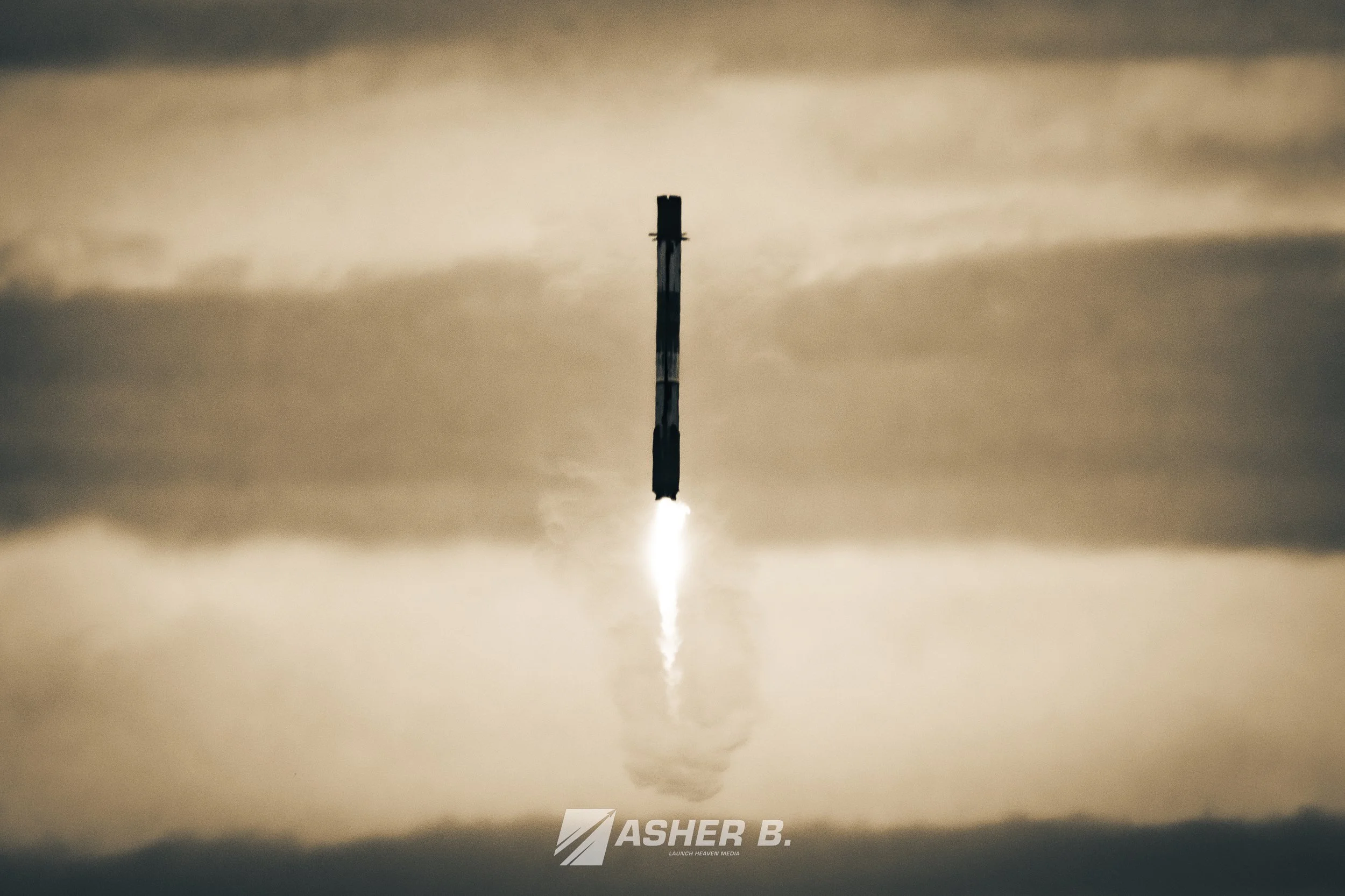
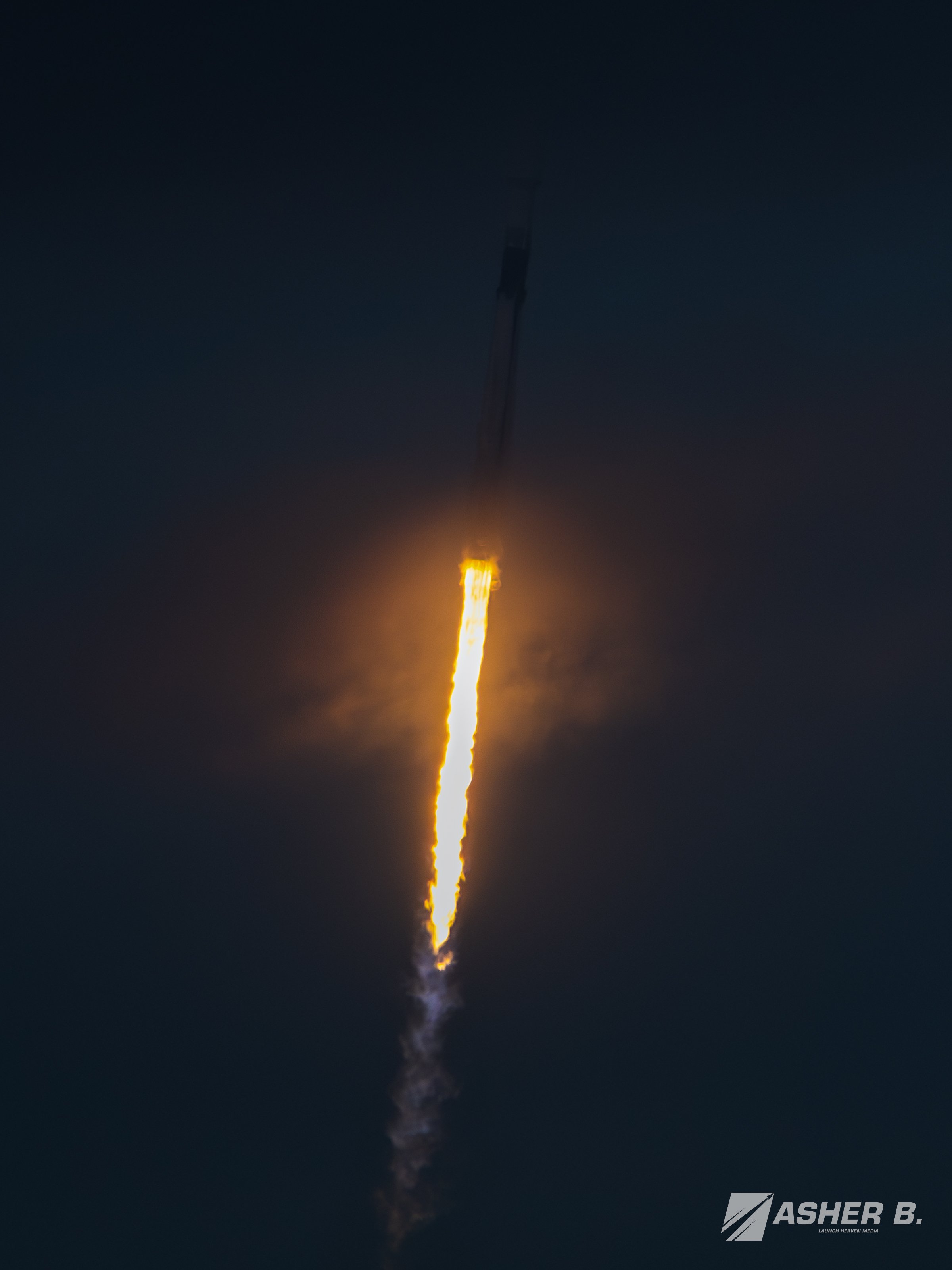
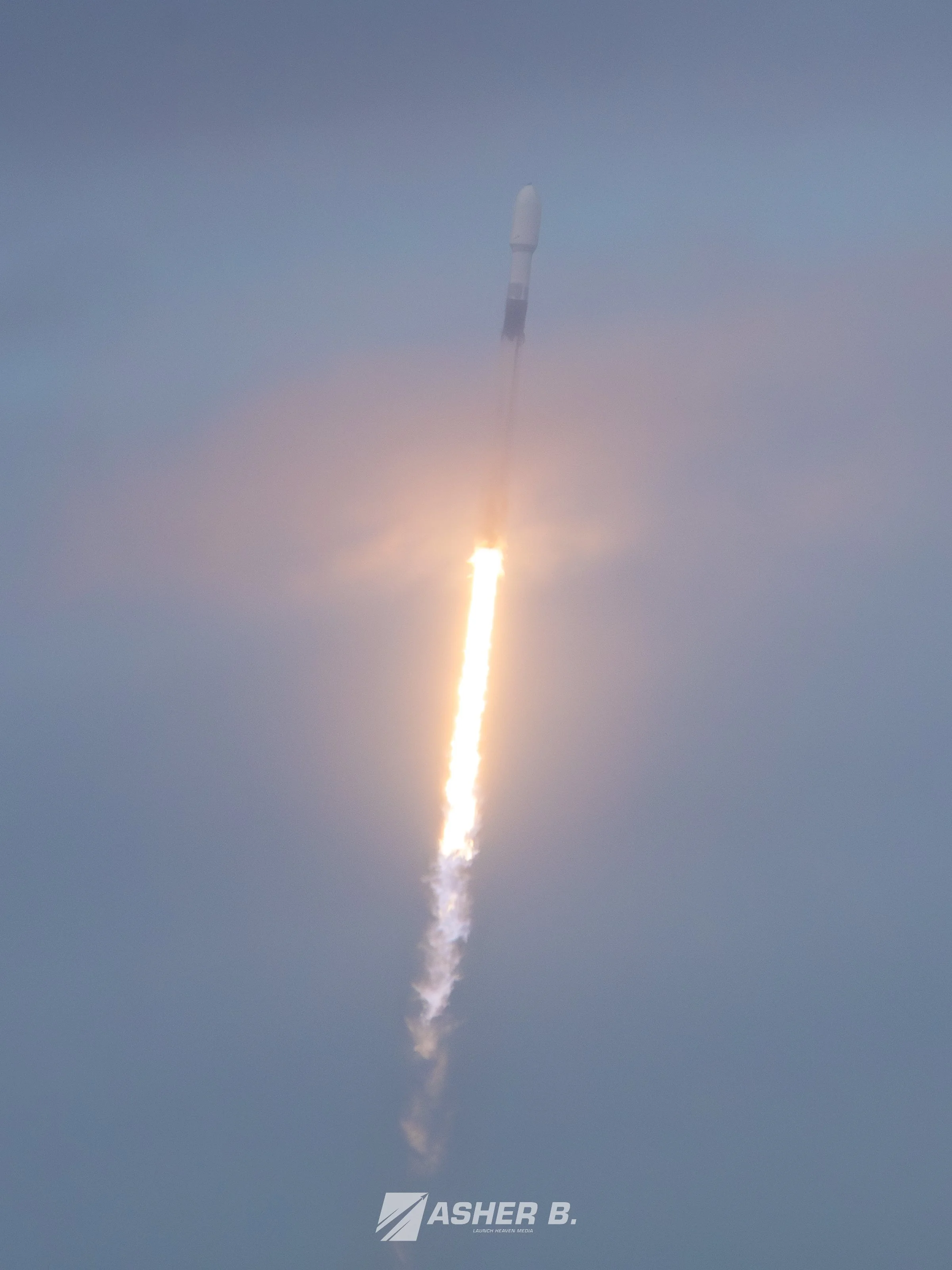
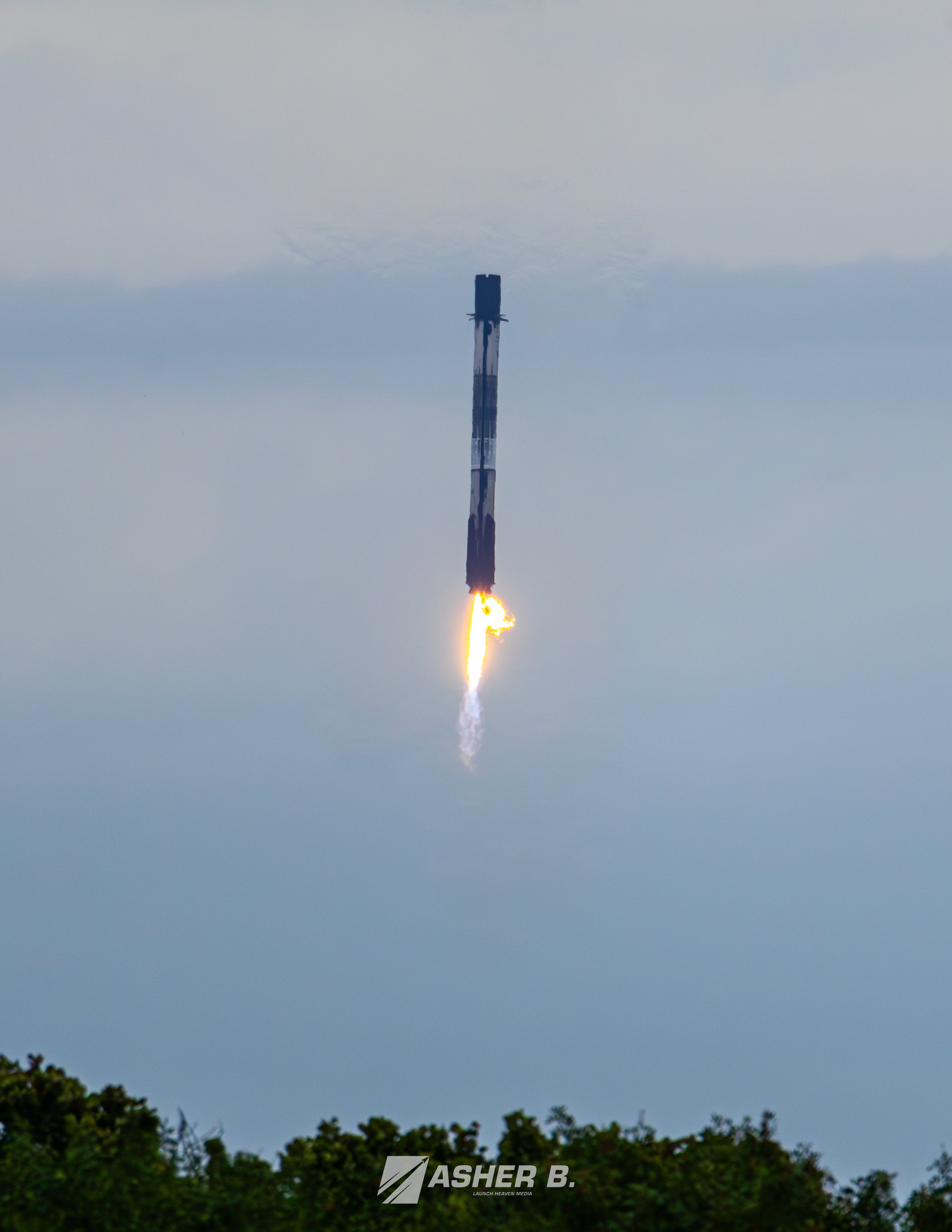
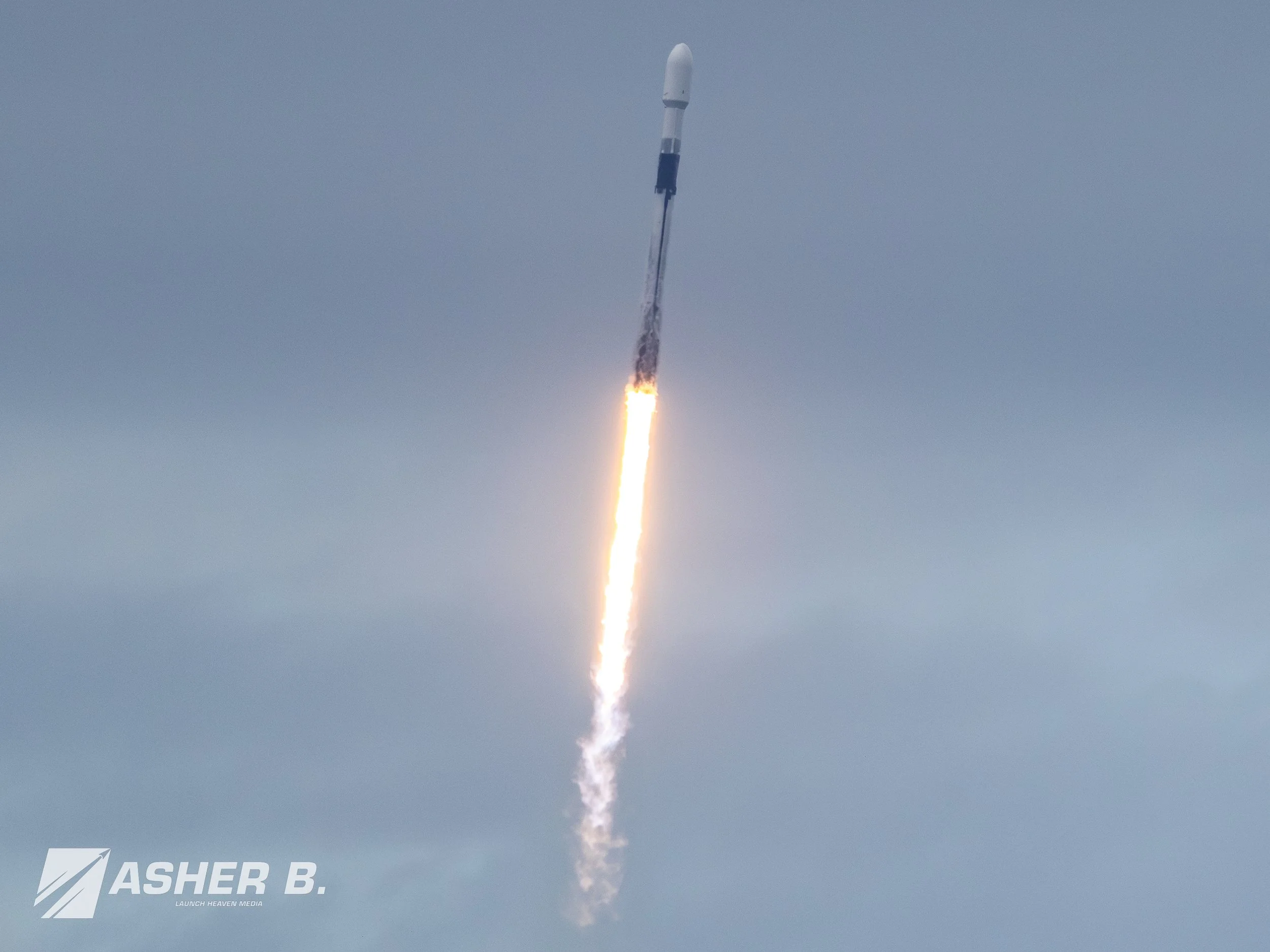
On December 9, 2025, the SpaceX Falcon 9 lifted off from Space Launch Complex 40 (SLC-40) at Cape Canaveral Space Force Station in Florida. It sent the secretive NROL-77 payload to Low Earth Orbit (LEO) for the United States National Reconnaissance Office. This mission was contracted for launch to SpaceX by the NRO, but the NRO designed, built, and will operate the mission themselves. The contract was awarded through the National Security Space Launch (NSSL) program under the NSSL Phase 2 contract, which was awarded back in August of 2020. This was the second launch for SpaceX under that contract, with the first being NROL-69 in March of this year.
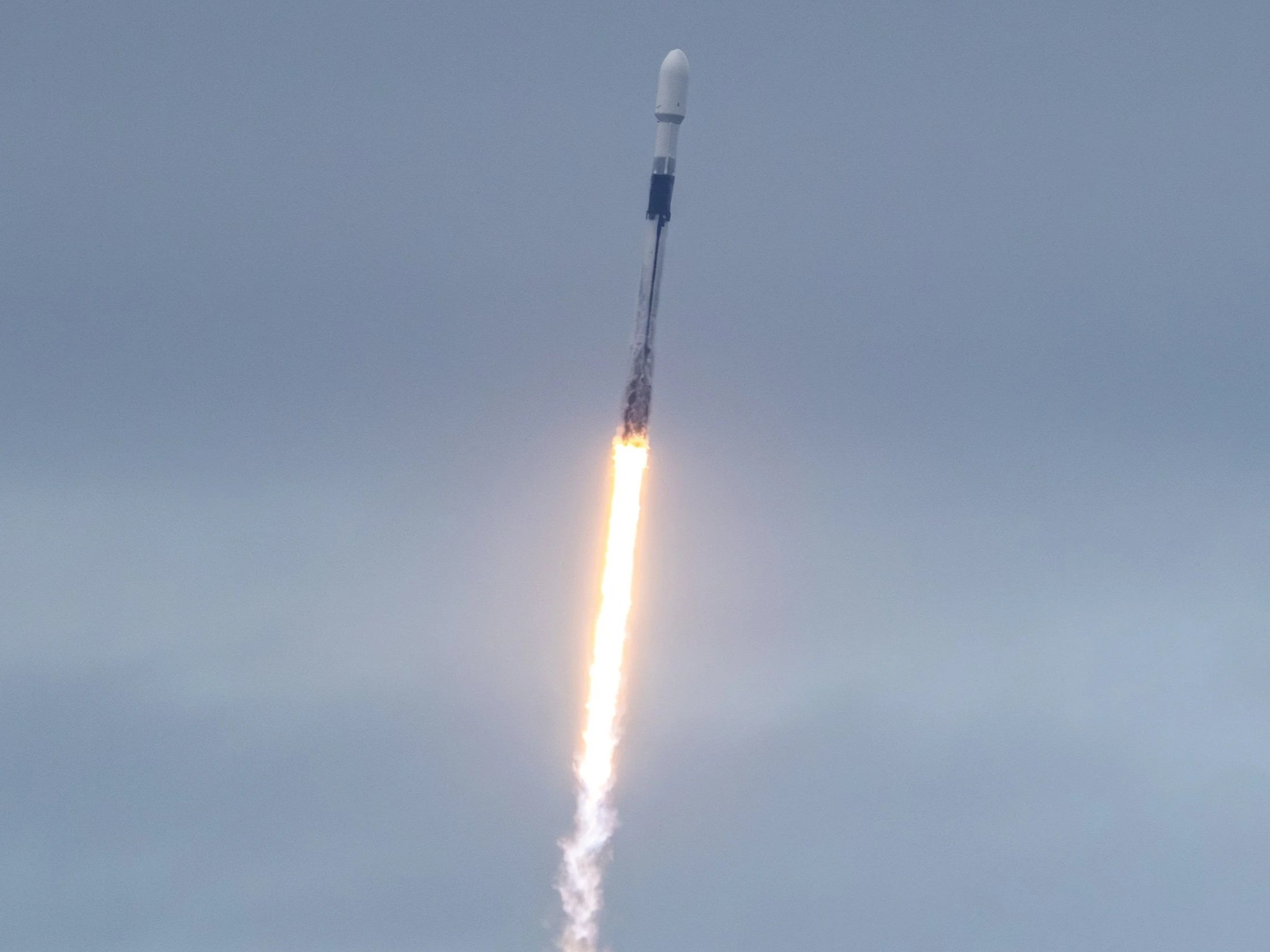
What will NROL-77 accomplish during its mission?
Not much is known about this mission, though it is suspected to be a next-generation Naval Ocean Surveillance System (NOSS) satellite. What does a NOSS satellite do? NOSS satellites are Signals Intelligence (SIGINT) assets. Unlike optical satellites that take photos (which can be blocked or worsened by clouds and/or darkness), NOSS satellites "listen" to electronic transmissions in order to gather information and data. This latest generation of NOSS satellites are designed to do that, but more efficiently, and with better quality.
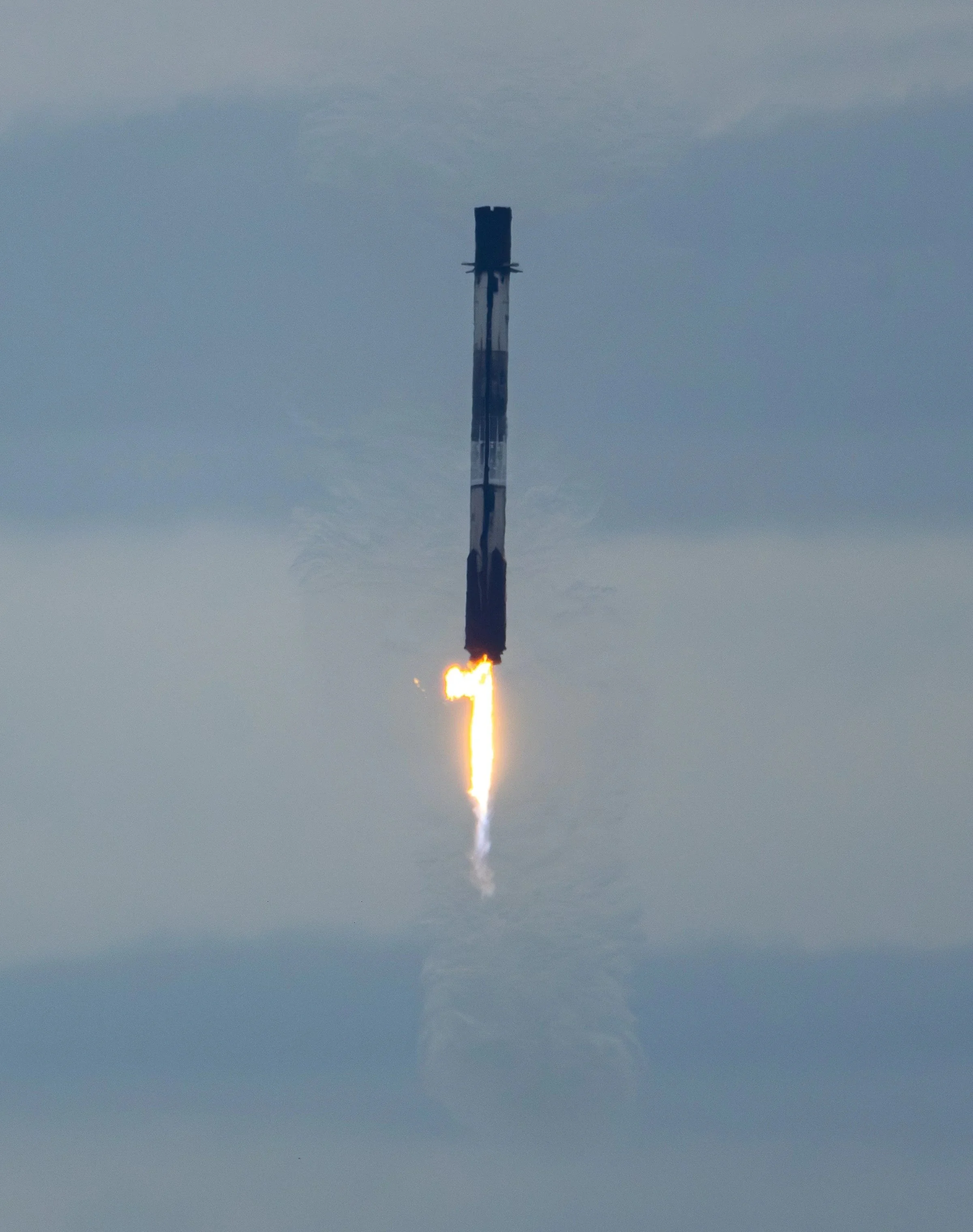
Final landing at LZ-2?
This mission has potentially marked the end of landings at LZ-2, the former Launch Complex 13 (LC-13) pad. SpaceX is currently constructing a new landing pad at one of Falcon 9’s launch pads, SLC-40, for Falcon 9 boosters to return to. This is due to the United States Space Force (USSF) reallocating LC-13 to two other private companies to use as launch pads, the companies being Vaya Space and Phantom Space, each of them planning their first launch next year.
Two landing pads were constructed by SpaceX at LC-13, LZ-1 and LZ-2. LZ-1 had its final landing earlier this year during the SpaceX Crew-11 mission to the International Space Station (ISS). Two pads were constructed for SpaceX’s Falcon Heavy vehicle, which has its two side boosters propel themselves back to land simultaneously. However, due to the closure of these pads, SpaceX can no longer do that, as the USSF has made a new rule which makes it so vehicles performing an RTLS maneuver can only land back at their own launch site. To make launching and landing Falcon Heavy possible, SpaceX will soon begin construction of two pads at historic Launch Complex 39A (LC-39A) at Kennedy Space Center. Those two pads are planned to be completed early next year.
Congratulations to SpaceX, the National Reconnaissance Office, and the United States Space Force on the successful launch of NROL-77!
Stay tuned to Launch Heaven for full coverage, follow Launch Heaven across social media for live updates:
X/Twitter @LaunchHeavenX | Instagram | TikTok | YouTube |
