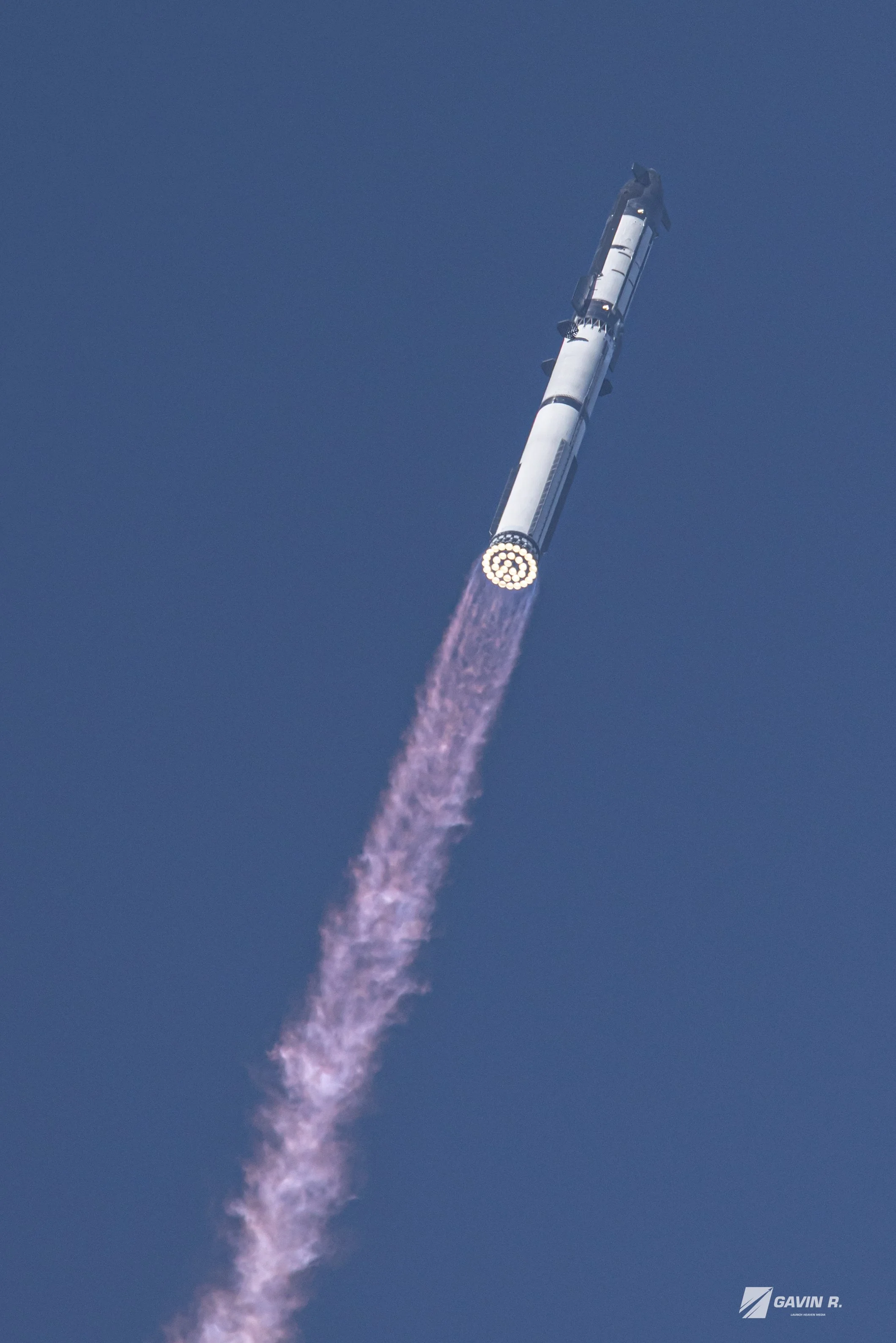
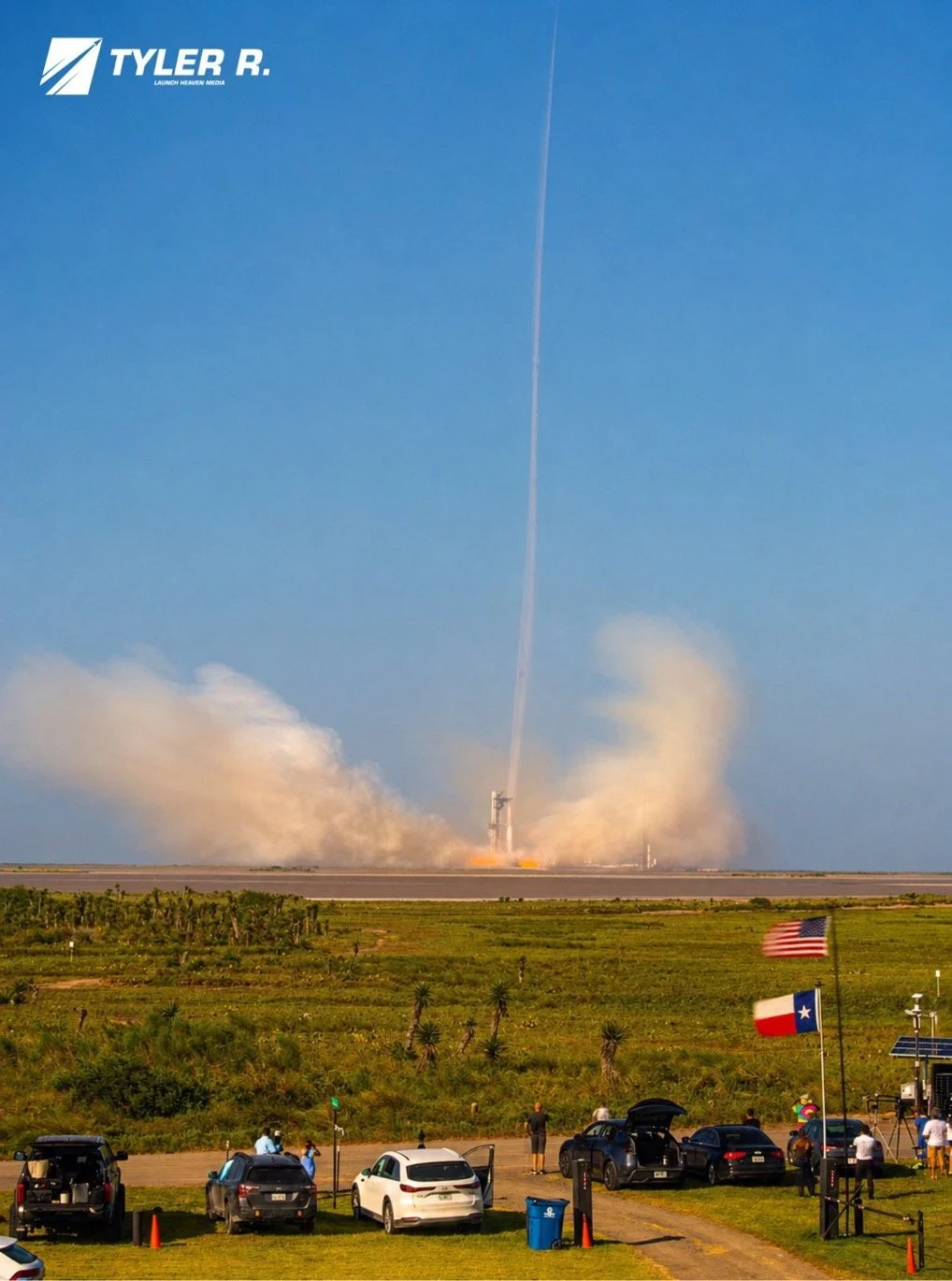
SpaceX Launches Starship Flight 13, Ship 40 Survives Splashdown for the First Time
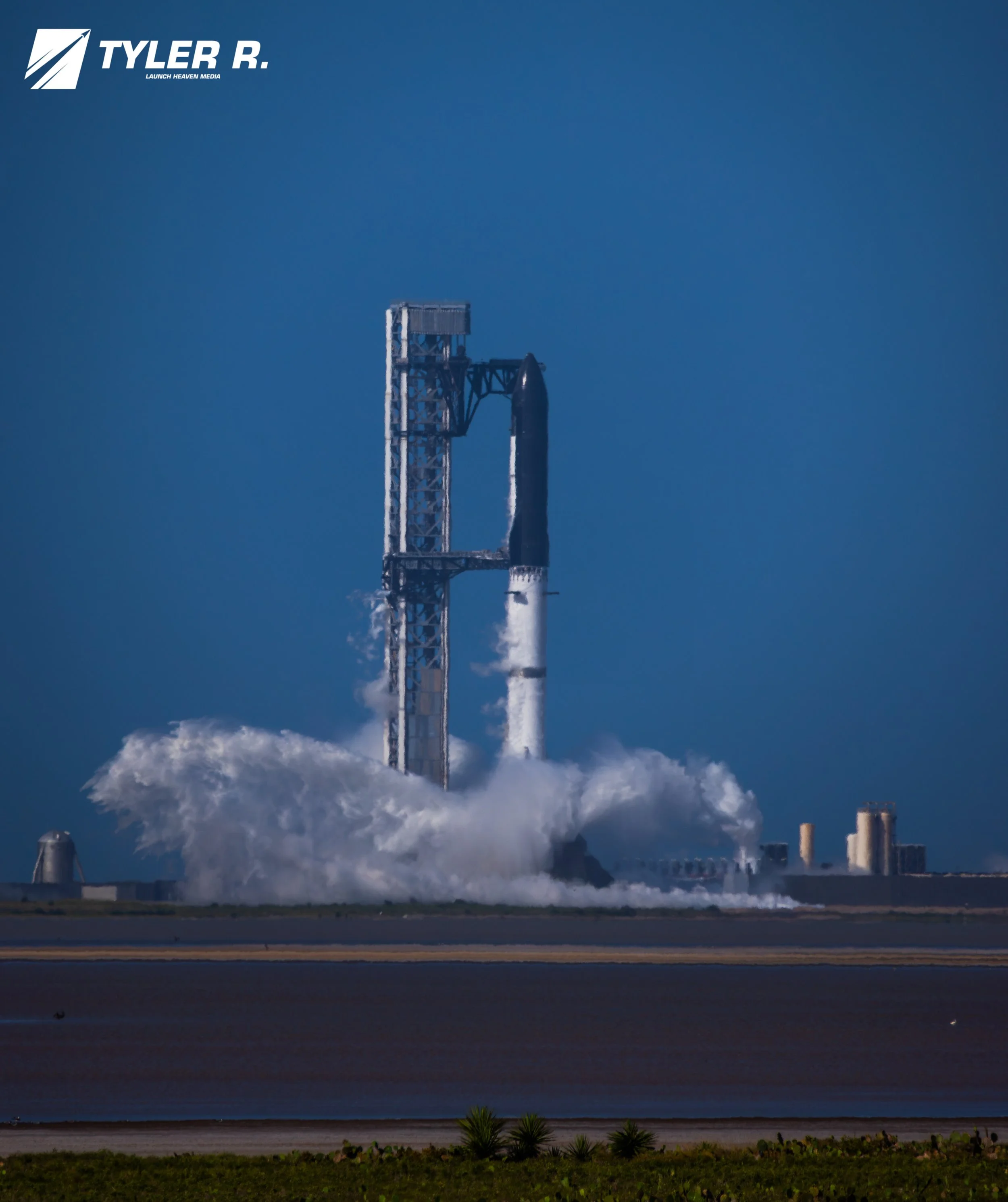
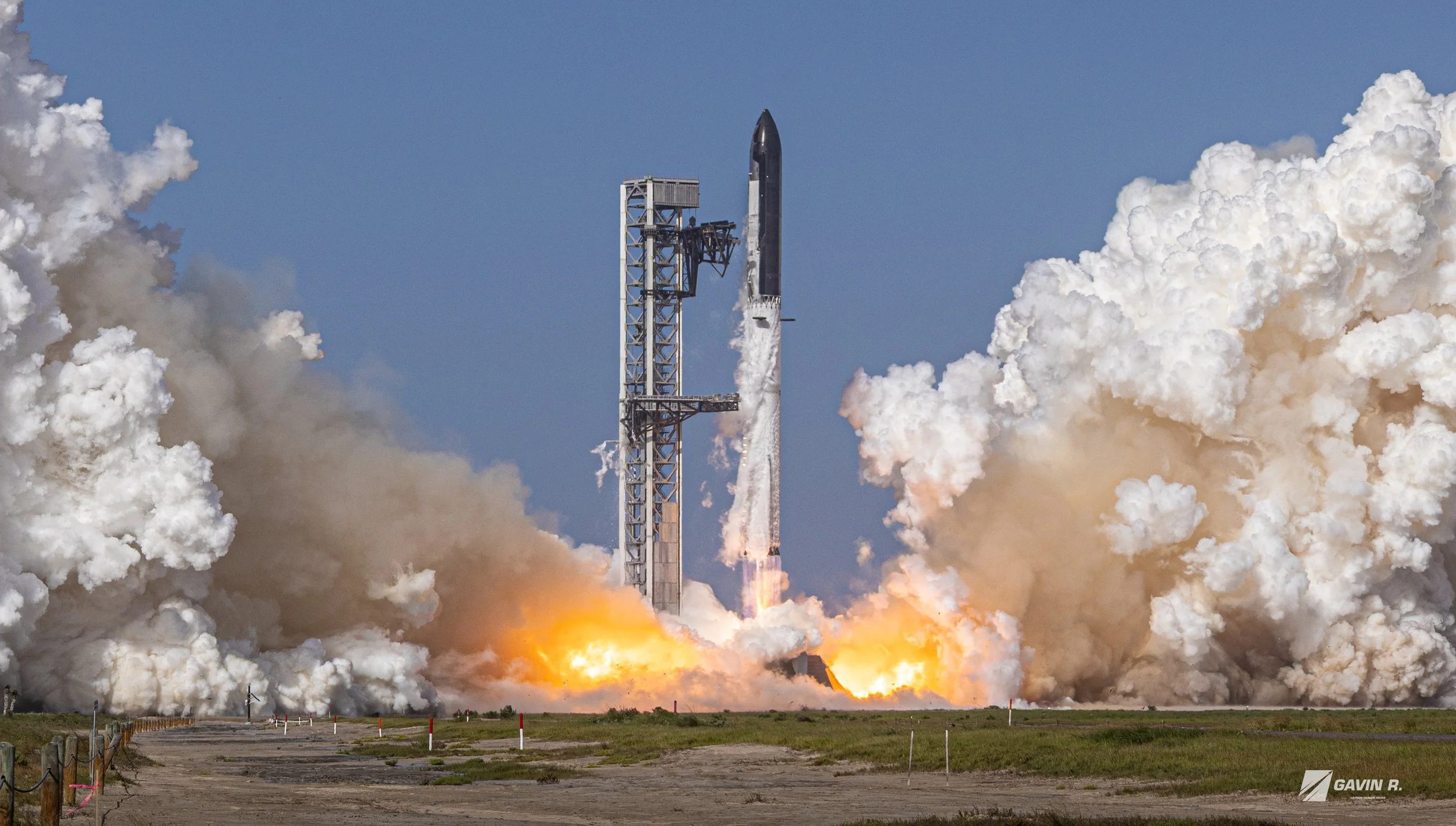
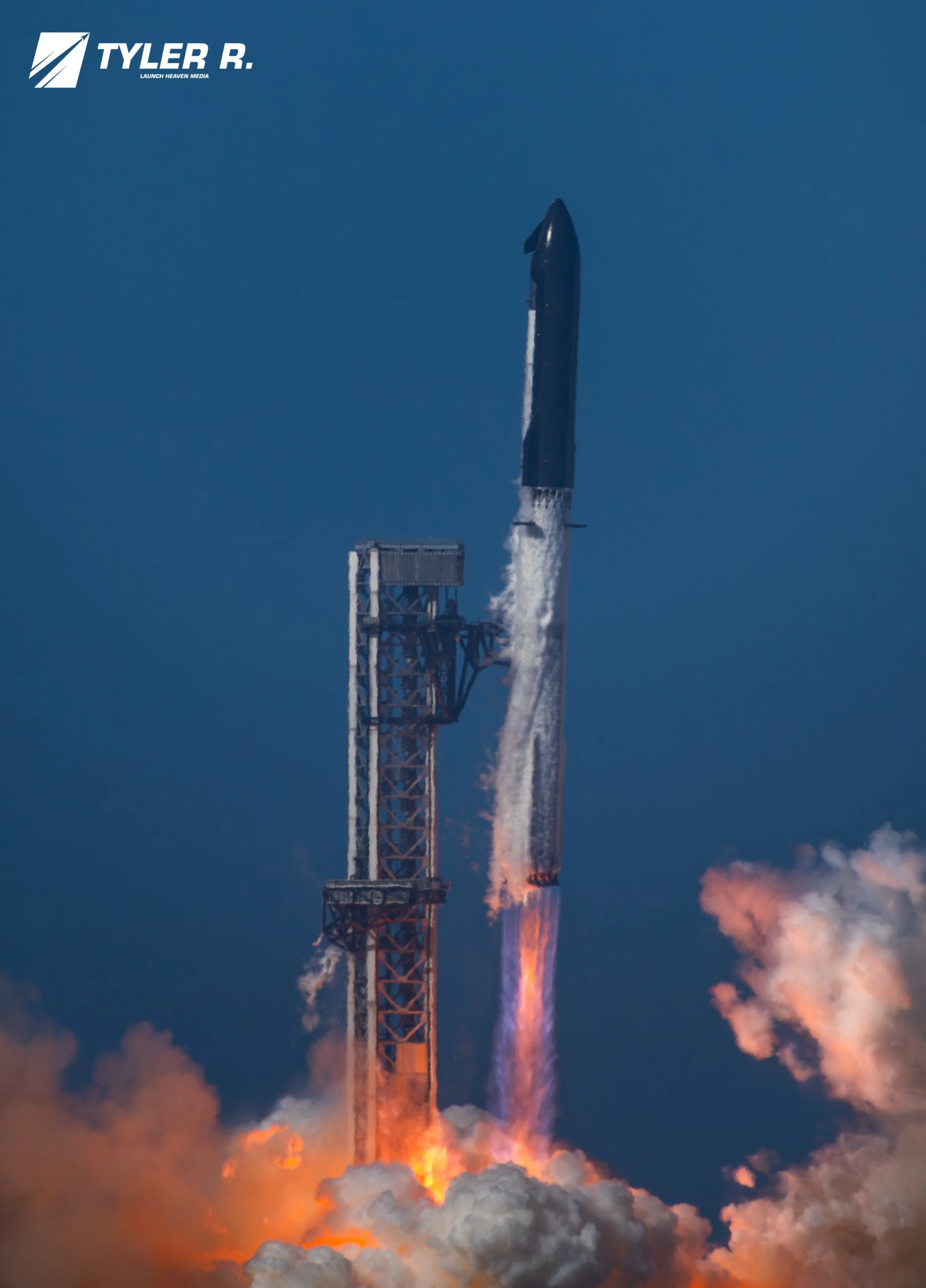
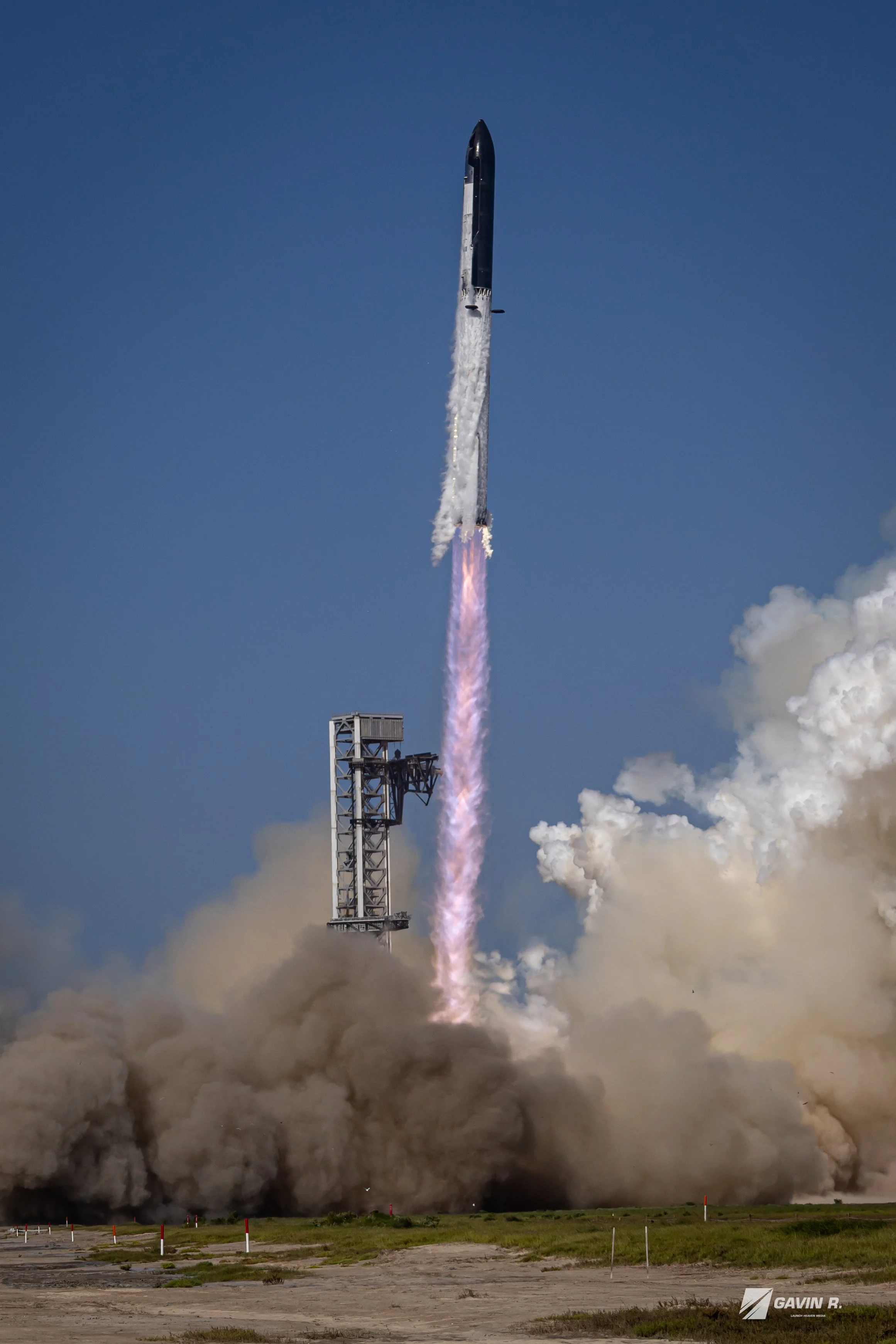
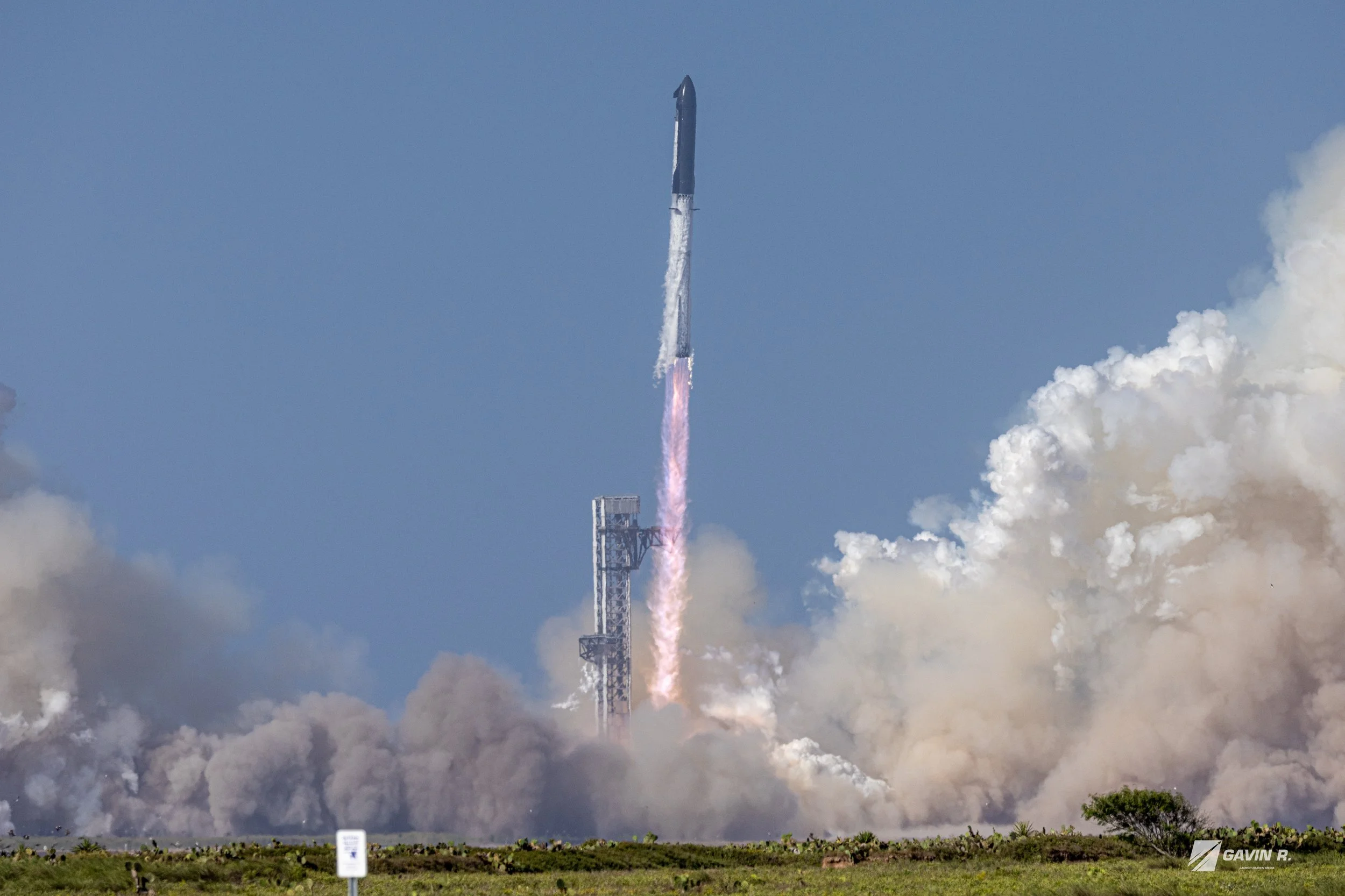
Starship lifted off from Pad 2 at Starbase in Boca Chica, Texas, at 5:51 pm CDT on Friday, July 24th, capping a mission that had already been attempted twice.
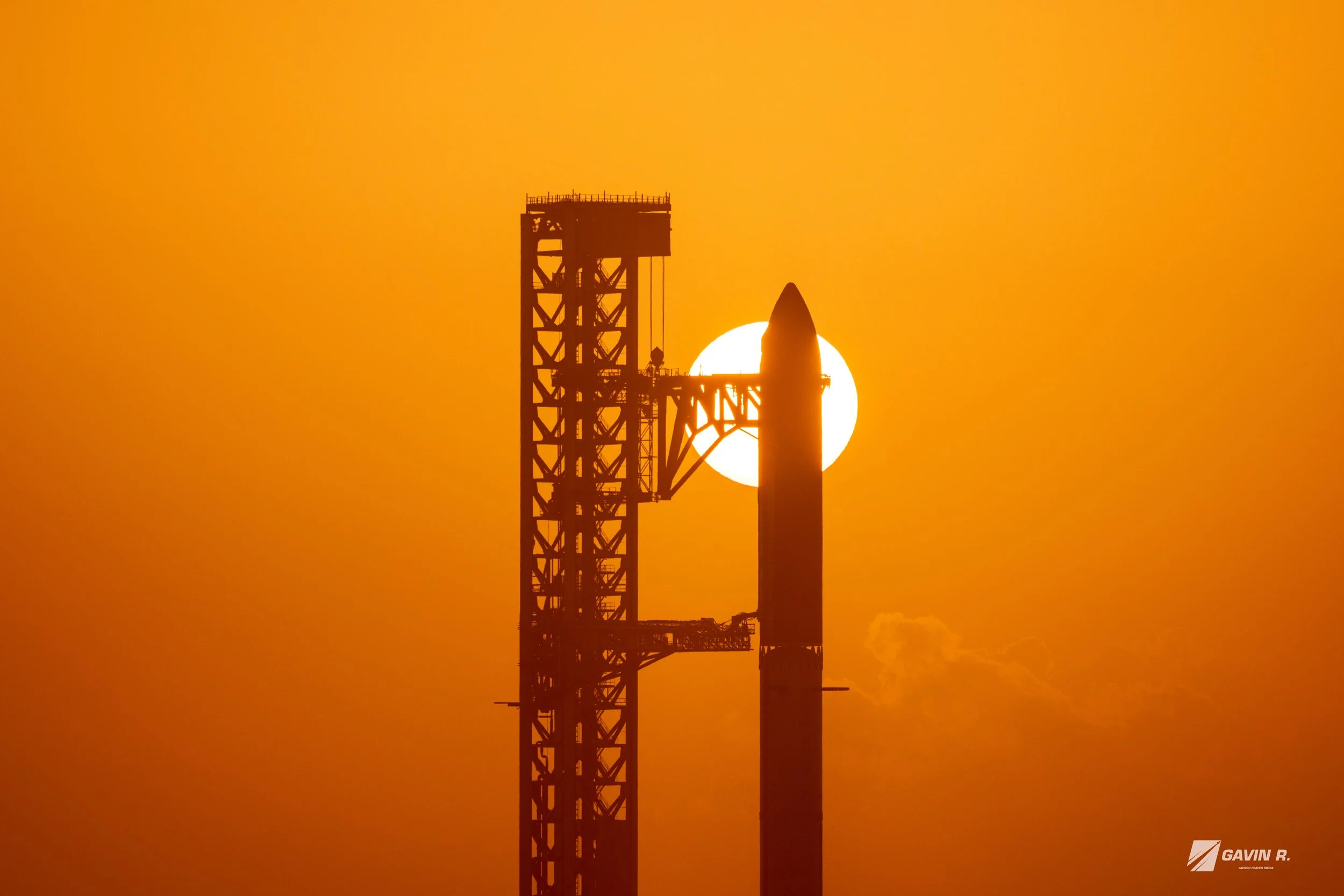
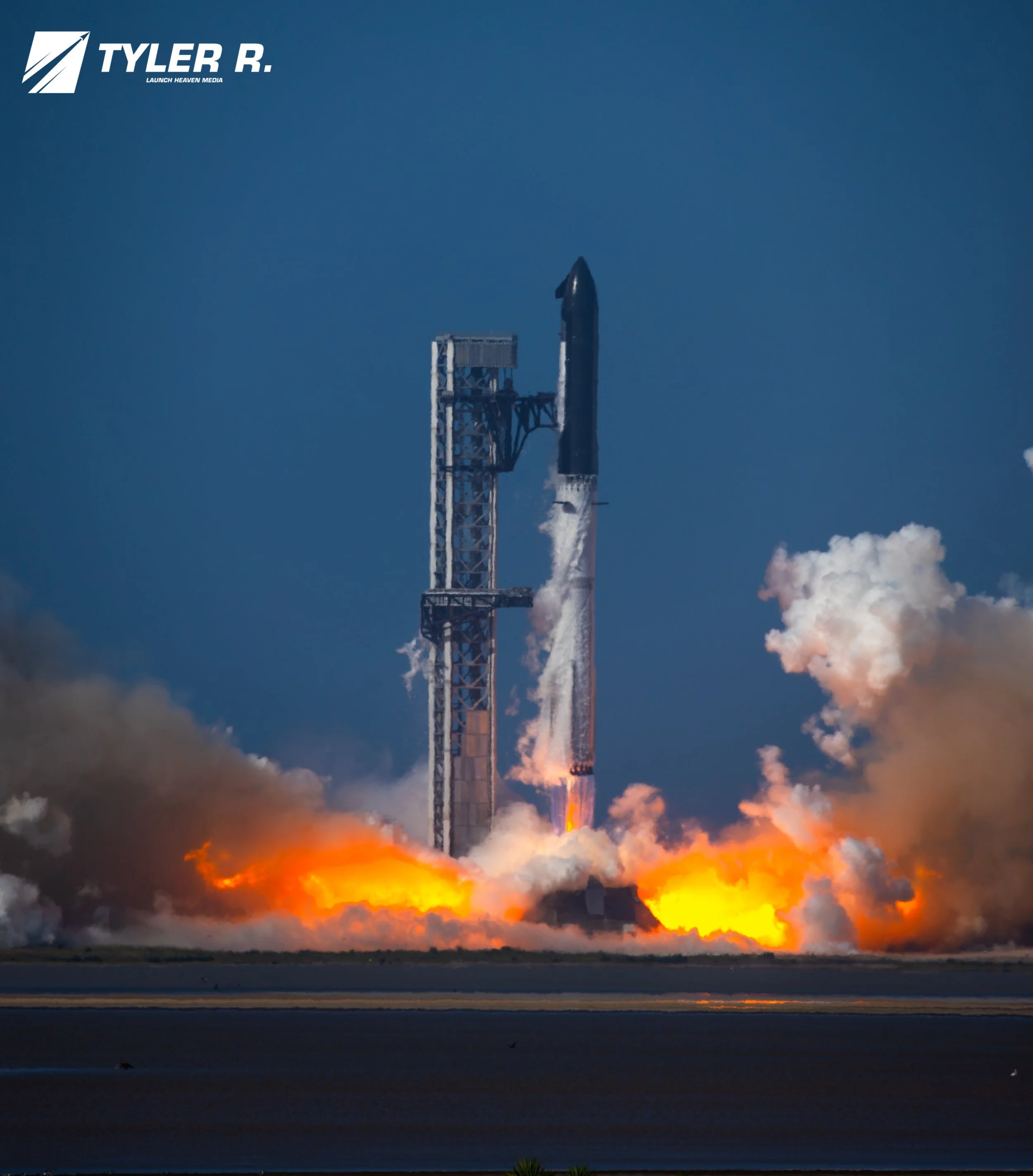
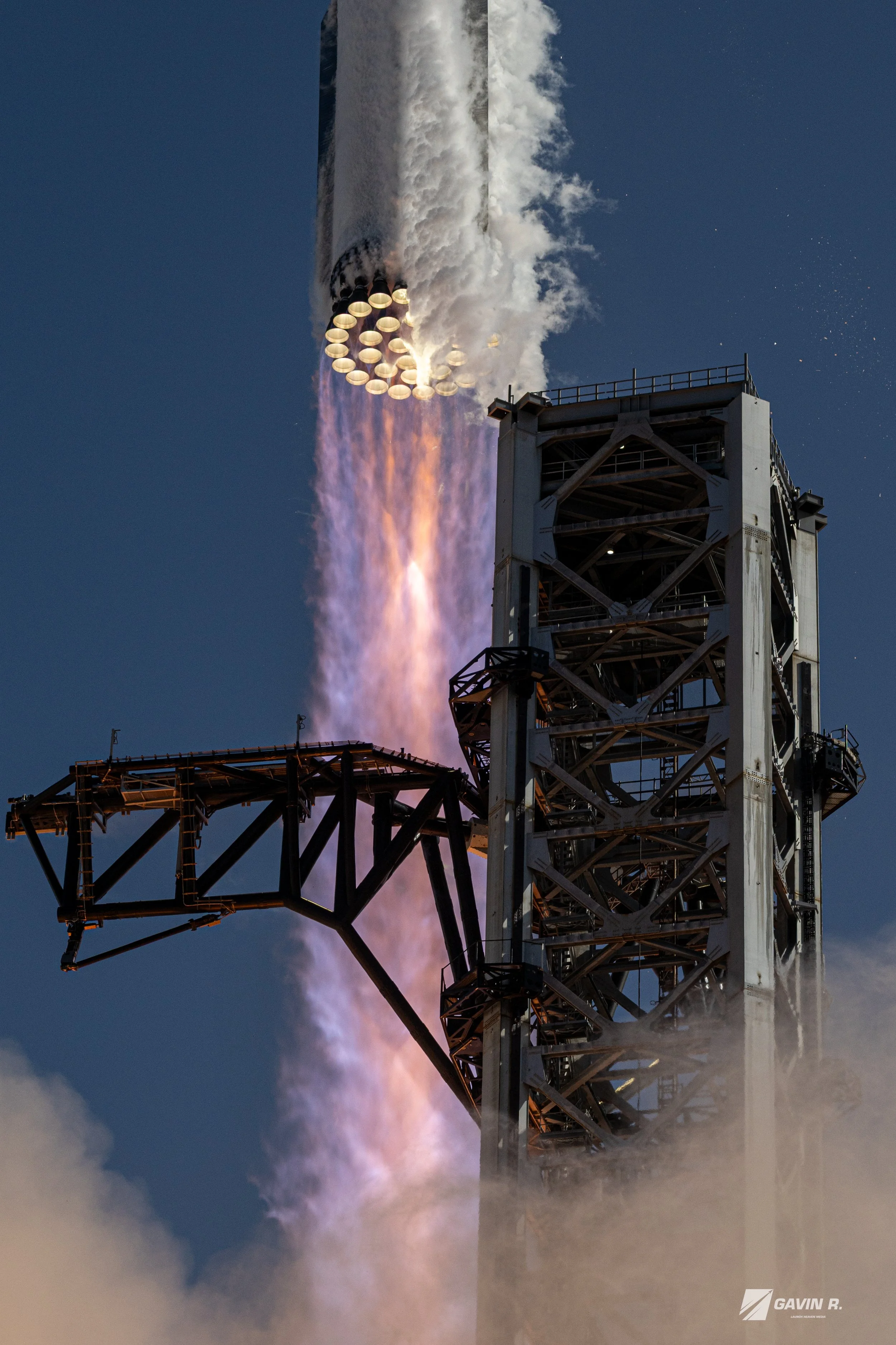
The first try on July 16th was aborted at the last second when four of Booster 20's 33 Raptor engines failed to ignite, and a second try on the 23rd was called off for weather as Tropical Storm Bertha moved close to the area. This was the second flight of the Starship V3 design and the thirteenth flight of a fully stacked Ship and Super Heavy since the program began in 2023. The full vehicle stands 407 feet tall (124 meters), and by the time Ship 40 touched down an hour later, it had done something no Starship upper stage had managed before, more on that in a second.
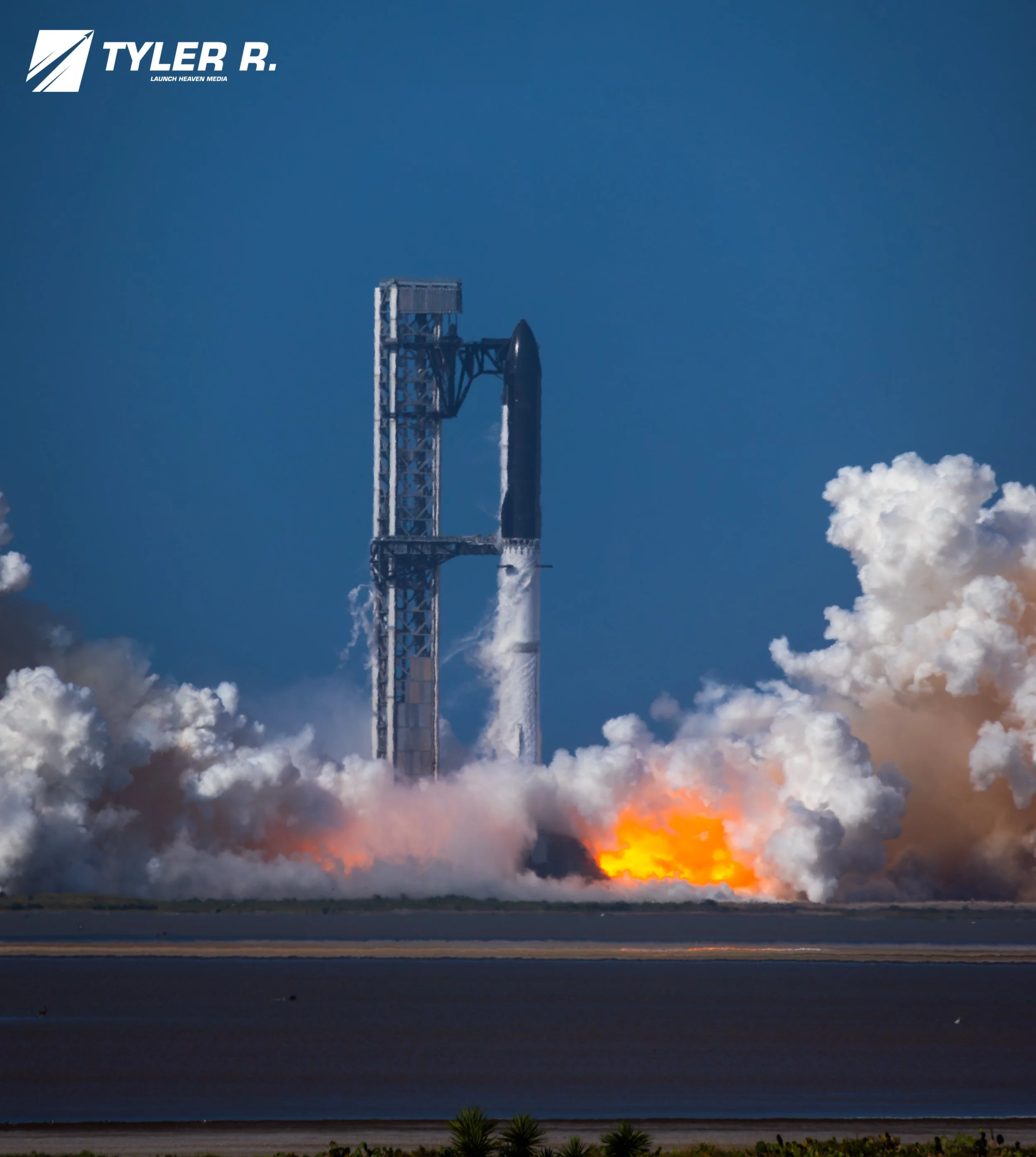
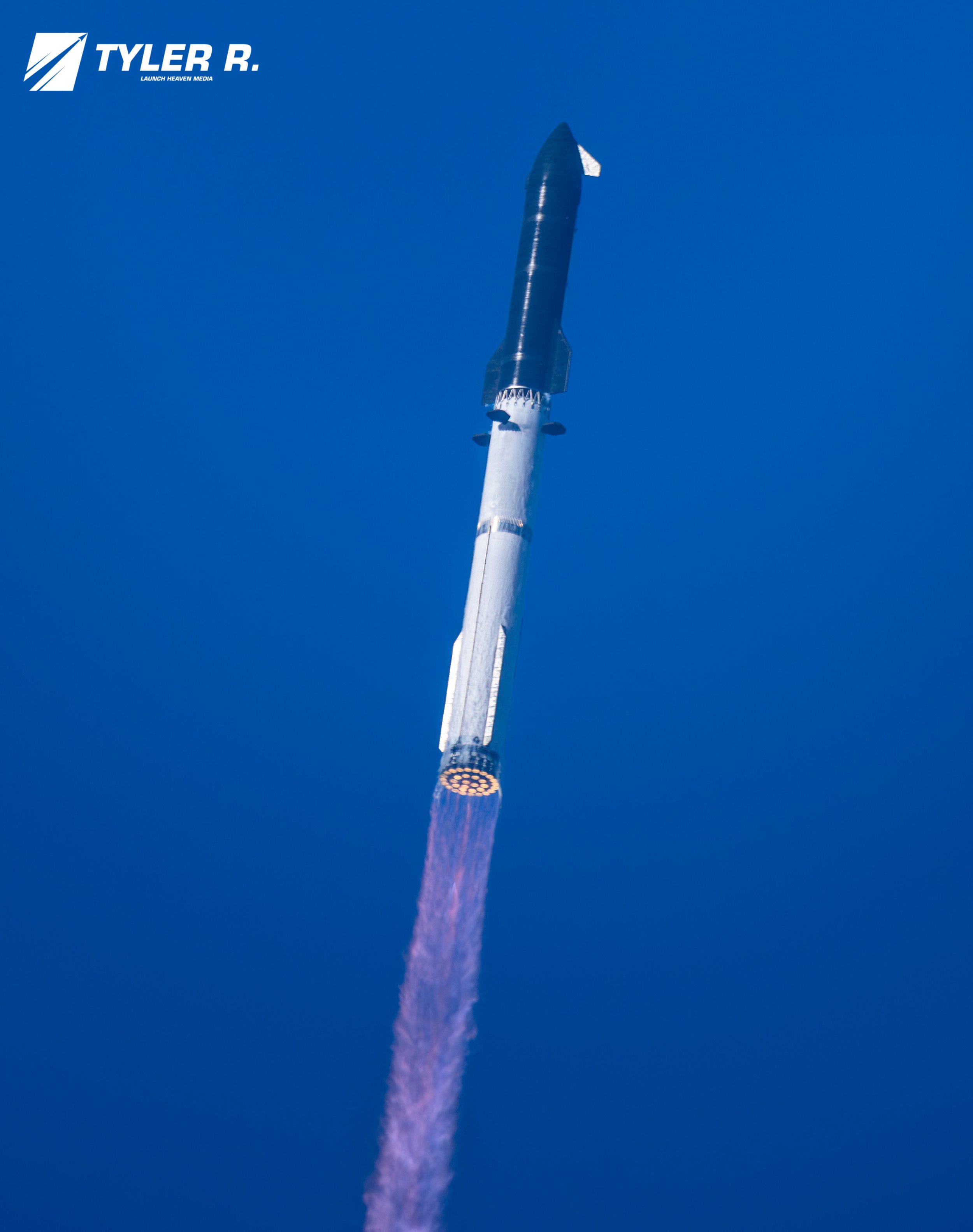
Photo: Tyler R.
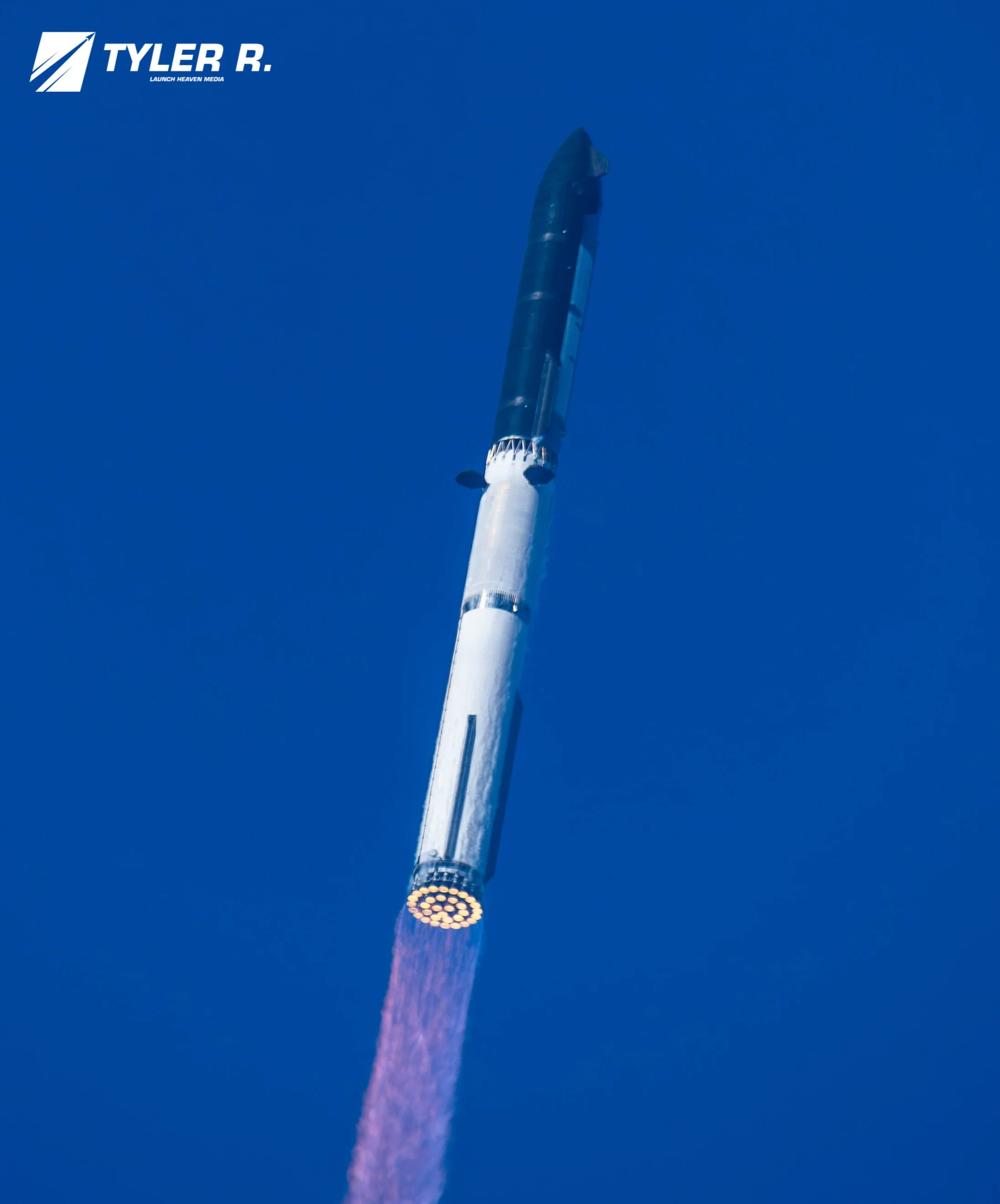
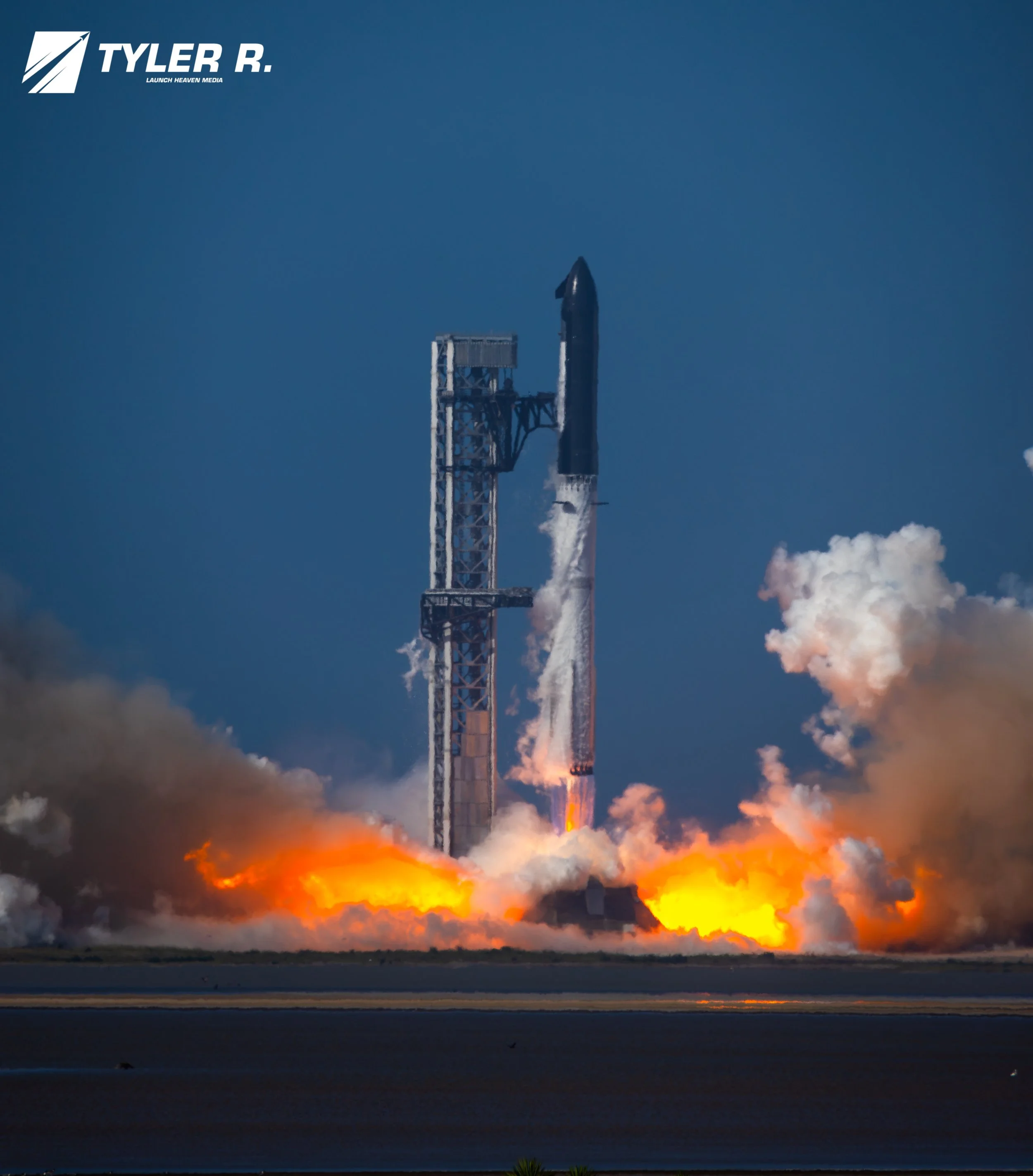
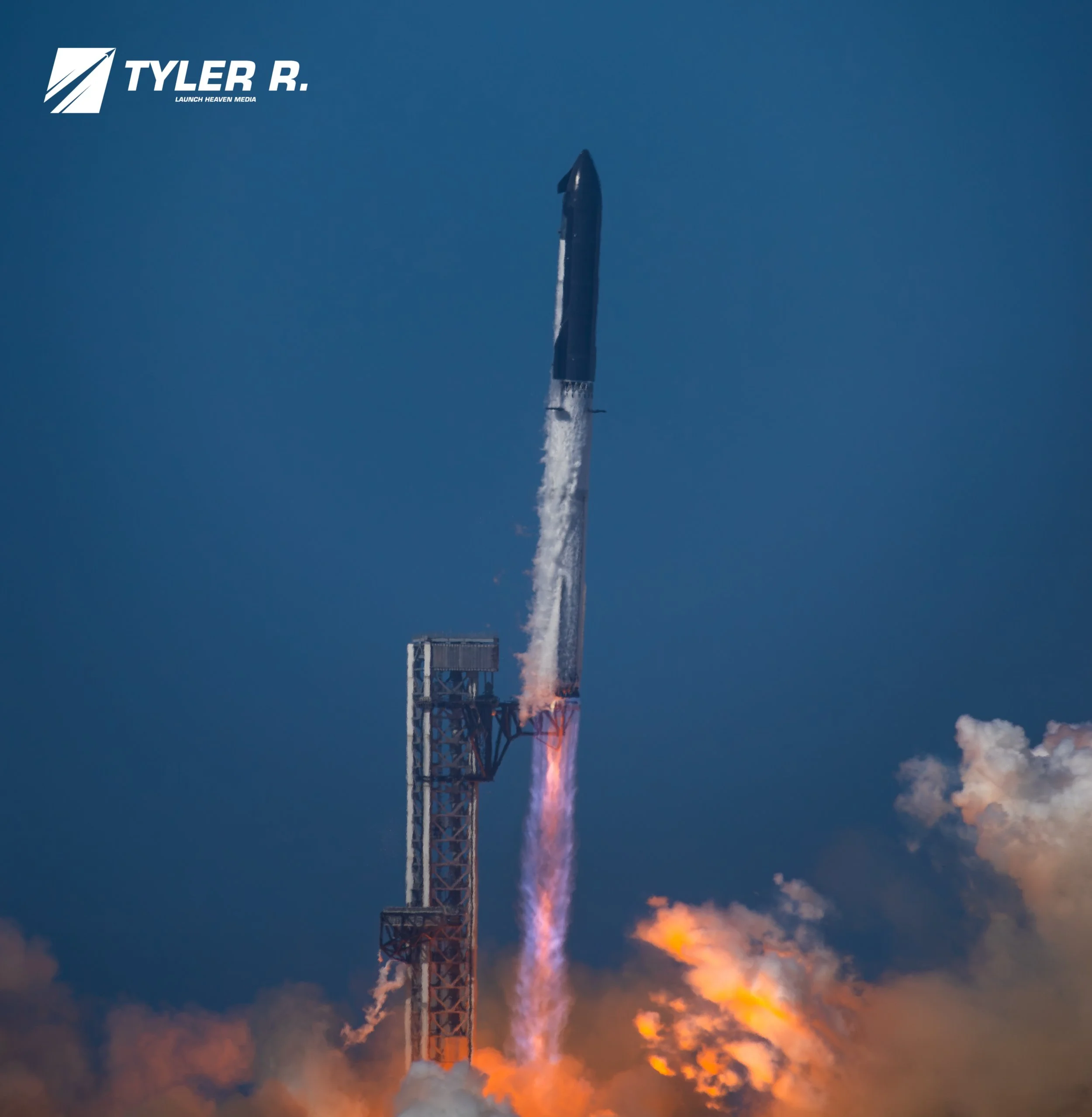
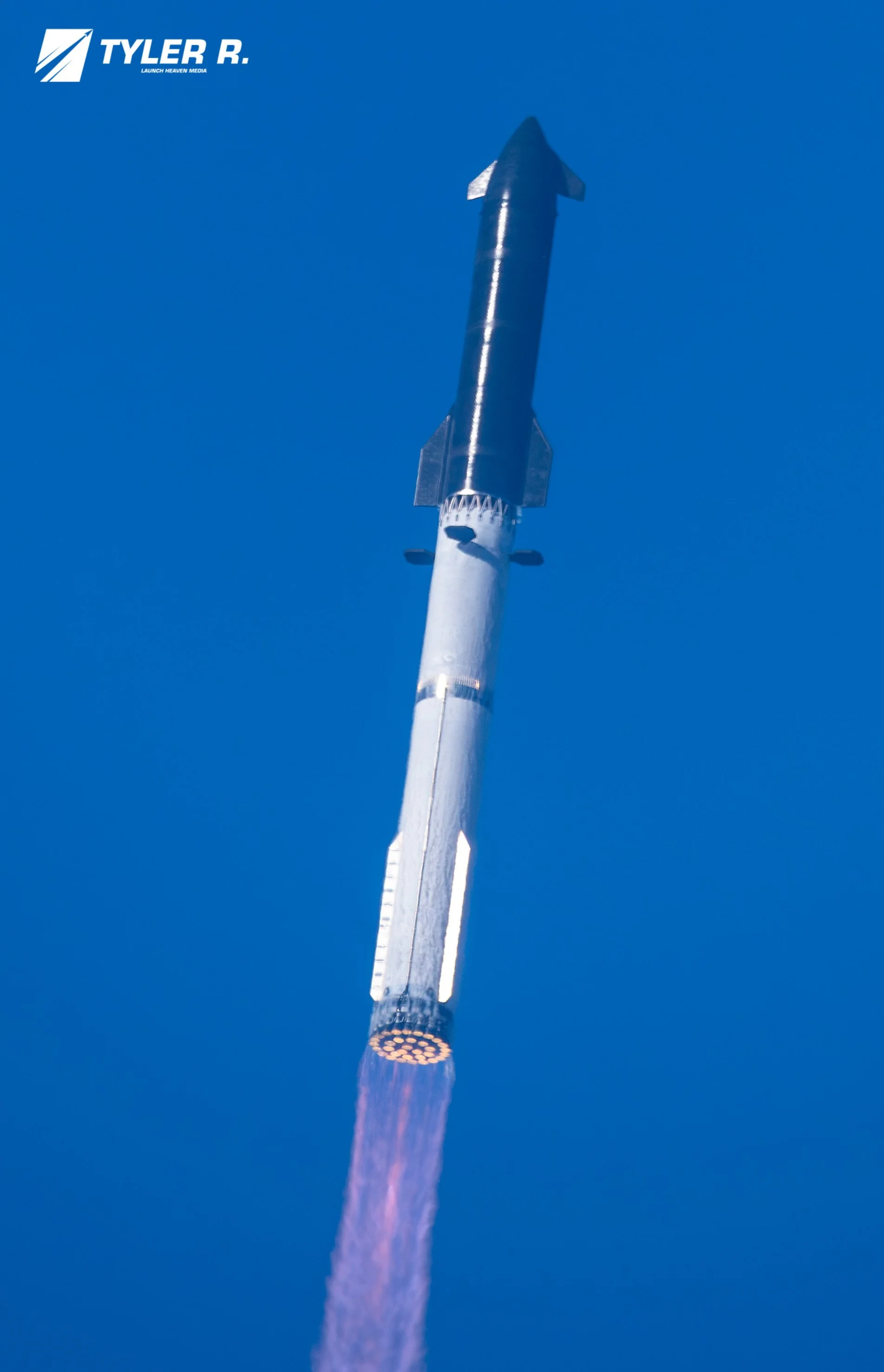
Booster 20 separated from Ship 40 roughly two minutes into the flight using SpaceX's hot staging method, and Ship 40 continued on to deploy 20 Starlink V3 satellites, the first units of that design to fly. The Starlink team confirmed contact with all 20 shortly after deployment, though the satellites were never meant to stay in orbit. Each one burned up in the atmosphere about 20 minutes later, doing its job as a test payload rather than an operational spacecraft. Booster 20 headed for a splashdown in the Gulf, but not all of its planned engines lit for the landing burn, and it hit the water harder than intended. Booster 20 was always slated to be expended rather than caught back at the tower, so the rough landing did not take away from the day.
Photo: Tyler R.
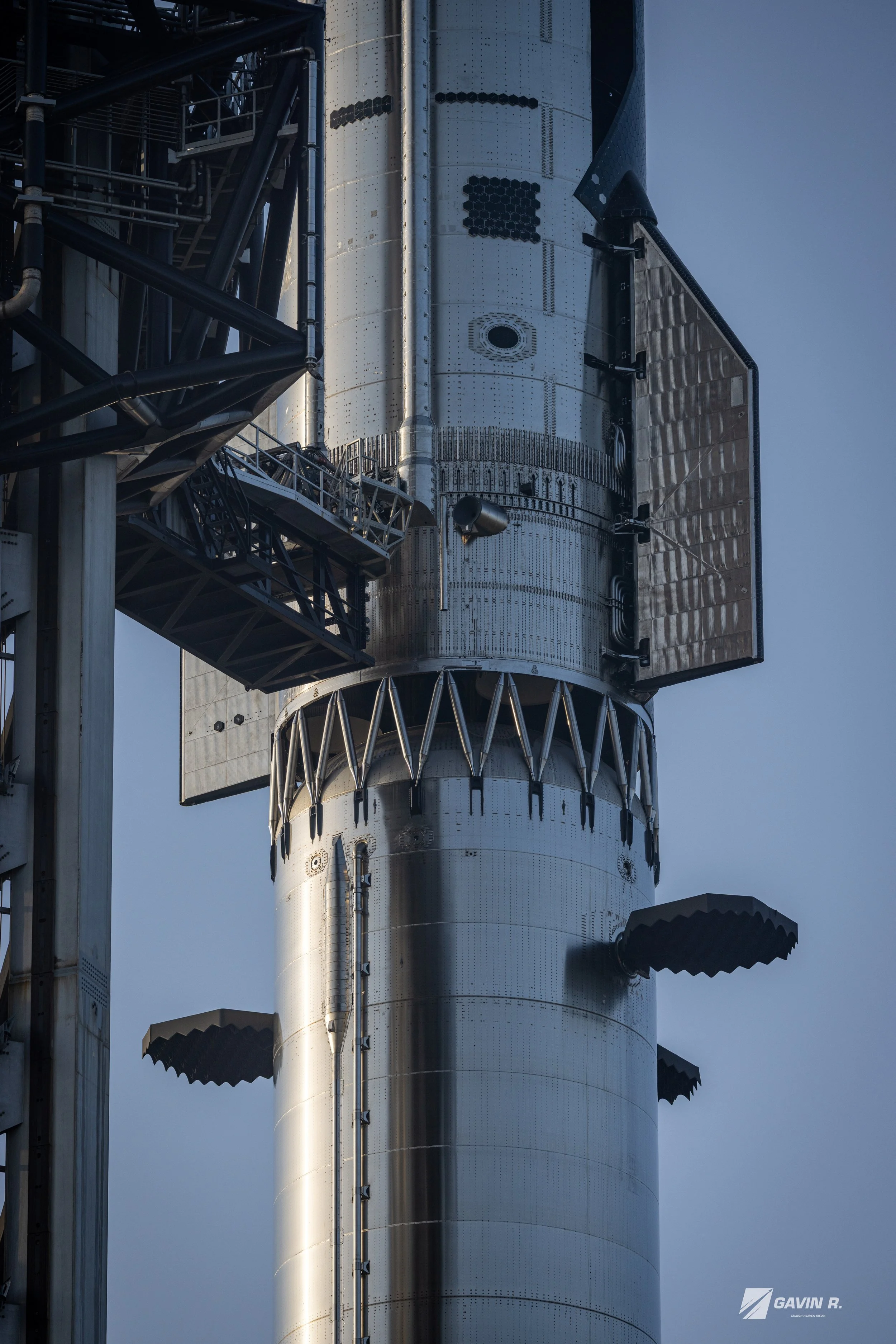
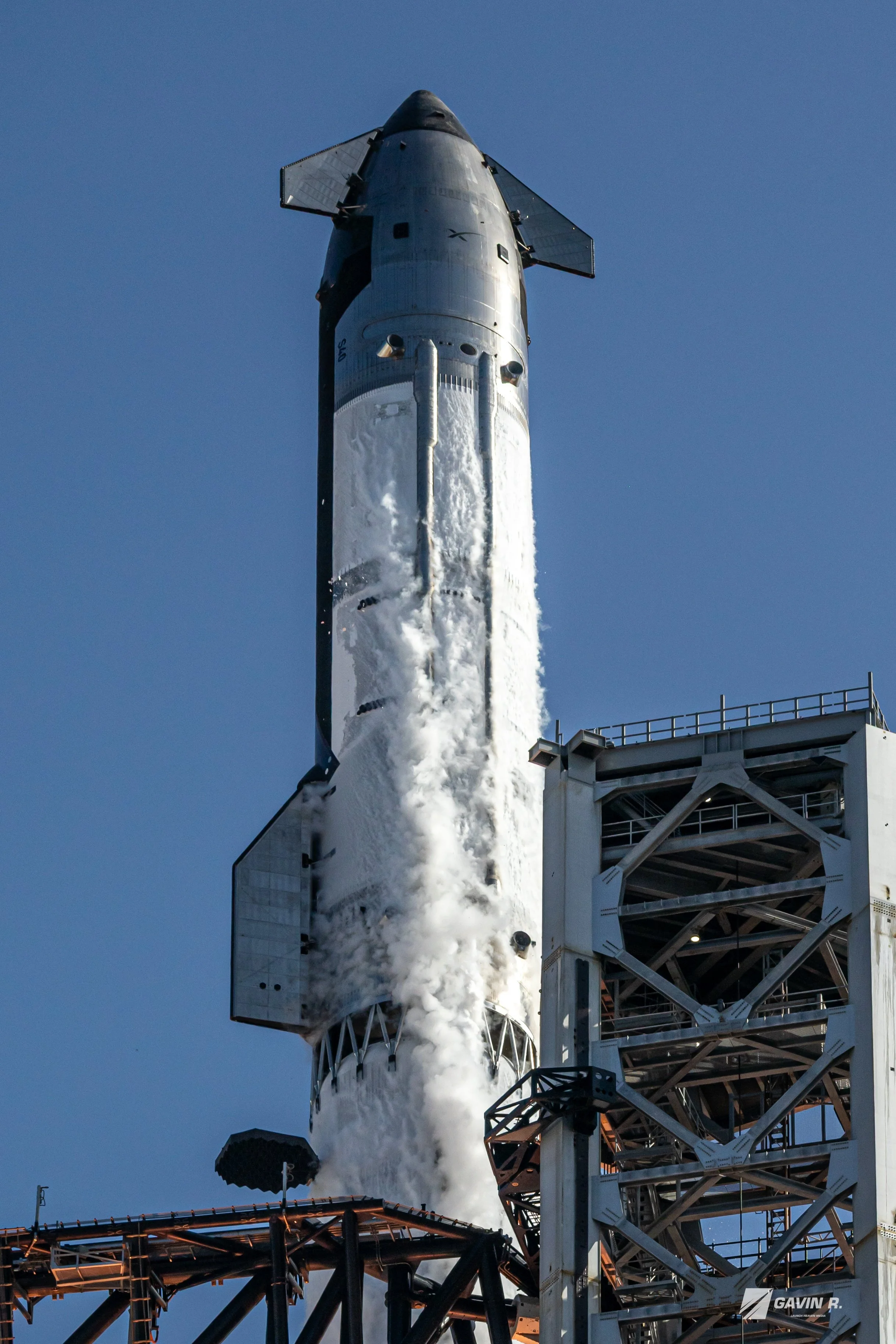
Ship 40 flew a deliberately harder ascent than previous missions, pushing to a higher dynamic pressure specifically to test the limits of the heat shield. SpaceX painted several tiles white ahead of launch to serve as tracking targets for cameras mounted on the Starlink satellites, six of which were fitted specifically to watch the roughly 18,000 ceramic tiles that make up the shield during reentry.
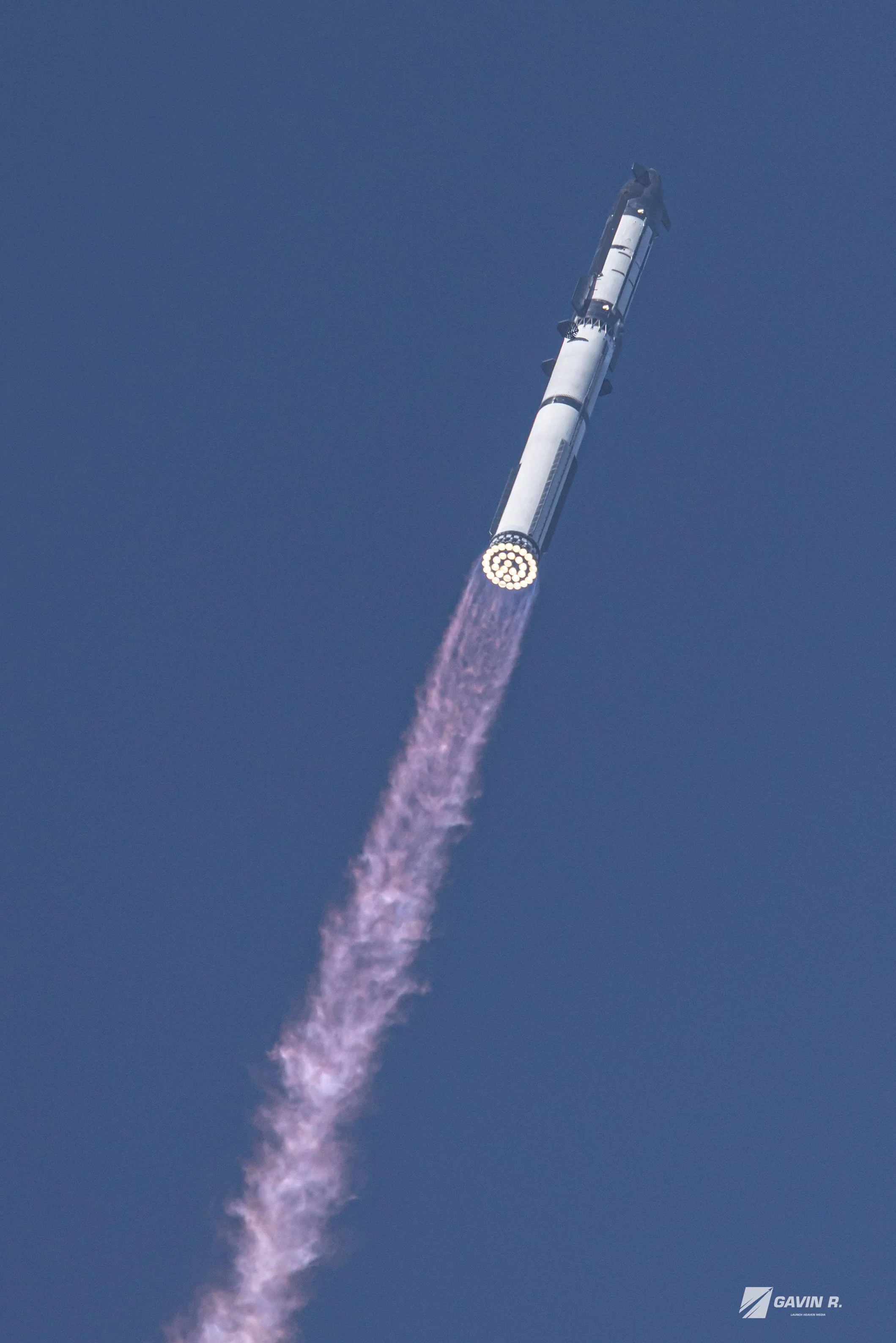
It is the kind of test that only means something if you are willing to risk the hardware to get the data, and for a vehicle NASA is counting on to carry the bulk of the Artemis program's heavy lifting, that data has to come from somewhere.
Ship 40 came screaming back through the atmosphere wrapped in plasma and made it through in one piece, something that has ended several earlier test vehicles in a fireball. It then executed a three engine burn to flip itself upright for landing over the Indian Ocean, a controlled sequence that shifted down to two engines and then one as it worked through its final deceleration. That intentionally soft splashdown profile let Ship 40 topple onto its side and settle on the waves rather than exploding, which is how nearly every previous attempt at this phase has ended. Booster 20's hard landing in the Gulf was a genuine failure, but Ship 40's tip over was a plan working. SpaceX spokesperson Dan Huot called it the "softest splashdown we've ever seen," and Ship 40 kept transmitting telemetry from the ocean surface afterward, handing engineers a floating, intact heat shield to study instead of debris. That is exactly the kind of data SpaceX needs before it signs off on Ship making an attempt to be caught back at Starbase.
SpaceX cannot risk bringing a 6 story spacecraft back to the launch tower for a catch until the heat shield has proven it can survive reentry reliably, and an intact splashdown is about as close to that proof as a test flight can offer. The next flight will show whether Friday was the start of a trend or a lucky break, but for a program chasing full reuse and a lunar lander for Artemis, thirteen just proved the heat shield is getting better and better, and that is the thing SpaceX needed most.
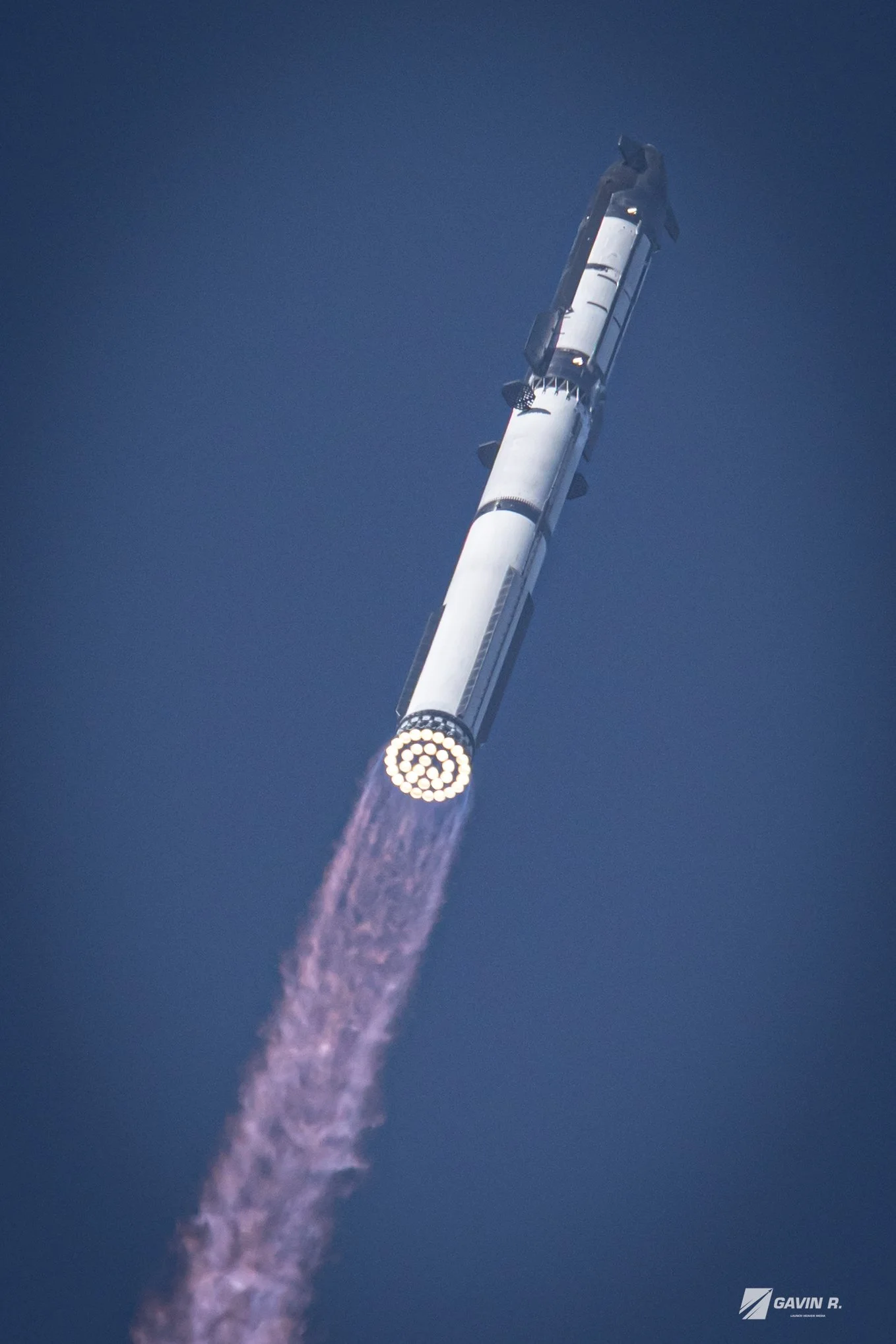
Launch Heaven photographers were on sight to capture the Lucky 13s liftoff.