Weekly Spaceflight Update: June 15th - June 22nd
It was a great week for spaceflight around the world such as plenty of international launches as well as the arrival of NASA's next-gen space telescope. Read more below:
Nancy Grace Roman Space Telescope Arrival
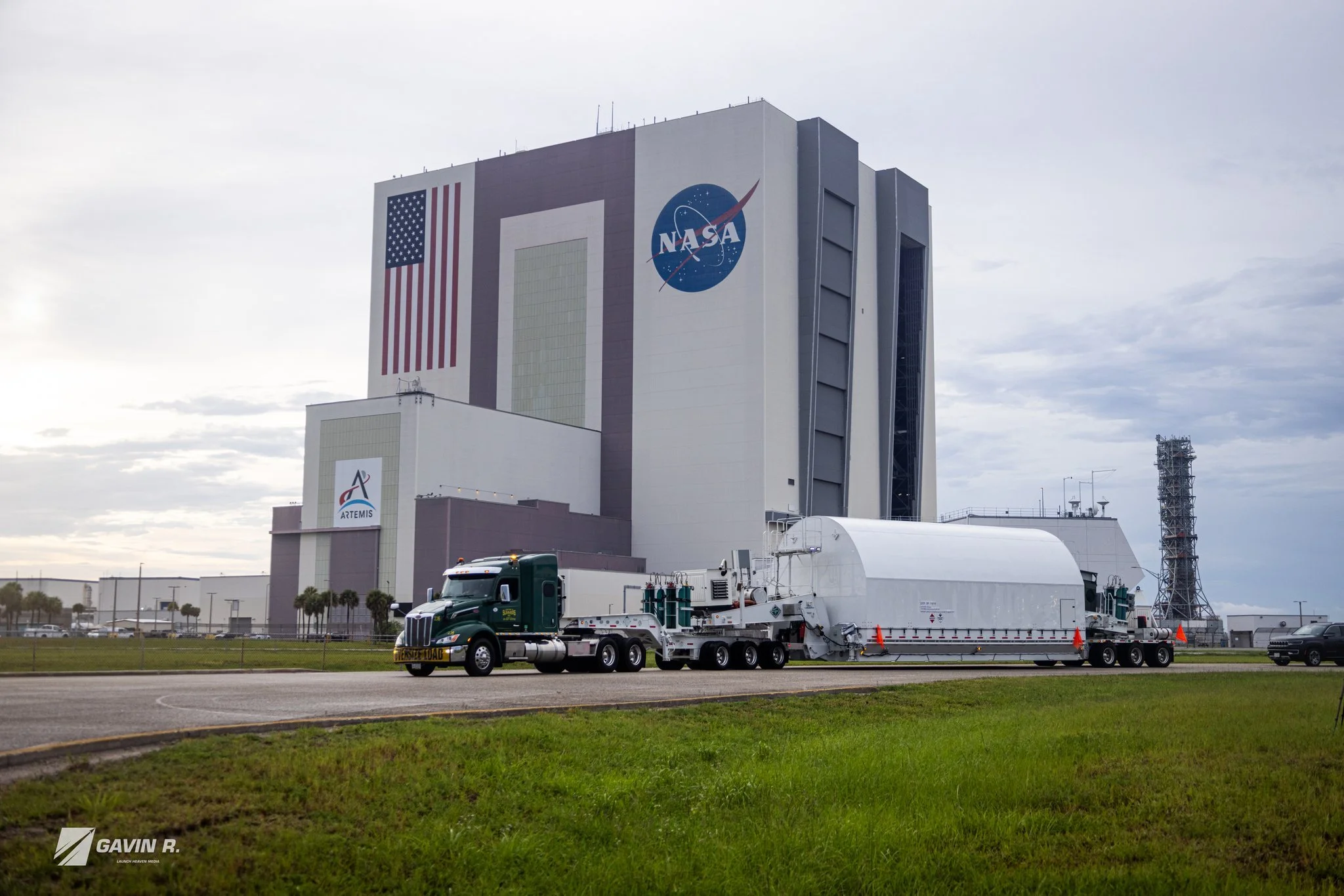
On June 20–21, NASA’s Pegasus barge carrying the Nancy Grace Roman Space Telescope arrived in Florida after its journey from the Goddard Space Flight Center in Baltimore. The telescope traveled inside a protective transport container, nicknamed the “Chariot”. On June 21, the barge reached the KSC turn basin. The telescope was unloaded and transported to the Payload Hazardous Servicing Facility (PHSF) for final preparations, including fueling, ahead of its launch aboard a SpaceX Falcon Heavy rocket. The current NET launch date is August 30, 2026, from Launch Complex 39A.
Photo: Gavin R. for Launch Heaven
LAUNCHES
Shijian-31 – CASC
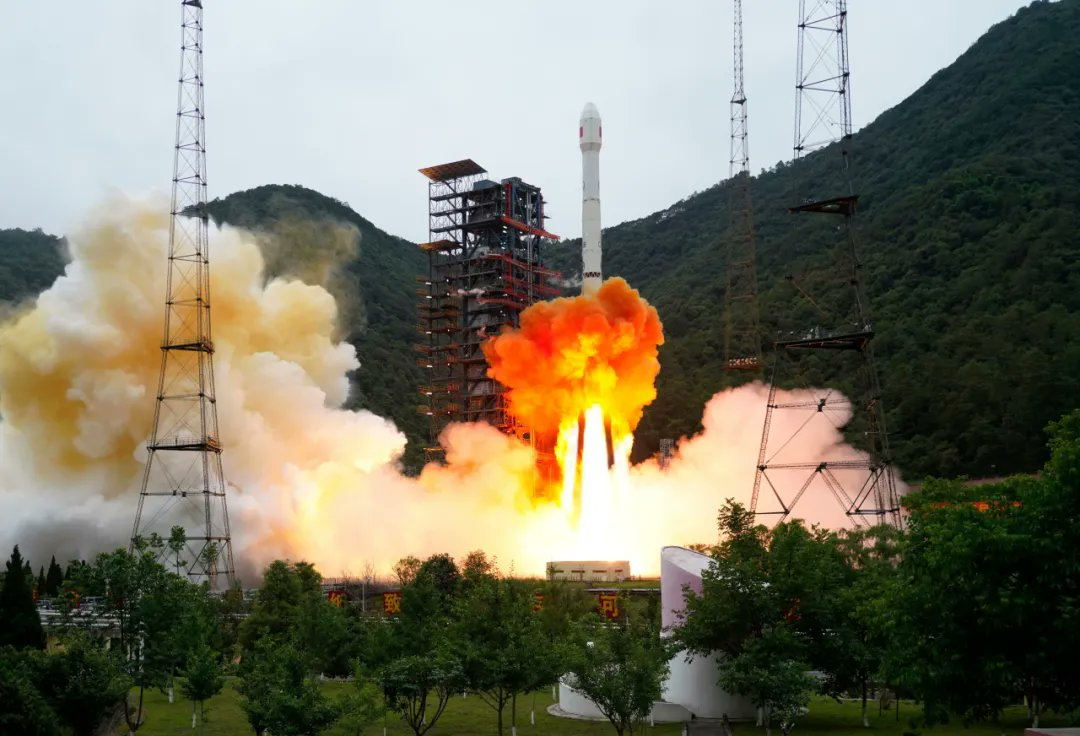
On June 16, at 5:45 p.m. CST, CASC launched a Long March 3B rocket from Launch Complex 2 (LC-2) at the Xichang Satellite Launch Center in China. The payload was the classified Shijian-31 satellite, officially described as being for space environment detection.
Photo: Andrew Jones (@AJ_FI on X)
SatNet LEO Group 22 – CASC
On June 17, at 10:44 a.m. CST, CASC launched a Long March 12 rocket from Launch Complex 2 (LC-2) at the Wenchang Space Launch Site in China. It carried 9 satellites for the Chinese SatNet low-Earth orbit satellite internet constellation.
Photo: Guppy@ロケみる集会 (@vr_guppy on X)
CentiSpace-1 Group 05 – ExPace
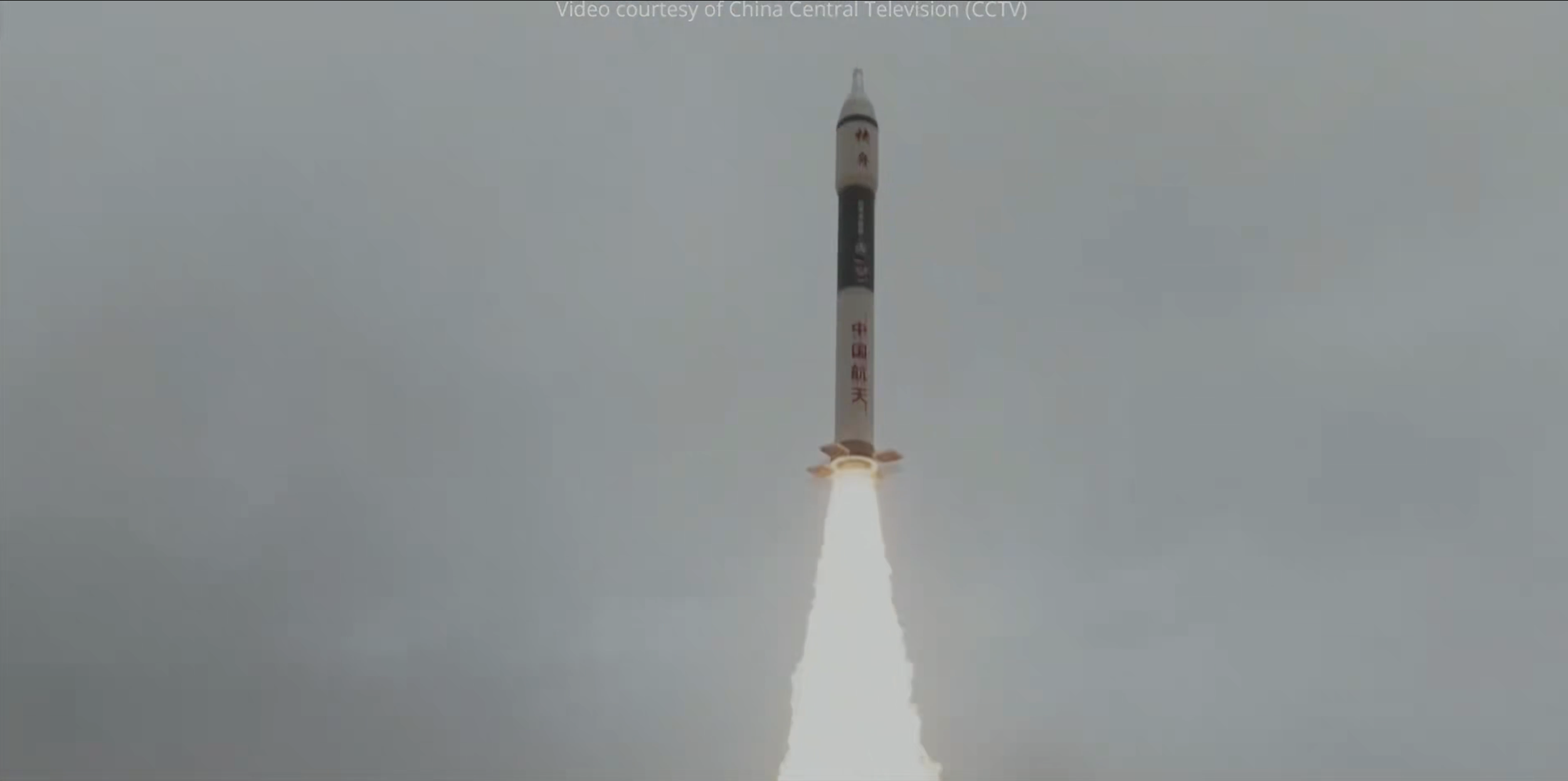
On June 17, at 11:58 a.m. CST, ExPace launched a Kuaizhou 11 rocket from Site 95A at the Jiuquan Satellite Launch Center in China. It carried 8 satellites for the CentiSpace-1 constellation, designed for GNSS navigation augmentation and positioning, navigation, and timing enhancement services.
Photo: CCTV News (China Central Television News)
BlueBird 8-10 – SpaceX
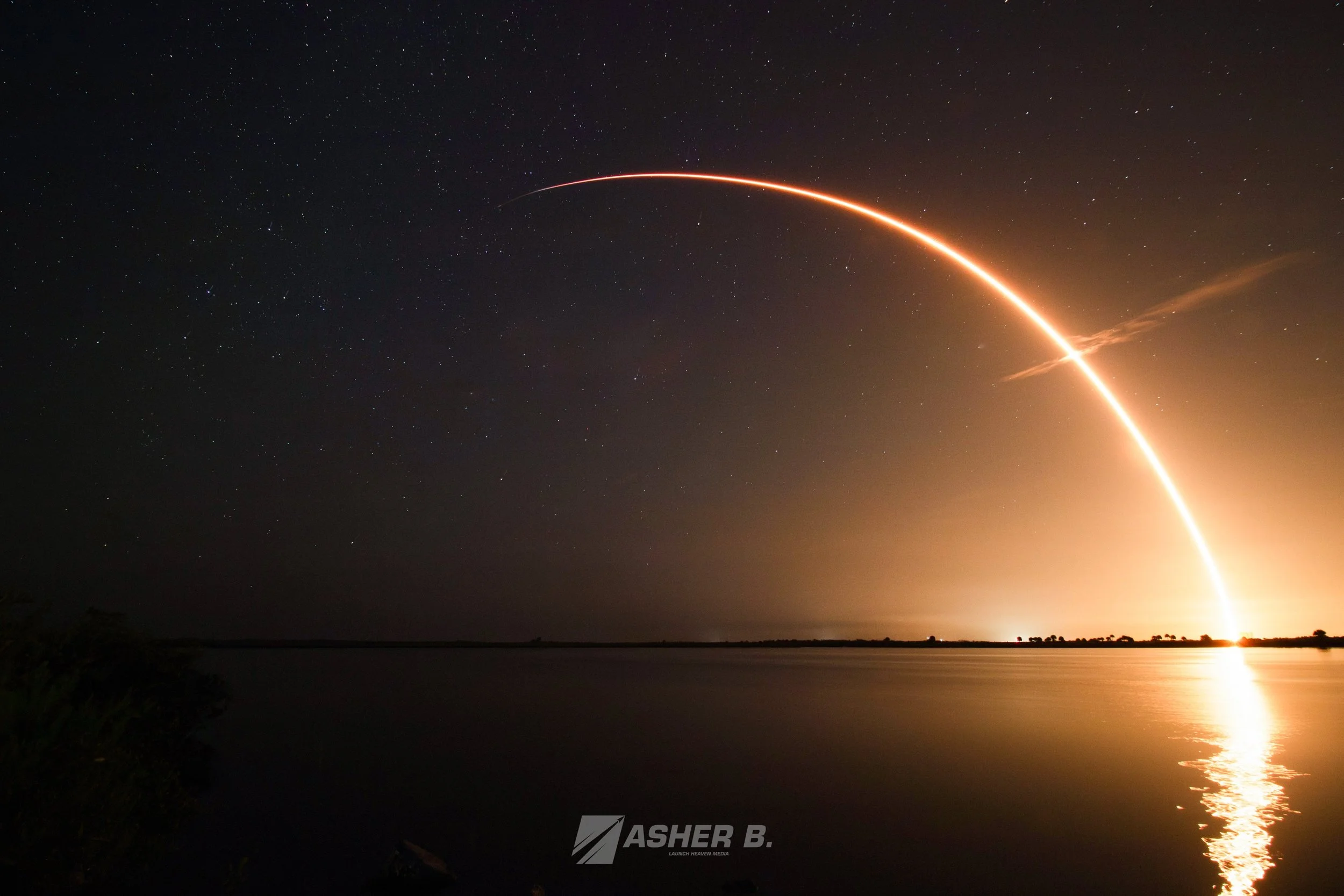
On June 17, at 2:39 a.m. EDT, SpaceX launched 3 satellites (BlueBird 8, 9, and 10) for AST SpaceMobile to advance their direct-to-cell broadband services. The mission lifted off from Space Launch Complex 40 at Cape Canaveral Space Force Station in Florida. The Falcon 9 first stage B1077 flew its 29th mission and landed on the A Shortfall of Gravitas droneship.
Photo: Asher B. for Launch Heaven
Amazon Leo LE-03 – Arianespace
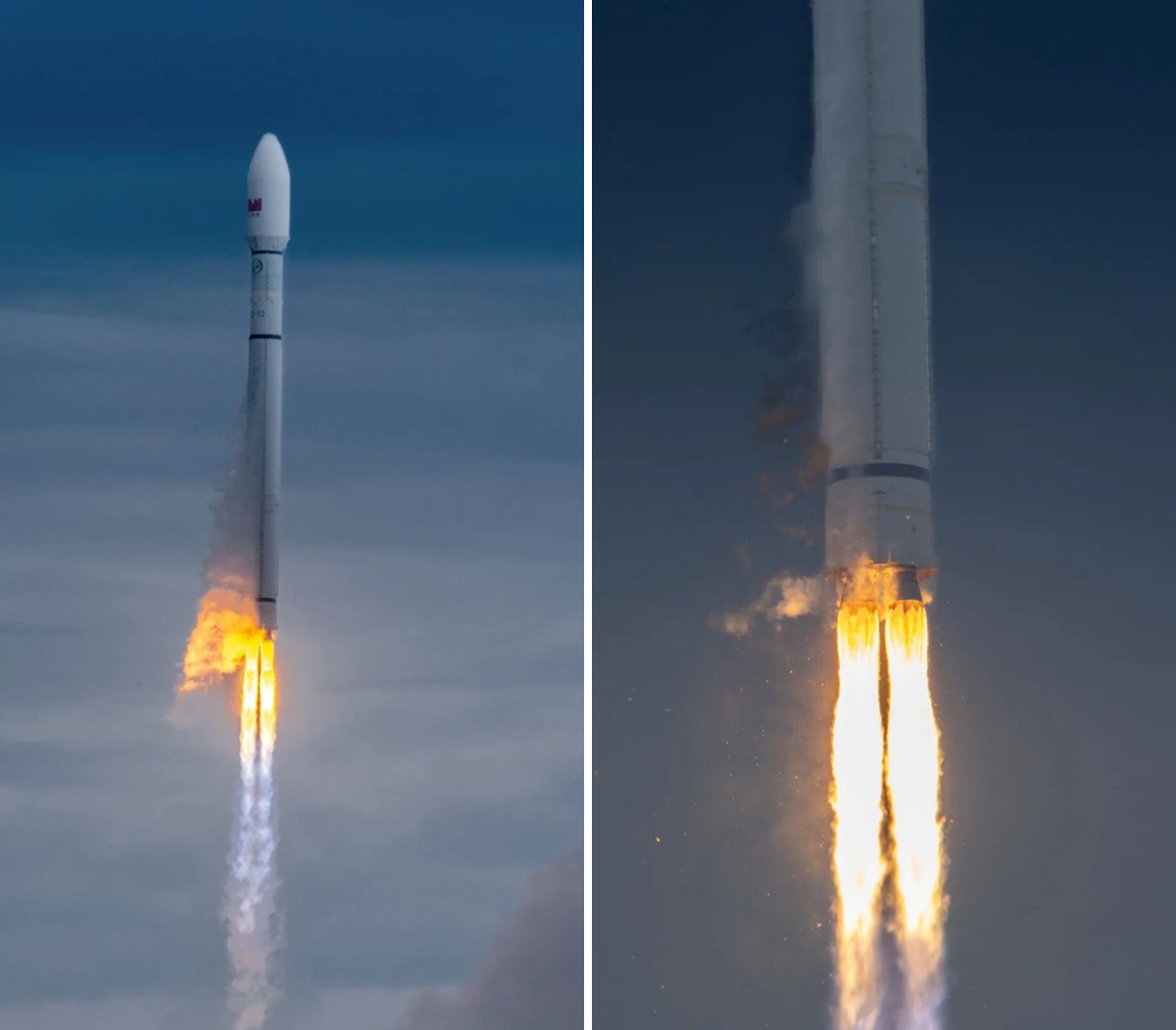
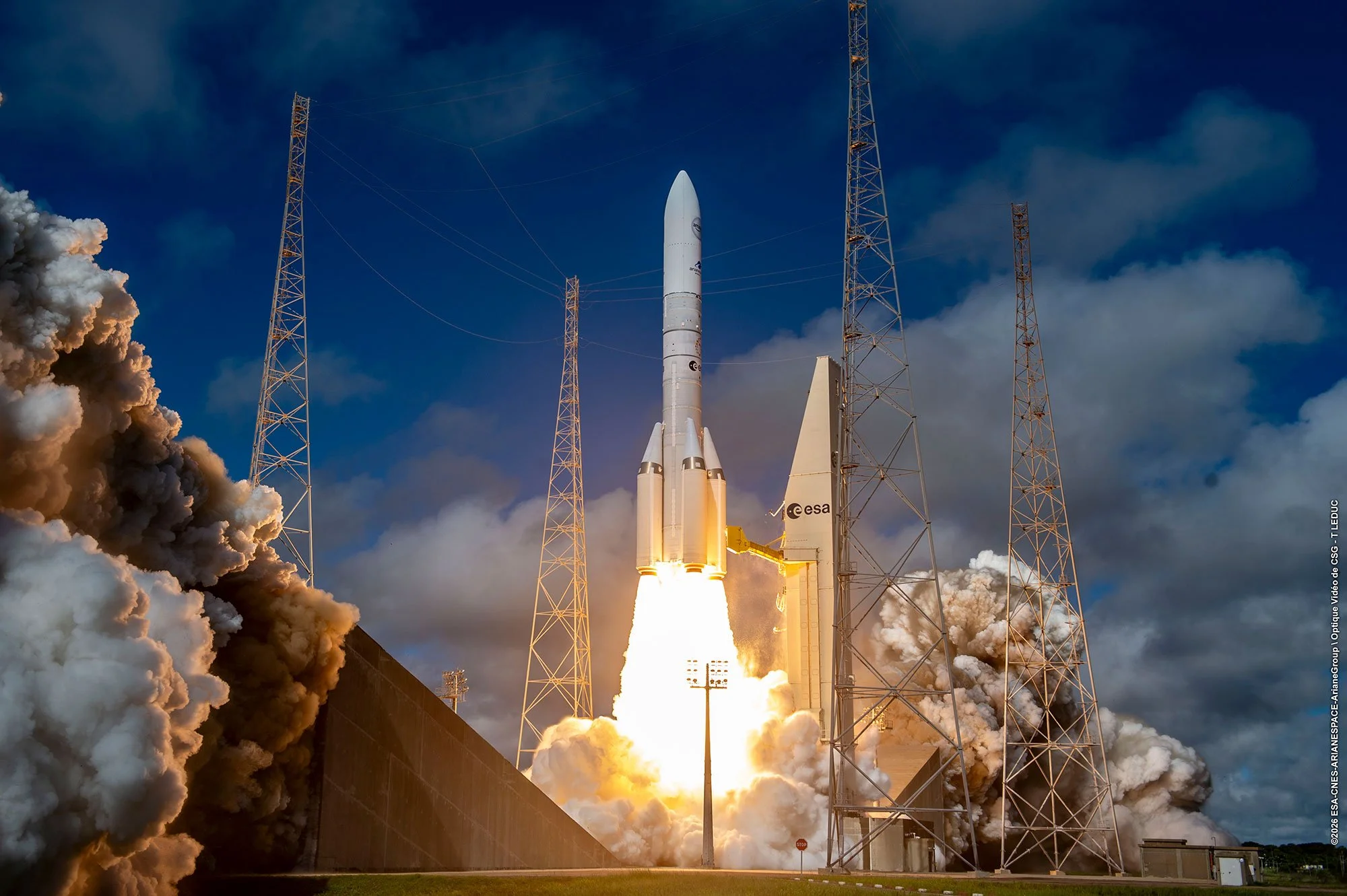
On June 17, at 9:21 a.m. GFT, Arianespace launched an Ariane 64 rocket from ELA-4 at the Guiana Space Centre in Kourou, French Guiana. This was the debut flight of the upgraded P160C solid rocket boosters on the Ariane 64 configuration (with four boosters). It carried 36 Amazon Leo satellites to low Earth orbit.
Photo: ESA (European Space Agency)
NROL-179 – SpaceX
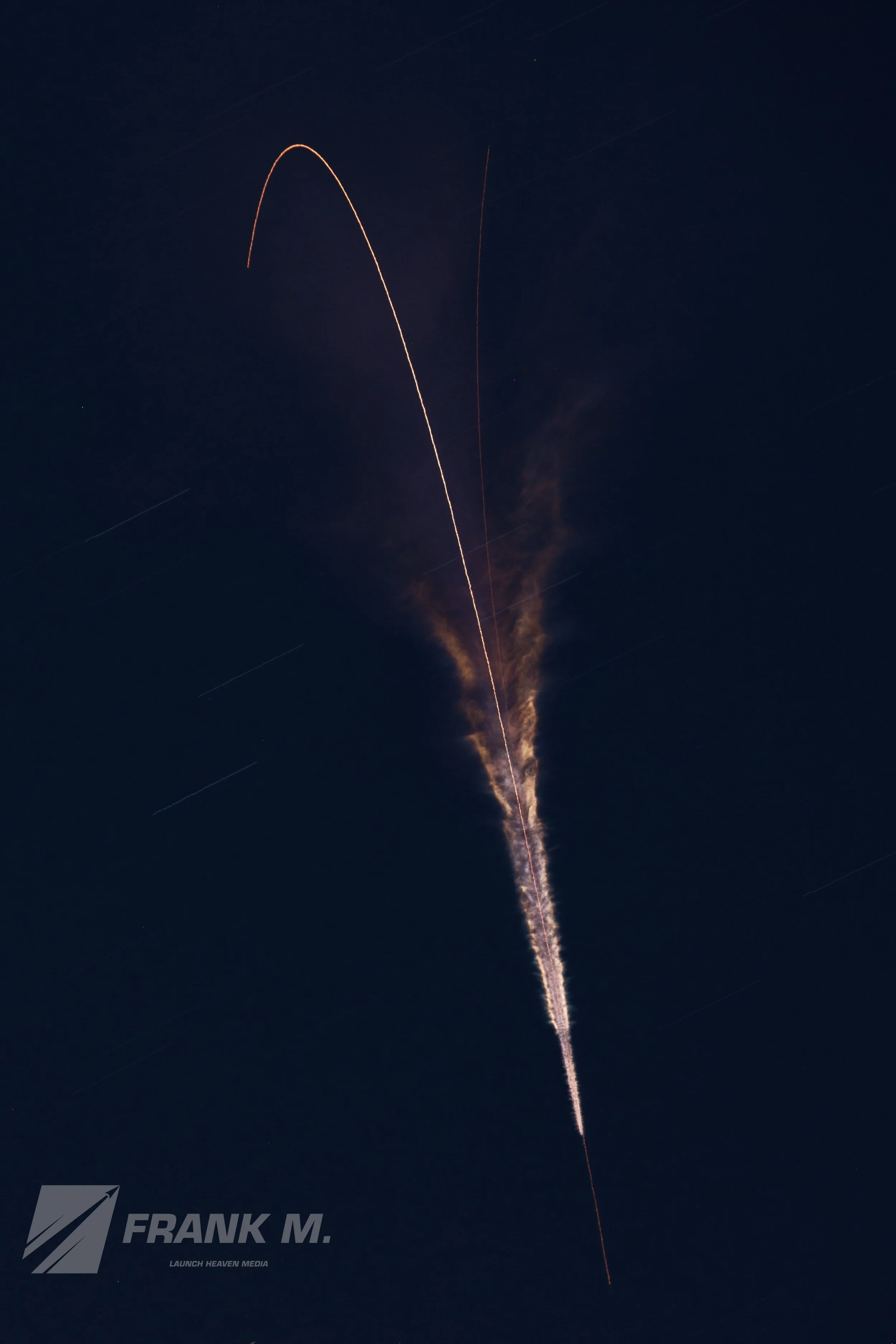
On June 19, at 1:50 a.m. PDT, SpaceX launched the NROL-179 mission for the National Reconnaissance Office (NRO). The Falcon 9 lifted off from Space Launch Complex 4 East at Vandenberg Space Force Base in California. The first stage B1103 flew its third mission and landed on Landing Zone 4 (LZ-4).
Photo: Frank M. for Launch Heaven
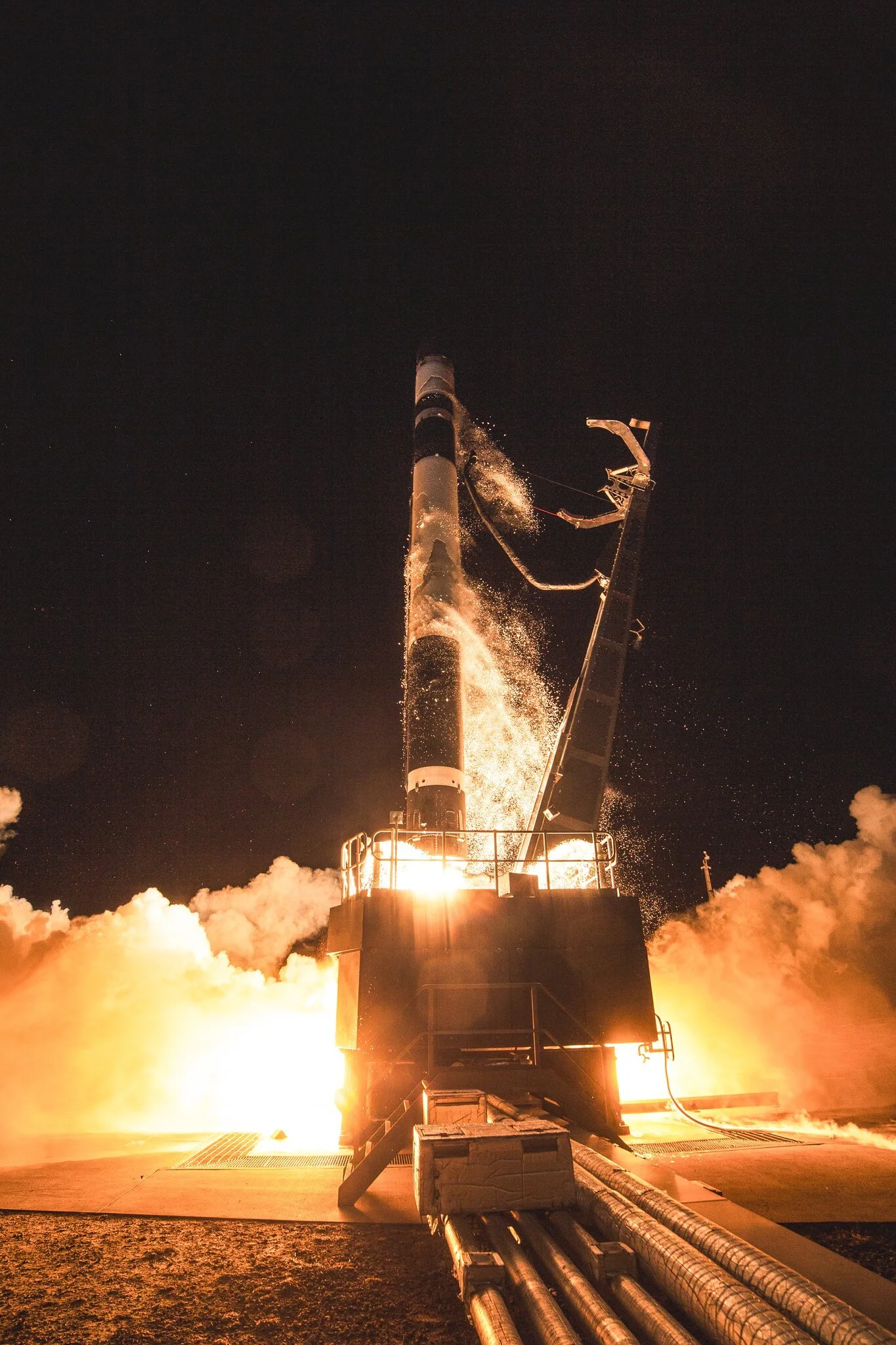
VICTUS HAZE – Rocket Lab
On June 19, Rocket Lab surprised us all by launching the U.S. Space Force’s VICTUS HAZE mission from Launch Complex 1 (LC-1) in Mahia, New Zealand, aboard an Electron rocket at 10:19 p.m. NZST. This was a tactically responsive space mission with the launch occurring just 16 hours and 42 minutes after receiving the Notice to Launch which is a new record that beat the previous mark set by Firefly’s VICTUS NOX mission by 10 hours. The primary objective of this mission is to demonstrate Rendezvous and Proximity Operations (RPO), including tracking and rendezvousing with another spacecraft in orbit.
Photo: RocketLab
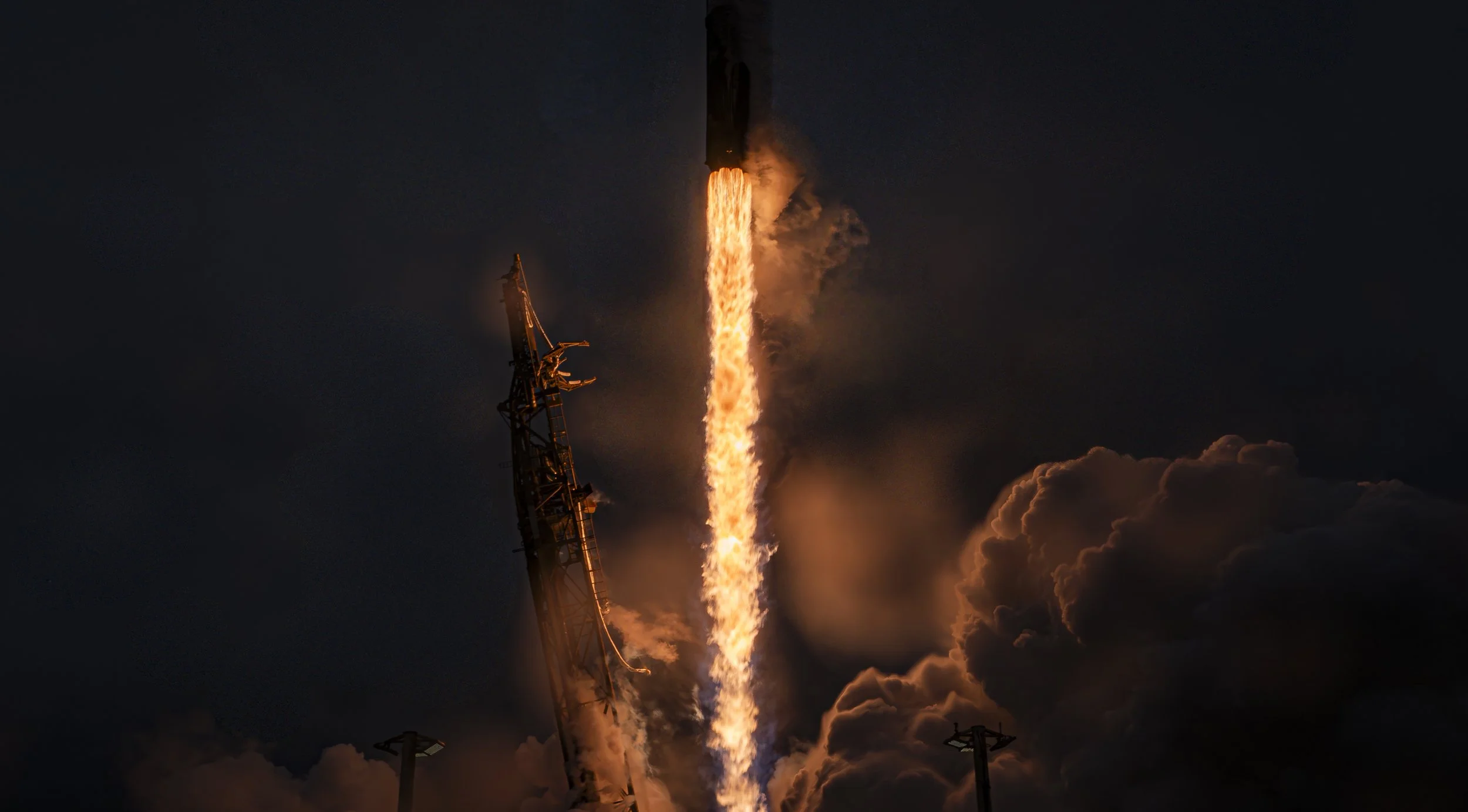
Starlink Group 17-28 – SpaceX
On June 21, at 9:39 a.m. PDT, SpaceX launched the Starlink Group 17-28 mission from Space Launch Complex 4 East at Vandenberg Space Force Base in California. The Falcon 9 first stage B1063 flew its 33rd mission and landed on the Of Course I Still Love You (OCISLY) droneship.
Photo: SpaceX
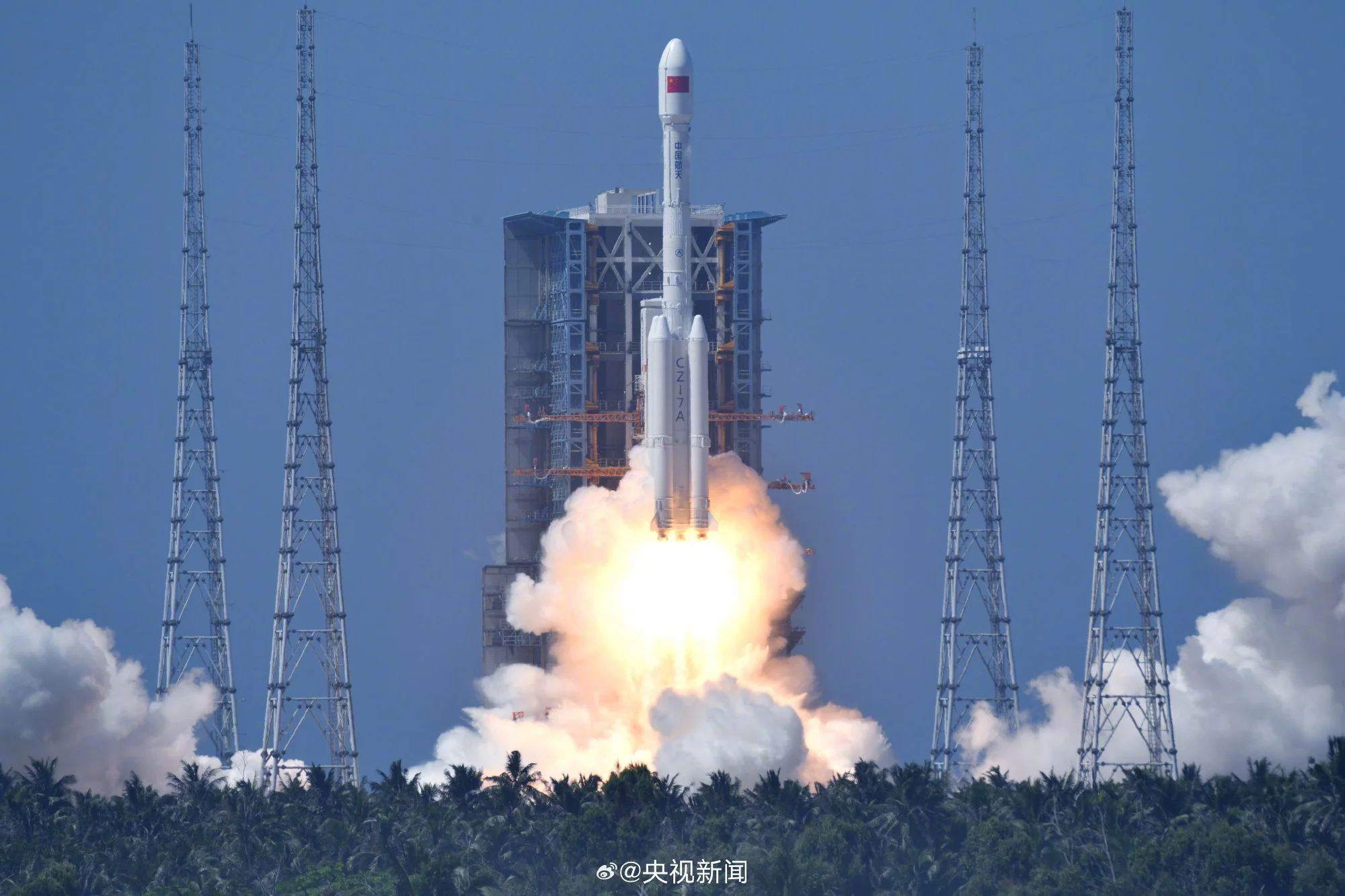
TJSW-26A – CASC
On June 23, at 10:10 a.m. CST, CASC launched a Long March 7A rocket from Launch Complex 201 at the Wenchang Space Launch Site in China. It carried the TJSW-26A (Communication Technology Test Satellite) which is a classified/unknown communication satellite.
Photo: CCTV News (China Central Television News)