NASA’s SLS MOON ROCKET ROLLING BACK TO THE VAB
NASA’s SLS rocket continues to be plagued with issues. Even after a 2nd Wet Dress Rehearsal that went smoothly, they have once again encountered more repeated issues with the vehicle, explained below.
The 1st WDR for Artemis II occurred on February 2nd, 2026 and unfortunately NASA encountered very similar problems. The engineers were perplexed. A vehicle that they had been assembling for the past 4 years is having the same issues as their first vehicle. It seemed like none of these issues were corrected from Artemis I to Artemis II.
The quick disconnect arm that attaches the liquid fuel (hydrogen) lines to the bottom of the rocket were leaking at higher than acceptable rates. There are two of these lines, one is 8 inches wide for filling and draining the main tank, the other 4 inches wide for venting the hydrogen that turns to gas (called boil off). The liquid hydrogen is kept at extremely cold temperatures (minus 423 degrees Fahrenheit) and as a consequence, all of the pipes get this cold as well. This causes metal to shrink and seals to freeze, which can cause leaks in various parts of the system. There is an acceptable amount of leaking which is below 16% hydrogen around the cavity where the arm connects to the rocket but unfortunately this cavity was leaking at much higher rates during the Artemis II WDR. During the press conference following the WDR, Lori Glaze, NASA's Moon to Mars Program Manager, said they found moisture around the 8 inch line and small abrasions on the 4 inch line after WDR 1. Moisture can freeze causing a poor seal and hydrogen will definitely leak through any tiny scratches.
With this knowledge from their investigation, NASA engineers got to work mitigating these issues. The 2nd Wet Dress Rehearsal took place on February 19th, 2026 and this time it went much more smoothly. Charlie Blackwell-Thompson, Artemis Launch Director, spoke to this: “We saw maybe 1% or less in that 8 inch line in that interface, which is really solid, and then about 1.5% in the 4 inch line. Really no leakage to speak of. So the work that the team did paid off.”
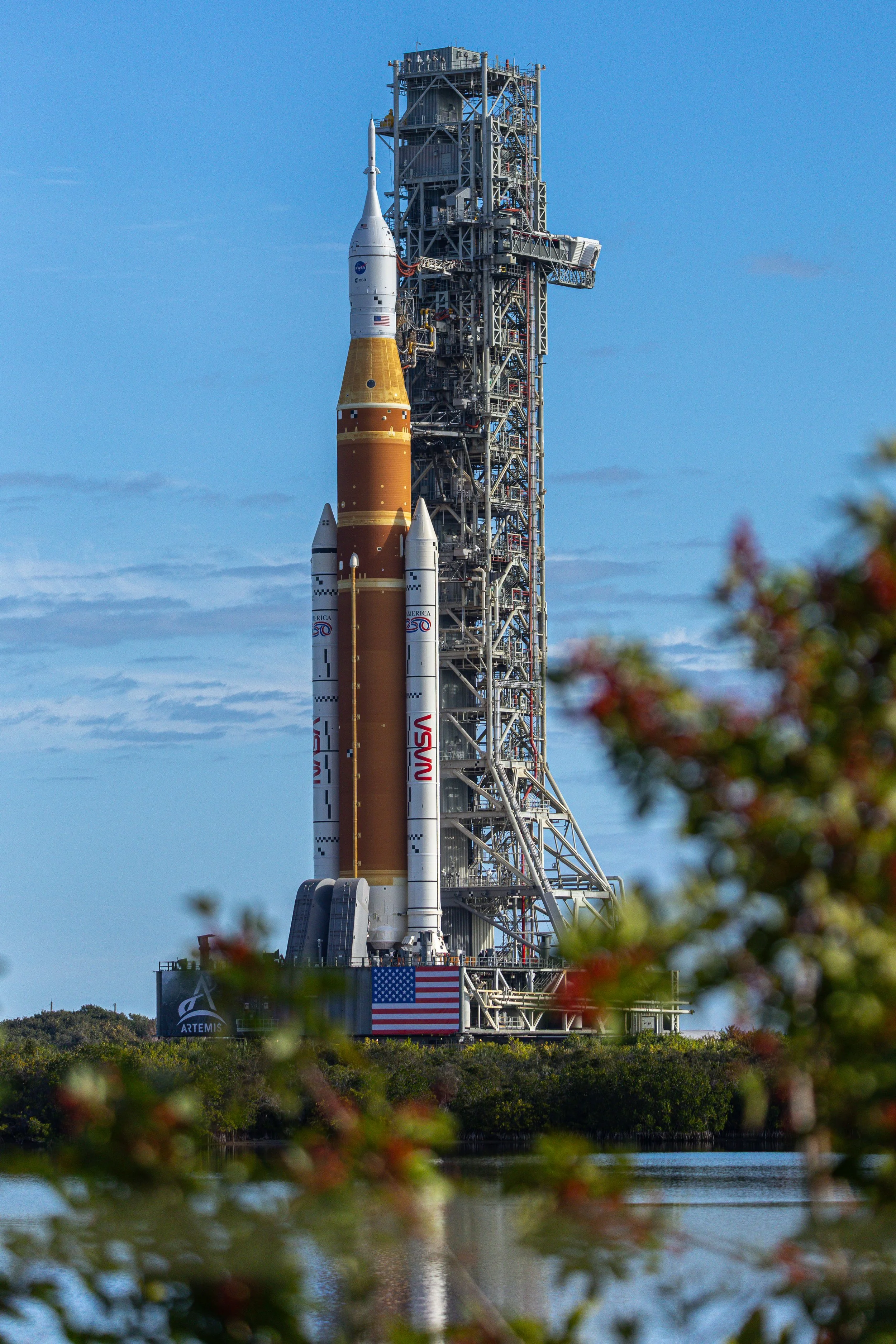
A few days after WDR 2, while trying to fill the helium tanks in the Interim Cryogenic Propulsion Stage (ICPS), which sits on top of SLS, engineers were unable to get helium to flow through the vehicle according to NASA Administrator Jared Isaacman on X. Jared also stated that there are a few potential fault areas including the QD arm and a final filter in the line. The only way to remediate these issues is to roll the vehicle back to NASA’s Vehicle Assembly Building, scheduled for NET February 25th. This rollback will most certainly impact the anticipated early March launch window, leading to early April being the most likely time for the launch of the Artemis II mission.
The low flight cadence and high expense of SLS continue to plague the Artemis program, making it harder to anticipate and mitigate issues that arise due to testing and/or normal operation. As NASA experiences these further delays and rolls its Moon Rocket back (again) to the VAB, it’s feared that it will become difficult for Congress to justify keeping this launch system around after Artemis III which is destined to be the first human Moon landing since 1972.
SLS - Photo By Austin S.