Weekly Spaceflight Update: July 20-27th
It was an action-packed week with launches from the US, China, and Russia. We also saw the successful launch of Starship. Read more below.
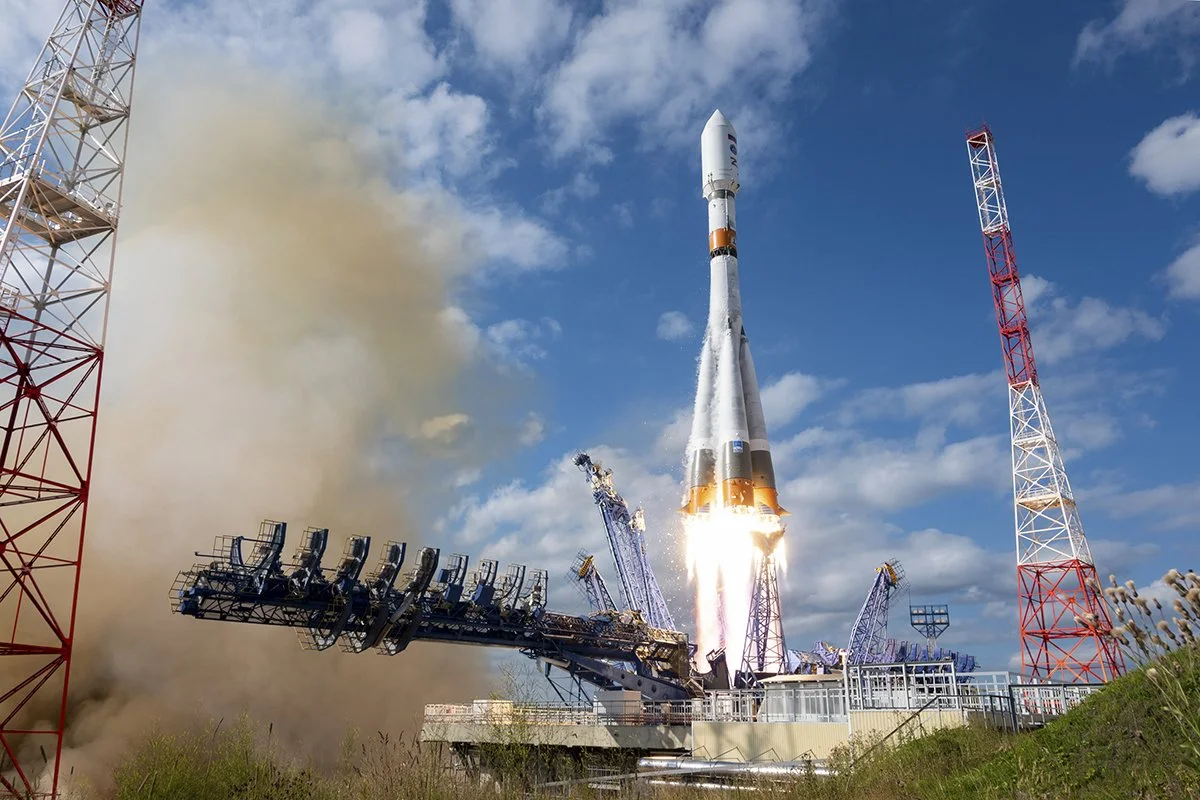
16 × Rassvet-3 — Roscosmos
On July 19th, Roscosmos launched 16 Rassvet-3 LEO satellites into orbit for high-speed internet access aboard a Soyuz-2.1b from LC-43/4 at the Plesetsk Cosmodrome.
Photo: Mil.ru
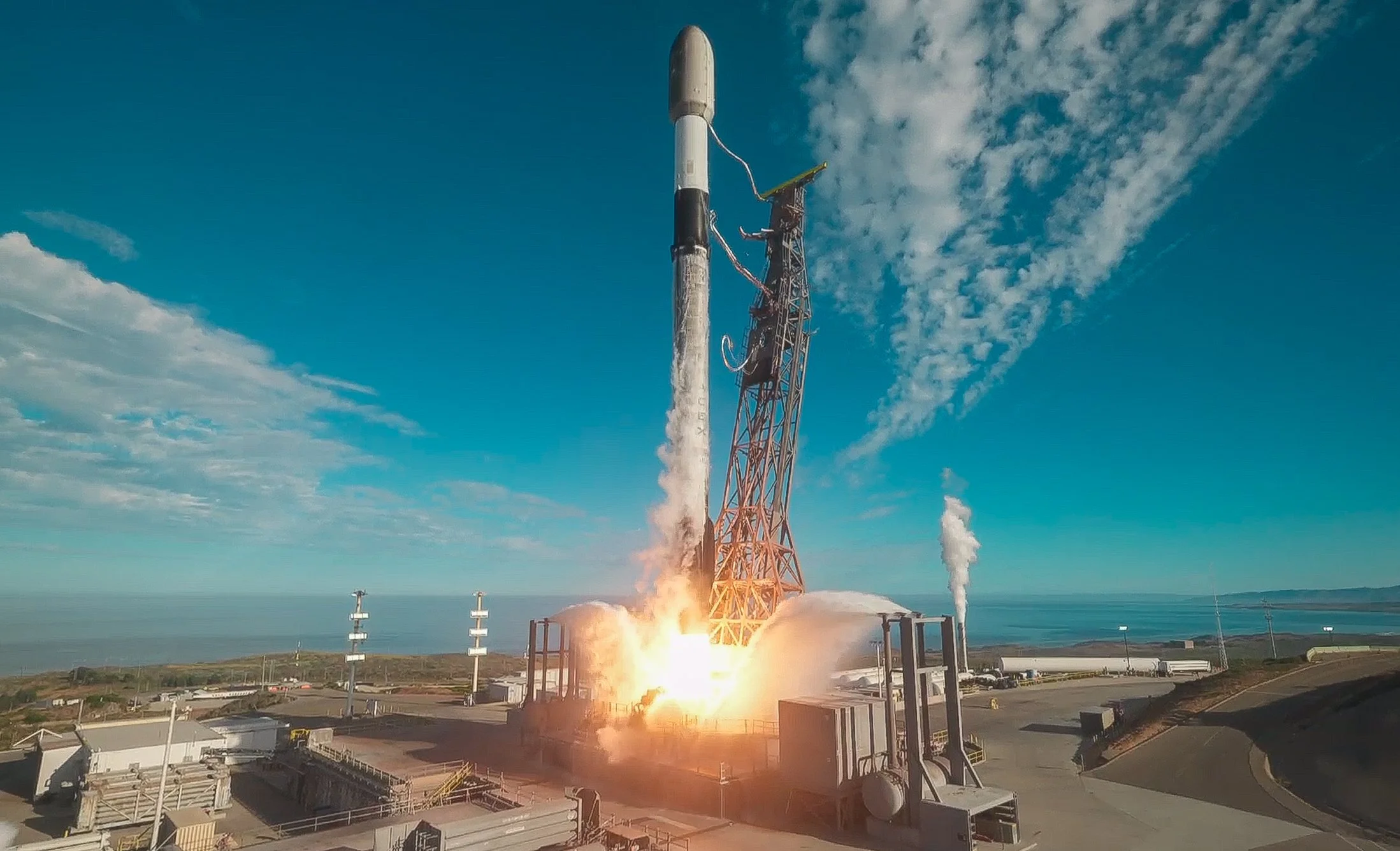
Starlink Group 17-39 — SpaceX
On July 21st at 7:49 a.m. PDT, SpaceX launched 24 Starlink satellites to orbit from SLC-4E at Vandenberg Space Force Base in California. The Falcon 9 first stage B1082 made its 23rd flight and landed on the Of Course I Still Love You droneship.
Photo: SpaceX
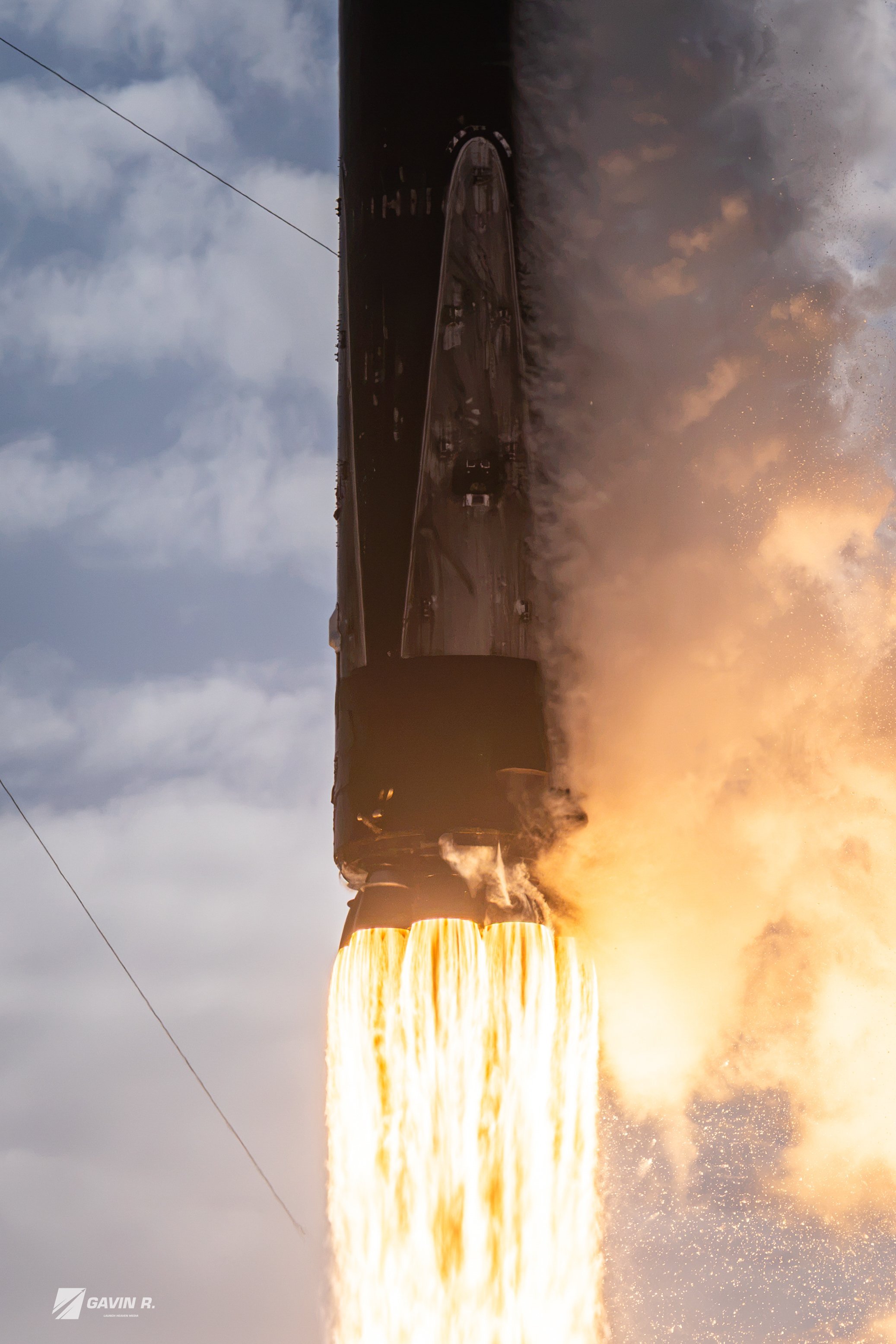
MRV-1 / MRV-MEP — SpaceX
On July 21st at 5:15 p.m. EDT, a Falcon 9 launched the Northrop Grumman MRV (Mission Robotic Vehicle) satellite to a geosynchronous transfer orbit along with its Mission Extension Pods from SLC-40 at Cape Canaveral Space Force Station. Falcon 9 booster B1069 made its 32nd and final flight and was expended due to mission requirements.
Read more here:
Photo: Gavin R. For Launch Heaven Media
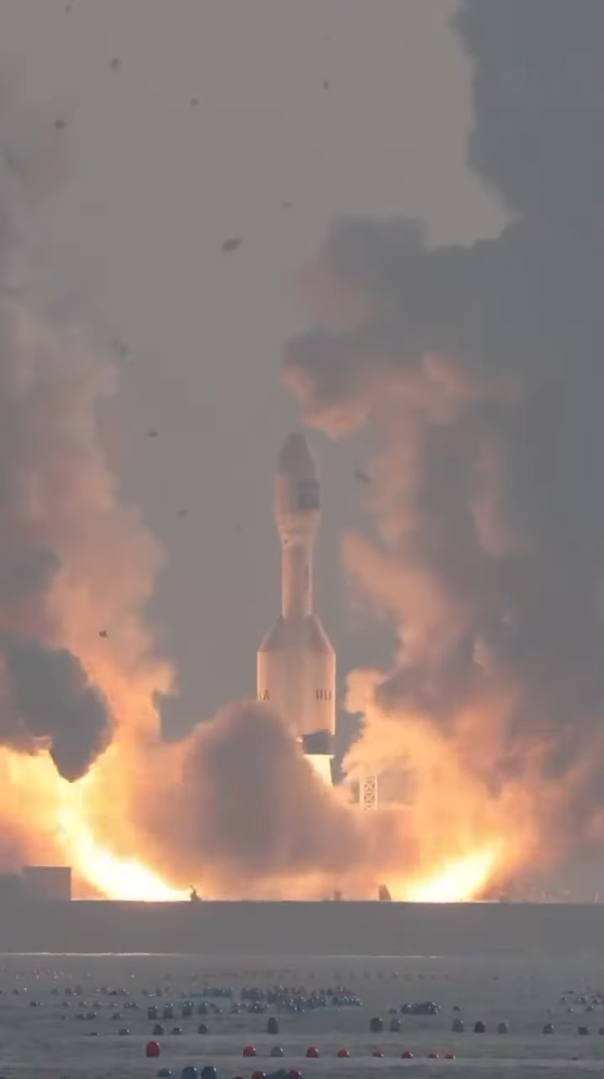
Gravity-1 — Orienspace
On July 22nd at 10:54 a.m. CST, Orienspace launched their Gravity-1 rocket carrying 9 satellites to orbit from a sea platform in the Yellow Sea near the Haiyang Oriental Spaceport.
Photo: CNSA Watcher - Archives
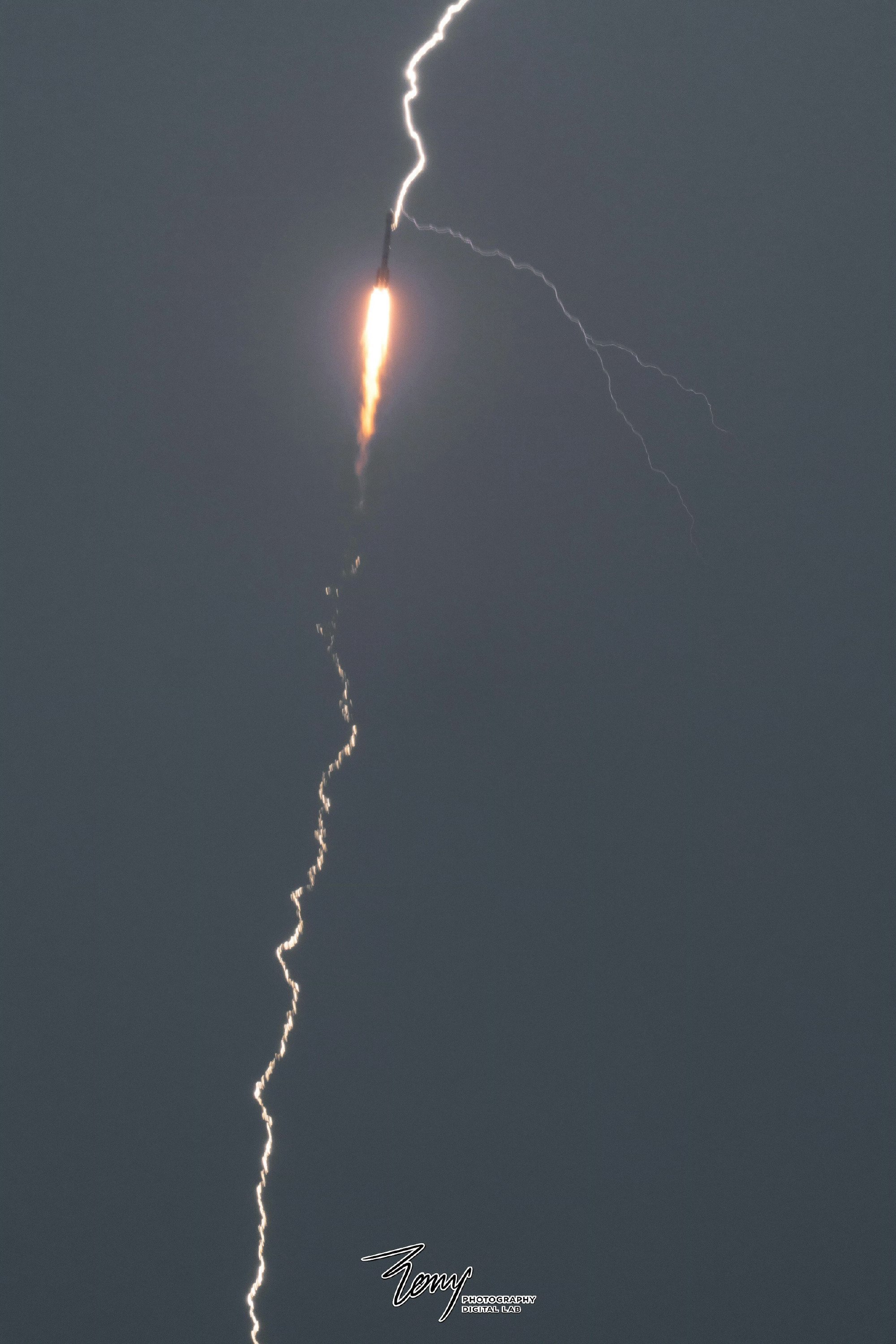
Tianlian-2-06 — CASC
On July 23rd at 8:00 p.m. CST, CASC launched a Long March 3B rocket from LC-2 at the Xichang Satellite Launch Center in China, carrying the Tianlian-2-06 satellite to geostationary transfer orbit to act as a relay satellite. Approximately 30–35 seconds into flight, the vehicle was struck by lightning but continued on its mission successfully.
Photo: Terry Photography Digital Lab
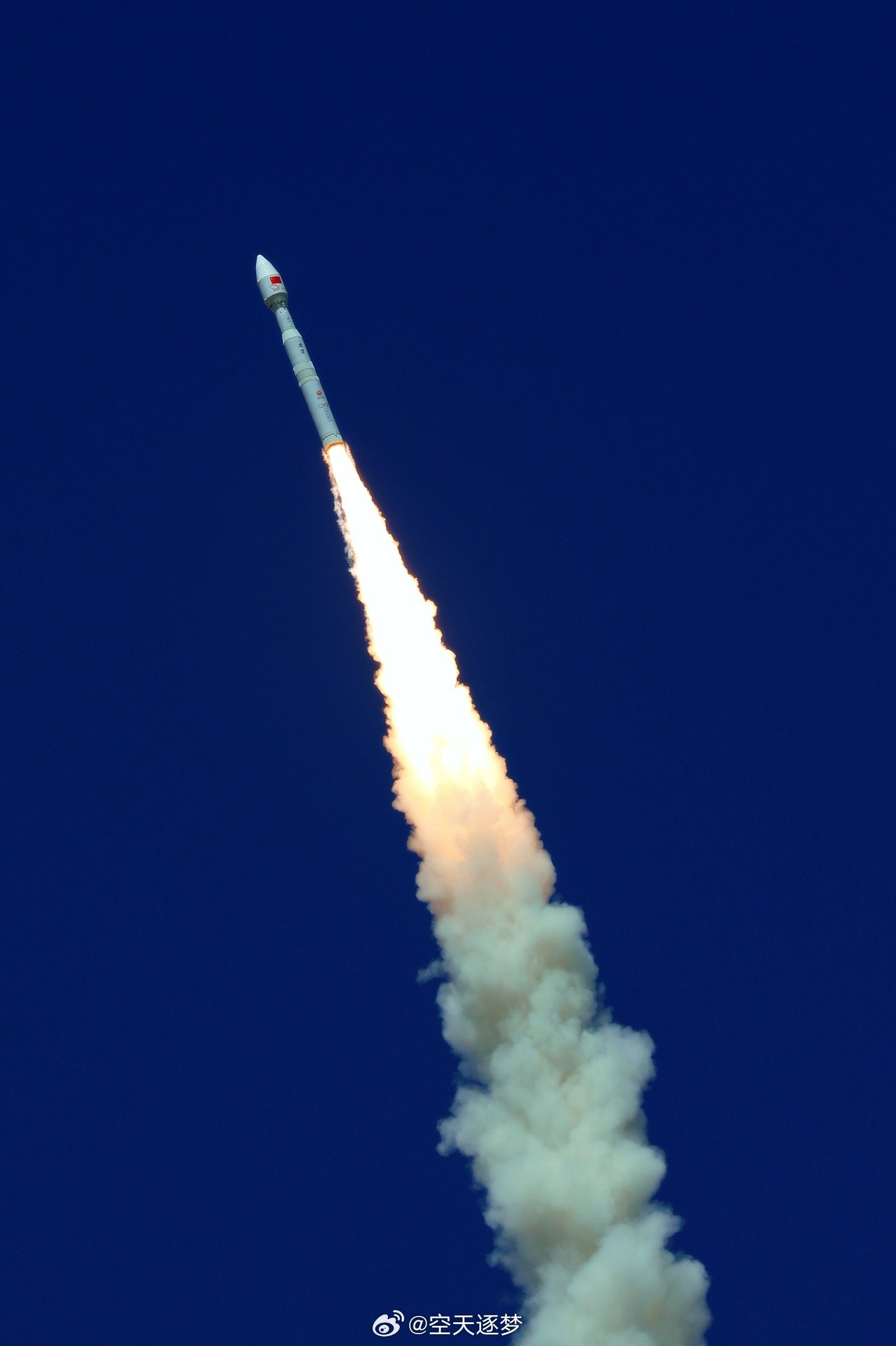
Kinetica-1 — CAS Space
On July 23rd at approximately 11:33 p.m. CST, CAS Space launched their Kinetica-1 rocket from Site 130 at the Jiuquan Satellite Launch Center in China. This mission carried 5 satellites to orbit.
Photo: @空天逐梦 (Weibo)
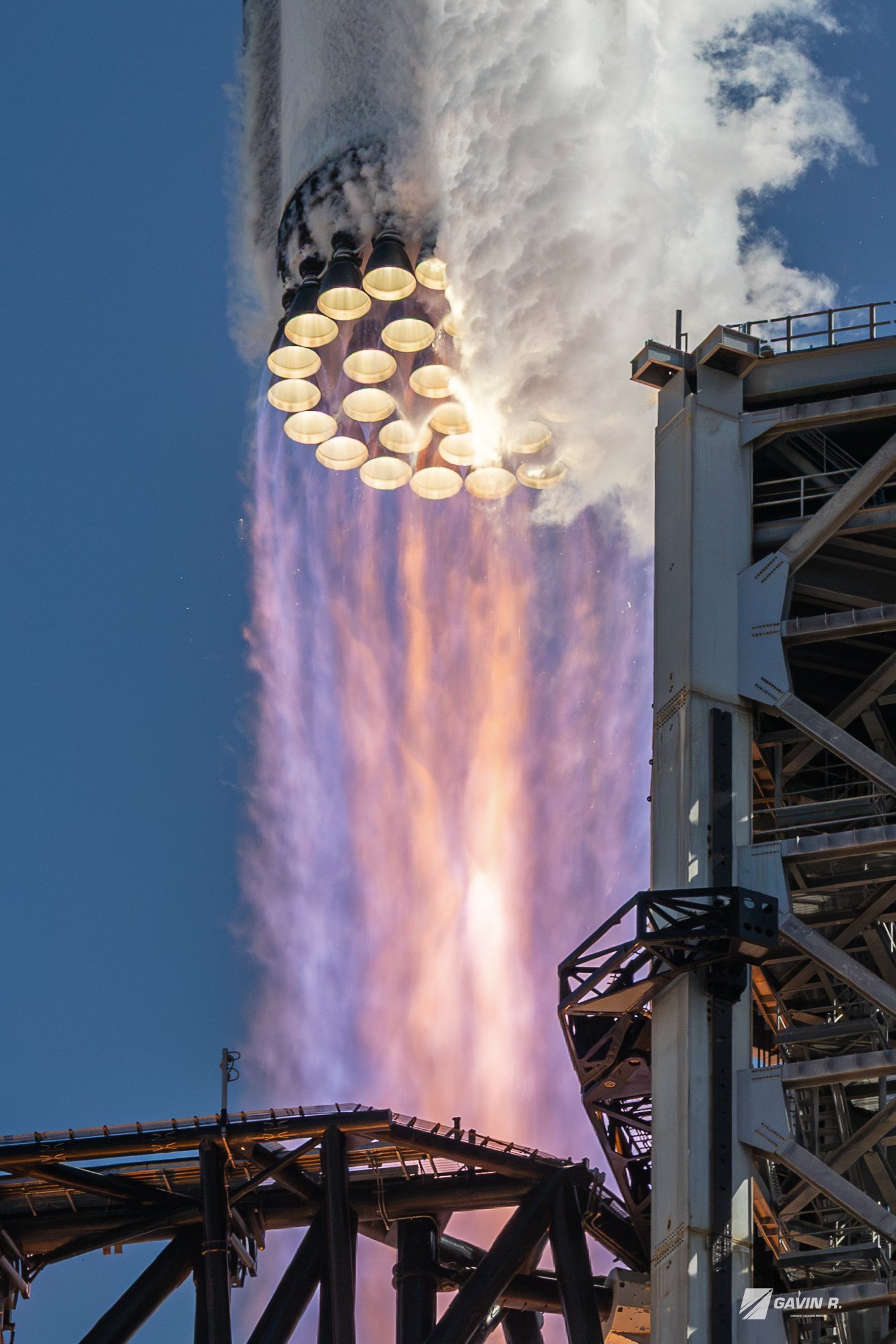
Starship Flight 13 — SpaceX
On July 24th at 5:51 p.m. CDT, after a delay from the day prior due to visibility concerns from a tropical system (heavy cloud cover that would not allow good tracking of the heat shield), SpaceX launched Starship on its 13th test flight. This launch also came after a last-second abort the week prior, which was caused by ice forming in the oxidizer turbopumps and required 6 engines on Booster 20 to be swapped. Before attempting a launch, these engines conducted a spin prime to test these turbopumps.
After a successful liftoff, the booster completed a successful ascent burn, but the boostback burn ended early. Ship 40 continued on its trajectory without issues. The booster ignited some engines for its landing burn but lost several on the way down, resulting in a hard splashdown in the Gulf of Mexico.
Ship 40 successfully deployed the first 20 Starlink V3 satellites, which SpaceX confirmed made contact. The ship also completed a successful in-space Raptor relight demonstration, paving the way for future orbital missions. Shortly afterward, Ship 40 made a successful reentry and soft splashdown in the Indian Ocean, where it surprisingly remained intact after tipping over. This allows the team to fully assess the heat shield for the first time. It is speculated that they may tow the ship back to Australia for further review.
On X shortly after launch, Elon Musk said they may attempt to catch the ship on the next test flight.
You can read the full mission article here:
Photo: Gavin R. For Launch Heaven Media
Starlink Group 17-51 — SpaceX
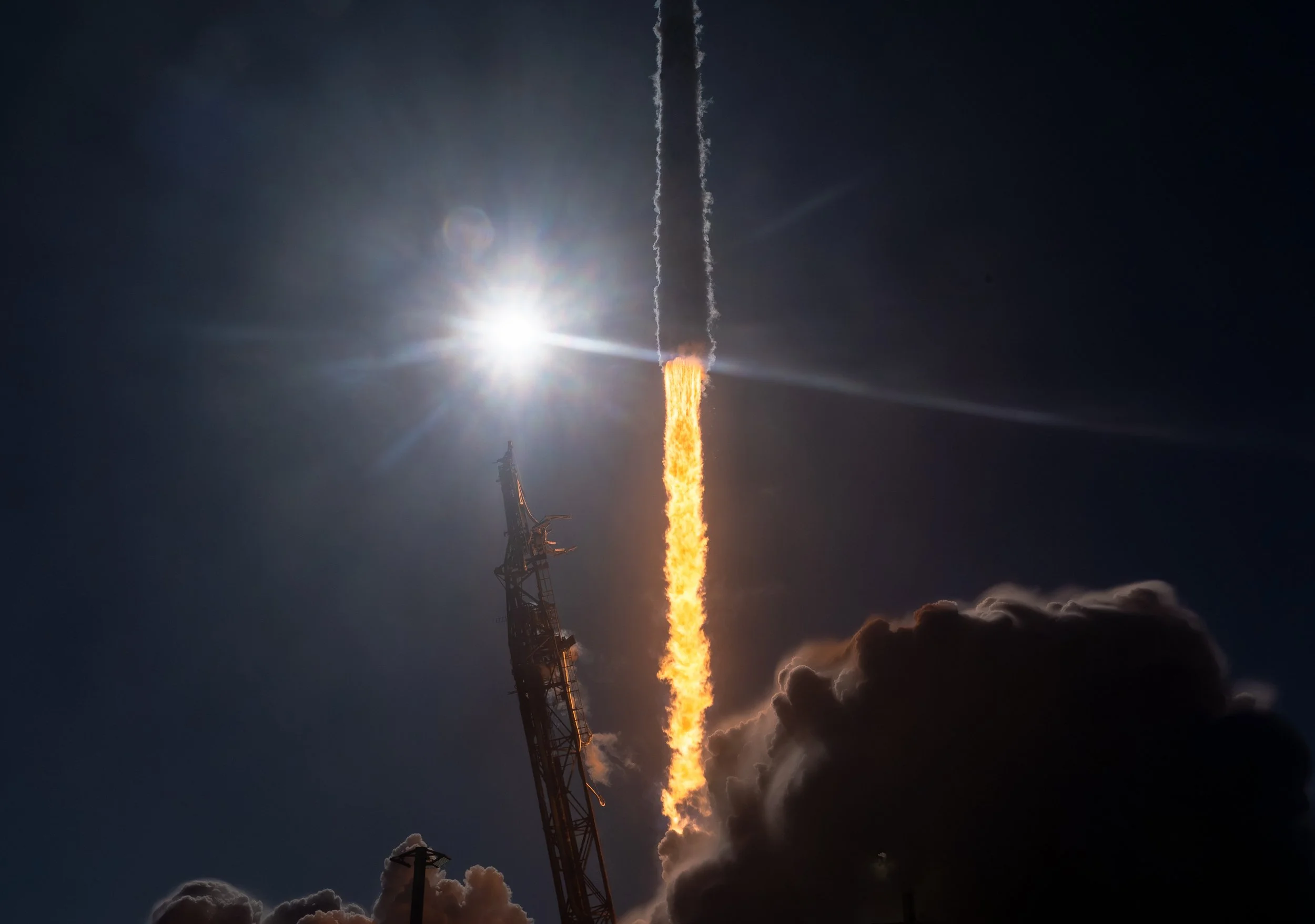
On July 25th at 8:51 a.m. PDT, SpaceX launched another batch of 24 Starlink satellites from SLC-4E at Vandenberg Space Force Base in California. Falcon 9 booster B1100 made its 8th flight and landed on the Of Course I Still Love You droneship.
Photo: SpaceX