Weekly Spaceflight Update: April 26 – May 3rd
The week of April 26th-May 3rd was very busy. Here is the rundown of everything that occurred.
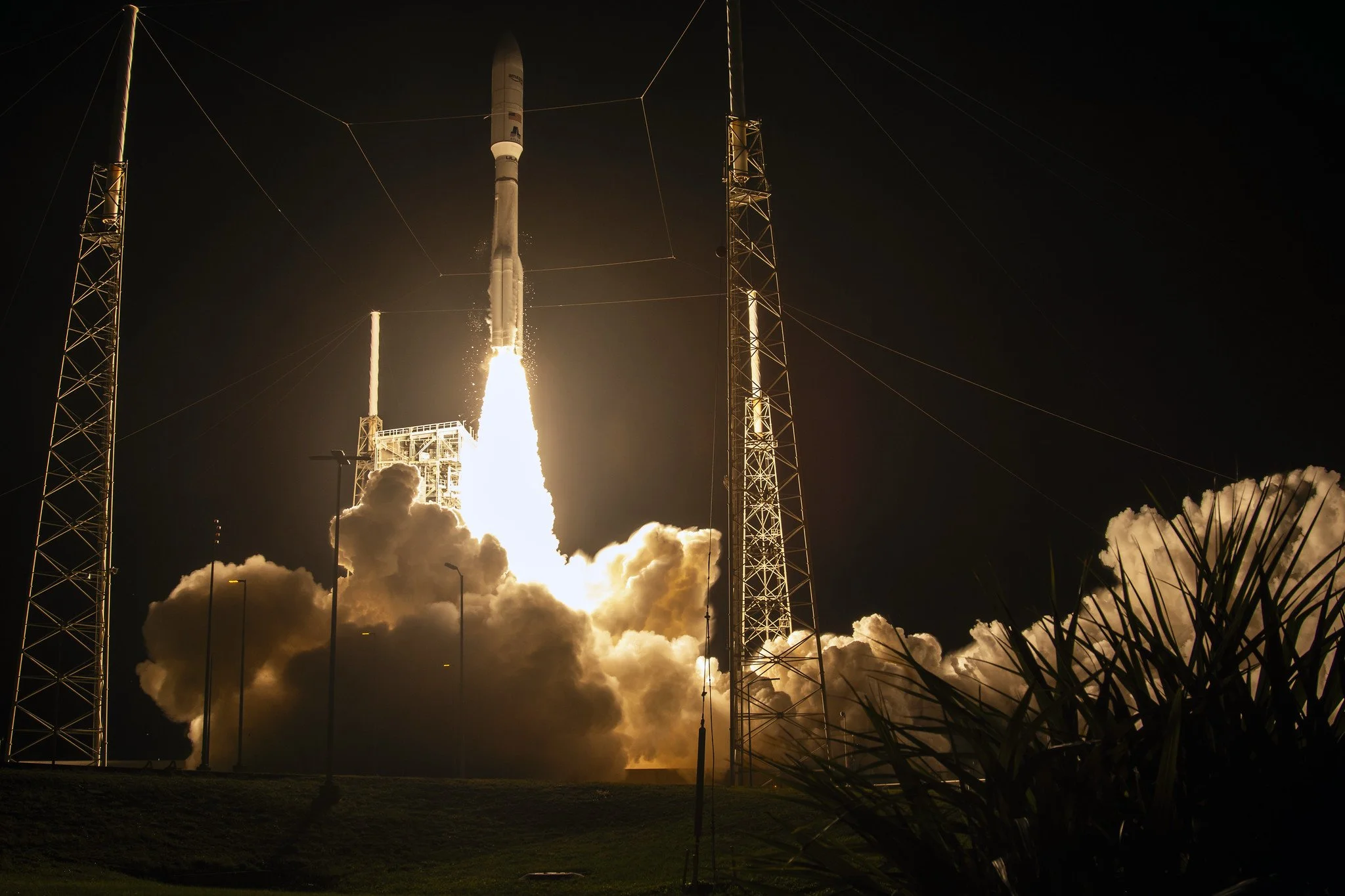
Amazon Leo (LA-06) — On April 27th, at 8:53 p.m. EDT, United Launch Alliance (ULA) launched another batch of 29 Amazon Leo satellites to low Earth orbit aboard an Atlas V rocket in the 551 configuration from Space Launch Complex 41 at Cape Canaveral Space Force Station in Florida. This was one of the final launches of this configuration, with only two launches left for this variant in the future.
Image Credit: ULA
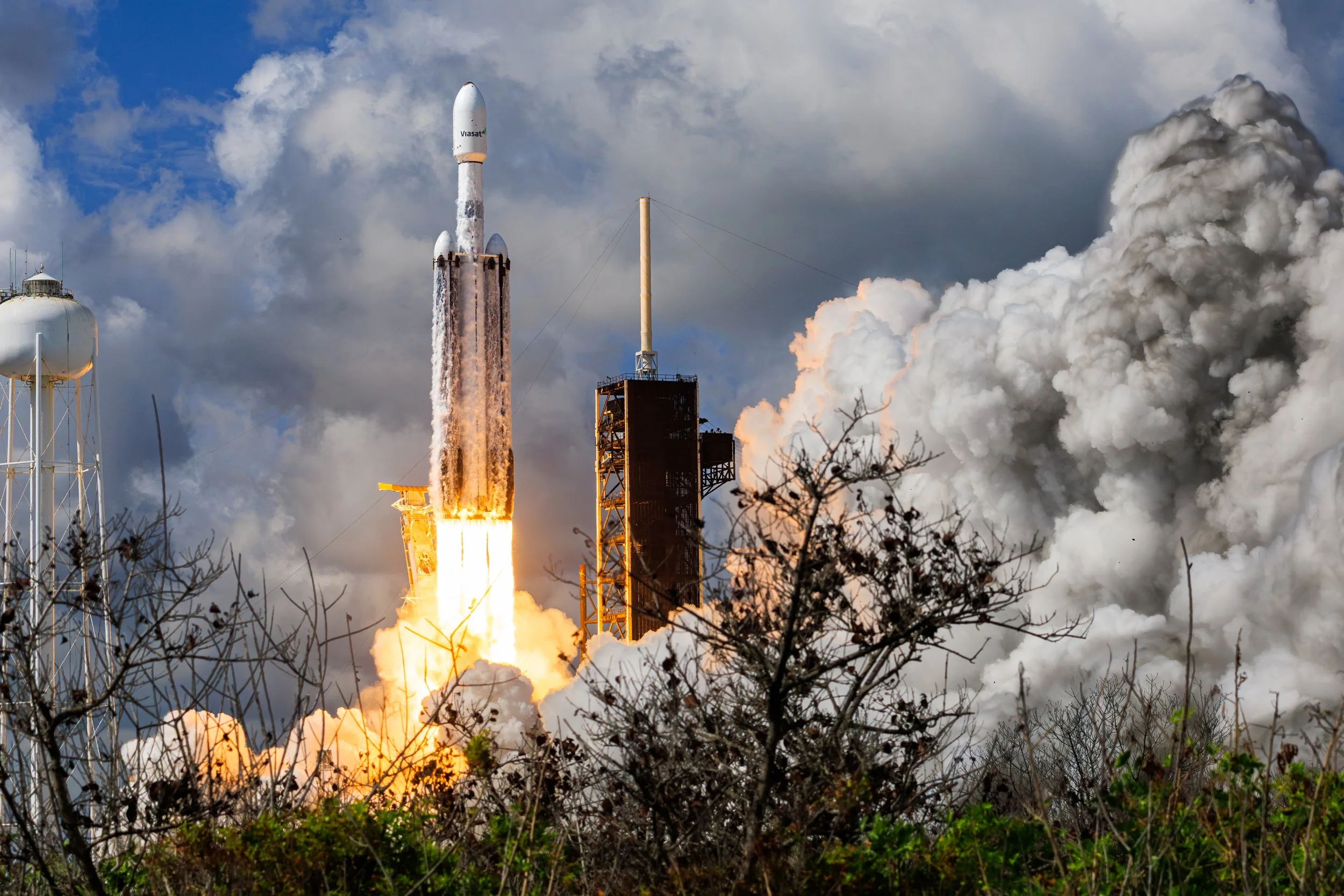
ViaSat-3 F3 — On April 29th, at 10:13 a.m. EDT, Falcon Heavy returned after an approximately 18-month hiatus to deliver the third (and final) ViaSat-3 satellite to geosynchronous transfer orbit. Both side boosters were reused (one on its second flight and one on its 22nd flight). They later landed successfully at Landing Zones LZ-40 and LZ-2 shortly after launch. The center core was expended due to performance requirements and reentered the atmosphere.
Read the full mission article here: SpaceX Launches Falcon Heavy April 29th Carrying ViaSat-3 F3 Satellite — Launch Heaven Media Inc
Image Credit: Alex L.
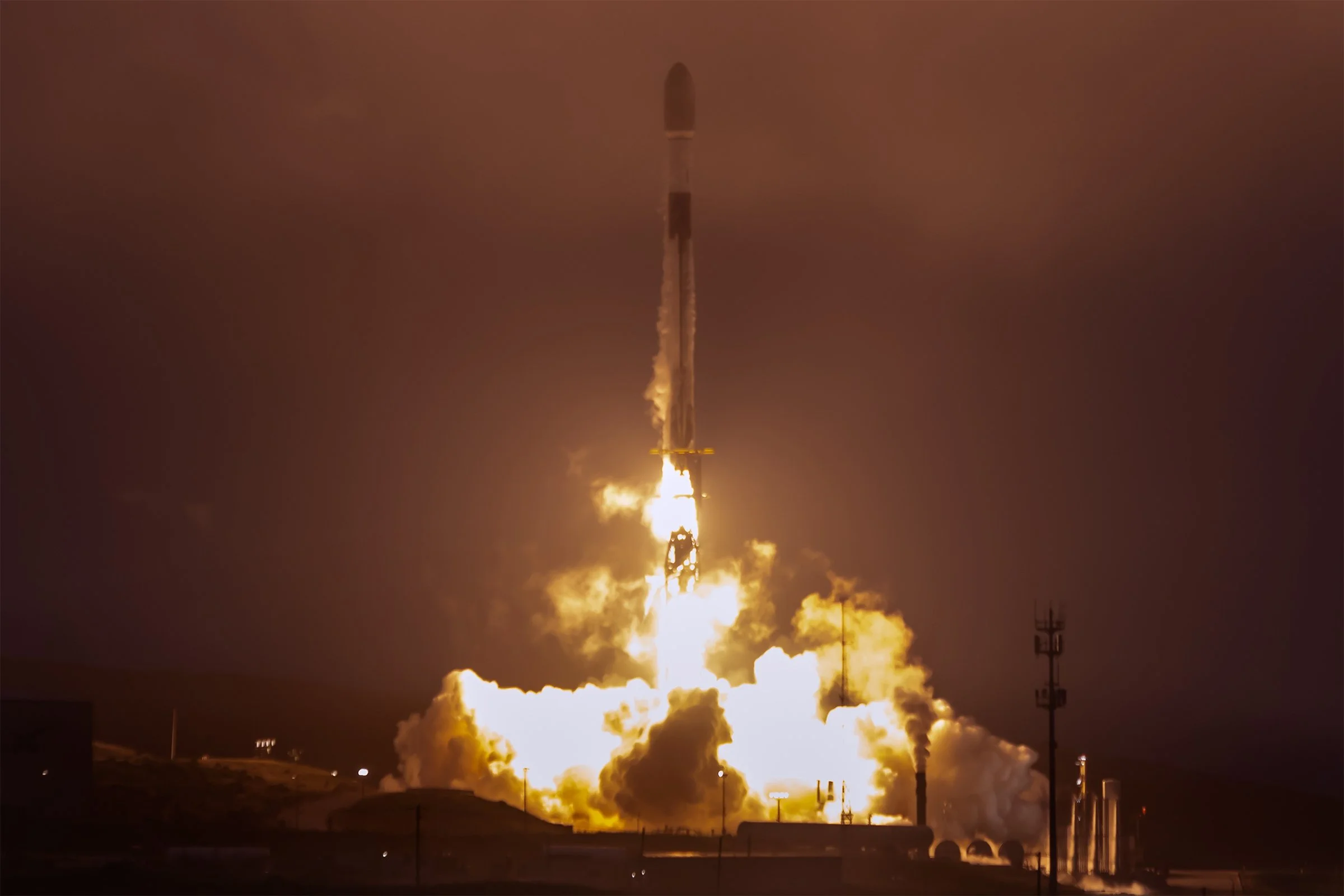
Starlink Group 17-36 — On the same day as Falcon Heavy, SpaceX launched another batch of Starlink satellites aboard a Falcon 9 rocket from Space Launch Complex 4E (SLC-4E) at Vandenberg Space Force Base in California, at 7:42 p.m. PT. The booster supporting this mission (B1093) made its 13th flight and landed on the droneship Of Course I Still Love You in the Pacific Ocean.
Image Credit: SpaceX
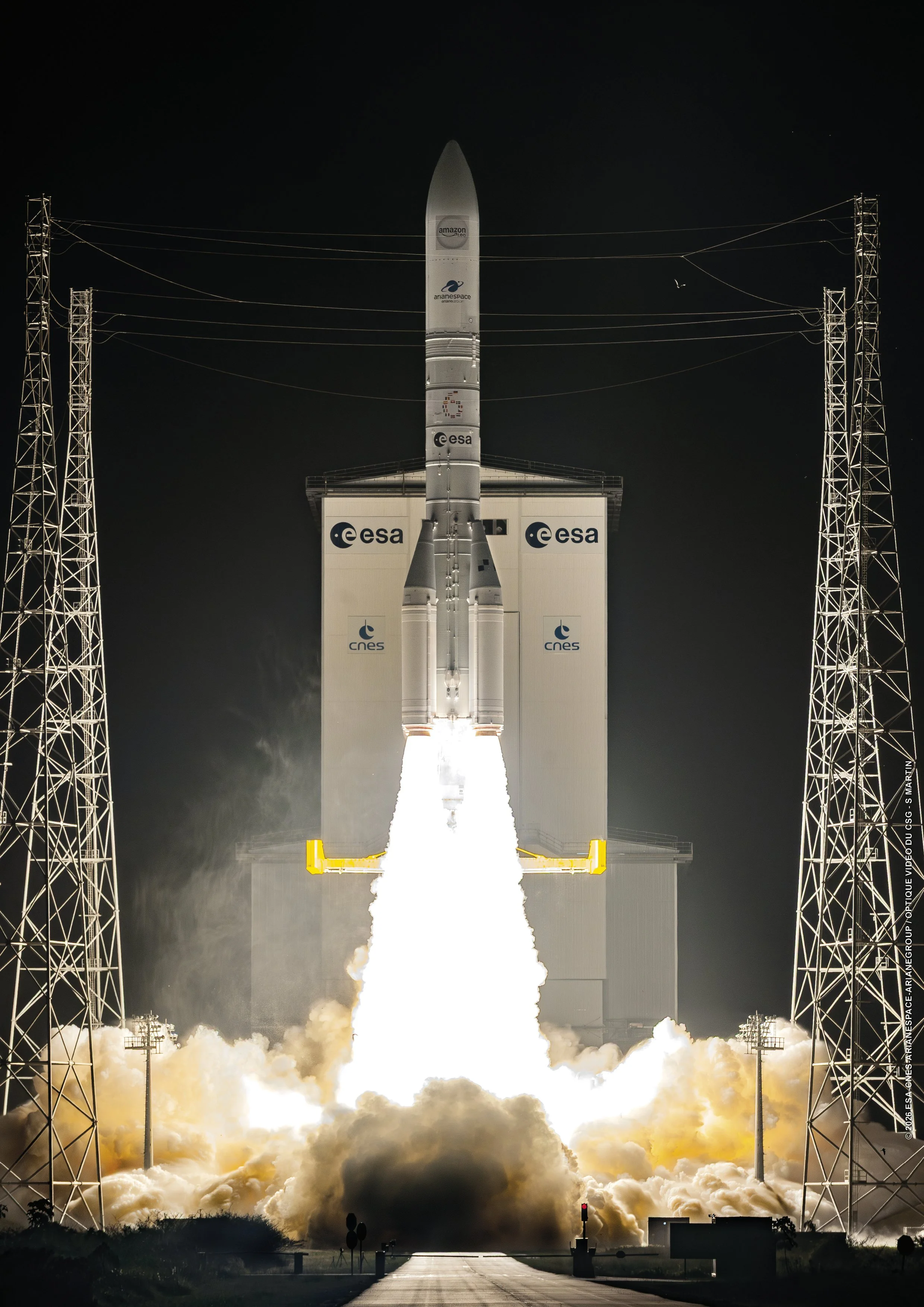
Amazon Leo (LE-02) — On April 30th, at 5:57 a.m. local time, Arianespace launched an Ariane 6 rocket carrying another set of 32 Amazon Leo satellites to low Earth orbit from the Guiana Space Centre in Kourou, French Guiana.
Image Credit: Arianespace
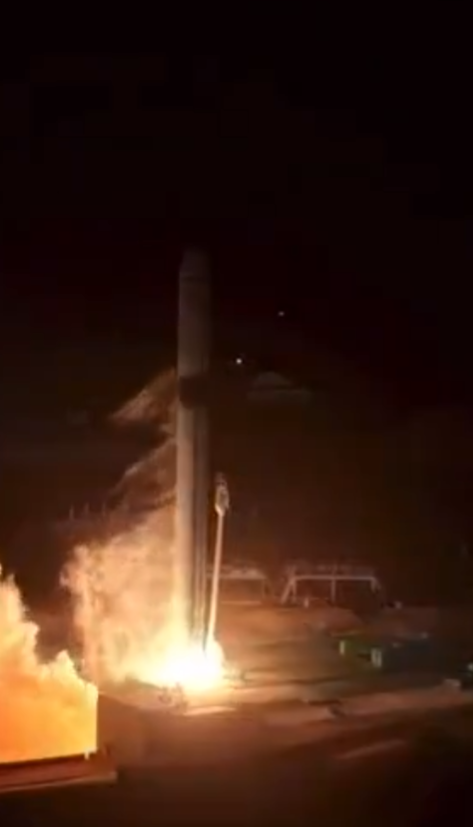
Soyuz-5 Demo Flight — On April 30th, at approximately 11:00 p.m. local time at Baikonur, Roscosmos launched the Soyuz-5 rocket for the first time on a demonstration mission. The rocket carried a mass simulator payload from Site 45/1 at the Baikonur Cosmodrome in Kazakhstan. This was a suborbital flight, with the simulator splashing down in the Pacific Ocean as planned.
Image Credit: (Roscosmos)
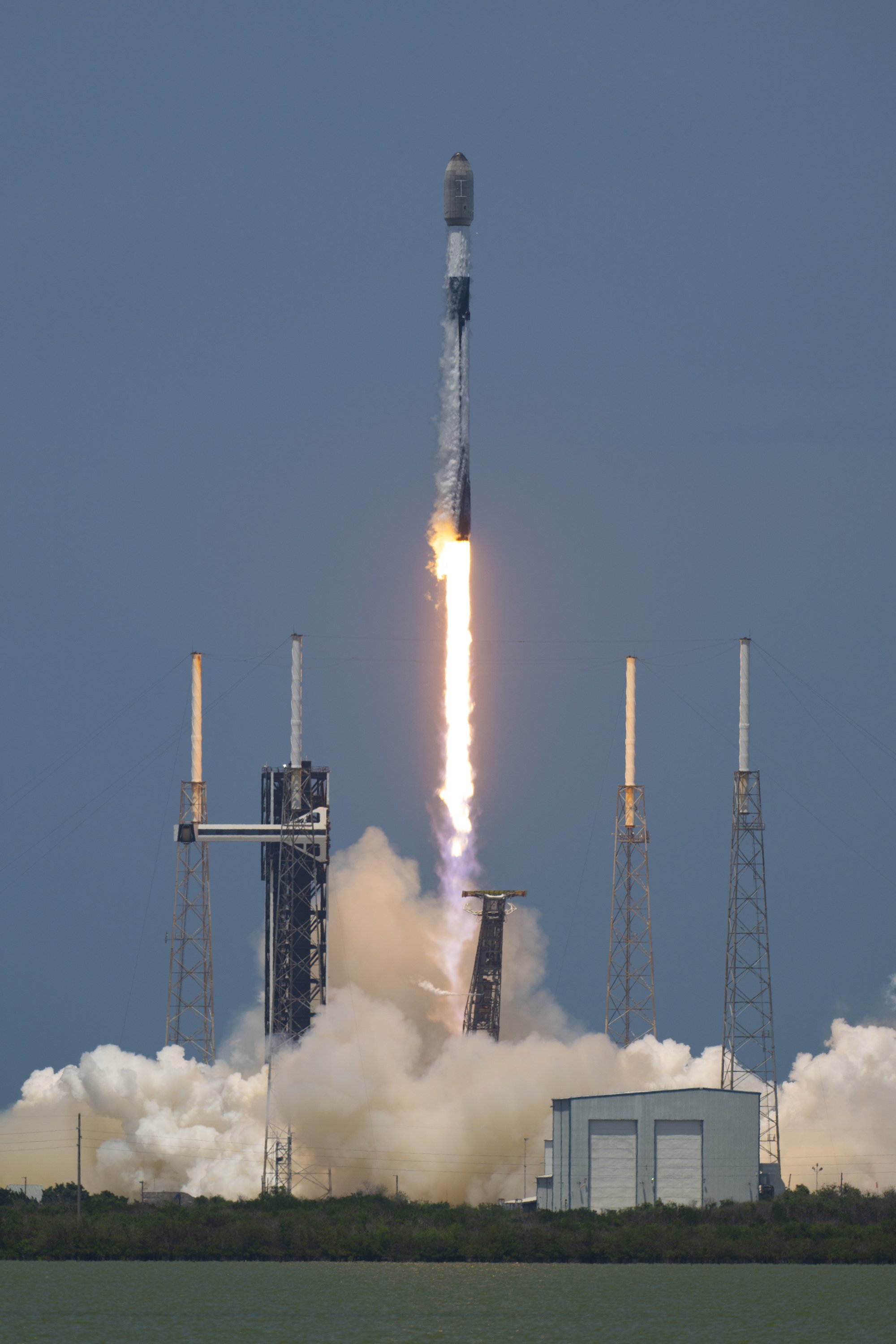
Starlink Group 10-38 — On May 1st, at 2:06 p.m. EDT, SpaceX launched a Falcon 9 rocket from SLC-40 at Cape Canaveral Space Force Station in Florida carrying more Starlink V2 Mini satellites to low Earth orbit. The booster supporting this mission (B1069) flew for the 31st time and landed on the droneship A Shortfall of Gravitas.
Image Credit: SpaceX
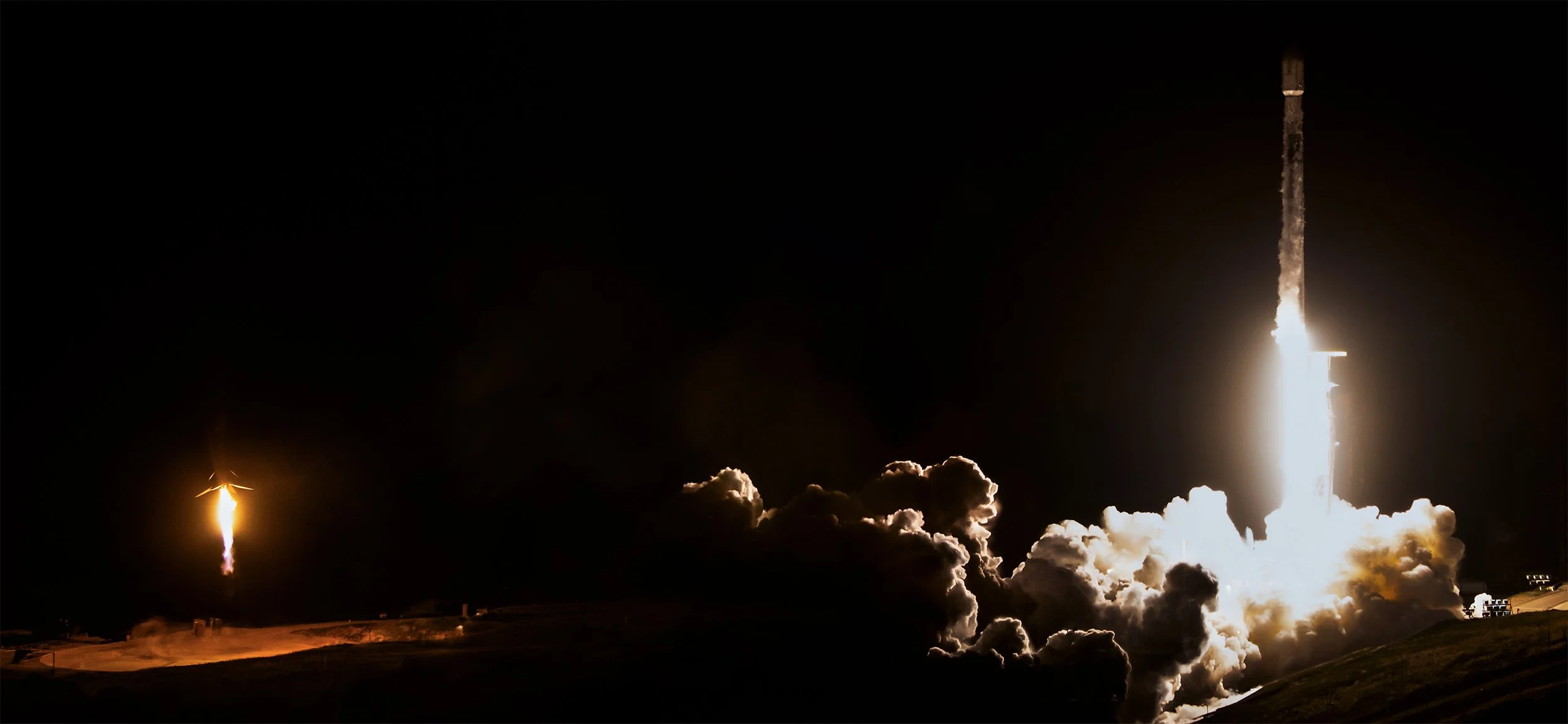
CAS500-2 Mission — On May 3, at 12:00 a.m. PT, Falcon 9 launched the CAS500-2 mission to a sun-synchronous orbit from Space Launch Complex 4E (SLC-4E) at Vandenberg Space Force Base in California. The primary payload was the South Korean-built Compact Advanced Satellite 500-2 (CAS500-2), designed and built by Korea Aerospace Industries (KAI) for Earth imaging. This mission also served as a rideshare, with an additional 44 payloads from companies including Argotec S.r.l., Exolaunch, Impulso.Space, Loft-EarthDaily, Lynk, True Anomaly, and Planet Labs.
Image Credit: SpaceX