GPS III SV09 Mission
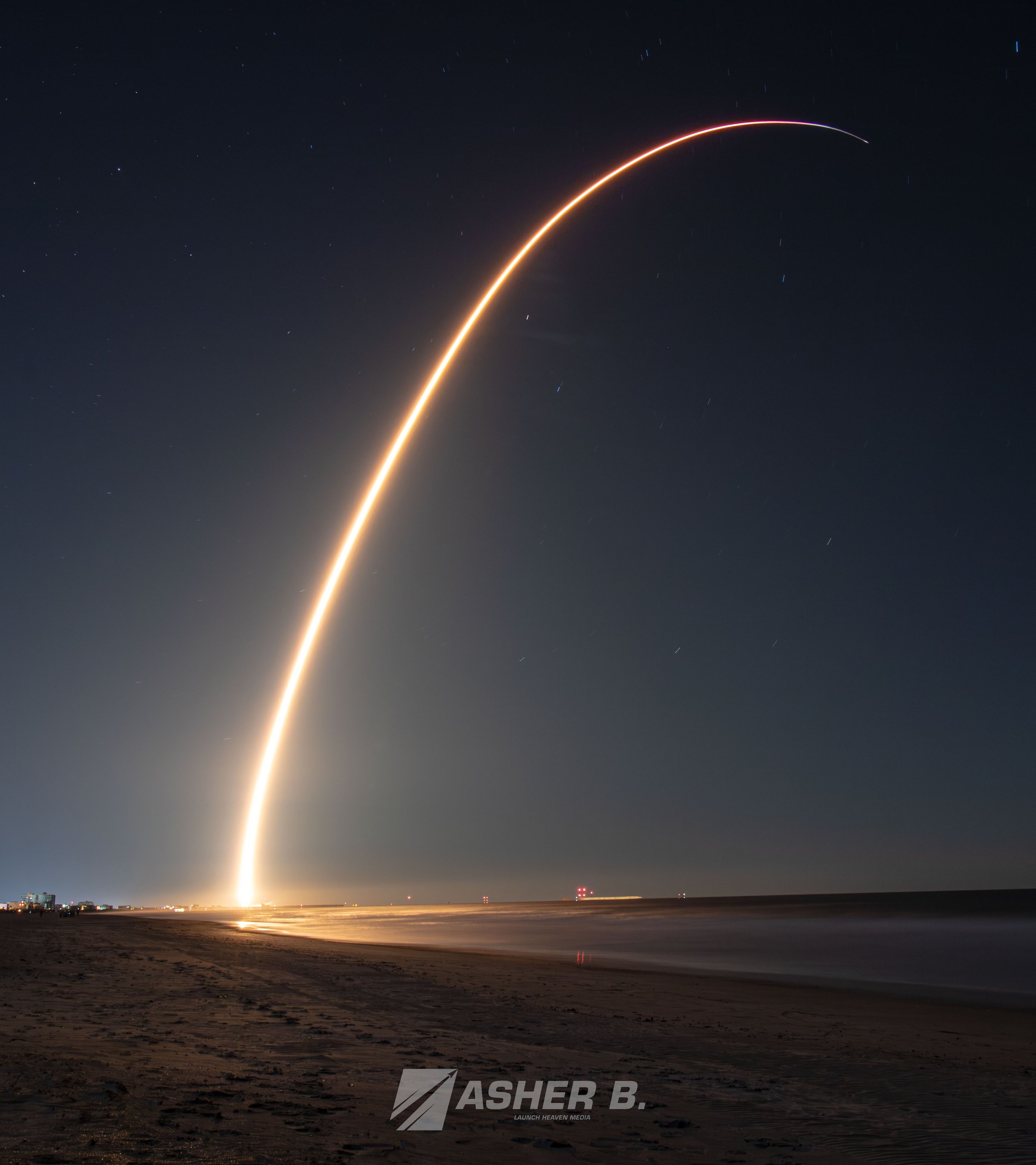
SpaceX launched the 9th of 10 planned GPS satellites for US civilian and military applications last night. B1096 was recovered via droneship .The first deployment took place in 2018 as a part of the US GPS modernization program. Eight of the 10 satellites have flown on the Falcon 9 from SLC-40, one on the (now retired) Delta IV, and the remaining launch will take place on ULA’s new Vulcan.
The satellites are based off of Lockheed Martin’s A2100M (Military) bus structure with an impressive track record totalling over 400 years of on-orbit service. From the Space System Command Media Release:
“GPS III satellites deliver enhanced performance and accuracy through a variety of improvements. It is three times more accurate and provides up to eight times improved antijamming capability over previous GPS satellites on orbit. The satellite also delivers a new L1C signal designed to grant interoperability to similar international space-based positioning, navigation, and timing systems around the world. As a crucial technological foundation for internet, financial, transportation, and agricultural operations, GPS delivers the gold standard in PNT services supporting U.S. and allied operations worldwide.”
Each satellite is named after a famous figure related to either exploration or astronomy, Ellison Onizuka is this satellite's chosen person. He made history as the first Asian American and first person of Japanese ancestry to reach space. His first flight on the Shuttle Discovery lasted 74 hours and landed at KSC on January 27th, 1985. He died tragically a year later on January 28th, 1986, when the shuttle Challenger was destroyed during liftoff. He was 39. It seems providential that this mission is launching in his honor exactly 40 years later.
Born in Hawaii on June 24th, 1946 he became active in many youth programs, including Boy Scouts, and achieved the highest rank of Eagle Scout. In 1969 he earned both his bachelors and masters degree in Aerospace Engineering. Joining the Air Force in 1970 after participating in ROTC he eventually became a test flight engineer certified in several jet aircraft, and rose to the rank of Lieutenant Colonel. As a veteran of the Air Force he was selected for the astronaut program in 1978 and trained extensively to become a Mission Specialist for his first flight on STS-51-C. After his tragic passing on Challenger there were several streets, science centers, an airport, and even a moon crater named after him. He was posthumously promoted to the rank of colonel and awarded the Congressional Space Medal of Honor.
As we watched that Falcon 9 streak into the sky we remembered the legacy he left, and pay heed to his words…
"Every generation has the obligation to free men's minds for a look at new worlds ... to look out from a higher plateau than the last generation." – Ellison Onizuka