
NASA to Bring Home Crew-11 Mission Early Due to Medical Issue, Accelerate Crew-12 Launch
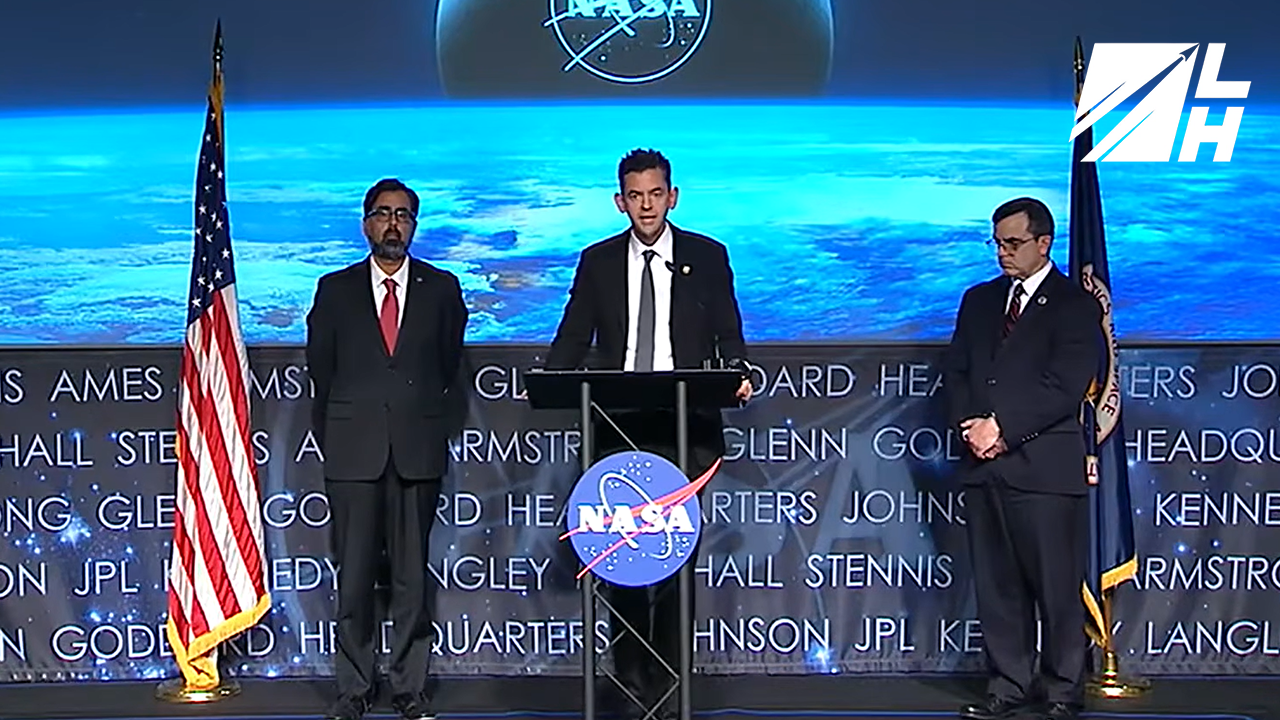
On January 7th, 2026, NASA announced the delay of the Extravehicular Activity (EVA) planned for the next day, January 8th, 2026. This was due to an undisclosed medical issue with an astronaut onboard the International Space Station. On January 8th, 2026, NASA held a live news conference at NASA Headquarters in Washington D.C. discussing the ISS, its crew, and the plan going forward.
The conference opened with NASA Press Secretary Bethany Stevens introducing the speakers for the conference, those being the following:
- NASA Administrator Jared Isaacman
- Amit Kshatriya, associate administrator
- Dr. James Polk, chief health and medical officer, NASA Headquarters
NASA Administrator Jared Isaacman followed the Press Secretary and informed the public that the SpaceX Crew Dragon Endeavor, which carried the four crew members to the ISS back in August 2025 aboard the Crew-11 mission, will make an early return home within the next few days, leaving the three crew members brought aboard the Soyuz MS-28 mission back in November 2025. This also means that there will be only one astronaut on the American side of the ISS, Christopher Williams. While they did not provide an exact timeline of events of what will happen over the next several days, it was made clear that there will be an update within the next 48 hours as to when exactly the crew will return home.
Isaacman also said that the next crew mission, SpaceX’s Crew-12, will launch earlier, and NASA is currently considering possible launch opportunities in order to make that happen. He also mentioned that Crew-12 will not conflict with the upcoming Artemis II mission in any way. Isaacman answered that these are separate missions with separate procedures, and they will not affect each other’s timelines.
Following Isaacman’s address to the public, Amit Kshatriya, NASA’s associate administrator, said that this is what training for scenarios like these is for, helping to keep the crew safe and so that the crew know what to do in an emergency situation.
The conference was then handed over to Dr. James Polk, the chief health and medical officer at NASA Headquarters. He opened by reiterating that he cannot speak to the specifics of the situation, including any information about the medical condition or which crew member was involved. He said that while the ISS has a lot of medical equipment onboard, they don’t have all the equipment that would usually be provided in a place like like the emergency department. While the astronaut is stable, they would prefer to get the astronaut home in order to further ensure stability, and to be able to work where there is enough equipment and resources available to do so. He also said that it is not an “emergency situation” where the astronaut would need to be brought down as soon as possible, however it is still a serious enough situation to want to get the astronaut home in order to further ensure stability and safety. They are bringing home the crew early just in order to err on the side of caution.
That was everything covered in the main conference. After that, the conference moved into questions from other media members. Launch Heaven Media did not reach out to ask questions in this live news conference.
While it is unfortunate that the Crew-11 mission must end early, it was mentioned several times that the mission had completed most of the main objectives of the mission. Ultimately, it is better to bring the crew home early to prevent further harm. Now, we look forward to the successful return of Crew-11, and the accelerated launch of Crew-12.
